The fundamental promise of airline alliances—such as oneworld, Star Alliance, and SkyTeam—is the creation of a borderless travel ecosystem. By linking disparate route networks, these alliances ostensibly allow passengers to earn miles on one carrier, spend them on another, and enjoy elite status benefits regardless of the specific metal on which they are flying. However, beneath this veneer of cooperation lies a complex web of competing financial incentives, restrictive inventory management, and operational friction that frequently undermines the consumer experience. While alliances provide the structural foundation for global connectivity, the individual goals of member airlines often clash with the collective promise of a seamless journey.
The Economic Tension Within Alliances
At the heart of the alliance model is a recurring conflict: every member airline wants to leverage the alliance to increase its own profitability while simultaneously guarding its premium inventory. Airline executives frequently tout the benefits of alliances to boost the value proposition of their loyalty programs. By allowing members to redeem miles for flights on global partners, airlines make their own programs more attractive, thereby incentivizing customers to spend more on co-branded credit cards and daily flight operations.
However, a paradoxical incentive structure exists. When an airline releases an award seat to a partner, it receives a reimbursement payment that is often significantly lower than the revenue generated by a direct sale. Furthermore, by opening up a high-value seat—such as a first-class suite on an ultra-long-haul flight—an airline is essentially giving away a product that it could have sold for a premium price to a retail customer. Consequently, airlines are often "rationally" selfish; they contribute the minimum amount of award space necessary to maintain their alliance standing while hoarding their best products for their own members or retail buyers.
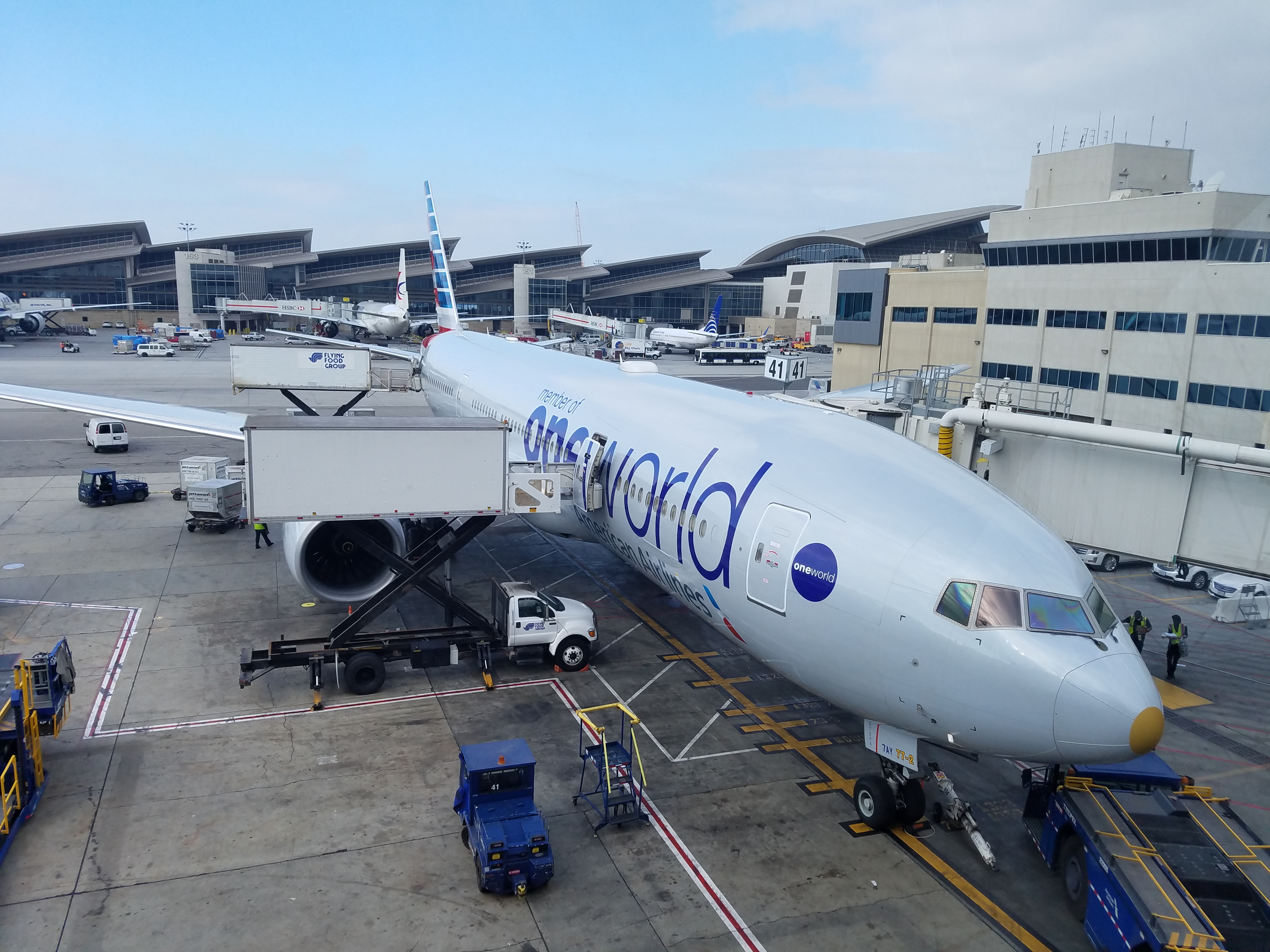
This behavior is exacerbated by the rise of lucrative bank partnerships. Banks like Chase and American Express pay airlines substantial sums to purchase miles in bulk for their credit card portfolios. Because these banks pay more for miles than alliance partners typically pay for award inventory, airlines have a financial incentive to prioritize bank-backed redemptions over alliance-partner redemptions. This creates a tiered hierarchy of access that often leaves the most loyal alliance members at a disadvantage.
Chronology and the Evolution of Alliances
The history of the modern alliance model dates back to the late 1990s, with the formation of Star Alliance in 1997, followed quickly by oneworld in 1999 and SkyTeam in 2000. These entities were designed to overcome the limitations of the "bilateral era," where airlines were restricted by government-imposed route limitations and foreign ownership caps.
In recent years, the landscape has shifted toward "Joint Ventures" (JVs). These are deep, antitrust-immunized partnerships between a handful of airlines that allow them to coordinate pricing, schedules, and revenue-sharing. Examples include the Atlantic-crossing partnerships between American Airlines and British Airways, or Delta and Air France-KLM. These JVs essentially function as a single business entity, intended to be "metal neutral," meaning the passenger should theoretically receive the same experience and loyalty recognition regardless of which carrier operates the flight.
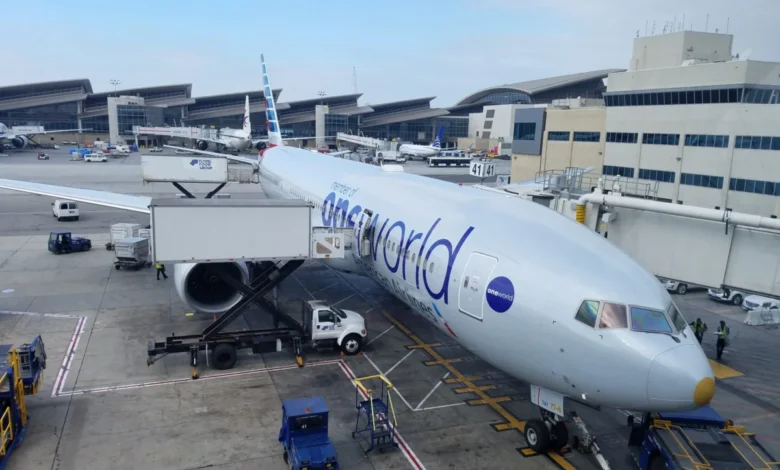
However, at the recent oneworld Loyalty Summit held on September 8, the limitations of this integration were on full display. American Airlines Chief Commercial Officer Nat Pieper highlighted the unique value proposition of oneworld Emerald status, particularly regarding access to high-end first-class lounges operated by carriers like Cathay Pacific and Qantas. Yet, the summit also underscored the inconsistencies within the alliance. While oneworld Emerald members enjoy top-tier lounge access across the globe, they are frequently barred from the flagship first-class lounges of their own alliance partners—including American Airlines itself—due to internal policy exclusions.

Operational Friction and the Through-Checking Crisis
Beyond award inventory, the most tangible point of friction for the modern traveler is the inability to "through-check" baggage across disparate reservations. In an ideal alliance model, a passenger’s luggage should travel from their origin to their final destination, even if the itinerary involves multiple tickets or different airline partners.
Historically, this was easier to facilitate. However, following an Obama-era Department of Transportation ruling that required airlines to apply a single baggage fee policy to an entire journey—effectively forcing airlines to pro-rate fees across partners—many carriers moved to restrict through-checking. Airlines realized that by refusing to transfer bags between separate bookings, they could discourage passengers from piecing together complex itineraries and instead push them toward booking single, higher-cost tickets directly through their own channels.
This creates a significant "indignity" for the passenger, who must clear customs, collect bags, and re-check them at a new counter, often during a tight connection. The impact is felt most acutely by frequent flyers who have earned elite status specifically to avoid such hurdles. Even when a traveler is flying in a premium cabin or holds top-tier status, the lack of technical integration between reservation systems often results in a fragmented, stressful travel experience.
Data and Market Implications
The disparity in alliance performance is rooted in a lack of standardized technological infrastructure. While airlines are excellent at sharing data for security and revenue accounting, they remain protective of the IT systems that manage passenger journeys.
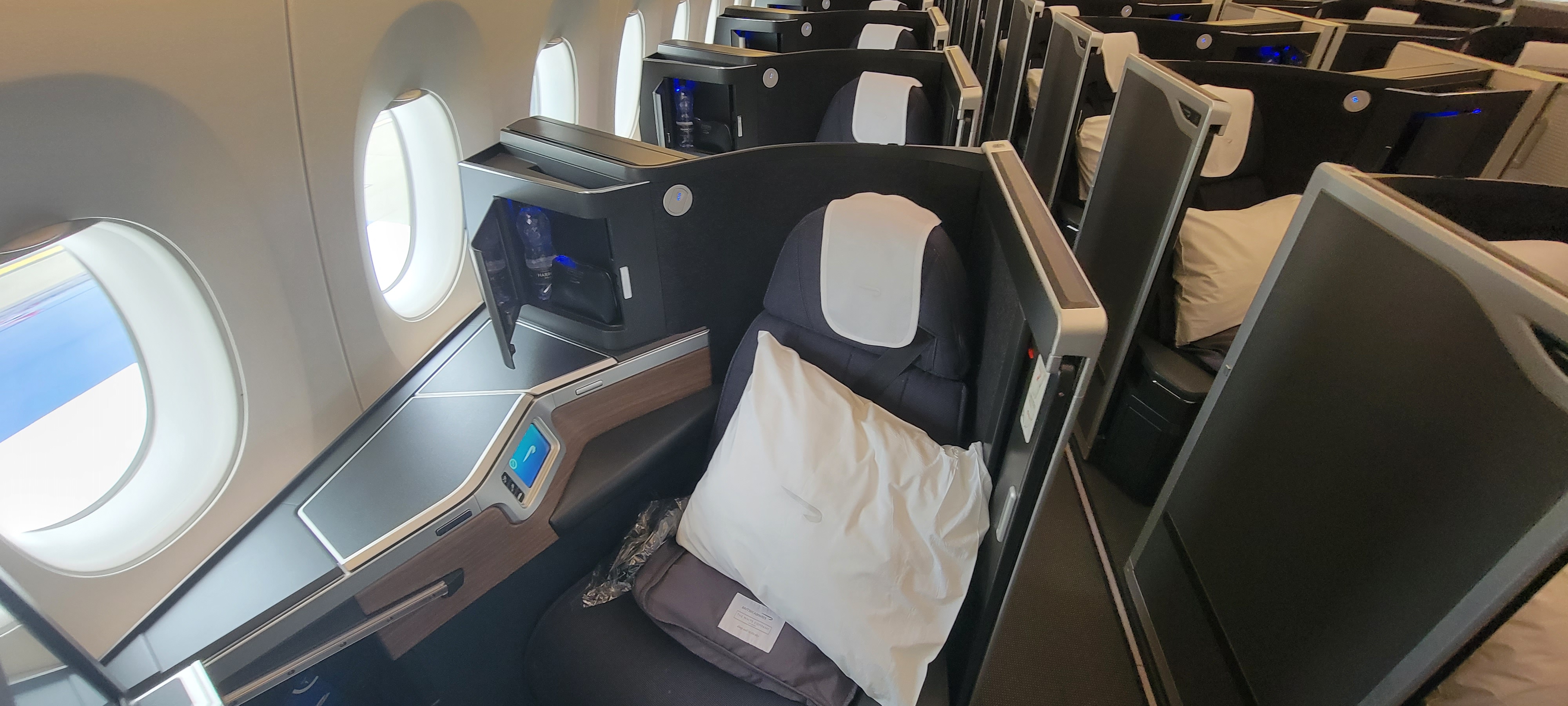
Industry data suggests that alliance-wide consistency remains elusive for several reasons:
- Inventory Silos: Most legacy carriers still rely on antiquated Global Distribution Systems (GDS) that were not designed for the modern "anywhere-to-anywhere" digital travel experience.
- Revenue Prioritization: Airlines generate roughly 15–20% of their total revenue from loyalty and credit card partnerships. This revenue stream is often more predictable and higher-margin than traditional ticket sales, leading to the "hoarding" of award space for credit card holders over alliance partners.
- Regulatory Hurdles: The "metal neutral" goal of Joint Ventures is frequently at odds with the competitive reality of individual airlines needing to maintain their own market share and branding, leading to inconsistent benefits like lounge access or upgrade priority.
The Future of Alliance Integration
For alliance leaders, the challenge is how to "push on a string." They lack the authority to dictate internal policy for a member airline, such as how many seats to release or how to handle baggage logistics. They can only negotiate standards. As Nat Pieper and other industry leaders have suggested, the future of the alliance model rests on deeper digital integration.
If airlines wish to remain relevant in an era where travelers have more options than ever, they must reconcile the difference between the alliance’s marketing promise and the reality of their operational policies. This requires a shift in mindset: moving from a model of "revenue protection" to "journey protection."
The industry is currently at a crossroads. As travelers become increasingly sophisticated, the "hidden rules" that govern award availability and baggage handling are becoming more transparent, leading to higher levels of customer frustration. To maintain the value of these alliances, airlines must commit to more than just a shared logo on a jet bridge. They must commit to a truly integrated passenger experience where the benefits of status and the ease of travel are not just promised, but consistently delivered across the entire global network. Until that occurs, the alliance model will remain a powerful tool for global reach, but one that is consistently plagued by its own internal contradictions.