Following in the footsteps of Stanley Tucci: A comprehensive culinary guide to the regions featured in Searching for Italy season two

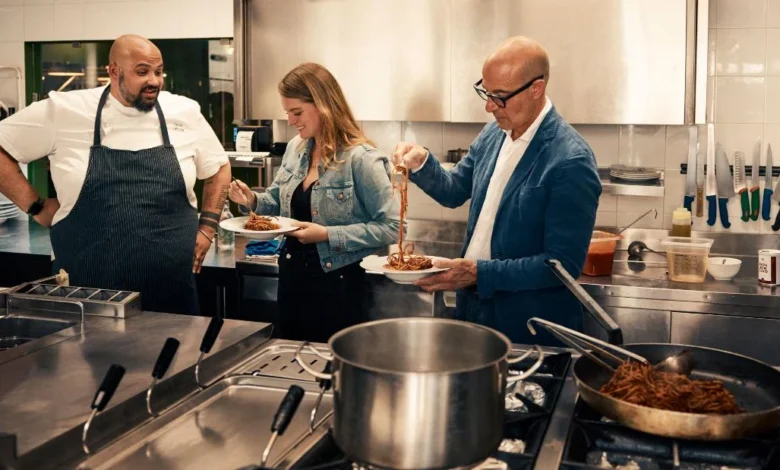
The second season of the critically acclaimed docuseries Stanley Tucci: Searching for Italy continues to captivate global audiences, offering an immersive deep dive into the gastronomic traditions that define the Italian peninsula. For viewers inspired to replicate the actor’s culinary odyssey, the series provides more than just visual entertainment; it serves as a curated map of the nation’s most authentic dining experiences. From Michelin-starred institutions nestled in historic palazzos to humble, family-run trattorias clinging to rugged cliffside terrain, the show highlights the cultural heritage preserved through regional cuisine. As the series remains available for streaming on platforms such as CNNgo and Discovery+, interest in the specific locations visited by Tucci has spiked, prompting a need for a consolidated, episode-by-episode itinerary for travelers and food enthusiasts alike.
The Italian Riviera: Innovation Born of Necessity
Liguria, the crescent-shaped region bordering the Mediterranean, represents the intersection of rugged geography and culinary ingenuity. Known for its steep cliffs and the iconic, candy-colored architecture of Portofino and the Cinque Terre, Liguria’s landscape has historically demanded a resourceful approach to agriculture and cooking. It is in this challenging environment that one of Italy’s most famous exports, pesto, was perfected.
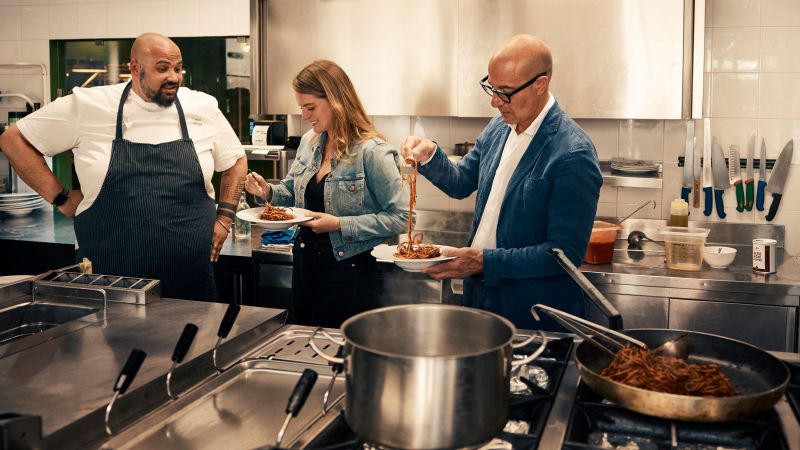
During his visit to the region, Tucci explored the balance between tradition and high-end gastronomy. At Cracco Portofino, chef Carlo Cracco demonstrated the preparation of pansotti, a traditional pasta filled with preboggion—a wild mixture of regional herbs and greens—served with a delicate walnut sauce. The dish served as a poignant example of how local ingredients are elevated to fine-dining standards.
Further into the region, Il Genovese offered a contrasting, deeply traditional experience. Chef Roberto Panizza, widely recognized as the "King of Pesto" and the founder of the Pesto World Championship, emphasized the importance of the mortar and pestle in preserving the integrity of the basil. By incorporating green beans and potatoes into the pasta dish, the restaurant adheres to the classic Genoese method, creating a texture and flavor profile that has been a staple of the region for generations. Additionally, local bakeries such as Antico Forno della Casana remain vital to the region’s identity, with their focaccia remaining a working-class staple that requires specific techniques, such as eating it upside down, to fully appreciate the interaction of salt and dough.
Puglia: The Culinary Soul of the Boot
Often described as the boot of Italy, Puglia is a region defined by its reliance on simplicity. Despite being historically categorized as one of the nation’s economically disadvantaged areas, it is currently experiencing a renaissance, with a renewed pride in its gastronomic roots. The region is the primary producer of Italy’s high-quality olive oil and remains a powerhouse for durum wheat and fresh produce.

In Bari, Tucci encountered the "assassin’s pasta," or spaghetti all’assassina. At Urban Bistrot, chef Celso Laforgia demonstrated the radical technique of cooking pasta directly in a pan with olive oil and spices—omitting the traditional boiling water step—until the noodles are charred and crispy. This dish serves as an example of how regional history and accidental innovation can create iconic local delicacies.
The region’s dedication to transformation was further highlighted at Antichi Sapori in Montegrosso. Chef Pietro Zito showcased the balance of flavor in his signature burnt grain orecchiette, served with fava bean cream, burrata, and charred black olives. The use of fava beans, a crop deeply embedded in the region’s agricultural history, provided a testament to the sophistication possible with humble ingredients.
In the hilltop town of Cisternino, Trattoria Bere Vecchie offered a look at the region’s meat-centric traditions. Housed in a former pharmacy, the establishment utilizes a spit-roasting technique reminiscent of Turkish influence. Here, Tucci sampled bombette—pork rolls stuffed with cheese and herbs—and gnumareddi, a traditional dish utilizing lamb offal. The inclusion of such diverse, historically grounded foodways reinforces the narrative that Puglia’s culinary scene is a complex tapestry of cultural exchanges.

Sardinia: An Island of Culinary Isolation
Sardinia’s identity as the most remote region of Italy has allowed it to develop a distinct cuisine that is almost entirely separate from the mainland. Its food history is akin to an archaeological dig, revealing layers of influence from various Mediterranean settlers.
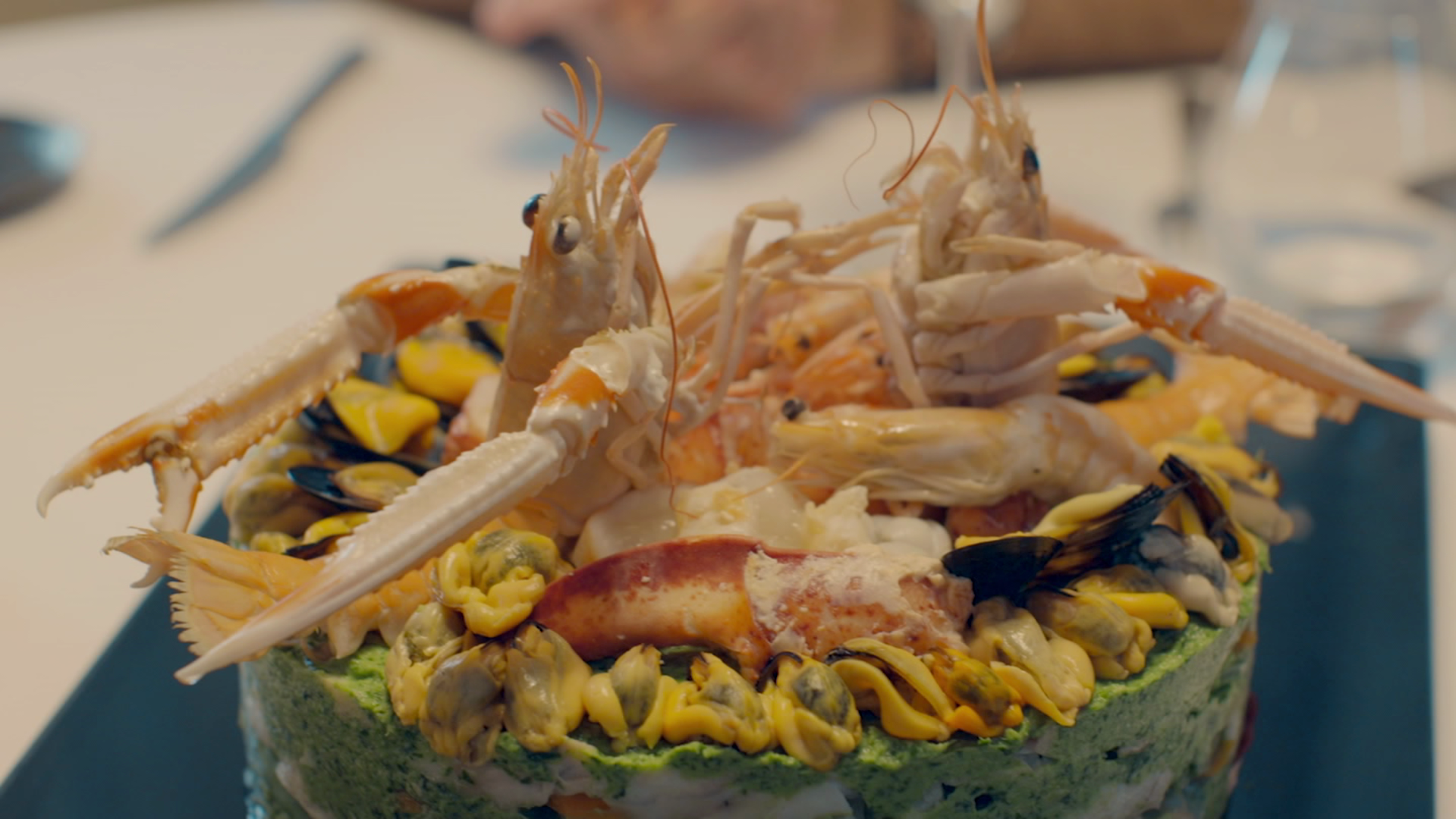
Tucci’s exploration of the island revealed two distinct spheres: the coastal regions, which thrive on seafood and Mediterranean fusion, and the mountainous interior, where ancient traditions remain protected. At Fradis Minoris, which holds a Michelin Green Star for its sustainable practices, chef Francesco Stara prepared fregola ai frutti di mare. This North African-inspired pasta, which bears a structural resemblance to couscous, is a cornerstone of Sardinian identity.
The island’s maritime prowess was also on display at Luigi Pomata’s restaurant, where the chef, known as the "king of tuna," showcased local bluefin tuna. The preparation of tuna belly—an ingredient often overlooked in other regions—demonstrated the local commitment to nose-to-tail eating. Furthermore, in the city of Alghero, Al Forno bakery highlighted the Spanish influence on the region through the panada, a savory pie that shares a common lineage with the Spanish empanada. This fusion reflects the deep historical connections between Sardinia and the broader Mediterranean world.
Calabria: The Ancestral Homecoming
For Stanley Tucci, the visit to Calabria held a profound personal significance, as it is the region his family emigrated from. The "toe" of the Italian boot is a landscape of extremes—rugged mountains, sprawling coastlines, and a resilient culture.
The region’s reliance on wheat was exemplified at Panificio Cuti in Marzi, where baker Pina Olivetti continues to produce pane de cuti using a 100-year-old recipe. The shop’s focus on the morsello—a bread bowl filled with sausage and broccoli rabe—highlights the region’s history of portable, nutrient-dense food designed for laborers.
In Tropea, the famous red onion, or cipolla rossa, took center stage. At Osteria della Cipolla Rossa, the focus is entirely on the ingredient’s natural sweetness. The local pride in this product is so intense that the onions are utilized in everything from traditional pasta sauces to ice cream.

Finally, at Qafiz, located in the Aspromonte mountains, chef Nino Rossi offered a vision of the region’s future. His dessert, "Fire," which utilizes charcoal-flavored meringue and white chocolate, serves as a symbolic response to the environmental challenges—specifically the 2021 wildfires—that the region has faced. This dish represents the evolution of Calabrian cuisine: honoring the past while engaging with the modern realities of the landscape.
Broader Implications of the Culinary Tour
The success of Searching for Italy has had measurable impacts on the regions featured. By shifting the focus from major tourist hubs like Rome or Florence to regional capitals and rural towns, the series has encouraged a form of "gastronomic tourism" that supports local farmers, bakers, and chefs.
From an economic perspective, the attention brought to establishments like Caseificio Dicecca in Puglia or La Collinetta in Calabria underscores the value of preserving traditional culinary techniques. These restaurants are not merely businesses; they are repositories of cultural history. As global food systems become increasingly homogenized, the emphasis on local, seasonal, and historic cooking methods provides a necessary counter-narrative.

The series also highlights the fragility of these traditions. Techniques such as the clay-baked lamb at La Collinetta, which requires hours of preparation, are labor-intensive and economically difficult to maintain in a fast-paced market. However, the international recognition garnered by the show provides these artisans with a platform that can ensure the economic viability of their crafts.
As the series moves forward to explore further regions, the broader impact of Tucci’s journey remains clear: it is an invitation to view Italian cuisine not as a static, monolithic entity, but as a dynamic, living history that changes with every kilometer of the landscape. For the viewer, the takeaway is an understanding that the most profound culinary experiences are often found in the places that have most stubbornly protected their unique identities against the pressures of the modern world.