
Oldest Cave Art Patagonia
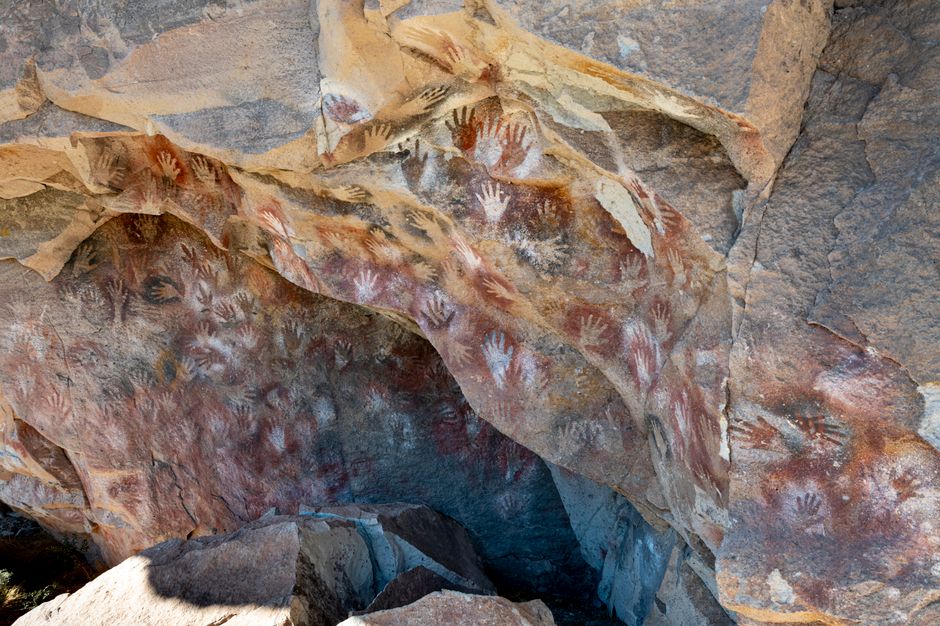
Cueva de las Manos: Patagonia’s Ancient Artistry Unveiled
The Cueva de las Manos, or "Cave of Hands," nestled within the Patagonian landscape of Argentina, stands as a testament to the enduring artistic expression of early human populations. This UNESCO World Heritage site holds within its rock shelters some of the oldest and most significant cave art in South America, offering a profound glimpse into the lives, beliefs, and aesthetic sensibilities of hunter-gatherer societies that roamed this region tens of thousands of years ago. The sheer volume and remarkable preservation of the hand stencils and other figurative depictions make Cueva de las Manos a cornerstone for understanding the origins and evolution of prehistoric art.
The most striking and iconic imagery at Cueva de las Manos comprises the thousands of stenciled human hands. These are not individual portraits but rather a collective imprint of human presence. The technique employed involved placing a hand against the rock surface and then blowing pigment, typically ochre-based, through a hollow bone or reed to create a silhouette. The result is a ghostly, ethereal representation of hands of various sizes, suggesting the participation of men, women, and children. The predominant colors are red, ochre, yellow, and black, derived from natural minerals ground into powder and mixed with binders like animal fat or plant sap. The repetition of these handprints, often layered or arranged in intricate patterns, conveys a powerful sense of community and shared experience, perhaps marking significant events, migrations, or spiritual rituals. The absence of individual identifying features on the hands emphasizes their role as symbolic representations of humanity itself, a universal gesture reaching across millennia.
Beyond the ubiquitous hand stencils, Cueva de las Manos also features a rich repertoire of figurative art. These depictions offer invaluable insights into the fauna that once thrived in Patagonia and the activities of its human inhabitants. Guanacos, large South American camelids, are frequently depicted, showcasing their distinctive humped backs and long necks. Their presence suggests their importance as a primary food source and a significant element of the Patagonian ecosystem that sustained these early peoples. Other animals are also represented, though often less clearly, hinting at a broader understanding of the local wildlife and possibly incorporating animals with symbolic or spiritual significance. These animal depictions are not merely naturalistic representations; they often display a dynamism and vitality that suggests a deep connection with the natural world and an intimate knowledge of animal behavior. The artists’ skill in rendering these creatures, even with rudimentary tools, is remarkable and speaks to a highly developed observational capacity.
The placement and arrangement of these artworks within the cave also contribute to their interpretation. The hand stencils are found in abundance on the cave walls, some at accessible heights, others in more challenging locations, implying a deliberate and often strenuous effort was undertaken to create them. The figurative art is often interspersed with the handprints, suggesting a narrative or thematic connection between human presence and the animal kingdom. Some scholars propose that the cave served as a ceremonial site, a place for initiation rites, or a repository of ancestral memories. The sheer scale of the artistic endeavor at Cueva de las Manos points towards a society with structured belief systems and a rich oral tradition, where art played a crucial role in transmitting cultural knowledge and reinforcing social bonds. The careful selection of the cave’s geological features, such as natural ledges or convex surfaces, to enhance the artistic impact further highlights the sophisticated planning and execution involved.
The dating of the art at Cueva de las Manos is a critical aspect of its scientific significance, revealing the profound antiquity of human presence in this region. Radiocarbon dating of organic materials found in association with the paintings, as well as stylistic analysis, have placed the earliest phases of artistic activity at approximately 9,000 to 13,000 years ago. This timeframe situates the art within the Late Pleistocene and early Holocene epochs, a period of significant environmental change and human adaptation. The oldest layers of paint and associated archaeological evidence suggest that hunter-gatherer groups were already inhabiting and utilizing this landscape during a time when much of Patagonia was still covered by glaciers. This pushes back the known timeline of complex human behavior and symbolic expression in South America, challenging previous assumptions about the pace of human migration and cultural development on the continent. The continuous occupation and artistic production over millennia underscore the enduring cultural importance of this site to successive generations of people.
The techniques employed by the artists of Cueva de las Manos, while seemingly simple, demonstrate a nuanced understanding of pigments and their application. The ochres, sourced from iron-rich clays, were meticulously ground into fine powders. Binders, such as animal fat, blood, or plant juices, were likely added to create a paste that adhered to the rock surface and provided durability. The blowing technique for the hand stencils, while requiring practice and coordination, allowed for the creation of distinct outlines and a consistent application of pigment. For figurative art, brushes made from animal hair, plant fibers, or even chewed twigs were likely used. The artists’ mastery of these rudimentary tools allowed them to create both bold, graphic images and more detailed, nuanced representations of animals. The varied thickness of the paint layers and the overlapping of stencils suggest a dynamic and evolving artistic process over extended periods.
The environmental context of Cueva de las Manos is crucial for understanding the lives of its creators. The Patagonian steppe, characterized by its vast open spaces, dramatic winds, and a rich but often challenging ecosystem, would have dictated the subsistence strategies of these early peoples. They were likely nomadic hunter-gatherers, following the seasonal movements of prey animals such as guanacos and rheas. The availability of natural resources, including water sources and mineral deposits for pigments, would have influenced their settlement patterns and the selection of sites like Cueva de las Manos. The artwork may have served a functional purpose in addition to its symbolic or spiritual roles, perhaps acting as a navigational aid, a territorial marker, or a record of successful hunts. The ecological pressures and opportunities of this unique environment undoubtedly shaped their worldview and artistic output.
The study of Cueva de las Manos extends beyond mere description and dating; it delves into the interpretation of its cultural significance. The hand stencils are often interpreted as a form of self-representation, a declaration of presence, or a means of invoking ancestral spirits. The possibility that they served as a form of communication, perhaps a collective signature or a record of community participation, cannot be discounted. The animal depictions are seen as reflections of their daily lives, their spiritual beliefs, and their relationship with the natural world. Some scholars propose that the art served as a form of education, teaching younger generations about the animals, the landscape, and the traditions of their people. The shamanistic interpretations, suggesting the cave was a site for trance-inducing rituals or communication with the spirit world, are also prevalent, with the imagery interpreted as visions or spiritual manifestations.
The discovery and subsequent research at Cueva de las Manos have had a profound impact on our understanding of early human history in South America. It has contributed to the growing body of evidence that challenges outdated models of slow, linear cultural development and highlights the dynamism and sophistication of prehistoric societies across the globe. The site’s recognition as a UNESCO World Heritage site underscores its universal value and the imperative for its preservation for future generations. Ongoing research, employing advanced dating techniques, pigment analysis, and sophisticated imaging technologies, continues to reveal new layers of information about the people who created this remarkable art. This multidisciplinary approach is essential for unraveling the complex narratives embedded within the cave walls.
The challenges of preserving Cueva de las Manos are significant. The fragile nature of the rock art, coupled with the environmental factors of erosion, temperature fluctuations, and visitor impact, necessitate careful management and conservation efforts. Strict access controls, monitoring of environmental conditions, and ongoing research into preservation techniques are crucial for safeguarding this irreplaceable cultural heritage. The very popularity of the site, while a testament to its importance, also poses a risk, requiring a delicate balance between accessibility for study and tourism and the imperative of long-term preservation. Modern archaeological and conservation methodologies are continuously being employed to mitigate these threats and ensure the continued survival of this ancient artistry.
The legacy of Cueva de las Manos is multifaceted. It is a tangible link to our deep past, offering a powerful reminder of the enduring human drive to create, communicate, and connect with the world around us. The universal gesture of the hand, replicated thousands of times, resonates across time and cultures, speaking to our shared humanity. The animal figures, rendered with such vitality, remind us of our interconnectedness with the natural world and the importance of respecting its delicate balance. As research continues to illuminate the secrets held within its painted walls, Cueva de las Manos remains a vital window into the prehistoric mind, a silent but eloquent testament to the creative spirit that has defined humanity since its earliest beginnings in the vast and rugged landscape of Patagonia.
