
Boeing 737 Max 9 Inspections Delayed
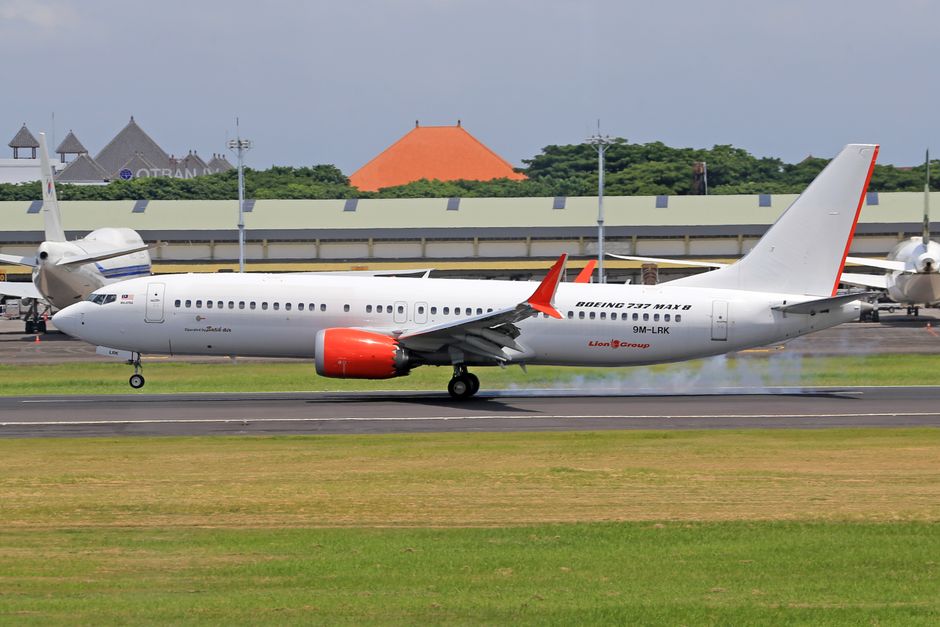
Boeing 737 MAX 9 Inspections Delayed: Deep Dive into the Cause, Consequences, and Regulatory Scrutiny
The recent and ongoing delays in mandated inspections for the Boeing 737 MAX 9 fleet represent a significant, albeit temporary, disruption to global air travel and underscore a critical juncture in the aircraft manufacturer’s post-crisis recovery. This situation stems directly from a severe incident involving an Alaska Airlines 737 MAX 9 on January 5, 2024, where a mid-cabin door plug blew out mid-flight, prompting immediate grounding of the aircraft type by the Federal Aviation Administration (FAA) and subsequent intensive investigations. The delays in completing the required inspections, which were designed to address the root cause of the door plug issue and ensure the structural integrity of similar panels on other MAX 9 aircraft, are multifaceted, involving complex logistics, unforeseen technical findings, and a heightened level of regulatory oversight.
The core of the issue lies in the meticulous nature of the inspection process itself. The door plugs, essentially unused emergency exit doors that are sealed off, are a key component of certain 737 MAX 9 configurations. The Alaska Airlines incident revealed that the specific plug on that aircraft had not been properly reinstalled following maintenance work. The FAA’s Airworthiness Directive (AD) mandated a thorough inspection for any indication of missing or improperly installed key door mission hardware, including critical fasteners and locking mechanisms, for all 171 affected aircraft in service. This is not a perfunctory visual check; it requires detailed examination, often involving disassembly of the door plug assembly and careful verification of the presence, condition, and correct installation of all components. The sheer volume of aircraft, combined with the need for specialized technicians and limited hangar space at various airports worldwide, immediately presented a logistical challenge. Airlines operate their fleets on tight schedules, and removing an aircraft for an extended period of inspection and potential rectification is a significant operational and financial undertaking.
Furthermore, the delays are not solely attributable to logistical hurdles. Early findings during the initial wave of inspections revealed that the Alaska Airlines incident was not an isolated manufacturing defect in the strictest sense, but rather indicated a systemic issue related to quality control and manufacturing processes at Boeing and its supplier, Spirit AeroSystems, which manufactures the fuselage sections that include the door plugs. Reports emerged of other MAX 9 aircraft exhibiting concerning findings during their mandated inspections, such as missing rivets, improperly torqued bolts, and evidence of prior damage or incorrect assembly. These unexpected findings necessitate further investigation and, in some cases, remedial work beyond the initial scope of the AD. This iterative process of inspection, discovery of issues, and subsequent repair can significantly extend the time an aircraft remains out of service. Each new finding requires careful documentation, assessment by engineering teams, and the implementation of corrective actions, all of which add layers of complexity and time to the inspection schedule.
The increased regulatory scrutiny from the FAA is another significant factor contributing to the protracted nature of the inspections. Following two fatal MAX crashes in 2018 and 2019, the MAX program has been under a microscope. The Alaska Airlines incident has reignited concerns about Boeing’s production quality and safety culture. The FAA, in response, has adopted a more assertive and hands-on approach. This includes not only mandating rigorous inspections but also increasing its oversight of Boeing’s manufacturing facilities and quality control processes. The agency is not merely rubber-stamping airline-submitted inspection reports; it is actively involved in verifying the thoroughness of the work and the effectiveness of any repairs. This heightened level of oversight, while crucial for ensuring safety, naturally slows down the approval process for returning aircraft to service. The FAA is demonstrating a clear intention to leave no stone unturned, ensuring that the lessons learned from previous tragedies are fully integrated into the operational reality of the MAX fleet.
The consequences of these inspection delays are far-reaching. For airlines, the grounding of multiple aircraft translates directly into schedule disruptions, flight cancellations, and a significant loss of revenue. This is particularly acute for carriers that rely heavily on the MAX 9 for their route networks, such as United Airlines and Alaska Airlines, which operate substantial fleets of this particular variant. Airlines are forced to re-route and re-assign other aircraft, often smaller or less efficient ones, to cover the cancelled flights, leading to increased operational costs and a less than optimal passenger experience. Passengers, in turn, face the inconvenience of flight cancellations, rebookings, and potentially longer travel times. The uncertainty surrounding the return-to-service timeline for the MAX 9 also creates challenges for airline planning and fleet management.
Beyond the immediate operational and passenger impacts, the ongoing inspection delays and the underlying quality control issues have a profound effect on Boeing’s reputation and its financial standing. The company was already striving to regain the trust of regulators, customers, and the flying public after the previous MAX tragedies. Each new issue, especially one as significant as a mid-cabin door plug blowout, erodes that hard-won progress. The financial implications are also substantial, with Boeing incurring costs associated with production delays, customer compensation, and the remediation of quality issues. Investors also react to such news, leading to stock price volatility and concerns about the long-term viability of Boeing’s product lines. The current situation intensifies the pressure on Boeing’s leadership to demonstrate a fundamental and sustainable improvement in its manufacturing and quality assurance processes.
The regulatory landscape surrounding the 737 MAX 9 inspections is evolving. The FAA’s initial AD provided a clear framework, but the discovery of further issues has led to ongoing dialogue and potential amendments or enhancements to the directive. The agency is collaborating closely with Boeing and airlines to ensure that all potential safety concerns are addressed comprehensively. This includes scrutinizing Boeing’s production lines at its Renton, Washington, facility and the fuselage production at Spirit AeroSystems in Wichita, Kansas. The FAA has indicated that it will not allow the MAX 9 to resume commercial flights until it is satisfied that all safety concerns have been unequivocally resolved. This commitment to a thorough and evidence-based approach, even if it prolongs the inspection and return-to-service process, is a testament to the agency’s renewed focus on aviation safety.
The implications for the broader aviation industry are also noteworthy. The incident and subsequent inspections highlight the interconnectedness of the global aerospace supply chain. Issues at a single supplier can have ripple effects across the entire industry. The scrutiny on Spirit AeroSystems, a critical supplier to Boeing, underscores the importance of robust quality control at all levels of production. Furthermore, the incident serves as a stark reminder of the paramount importance of a strong safety culture within aviation organizations. This culture must permeate all levels, from the shop floor to the executive suite, emphasizing a proactive approach to identifying and mitigating risks. The challenges faced by Boeing and the 737 MAX 9 serve as a case study for all manufacturers and operators on the enduring need for vigilance and a commitment to continuous improvement in safety practices. The delayed inspections are not merely a technical hiccup; they are a symptom of deeper systemic issues that require sustained attention and a commitment to long-term reform. The aviation world is watching closely to see how Boeing and its regulatory partners navigate this critical period and emerge with a demonstrably safer and more reliable product. The path forward requires not just completing the mandated inspections, but also instilling a renewed and unwavering focus on quality at every stage of the manufacturing and maintenance lifecycle.
