
Rabbi Jules Harlow Dead
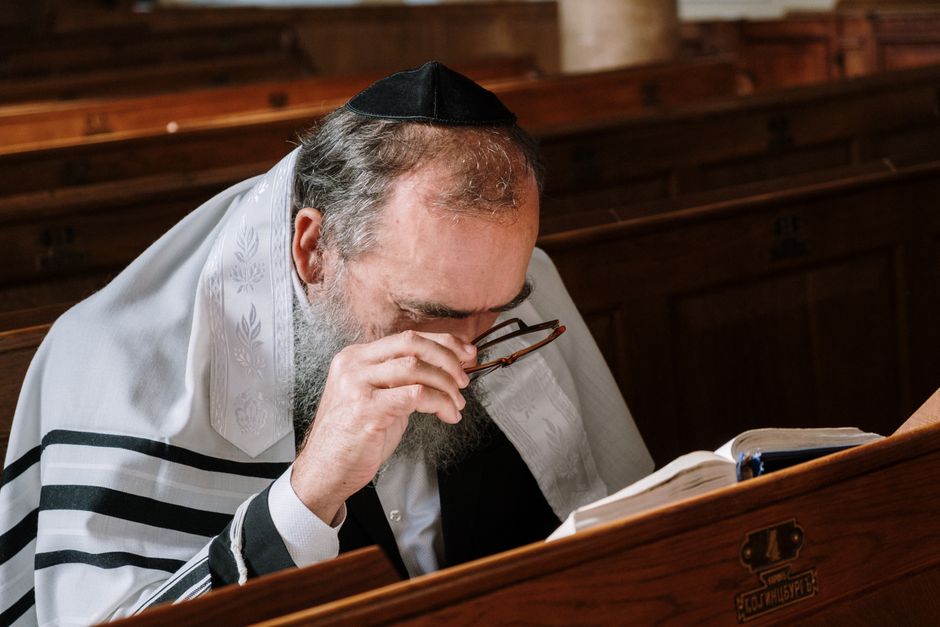
Rabbi Jules Harlow: A Life Dedicated to Torah and Community
The passing of Rabbi Jules Harlow marks the end of an era for many within the Jewish community, a profound loss felt deeply by congregants, colleagues, and admirers alike. Rabbi Harlow, a distinguished scholar, devoted spiritual leader, and prolific author, left an indelible mark on Jewish life, particularly through his groundbreaking work in prayer book translation and his unwavering commitment to Jewish education. His contributions extended far beyond the sanctuary, influencing the way countless individuals connect with their heritage and engage with Jewish tradition.
Born on December 21, 1935, in Brooklyn, New York, Rabbi Harlow’s intellectual journey was shaped from an early age. He pursued his rabbinical studies at the Jewish Theological Seminary (JTS), a preeminent institution for Conservative Judaism, where he was ordained in 1961. His academic prowess was evident throughout his time at JTS, laying the foundation for a career that would be characterized by rigorous scholarship and a deep understanding of Jewish texts. His early influences, no doubt, stemmed from the rich intellectual and spiritual environment of New York’s vibrant Jewish community, where tradition and modernity often intersected.
Rabbi Harlow’s most significant and widely recognized contribution is undoubtedly his pivotal role in the translation and editing of the Mahzor: A Prayer Book for the Days of Awe. This monumental undertaking, a project of the Rabbinical Assembly and the United Synagogue of Conservative Judaism, aimed to create a more accessible and meaningful liturgy for the High Holy Days. Rabbi Harlow served as the editor-in-chief of this project, a responsibility that demanded not only linguistic precision but also a profound understanding of the theological nuances and emotional resonance of the prayers. The Mahzor, first published in 1972, was lauded for its clarity, its inclusion of contemporary theological thought, and its sensitive approach to tradition. It revolutionized the way many Conservative Jews experienced the High Holy Days, bridging the gap between ancient texts and modern sensibilities. The meticulousness with which he approached each word, each phrase, ensured that the spiritual depth of the prayers was preserved while making them comprehensible and inspiring to a new generation of worshippers. This project alone cemented his legacy as a key figure in 20th-century Jewish liturgy.
Beyond the Mahzor, Rabbi Harlow’s literary output was extensive and varied. He authored numerous books and articles on Jewish thought, history, and prayer. His works often delved into the practical application of Jewish law and ethics in contemporary life, offering guidance and inspiration to individuals seeking to deepen their Jewish observance. His prolific writing career demonstrated a consistent commitment to making Jewish wisdom accessible and relevant to a broad audience. Titles such as God in the Midst of the Storm: Reflections on Faith and Grief and The Prayer Book as a Window to God illustrate his deep engagement with the spiritual and existential questions that have long occupied Jewish thinkers. These books were not merely academic exercises but were imbued with a pastoral sensibility, reflecting his experience as a spiritual leader ministering to his flock.
Rabbi Harlow served as the spiritual leader of Congregation Beth Simcha in Great Neck, New York, for many years. His tenure there was marked by a dedication to fostering a vibrant and engaged Jewish community. He was known for his insightful sermons, his warmth, and his ability to connect with people from all walks of life. He provided spiritual guidance, pastoral care, and educational leadership, shaping the lives of countless congregants. His congregational work was a testament to his belief that a rabbi’s role extends far beyond the pulpit; it involves building relationships, offering comfort, and nurturing a sense of belonging. He created an environment where individuals felt empowered to ask questions, explore their Judaism, and grow in their faith.
His commitment to Jewish education was a cornerstone of his rabbinate and his life’s work. Rabbi Harlow believed that a strong understanding of Jewish tradition was essential for the continuity of Jewish life. He was instrumental in developing educational programs and curricula designed to engage both children and adults in the study of Torah and Jewish values. His ability to translate complex theological concepts into accessible language made him a sought-after educator and speaker. He understood that education was not a passive reception of information but an active engagement that fostered critical thinking and a lifelong love of learning.
Rabbi Harlow’s influence extended beyond his congregation and his writings. He was an active participant in the broader Jewish communal landscape, serving on various committees and boards. He was a vocal advocate for interfaith dialogue and understanding, believing that building bridges between different religious communities was essential for a more peaceful and just world. His engagement in these broader spheres demonstrated a commitment to Jewish values as universal principles applicable to all of humanity.
The impact of Rabbi Jules Harlow’s work can be measured not only in the books he authored or the congregants he served but also in the profound and lasting influence he had on Jewish liturgy and practice. The Mahzor continues to be a staple in many Conservative synagogues, a testament to his enduring legacy. His translations and commentaries have made the richness of Jewish prayer accessible to generations of Jews, fostering a deeper connection to their heritage. His thoughtful exploration of prayer and spirituality continues to resonate, offering solace and inspiration to those grappling with life’s challenges.
In his passing, the Jewish world has lost a towering intellect, a compassionate leader, and a devoted servant of God. His memory will be cherished by all who were touched by his wisdom, his kindness, and his unwavering commitment to the Jewish people and their traditions. His contributions will continue to inform and inspire Jewish life for years to come, a testament to a life well-lived and a legacy of profound significance. The intellectual rigor he brought to his scholarship, coupled with the pastoral heart he displayed in his rabbinate, created a unique and invaluable synergy that benefited the entire Jewish community. He embodied the ideal of the learned rabbi, one who not only mastered sacred texts but also understood how to translate that mastery into meaningful guidance for living a Jewish life in the modern world. His passing is a loss that will be deeply felt, but his teachings and his legacy will undoubtedly endure.
