
Penn State Wrestling Rutgers Bjc Sanderson
Penn State Wrestling vs. Rutgers: A Rivalry Defined by Sanderson, Big Ten Dominance, and Historic Battles
The Pennsylvania State University wrestling program, under the tutelage of head coach Cael Sanderson, has ascended to an unparalleled level of dominance in collegiate wrestling. Central to this era of unprecedented success is the ongoing rivalry with Rutgers University, a Big Ten Conference adversary that has, at times, served as a proving ground and a consistent benchmark for the Nittany Lions. The moniker "BJC Sanderson" – referring to the Bryce Jordan Center, Penn State’s home arena, and the legendary coach – encapsulates the potent force this program has become. While the historical narrative of Penn State wrestling stretches back decades, the Rutgers matchup has, particularly in the Sanderson era, taken on a distinct and compelling significance. This article delves into the multifaceted nature of this rivalry, exploring its genesis, key matchups, the strategic implications, the impact of Cael Sanderson’s coaching philosophy, and the broader context of Big Ten wrestling.
The geographical proximity and conference affiliation naturally foster a competitive spirit between Penn State and Rutgers. Both institutions are located within the bustling Northeast corridor and are prominent members of the Big Ten, a conference renowned for its wrestling prowess. This shared membership immediately creates a framework for intense dual meets, where conference standings and individual seeding for national tournaments are on the line. However, the rivalry has been amplified and cemented by the sheer excellence of Penn State wrestling under Sanderson’s guidance. Since his arrival in 2009, the Nittany Lions have embarked on a legendary streak of NCAA team championships, a testament to the program’s deep talent pool, meticulous training, and exceptional coaching. Rutgers, while not enjoying the same level of sustained national championship success, has consistently fielded competitive teams, often featuring individual All-Americans and NCAA medalists. This consistent presence of skilled wrestlers on the Rutgers roster means that even in instances where Penn State has asserted its dominance, the individual bouts are rarely a foregone conclusion, and upsets, though infrequent, are always a possibility, adding an element of unpredictability that fuels fan engagement.
A critical element in understanding the Penn State-Rutgers dynamic is the transformative impact of Cael Sanderson. His arrival at Penn State marked a turning point, ushering in an era of unparalleled success. Sanderson, a four-time NCAA champion himself and Olympic gold medalist, brought a unique blend of technical expertise, mental fortitude, and a holistic approach to wrestling. His coaching philosophy emphasizes not only physical conditioning and technical mastery but also mental resilience, strategic thinking, and a strong team culture. This philosophy has been instrumental in developing a roster of elite athletes who consistently perform at their highest level, both individually and as a cohesive unit. The "BJC Sanderson" moniker is not merely a descriptive tag; it represents a winning formula that has reshaped the landscape of collegiate wrestling. When Penn State steps onto the mat, especially in the familiar confines of the Bryce Jordan Center, there’s an aura of expectation and a palpable intensity that stems directly from Sanderson’s leadership and the program’s consistent success. The Rutgers matches, therefore, become more than just another conference dual; they are opportunities for Penn State to showcase its dominance and for Rutgers to test its mettle against the sport’s undisputed benchmark.
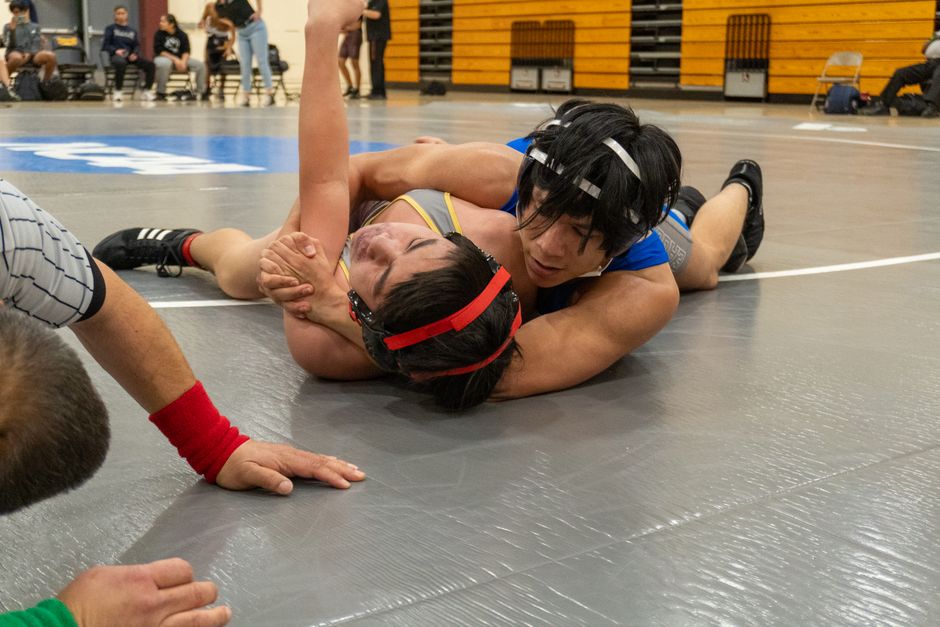
The history of individual matchups between Penn State and Rutgers wrestlers is rich and often illuminating. While team scores provide the overarching narrative of dominance, the individual bouts within a dual meet offer a granular view of the rivalry. For instance, memorable clashes at various weight classes have defined specific seasons. The wrestling community keenly follows how Penn State’s top-ranked contenders fare against Rutgers’ highly touted athletes. These bouts often feature contrasting styles and strategies, reflecting the coaching philosophies of both programs. Penn State, under Sanderson, often emphasizes a relentless pace, superior conditioning, and a high offensive output, aiming to wear down opponents and secure bonus points through major decisions, tech falls, and pins. Rutgers, in turn, often employs a disciplined approach, emphasizing defensive prowess, capitalizing on opponent mistakes, and seeking to disrupt Penn State’s rhythm. The outcomes of these individual battles can swing the momentum of a dual meet and significantly impact individual wrestler rankings and psychological confidence heading into postseason tournaments. The atmosphere within the arena during these pivotal matchups is electric, with the crowd playing an integral role in fueling the intensity of the competition.
The statistical disparities in team performance over the years, particularly in the NCAA Championships, also underscore the magnitude of Penn State’s sustained success. Penn State’s consistent string of national titles, often achieved with commanding point margins, has set a new standard for collegiate wrestling programs. Rutgers, while a respected program within the Big Ten, has not replicated this level of national dominance. This difference in team championships is a significant factor when analyzing the rivalry. It positions Penn State as the perennial favorite and a program to be chased, while Rutgers often enters these matchups with the opportunity to pull off a significant upset and make a statement. The pressure, therefore, can be different for each team. Penn State faces the pressure of maintaining its dynasty, while Rutgers often wrestles with less pressure, allowing them to potentially perform at a higher level when facing the seemingly insurmountable Nittany Lions. This dynamic adds another layer of intrigue to each encounter.
Beyond the direct competition, the Penn State-Rutgers rivalry is intrinsically linked to the broader landscape of Big Ten wrestling. The Big Ten is widely regarded as the premier wrestling conference in the United States, boasting a significant number of nationally ranked teams and individual athletes. Every dual meet within the conference is a high-stakes affair, contributing to the overall strength and depth of the league. Penn State’s dominance within the Big Ten further amplifies its standing nationally, and its matchups against conference rivals like Rutgers are closely watched as indicators of the league’s competitive health. The results of these duals often have ripple effects, influencing rankings and seeding for the Big Ten Championships and, subsequently, the NCAA Championships. The conference prestige is a significant motivator for both programs, as winning the Big Ten title is a highly coveted achievement in its own right, often serving as a stepping stone to national championship aspirations.
The strategic implications of the Penn State-Rutgers dual meet extend beyond the immediate outcome. Coaches on both sides are constantly evaluating opponent strengths and weaknesses, adapting their lineups, and employing specific game plans. For Penn State, the objective is often to secure bonus points and maintain their winning momentum. For Rutgers, the strategy might involve neutralizing Penn State’s top threats, creating opportunities for upsets, and building confidence for future competitions. The weight class matchups are meticulously planned, with coaches often seeking favorable pairings to maximize points and minimize the risk of deficits. The psychological aspect of the rivalry is also crucial. Winning against a historically dominant program like Penn State can be a significant morale booster for Rutgers, while maintaining their dominance against a conference foe like Rutgers reinforces Penn State’s elite status. The coaching staffs often engage in a chess match of sorts, making strategic decisions throughout the dual meet that can significantly impact the final score.
The student-athletes themselves are deeply invested in this rivalry. Many of them have grown up watching or competing against wrestlers from both institutions. The pride of representing their university, coupled with the competitive history between Penn State and Rutgers, creates a potent motivational force. The individual journeys of these wrestlers, from youth wrestling to collegiate stardom, often intersect with the narrative of this rivalry. The opportunity to contribute to their team’s success in such a high-profile matchup is a significant driving force. The locker room talk leading up to these duals is often filled with a heightened sense of urgency and determination. The weight of history and the desire to create their own memorable moments fuel their performances on the mat.
In conclusion, the Penn State wrestling program, under the visionary leadership of Cael Sanderson, has forged a formidable and compelling rivalry with Rutgers University. This dynamic is shaped by geographical proximity, Big Ten conference affiliation, and, most significantly, Penn State’s unparalleled era of dominance. The "BJC Sanderson" era represents a standard of excellence that has become the benchmark for collegiate wrestling. The individual matchups, the statistical disparities, and the broader context of Big Ten competition all contribute to the enduring significance of this rivalry. As Penn State continues to set records and push the boundaries of collegiate wrestling, its clashes with Rutgers remain a key fixture, offering a potent blend of high-level competition, strategic intrigue, and the enduring legacy of one of the sport’s greatest coaches. The history of this rivalry is still being written, with each encounter adding another chapter to the ongoing narrative of collegiate wrestling’s elite.
