
California Floods Schools Open Closures
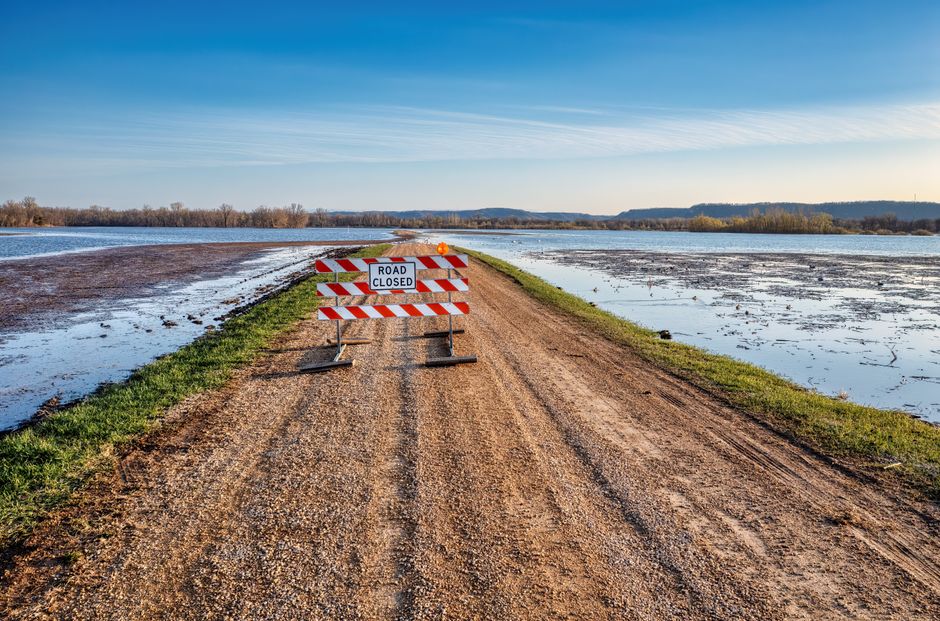
California Floods: School Openings, Closures, and the Ongoing Impact on Education
The persistent and often severe flooding across California presents a recurring and significant challenge to the state’s educational infrastructure, impacting everything from daily school operations to long-term student learning. Understanding the dynamics of school openings and closures due to these weather events is crucial for parents, educators, students, and policymakers alike. This article delves into the multifaceted aspects of how California floods affect schools, examining the decision-making processes, the immediate and lasting consequences, and the evolving strategies for resilience and continuity.
When the skies open and rain relentlessly pounds California, the immediate concern for many communities, particularly those in low-lying areas or near overflowing rivers and creeks, is public safety. This concern directly extends to the operation of public and private schools. School districts, armed with emergency preparedness plans, continuously monitor weather forecasts and hydrological data. The decision to close a school or a district is a complex one, influenced by several critical factors. Paramount among these is the safety of students and staff. If roads leading to schools become impassable due to high water, debris, or mudslides, or if school facilities themselves are threatened by rising water, inundation, or structural damage, closures are inevitable. Evacuation orders issued by local authorities for surrounding neighborhoods will almost certainly trigger school closures. Beyond immediate physical access and facility integrity, districts also consider the potential for power outages, which can cripple essential school functions like heating, cooling, lighting, and communication systems. The availability of emergency services, such as police and fire departments, to respond to incidents at schools also plays a role in the decision-making process. Districts often coordinate with county and state emergency management agencies, as well as local law enforcement and transportation departments, to gather comprehensive information before making a definitive decision. The goal is always to err on the side of caution, prioritizing the well-being of the school community above all else.
The immediate aftermath of a flood event often involves a period of assessment and decision-making regarding school reopenings. Once the immediate danger has subsided and weather conditions stabilize, school officials begin the rigorous process of evaluating the readiness of their facilities. This involves thorough inspections of school buildings for any signs of structural compromise, water damage, mold growth, or contamination from floodwaters, which can pose serious health risks. Utility services, including electricity, water, and gas, must be restored and deemed safe for use. Transportation routes need to be cleared of debris and assessed for safety, ensuring that buses can operate without hazard. Furthermore, communication systems must be functional to inform parents and guardians about reopening schedules. Many school districts have established protocols for phased reopenings, starting with districts or individual schools that have sustained minimal damage. In cases of widespread damage, extended closures can occur, necessitating the implementation of temporary learning solutions. The collaboration between school districts, local public works departments, and emergency services is vital during this reopening phase to ensure a coordinated and safe return to learning.
The impact of California floods on education extends far beyond temporary closures. For students, prolonged absences from school can lead to significant learning loss. This is particularly true for foundational subjects like math and reading, where consistent instruction and practice are essential for progress. Students from low-income families or those with existing learning challenges are disproportionately affected, as they may have fewer resources at home to supplement their education during school closures. The disruption to routine can also have a profound impact on students’ mental and emotional well-being. The stress and uncertainty associated with natural disasters, coupled with the isolation of being away from school and their peers, can lead to increased anxiety, depression, and behavioral issues. For older students, extended closures can jeopardize their ability to graduate on time, impacting their post-secondary education and career prospects. The loss of school as a safe and structured environment, a place where many students receive meals and access to support services, can exacerbate existing vulnerabilities.
For educators and school staff, flood-related closures present a multitude of challenges. Teachers often face the daunting task of creating and implementing remote learning plans with little notice, a process that can be particularly difficult in districts with limited technological infrastructure or a high proportion of students lacking reliable internet access and devices. They must adapt their curriculum and teaching methods to suit online or hybrid learning environments, which requires new skills and considerable effort. Beyond instructional challenges, educators may also experience personal impact from the floods, potentially facing damage to their own homes and communities, creating additional stress and disruption to their lives. School administrators are burdened with the logistical complexities of managing closures, coordinating with emergency services, assessing damages, and communicating with families. They also grapple with financial implications, including the cost of repairs, additional staffing needs, and potential loss of state funding if attendance targets are not met. The emotional toll on school staff, witnessing the disruption to their students’ lives and potentially their own, is also a significant consideration.
The economic ramifications of California floods on school districts are substantial. Repairing damaged school facilities can be incredibly expensive, often requiring millions of dollars to address structural issues, water remediation, and the replacement of damaged equipment and supplies. These costs can strain already tight school budgets, diverting funds that would otherwise be allocated to educational programs, teacher salaries, or essential resources. Furthermore, districts may incur costs related to providing temporary learning solutions, such as distributing devices, securing internet hotspots, or contracting with online learning platforms. The loss of state funding, which is often tied to student attendance, can further exacerbate financial difficulties. When schools are closed for extended periods, districts may not receive full reimbursement, leading to budget shortfalls. This financial pressure can force difficult decisions, including program cuts or staff reductions, further impacting the quality of education. The long-term economic recovery of affected communities is intrinsically linked to the ability of their schools to function effectively, highlighting the critical role of adequate funding for educational resilience.
The legal and regulatory landscape surrounding school closures due to natural disasters in California is multifaceted. State and local education codes provide frameworks for emergency closures, often granting superintendents or their designees the authority to close schools when student or staff safety is compromised. These closures are typically excused absences, meaning students are not penalized for missing school. However, the state also has mandates regarding instructional time. If a school district falls short of the required number of instructional days or hours in a school year due to closures, they may be required to make up that time. This can involve extending the school year, shortening breaks, or implementing longer school days. The California Department of Education (CDE) plays a crucial role in providing guidance and support to districts during emergencies, offering resources and assistance for disaster response and recovery. Laws and regulations are in place to ensure that schools have emergency plans and that these plans are reviewed and updated regularly. The state also provides avenues for districts to seek financial assistance through various state and federal disaster relief programs to help offset the costs associated with flood damage and recovery.
Building resilience and ensuring educational continuity in the face of California’s recurring flood events requires a proactive and multifaceted approach. School districts are increasingly investing in robust emergency preparedness plans that go beyond simply outlining closure procedures. These plans now often include strategies for effective communication with parents and the community during emergencies, detailing how information will be disseminated and updated. Technological infrastructure is a key focus, with many districts working to ensure all students have access to devices and reliable internet connectivity to facilitate remote learning when necessary. This might involve providing hotspots, loaner devices, or establishing community learning centers. Physical infrastructure improvements are also critical, with some districts undertaking projects to elevate school buildings in flood-prone areas, enhance drainage systems, or reinforce facilities against water damage. The development of comprehensive distance learning programs, including training for teachers and the procurement of appropriate platforms, is also a priority. Furthermore, fostering strong partnerships with local emergency management agencies, community organizations, and mental health providers is essential to address the holistic needs of students and staff impacted by floods. Educational continuity strategies also involve building in flexibility within the academic calendar to allow for makeup days without compromising the overall educational experience.
The ongoing challenge of California floods necessitates a continuous evolution of strategies and policies aimed at protecting the educational future of the state’s students. This includes advocating for increased state and federal funding for school infrastructure improvements, particularly in vulnerable areas. Investing in early warning systems and real-time flood monitoring technology can provide districts with more lead time to prepare for and respond to impending events. Furthermore, fostering a culture of preparedness within school communities, through regular drills and educational initiatives for students and staff, can significantly enhance their ability to navigate disruptive events. The development of comprehensive mental health support services for students and educators who experience trauma and displacement due to floods is also a critical component of long-term recovery. Ultimately, a collaborative and adaptive approach, involving educators, policymakers, community leaders, and families, is essential to mitigate the impact of California floods on schools and ensure that every child has the opportunity to receive a quality education, regardless of the weather.
