Democratic U.S. Senate candidate James Talarico Faces Intense Scrutiny Over Absence from Key Bail Vote After Tragic Murder of Jocelyn Nungaray

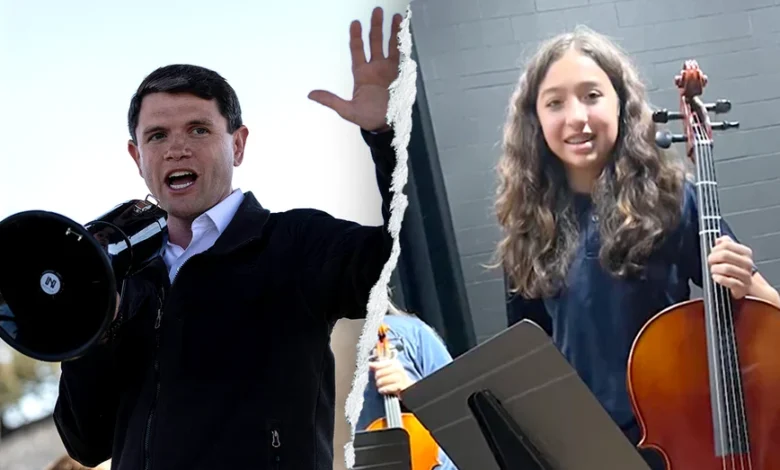
Democratic U.S. Senate candidate James Talarico is currently facing a storm of criticism, accused by detractors of making a "disgusting" decision to be absent during a crucial vote on a Texas bill that sought to automatically deny bail to illegal immigrants charged with violent felonies. This legislative push, dubbed "Jocelyn’s Law," emerged in the wake of the brutal strangulation murder of 12-year-old Houston preteen Jocelyn Nungaray, allegedly by two Venezuelan nationals illegally present in the United States. Talarico’s absence from the final vote, coupled with his prior voting record on bail reform and immigration issues, has ignited a fierce debate, casting a shadow over his burgeoning U.S. Senate campaign in a state profoundly impacted by border challenges and related crime.
Legislative Contention: "Jocelyn’s Law" and the Bail Debate
The proposed measure, formally known as "Jocelyn’s Law," aimed to amend the Texas Constitution to establish an automatic denial of bail for illegal immigrants accused of violent felonies. As a member of the Texas House of Representatives, James Talarico was conspicuously absent during the final voting session for this bill in 2025. Ultimately, the legislation failed to pass, with state lawmakers citing a lack of bipartisan support as the primary reason for its demise.
Before his absence for the decisive vote, Talarico had taken a stance that further fueled criticism. He voted against motions to kill two amendments to the bill. These amendments sought to exempt certain categories of immigrants from the proposed bail denial, including those present in the country on humanitarian parole, under an order of supervision, with a pending green card application, or those protected under trafficking or Violence Against Women Act (VAWA) victim provisions, visa extension applications, deferred action, or Temporary Protected Status (TPS). Critics argue that his support for these exemptions, combined with his final absence, effectively contributed to the bill’s failure and signaled a perceived leniency towards certain immigrant groups, even those potentially charged with violent offenses.
The concept of "Jocelyn’s Law" was born out of a desire by many Texans, particularly Republicans and victim advocates, to enhance public safety by ensuring that individuals deemed high-risk, especially those without legal ties to the country, are not released back into communities while awaiting trial for serious crimes. The legislative debate highlighted a deep ideological chasm between those prioritizing stricter enforcement and preventative detention, and those emphasizing due process, humanitarian considerations, and the potential for overreach or discriminatory application of such laws.
The Tragic Catalyst: The Murder of Jocelyn Nungaray
The impetus for "Jocelyn’s Law" was the horrifying murder of Jocelyn Nungaray, a 12-year-old girl from Houston, Texas. In June 2024, Nungaray was abducted, sexually assaulted, and strangled, her body later discovered in a creek drainage area. The brutal nature of the crime sent shockwaves through the Houston community and across the state, sparking widespread outrage and calls for justice.
The subsequent police investigation led to the arrest of two individuals, Johan Jose Martinez-Rangel and Franklin Jose Peña Ramos. Both men are Venezuelan nationals who had entered the U.S. illegally earlier in 2024. According to authorities, they were encountered by U.S. Border Patrol near El Paso, Texas, but were subsequently released into the U.S. on their own recognizance under the Biden administration’s immigration policies at the time. The murder of Jocelyn Nungaray occurred just months after their release, drawing a direct link in the minds of many between porous border security, federal immigration policies, and local crime.
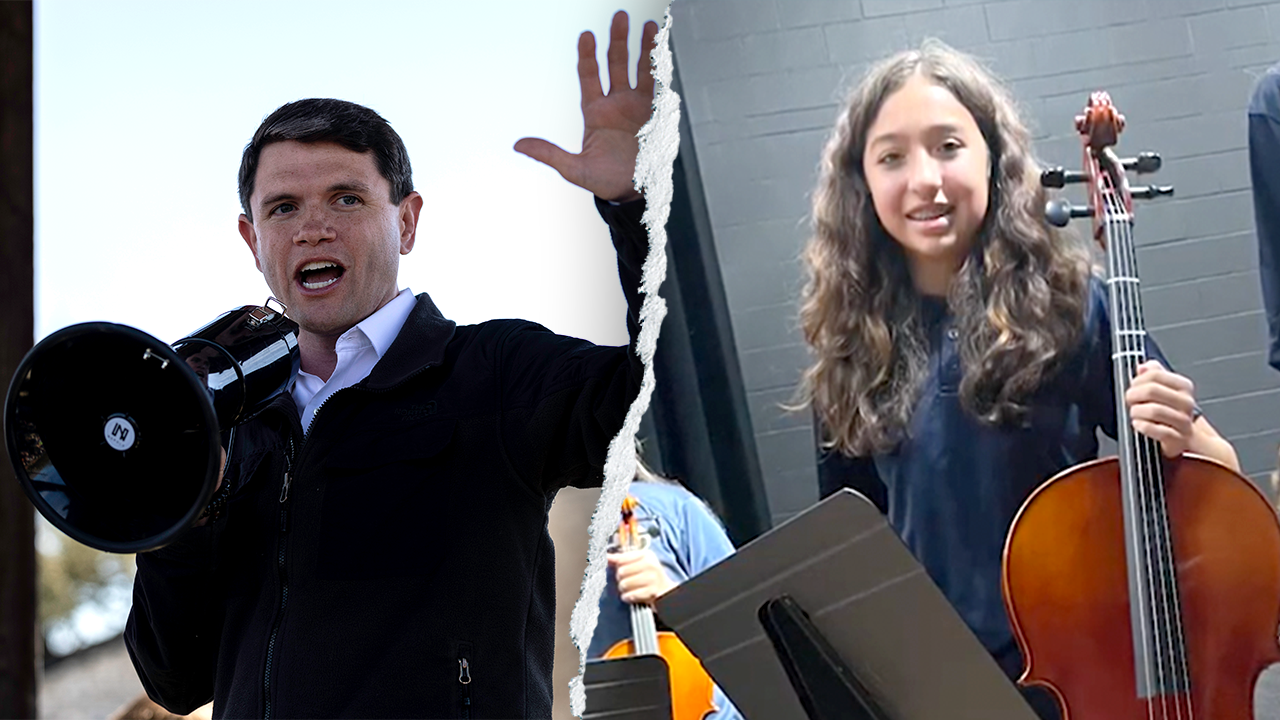
The case quickly became a flashpoint in the national debate over immigration, border security, and public safety. Prosecutors in Harris County have announced their intention to seek the death penalty against Martinez-Rangel and Peña Ramos, underscoring the severity of the charges and the community’s demand for accountability. The Nungaray family, thrust into an unimaginable tragedy, has become a symbol for those advocating for stricter immigration enforcement and bail laws to prevent similar incidents. Their grief and calls for legislative action resonated deeply, propelling "Jocelyn’s Law" onto the legislative agenda.
"Jocelyn’s Law": A Deeper Dive into the Proposed Legislation
"Jocelyn’s Law" represented a significant legislative effort to address concerns about public safety and the perceived vulnerabilities in the current bail system, particularly concerning non-citizens. The bill proposed a constitutional amendment, which would require a statewide vote for approval if passed by the legislature. This signifies the profound impact lawmakers intended for the measure, seeking to enshrine stricter bail provisions directly into the state’s foundational legal document.
Specifically, the bill aimed to deny bail automatically to individuals identified as illegal immigrants who were charged with violent felonies. This "automatic denial" clause was a key feature, designed to remove judicial discretion in these specific circumstances, thereby ensuring that such defendants would remain in custody pending trial. Proponents argued that this was a necessary step to protect communities, especially when defendants lack strong ties to the community or present a perceived flight risk or danger if released.
The amendments that Talarico voted against killing were central to the debate’s complexity. These proposed carve-outs for individuals on humanitarian parole, those with pending green card applications, or victims of trafficking or domestic violence (under VAWA protections), highlighted the tension between broad public safety mandates and specific humanitarian or legal protections for certain immigrant populations. While advocates for these amendments argued for a more nuanced approach that differentiates between various categories of non-citizens based on their legal status and vulnerabilities, opponents viewed them as loopholes that could undermine the primary intent of "Jocelyn’s Law" – to enhance public safety by restricting bail for violent offenders, regardless of the complexities of their immigration journey. The failure to reconcile these differing perspectives ultimately contributed to the bill’s inability to garner sufficient bipartisan support for passage.
Political Fallout and Campaign Trail Scrutiny
James Talarico’s actions and inactions regarding "Jocelyn’s Law" have rapidly escalated into a major political liability, especially as he vies for a U.S. Senate seat in Texas, a state that remains at the epicenter of the nation’s immigration debate. The Republican National Committee (RNC) was quick to seize on the issue, with spokesperson Zach Kraft issuing a scathing condemnation. Kraft asserted that Talarico’s stance amounted to "helping to kill the bill," accusing him of "letting his anti-American agenda show by siding with a violent illegal over a Texas family." He further told Fox News Digital that Talarico’s alleged opposition "once again… proven his priority is criminals, not the safety of Texans." These statements reflect a calculated effort by the RNC to define Talarico as soft on crime and indifferent to the concerns of Texas voters regarding border security and public safety.
In response, JT Ennis, a spokesperson for Talarico’s campaign, vigorously pushed back against the accusations. Ennis stated that "James is a law and order Democrat who supports prosecuting violent felons, and has a proven track record voting for tighter bail laws for violent offenders and voting repeatedly to increase funding for Texas police." He also added that Talarico "will continue standing up against both political parties to fix this broken, corrupt political system," suggesting that the attacks are politically motivated lies from his opponents, incumbent Sen. John Cornyn, and challenger Texas Attorney General Ken Paxton. The campaign’s defense attempts to portray Talarico as a pragmatic Democrat committed to public safety while simultaneously criticizing what they describe as a "broken, corrupt political system" and the tactics of his wealthy opponents.
The political implications for Talarico are substantial. In a state like Texas, where border security and immigration enforcement are paramount concerns for a significant portion of the electorate, a perceived weakness on these issues can be devastating for a statewide campaign. The Nungaray case has deeply resonated with voters, making "Jocelyn’s Law" a highly emotional and salient topic. Talarico’s voting record and absence risk alienating moderate voters and independent swing voters who might otherwise be receptive to his broader platform, while simultaneously galvanizing Republican opposition. His ability to articulate a clear and consistent message on public safety, immigration, and bail reform will be critical in navigating this politically charged landscape.
Talarico’s Legislative Record: A Pattern of Votes?
The scrutiny surrounding Talarico’s actions on "Jocelyn’s Law" is amplified by his past legislative record, which critics contend reveals a consistent pattern of votes perceived as "soft on crime" or favoring leniency in certain judicial contexts. Beyond his recent actions, Talarico has faced accusations of being "pro-defund the police," a charge he has consistently denied as a "flat-out lie." However, his voting record provides fodder for these ongoing criticisms.
During his tenure in the Texas House, Talarico voted against the Damon Allen Act. This bill, named in honor of Texas state trooper Damon Allen, who was tragically killed by a career criminal out on bail, aimed to restrict bail for certain offenders. His opposition to this measure has been cited by critics as evidence of his resistance to stricter bail regulations.
Furthermore, in 2021, Talarico also voted against a proposed constitutional amendment that would have specifically denied bail for anyone accused of violent sexual offenses or human trafficking. This particular vote aligns with the objections raised against his actions on "Jocelyn’s Law," suggesting a recurring pattern in his legislative philosophy regarding bail for individuals accused of serious violent crimes.
On the broader issue of immigration, Talarico has also drawn significant fire for past statements and affiliations. In 2019, he notably referred to "undocumented Americans" as "also my constituents," a phrase that, while reflecting a certain political perspective, is highly controversial in the context of immigration enforcement debates. More pointedly, Talarico was featured in a graphic circulated by United We Dream, an activist group known for advocating for the abolition of U.S. Immigration and Customs Enforcement (ICE) and U.S. Customs and Border Protection (CBP). In this graphic, Talarico encouraged individuals not to open their doors to federal immigration agents, advised against signing any documentation without an attorney, and urged people to "fight back." These actions and statements are interpreted by critics as actively undermining immigration enforcement and potentially encouraging non-compliance with federal authorities, further cementing the perception among his opponents that he prioritizes certain immigrant rights over strict adherence to immigration laws and public safety.
The Broader Context: Texas, the Border Crisis, and Bail Reform
Texas has borne a disproportionate share of the impact from the ongoing border crisis, particularly during the Biden administration. The state’s extensive border with Mexico has made it a primary conduit for illegal immigration, leading to significant challenges in resource allocation, law enforcement, and public safety. Data gathered by the House Homeland Security Committee indicated that towards the end of the Biden administration, there were more than 10.8 million border encounters and an estimated two million "known gotaways" – individuals who evaded apprehension – across the entire U.S. southern border. Texas has been at the forefront of state-led efforts to address these issues, often clashing with federal policies and jurisdiction.
The Nungaray case, involving alleged violent offenders who were illegally present in the U.S. after being released by federal authorities, has intensified the state’s resolve to enact its own measures. Governor Greg Abbott has repeatedly emphasized the need for Texas to act unilaterally in the face of what he perceives as federal inaction or inadequate policies. This backdrop of heightened tension between state and federal governments over immigration policy provides crucial context for understanding the legislative push behind "Jocelyn’s Law" and the political ramifications of any lawmaker’s stance on such bills.
The debate over bail reform itself is not new in Texas or across the nation. For years, criminal justice reform advocates have pushed for changes to bail systems, arguing that cash bail disproportionately impacts low-income individuals and can lead to unjust incarceration of those presumed innocent. Conversely, law enforcement and victims’ rights groups have often championed stricter bail laws, particularly for violent offenders, to ensure public safety and prevent recidivism. "Jocelyn’s Law" attempted to navigate this complex landscape by focusing specifically on illegal immigrants charged with violent felonies, adding an additional layer of complexity and controversy to an already contentious issue. The failure of the bill due to a lack of bipartisan support underscores the deep divisions and challenges in achieving consensus on these intertwined issues of immigration, public safety, and criminal justice.

Legal and Ethical Dimensions of Bail for Non-Citizens
The proposal of "Jocelyn’s Law" and the broader debate around denying bail to non-citizens charged with violent felonies touch upon significant legal and ethical considerations. The U.S. Constitution, through the Eighth Amendment, prohibits excessive bail, ensuring that bail is not used as a punitive measure. However, it does not guarantee an absolute right to bail, and courts routinely deny bail in cases where defendants are deemed a flight risk or a danger to the community.
The unique aspect of "Jocelyn’s Law" was its focus on immigration status as a trigger for automatic bail denial in cases of violent felonies. Legally, the argument for such a measure often centers on the idea that individuals without legal ties to the U.S. may pose a greater flight risk, making it harder to ensure their appearance in court. Furthermore, proponents argue that the state has a compelling interest in protecting its residents from violent crime, and immigration status, when combined with violent charges, can be a relevant factor in assessing risk.
However, opponents raise several counter-arguments. They contend that denying bail solely based on immigration status could violate principles of equal protection and due process, arguing that all individuals, regardless of their immigration status, should be afforded the same fundamental legal protections. Immigration advocacy groups also highlight the humanitarian parole, asylum-seeking status, or victim protections (like VAWA) that some non-citizens may hold, arguing that a blanket denial of bail would unjustly punish individuals who may have legitimate claims to remain in the U.S. or who are fleeing persecution. There is also the concern that such laws could lead to racial profiling or discrimination, disproportionately affecting certain communities. The legal landscape surrounding immigration and state criminal justice systems is complex, often leading to challenges regarding federal preemption and the extent of state authority to legislate on matters traditionally considered federal domain. These legal and ethical considerations played a significant role in the legislative resistance to "Jocelyn’s Law" and will undoubtedly continue to shape future debates on similar proposals.
Looking Ahead: The Political Landscape and Future Legislative Efforts
The intense controversy surrounding "Jocelyn’s Law" and James Talarico’s role in its failure will undoubtedly reverberate throughout the upcoming U.S. Senate election in Texas. For Talarico, the challenge will be to mitigate the damage from Republican attacks, which aim to brand him as out of touch with mainstream Texan concerns on border security and public safety. His campaign’s strategy of emphasizing his "law and order Democrat" credentials and accusing opponents of political opportunism will be tested against the emotional weight of the Nungaray tragedy. The incident serves as a stark reminder of the potent political nexus between immigration and crime, particularly in border states.
For the broader political landscape in Texas, the failure of "Jocelyn’s Law" is unlikely to be the final word on the matter. Given the ongoing border crisis and the profound impact of high-profile cases like Nungaray’s, it is highly probable that similar legislation will be reintroduced in future legislative sessions. Lawmakers who championed the bill will likely continue to press for its passage, potentially refining its language to address some of the concerns raised during its initial consideration, or seeking alternative legal avenues to achieve similar objectives. The enduring tension between state and federal immigration policies will also remain a defining feature of Texas politics, with the state likely to continue pursuing aggressive measures to assert its sovereignty and protect its borders.
The Nungaray case has become a powerful symbol in the national discourse, illustrating the human cost of perceived failures in immigration enforcement. As such, its impact extends beyond Texas, influencing the rhetoric and policy debates at the federal level regarding border security, asylum processes, and the consequences of releasing undocumented individuals into the interior of the country. The tragic death of Jocelyn Nungaray has thus not only galvanized a legislative response in Texas but has also become a focal point in the broader, often fractious, national conversation about immigration and public safety in America.