
Sununu Trump Haley Nomination
Sununu, Trump, and Haley: Navigating the Complex Landscape of a Potential Republican Nomination
The confluence of Chris Sununu, Donald Trump, and Nikki Haley within the Republican Party’s evolving nomination process presents a multifaceted narrative, rich with strategic considerations, ideological divergences, and the ever-present shadow of Donald Trump’s influence. Each individual brings a distinct set of strengths, weaknesses, and political histories to the table, shaping the contours of the 2024 presidential race and offering varying pathways for the Republican Party to regain the White House. Understanding their individual trajectories, their interactions with Trump, and their appeal to different segments of the GOP electorate is crucial for deciphering the likely outcomes of this dynamic nomination battle.
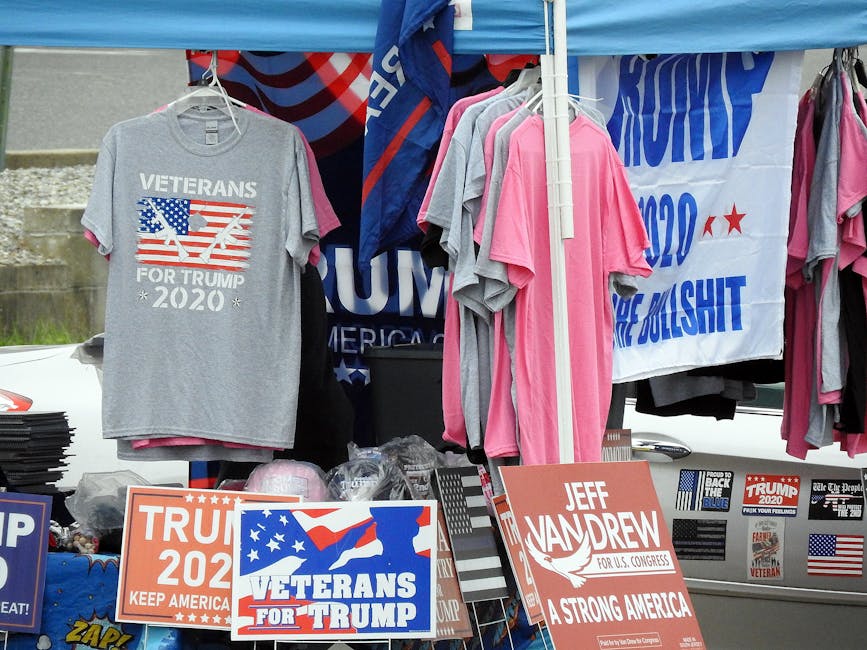
Donald Trump remains the central figure, a gravitational force whose endorsement or opposition can significantly alter the landscape for any challenger. His unwavering base, deeply loyal and energized, forms the bedrock of his political power. This demographic, often characterized by a strong sense of economic grievance, cultural conservatism, and a distrust of mainstream institutions, is a potent force that any aspiring Republican nominee must either cultivate or overcome. Trump’s ability to dominate media cycles, to rally supporters with populist rhetoric, and to effectively weaponize political opposition makes him a formidable obstacle for any contender seeking to usurp his position as the de facto leader of the party. His policy pronouncements, often delivered with unvarnished directness, resonate with a segment of the electorate that feels overlooked and unheard by traditional political elites. The enduring impact of his presidency, marked by significant policy shifts and a distinctive communication style, continues to shape the expectations and desires of a substantial portion of the Republican voter base.
Nikki Haley, by contrast, represents a more traditional, yet still potent, wing of the Republican Party. Her background as the former Governor of South Carolina and Ambassador to the United Nations positions her as a candidate with executive experience and foreign policy credentials. Haley often appeals to a more moderate and pragmatic wing of the GOP, emphasizing fiscal conservatism, a strong national defense, and a more measured approach to governance. Her rhetoric tends to be more polished and diplomatic, seeking to bridge divides and attract voters who may be wary of Trump’s more confrontational style. She has sought to distinguish herself by articulating a vision for the future of the Republican Party that embraces a conservative ideology while also acknowledging the need for broad appeal. Her ability to connect with suburban voters, women, and more educated Republicans is a key strategic advantage. Furthermore, her experience on the international stage offers a stark contrast to Trump’s more isolationist tendencies, potentially resonating with Republicans who believe in American leadership and global engagement. The challenge for Haley lies in navigating the intense loyalty of Trump’s base while simultaneously broadening her appeal beyond it.
Chris Sununu, the current Governor of New Hampshire, emerges as another significant player, embodying a pragmatic, results-oriented conservatism. Sununu’s appeal lies in his image as a no-nonsense leader who has successfully governed a swing state. He often highlights his bipartisan achievements and his ability to work across the aisle, a stark contrast to the often divisive nature of national politics. His focus on kitchen-table issues – the economy, education, and healthcare – resonates with a broad spectrum of voters, including independents and disaffected Democrats. Sununu’s political brand is one of competence and common sense, a refreshing alternative to what some perceive as the hyper-partisanship that has come to define Washington D.C. His moderate stance on certain social issues, coupled with his strong fiscal conservatism, attempts to capture a centrist appeal within the Republican tent. The advantage for Sununu is his perceived electability, his ability to appeal to a wider general election audience. However, his lack of national name recognition and his less expansive foreign policy background compared to Haley could be hurdles he needs to overcome in a high-stakes presidential primary.
The dynamic between these three figures is complex, characterized by both strategic alliances and inevitable competition. Sununu, while sometimes seen as a potential alternative to Trump, has also, at times, expressed a degree of respect for Trump’s ability to connect with his base, creating a nuanced positioning that avoids outright confrontation while still asserting his own distinct vision. Haley, too, has navigated this terrain carefully, seeking to differentiate herself without alienating Trump’s core supporters, a delicate balancing act that requires constant recalibration of her messaging. The question of who Trump will endorse, or conversely, who he will actively oppose, looms large over the primary process. His endorsements can bestow significant momentum, while his attacks can derail a campaign with remarkable speed.
The ideological spectrum within the Republican Party is a crucial factor in understanding the nomination race. Trump represents the populist, nationalist wing, emphasizing "America First" policies and often employing protectionist trade stances. Haley leans towards a more traditional conservative foreign policy and a more open embrace of global alliances, while also adhering to fiscal conservatism. Sununu embodies a pragmatic, fiscally conservative approach, often prioritizing state-level solutions and a less ideological federal government. The primary electorate will ultimately decide which of these visions best represents the future of the party, and which candidate possesses the best chance of winning a general election. The appeal of each candidate to different factions – evangelicals, fiscal conservatives, moderates, and the Trump loyalists – will be meticulously dissected by campaign strategists.
The fundraising capabilities and organizational strength of each campaign will also play a pivotal role. The ability to raise significant sums of money is essential for widespread advertising, grassroots organizing, and maintaining a competitive presence in early primary states. Trump, with his established network and proven fundraising ability, remains a formidable force in this regard. Haley, with her broader appeal, has the potential to attract a diverse donor base. Sununu’s ability to connect with voters on a personal level in New Hampshire, a state known for its intimate campaign style, could translate into grassroots support that compensates for potential financial disparities.
The early primary states, particularly Iowa and New Hampshire, will serve as crucial testing grounds. New Hampshire, with its independent streak and its history of challenging frontrunners, offers an opportunity for Sununu to leverage his home-field advantage. Iowa, with its strong evangelical and conservative base, will be a critical battleground for Haley and potentially for any candidate seeking to challenge Trump’s dominance in that demographic. The results in these early states will not only determine momentum but also shape media narratives and influence donor confidence.
The process of securing the Republican nomination is not merely about accumulating delegates; it is about building a coalition that can withstand the intense scrutiny of a national campaign. The ability to articulate a clear policy platform, to connect with voters on an emotional level, and to effectively counter the attacks of opponents are all critical components of success. For Sununu, Trump, and Haley, their journeys toward the nomination will be defined by their strategic choices, their ability to adapt to evolving political circumstances, and their capacity to ultimately convince a majority of Republican voters that they are the best suited to lead the nation. The interplay of their individual strengths, their distinct approaches to conservatism, and their relationships with the enduring legacy of Donald Trump will continue to shape the narrative of the 2024 Republican presidential nomination. Each candidate must find a way to carve out their unique space in a crowded field, offering a compelling vision that not only energizes the Republican base but also persuades undecided voters that they are the path forward for the party and for the country. The ultimate outcome will be a testament to the shifting priorities and evolving identity of the Republican electorate in the post-Trump era.
