
Palestinian Protest Holland Tunnel Brooklyn Bridge
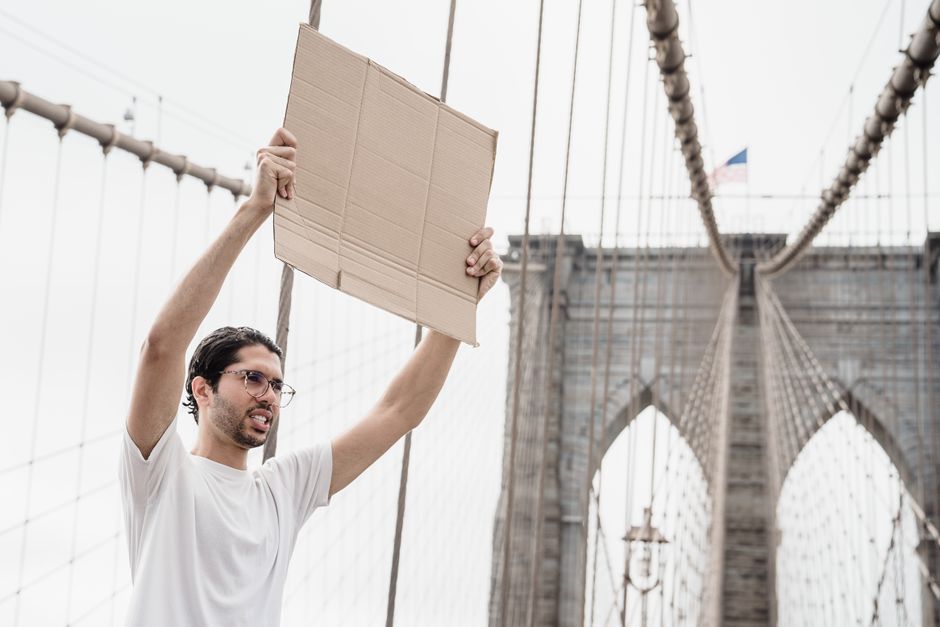
Brooklyn Bridge and Holland Tunnel: Palestinian Protest Echoes in NYC’s Veins
The iconic Brooklyn Bridge and the vital artery of the Holland Tunnel in New York City, landmarks of American infrastructure and symbols of global connection, have recently become focal points for demonstrations expressing solidarity with Palestine. These high-profile locations, chosen for their visibility and symbolic significance, underscore the pervasive nature of the Palestinian cause and its resonance in the international discourse. The protests, often involving significant disruptions to traffic and drawing considerable media attention, highlight the complex interplay between free speech, public order, and the global political landscape. Understanding the motivations behind these demonstrations, their tactics, and their impact requires an examination of the historical context of the Israeli-Palestinian conflict, the evolving nature of protest in a digital age, and the specific anxieties and solidarities that animate New York City’s diverse population.
The choice of the Brooklyn Bridge and the Holland Tunnel is not arbitrary. Bridges, historically, have been powerful symbols of connection and transit. The Brooklyn Bridge, a marvel of 19th-century engineering, links Manhattan to Brooklyn, two boroughs with distinct but interconnected communities, mirroring the aspirations for connection and freedom often articulated by Palestinian advocates. Its panoramic views of the Manhattan skyline and its status as a UNESCO World Heritage site make it an unparalleled stage for public expression. Similarly, the Holland Tunnel, a crucial conduit for vehicular traffic between New Jersey and Manhattan, represents a vital nerve of commerce and daily life. Disrupting these lifelines, while controversial, is a deliberate strategy to garner attention and compel a response from authorities and the public alike. Protesters aim to make the invisible visible, to force those who may otherwise remain detached to confront the issues at hand by directly impacting their daily routines and economic activities. This tactic, while effective in raising awareness, often polarizes public opinion, pitting the right to protest against the right to unimpeded passage and commerce.
The motivations behind these protests are deeply rooted in the long-standing Israeli-Palestinian conflict, a narrative of displacement, occupation, and a struggle for self-determination. For many participants, the demonstrations are an extension of a global movement demanding an end to the Israeli occupation of Palestinian territories, an assertion of Palestinian human rights, and a call for justice and accountability. The ongoing conflict, marked by cycles of violence, humanitarian crises, and stalled peace negotiations, fuels a persistent sense of urgency and frustration among those who advocate for Palestinian rights. Protesters often cite international law, UN resolutions, and the principles of human rights as the foundation for their demands. They view the current situation as a gross violation of these principles and believe that sustained international pressure, including public demonstrations, is necessary to effect meaningful change. The visual representation of Palestinian suffering, often amplified by social media, plays a significant role in mobilizing public opinion and drawing individuals to protest in prominent public spaces.
The tactics employed during these protests are varied and often evolve in response to security measures and public reactions. While some demonstrations are peaceful marches and rallies, others involve acts of civil disobedience, such as blocking traffic, chaining themselves to structures, or unfurling banners. The use of social media is paramount in organizing, publicizing, and documenting these events. Hashtags and viral videos quickly disseminate information, galvanizing support and attracting a wider audience. This digital amplification allows the message to transcend geographical boundaries and reach individuals who may not be physically present at the protest sites. However, it also means that protests can be easily misinterpreted or misrepresented, leading to further polarization and debate. The NYPD, responsible for maintaining order, employs a range of strategies, from crowd control measures to arrests, balancing the need to facilitate lawful protest with the imperative to prevent widespread disruption and ensure public safety. The legal ramifications for protesters can be significant, including charges related to disorderly conduct, obstructing governmental administration, and trespassing.
The response to these protests in New York City is multifaceted, reflecting the city’s diverse population and its complex political landscape. While many New Yorkers express solidarity with the Palestinian cause, citing humanitarian concerns and a belief in self-determination, others voice concerns about the disruptions caused by the protests, the potential for anti-Semitism, and the perceived one-sidedness of the demonstrations. The city is home to significant Jewish and Arab communities, and tensions surrounding the conflict can sometimes spill over into local discourse and public spaces. Political figures, community leaders, and advocacy groups often engage in public debates, issuing statements, organizing counter-demonstrations, or calling for de-escalation. The media plays a crucial role in shaping public perception, with coverage often scrutinized for bias and framing. The debate around these protests is not simply about the Israeli-Palestinian conflict itself, but also about fundamental questions of free speech, the limits of public demonstration, and the responsibilities of citizens in a democratic society.
The economic and logistical impact of these protests, particularly on the Holland Tunnel and the Brooklyn Bridge, is a significant consideration. The closure or partial closure of these vital arteries can lead to substantial traffic delays, impacting commuters, businesses, and emergency services. The economic cost of such disruptions, while difficult to quantify precisely, can be considerable, affecting productivity and commerce. This economic aspect often becomes a point of contention, with critics arguing that the disruptions disproportionately harm ordinary citizens and businesses, while proponents contend that such measures are necessary to draw attention to critical issues that are being ignored. The balancing act for authorities involves mitigating these economic impacts while upholding the right to protest. This often leads to complex operational decisions, such as rerouting traffic, deploying additional police resources, and negotiating with protest organizers to minimize disruption.
The broader implications of Palestinian protests occurring at such prominent New York City landmarks extend beyond immediate local concerns. These demonstrations contribute to the ongoing global conversation about the Israeli-Palestinian conflict and its impact on international relations. They signal the continued relevance and internationalization of the Palestinian struggle. The visibility of these protests in a global media hub like New York City ensures that the issues are kept on the international agenda, influencing diplomatic efforts and public discourse worldwide. Furthermore, these events can inspire similar demonstrations in other cities, creating a ripple effect that amplifies the message and strengthens the global solidarity movement. The persistence of these protests, even in the face of potential legal consequences and public criticism, underscores the deep-seated commitment of many individuals to the Palestinian cause and their belief in the power of collective action to effect change.
The legal framework surrounding protests in New York City is designed to balance freedom of expression with public order. The First Amendment of the U.S. Constitution protects the right to assembly and speech, but this right is not absolute. Courts have recognized that the government can impose reasonable time, place, and manner restrictions on protests to ensure public safety and facilitate the flow of traffic. Protesters who violate these restrictions, engage in unlawful activities, or obstruct governmental functions can face arrest and prosecution. The NYPD’s approach to managing protests, including the use of kettles, targeted arrests, and surveillance, is often subject to legal challenges and public scrutiny. The legal battles that arise from these protests can have long-term implications for the interpretation and application of free speech rights in the context of political demonstrations.
In conclusion, the protests at the Brooklyn Bridge and the Holland Tunnel are not isolated incidents but rather manifestations of a deeply entrenched global political issue playing out on a prominent stage. They reflect the enduring commitment of many to the Palestinian cause, the strategic use of public spaces to amplify messages, and the complex dynamics of protest in a diverse and interconnected world. While the disruptions caused by these demonstrations are undeniable and often a source of contention, they also serve as a powerful reminder of the persistent struggle for justice and self-determination that continues to resonate across continents and within the very fabric of iconic urban landscapes. The ongoing discourse surrounding these events will undoubtedly continue to shape public opinion, inform policy, and influence the trajectory of the Israeli-Palestinian conflict.
