
Quotation Of The Day Kin In Ukraine Wait Tearfully For Pow Son
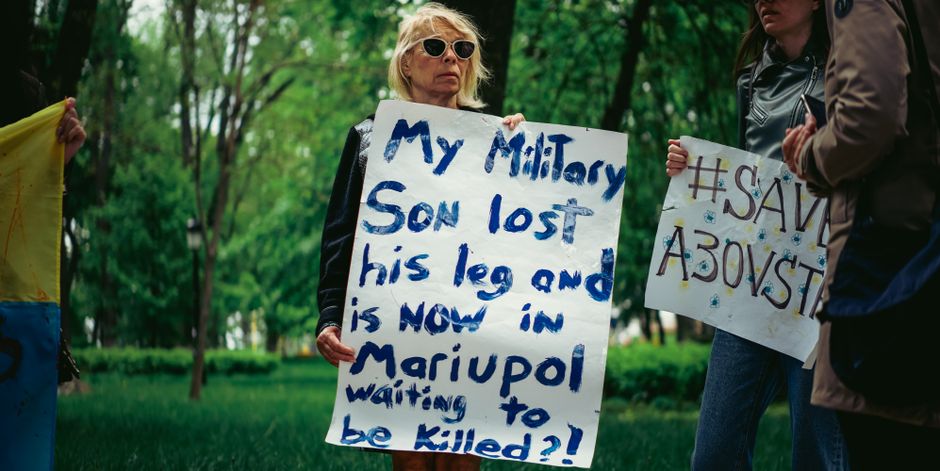
A Nation’s Hope: Ukraine Waits Tearfully for Sons, Prisoners of War, Their Quotation of the Day a Silent Plea.
The stark reality of protracted conflict often reduces the grand narratives of war to intensely personal, agonizing wait. For countless Ukrainian families, this reality is embodied in the agonizing limbo of their sons, husbands, and fathers held as prisoners of war (POWs). Their “quotation of the day” is not spoken in words, but etched in the relentless cycle of hope and despair, in the tearful anticipation of news, and the desperate clinging to the possibility of return. This article delves into the profound emotional landscape of these families, exploring the psychological toll, the societal impact, and the unwavering spirit that defines their daily existence, framed by the potent imagery of waiting for their beloved POWs.
The absence of a loved one is a void, but the absence of a POW is a void shrouded in uncertainty. Unlike the definitive grief of loss, the POW situation is characterized by an ever-present flicker of hope, a torment that prevents true closure. For the families of Ukrainian POWs, each day begins with the silent question: will today be the day? This question fuels a poignant routine. Mornings are often marked by a desperate scan of news feeds, social media, and official channels, searching for any hint, any whisper of an exchange or release. The internet, a conduit for connection and information, becomes a double-edged sword, offering both the potential for news and the constant risk of encountering fabricated reports or disheartening silences. Families meticulously follow reports from organizations like the International Committee of the Red Cross (ICRC) and the United Nations, whose limited direct influence on POW exchanges can amplify feelings of helplessness.
The “quotation of the day” for these families transcends spoken words. It is the trembling hand reaching for a worn photograph, the hushed conversations with other families in similar predicaments, sharing coping mechanisms and the latest unsubstantiated rumors. It is the quiet prayer offered at dawn, the silent plea sent out into the ether. The emotional burden is immense. Anxiety is a constant companion, manifesting in sleepless nights, loss of appetite, and a pervasive sense of dread. Depression can set in, fueled by the prolonged stress and the feeling of powerlessness. Some individuals develop what is known as “anticipatory grief,” a state of mourning for a loss that has not yet occurred but is perceived as inevitable. This psychological strain is exacerbated by the lack of concrete information. Rumors, often circulating with alarming speed, can create fleeting moments of elation followed by crushing disappointment, further destabilizing emotional well-being.
The societal fabric of Ukraine is deeply interwoven with the stories of its defenders, and the POW situation creates a ripple effect across communities. In villages and towns, the empty chairs at family gatherings and the absence of familiar faces in local shops serve as constant reminders of the ongoing conflict and the sacrifices being made. Support groups, both formal and informal, have emerged as vital lifelines. These groups provide a safe space for families to share their experiences, find solidarity, and offer practical and emotional support. The collective strength found in these communities is a powerful antidote to the isolation that can accompany such a traumatic experience. These support networks often become the collective “quotation of the day,” a shared understanding of suffering and a unified voice demanding the return of their loved ones.
The Ukrainian government, while facing immense wartime pressures, has made POW repatriation a priority. Diplomatic efforts are relentless, albeit often behind closed doors and subject to the unpredictable dynamics of international relations and military operations. The Ministry of Reintegration of Temporarily Occupied Territories and the Ministry of Defense are central to these efforts, working with international partners to negotiate exchanges. However, the complexity of the geopolitical landscape means that progress can be slow and often punctuated by setbacks. The constant news of potential exchanges, followed by their eventual postponement or failure, adds another layer of emotional torment for the waiting families. The perceived lack of tangible results, however unjust it might be, can lead to frustration and a sense of being forgotten, despite the very real efforts being made.
The international response to the plight of Ukrainian POWs is multifaceted. Human rights organizations actively monitor the treatment of POWs, advocating for adherence to international humanitarian law, including the Geneva Conventions. Reports of mistreatment or abuse of POWs by the occupying forces only serve to heighten the anxiety and fear of their families. The international community’s role in facilitating exchanges, providing humanitarian aid, and exerting diplomatic pressure is crucial, though its effectiveness can be inconsistent. The global spotlight, while providing some advocacy, can also feel distant and impersonal to those enduring the daily agony of waiting. The “quotation of the day” from an international observer, while well-intentioned, cannot replicate the tangible relief of a loved one’s safe return.
The psychological resilience of Ukrainian families in the face of such prolonged uncertainty is remarkable. This resilience is often rooted in deeply held cultural values, faith, and the unwavering love for their sons and husbands. The concept of duty and sacrifice, so central to the Ukrainian narrative of resistance, provides a framework for understanding the current situation, even as it inflicts immense pain. The hope for return is not passive; it is an active, daily endeavor. It involves maintaining routines, finding moments of joy amidst the sorrow, and drawing strength from the knowledge that they are not alone. The “quotation of the day” in these instances is the quiet determination to carry on, to preserve the home and the family in anticipation of their loved ones’ return.
The long-term implications of this prolonged POW situation are significant. For the returning POWs, the journey of reintegration into civilian life will be fraught with challenges. They will need extensive physical and psychological rehabilitation to cope with the trauma of captivity. The families themselves will also require support to navigate the emotional aftermath of prolonged separation and the readjustment to life with their returned loved ones. The scars of war are not only physical but deeply emotional, and addressing these will be a critical aspect of Ukraine’s post-conflict recovery. The current waiting period is thus not just an interim stage; it is an ongoing experience that shapes the future of these individuals and families.
The symbolism of the “quotation of the day” for Ukrainian families waiting for their POW sons is a powerful metaphor for their collective experience. It represents the unspoken, the immeasurable, the daily struggle against despair. It is the silent scream of a nation holding its breath, yearning for the return of its brave sons. The global community must continue to lend its voice to this silent plea, to advocate tirelessly for the release of all Ukrainian prisoners of war. The ultimate “quotation” they seek is not from a news report or a diplomatic communiqué, but from the joyous reunion, the embrace of a son returned home, a testament to their enduring love and unwavering hope. This unwavering hope, this quiet tenacity, is the most potent quotation of all, echoing across Ukraine with every passing day.
