The vast and multifaceted culinary landscape of China represents one of the most diverse food cultures in the world, making the task of identifying a definitive list of essential dishes a monumental challenge. With eight major regional cuisines—Cantonese, Sichuan, Jiangsu, Zhejiang, Fujian, Hunan, Anhui, and Shandong—the country offers a spectrum of flavors ranging from the delicate, umami-forward profiles of the coast to the fiery, numbing spices of the inland provinces. For travelers and culinary enthusiasts seeking to navigate this expansive territory, an introductory roadmap of iconic dishes is not merely a convenience but a necessity for achieving a well-rounded understanding of Chinese gastronomy.

The Historical Evolution of Chinese Imperial Cuisine
Chinese culinary history is deeply intertwined with the shifting seats of political power. The evolution of dishes like Peking Duck (Beijing Kao Ya) serves as a testament to this, with roots dating back over 1,500 years. Historical records suggest the foundations of roasted duck preparations were established in Nanjing during the Six Dynasties period. However, the dish underwent a significant transformation during the 15th century when the Ming Dynasty moved the capital to Beijing. This migration of the imperial court forced chefs to refine techniques to suit the northern climate and the refined tastes of the aristocracy. The result was the iconic presentation of thin, crispy skin and succulent meat, served with scallions, cucumbers, and sweet bean sauce, which has since become a global symbol of Chinese culinary sophistication.
Nanjing, however, retains its claim as the true "duck capital." The city’s obsession with the bird is evident in a local street food staple: vermicelli soup with duck blood. This dish, which utilizes the entire bird—including offal like liver and gizzards—in a rich bone broth, represents the "nose-to-tail" philosophy inherent in Chinese home cooking, designed to minimize waste while maximizing flavor intensity.

The Art of Texture and Technical Precision
Beyond royal banquets, much of China’s culinary reputation rests on technical mastery, particularly in the realm of steamed seafood. Cantonese steamed fish is a quintessential example of how simplicity belies complexity. The success of the dish relies entirely on timing, which varies based on the size of the catch and the caloric output of the stove. Chefs must achieve a delicate balance where the fish is cooked through but remains moist, preventing the flesh from adhering to the bone or losing its structural integrity.
Similarly, the concept of wok hei—the "breath of the wok"—is a foundational element of Chinese cooking. This refers to the complex chemical reactions that occur when ingredients are stir-fried at extremely high temperatures, imparting a unique, charred aroma to dishes like fried rice or chow fun. This technique requires not only high-quality heat sources but also the precise timing and movement of the chef, serving as a marker of professionalism in kitchens across the Pearl River Delta.

Regional Diversity: From Sichuan Spice to Fujian Umami
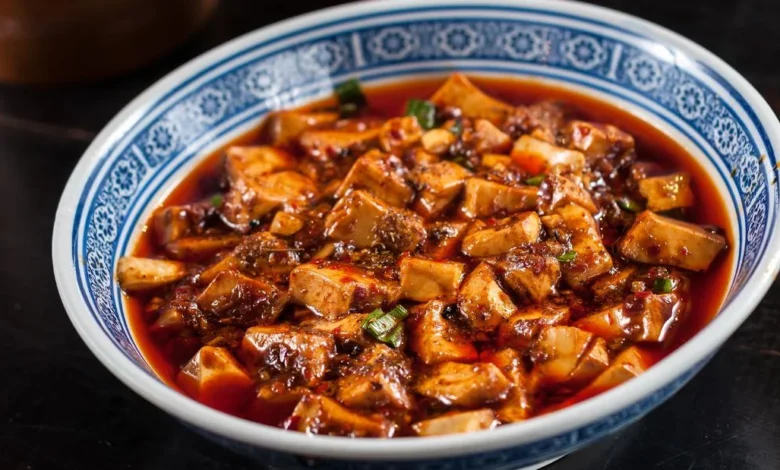
The regional differentiation within China is perhaps best exemplified by the contrast between Sichuan and Fujian cuisines. Sichuan cuisine is defined by its use of the "numbing" ma (Sichuan peppercorn) and "spicy" la (chili) profile. Dishes such as Mapo Tofu and Dan Dan Mian are global ambassadors for this style. The former, a dish of tofu in a spicy, oily sauce, traditionally relies on Hanyuan peppercorns and broad bean paste from the Pidu district to achieve its signature depth.
In contrast, Fujian cuisine, often characterized by its proximity to the ocean and mountainous terrain, focuses on preserving the original umami of ingredients. A prime example is the use of binlang yu, a specific breed of yam, in taro paste desserts. This focus on natural sweetness and texture highlights the Fujianese preference for understated elegance. Furthermore, the region’s contribution to the dumpling canon, such as rouyan (pork-wrapper dumplings), illustrates a creative approach to texture, where the wrapper itself is composed of pounded pork and flour, creating a distinctively chewy mouthfeel.

Street Food and the Culture of Convenience
China’s street food culture provides a window into the daily lives of its citizens. The jian bing guozi of Tianjin is a masterclass in morning convenience. Composed of a mung bean crepe, eggs, scallions, and a deep-fried crisp called guozi, this handheld breakfast item represents the intersection of accessibility and nutritional density.
Similarly, the rou jia mo found in Xi’an is often cited as the world’s oldest burger. Its historical significance is as palpable as the taste of the braised pork belly, simmered in a blend of star anise, cinnamon, and cloves. The craftsmanship of the mo (flatbread) is strictly regulated by local standards, with "chrysanthemum-patterned" toasting on the surface serving as a hallmark of quality.

The Symbolic Power of Comfort Foods
Certain dishes in China carry cultural weight that transcends mere nutrition. Tangyuan (sweet rice balls) are synonymous with the Lantern Festival and the concept of family reunion. The preparation, featuring a sticky rice exterior and a filling of black sesame, sugar, and lard, is a staple of Ningbo’s culinary heritage.
Meanwhile, congee serves as the country’s universal comfort food. Whether served plain or fortified with century eggs, pork floss, or pumpkin, it is viewed as a therapeutic staple. This aligns with the broader Chinese medicinal philosophy of "food as medicine," which is most evident in the long-simmered herbal soups of the Cantonese tradition. These soups, infused with seasonal ingredients, are believed to restore the internal balance of the body, reflecting a dietary culture that views eating as a holistic practice rather than just a source of energy.

Data-Driven Perspectives on the Global Influence of Chinese Cuisine
The global proliferation of Chinese food has turned regional specialties into household names. Industry reports indicate that Chinese restaurants constitute a significant portion of the international dining market, with a consistent demand for "authentic" regional experiences. For instance, the popularity of xiaolongbao (soup dumplings) has grown exponentially over the last two decades, driven by a global appreciation for the precise craftsmanship required to pleat the dough and encapsulate the hot broth inside.
The economic impact of these dishes is substantial. Local governments in regions like Sichuan and Guangdong have invested in culinary tourism, branding their specific dishes as regional assets to attract domestic and international travelers. This "gastronomic diplomacy" has been effective, with food serving as a primary driver for regional tourism in areas like Xi’an, Chengdu, and Shunde.

Broader Implications and Future Trends
As the culinary world moves toward more sustainable and ingredient-focused dining, the traditional Chinese emphasis on utilizing the entire animal—seen in dishes ranging from the vermicelli duck blood soup of Nanjing to the offal-based yun cheung sausages of the south—is gaining renewed relevance. Furthermore, the focus on seasonal, therapeutic ingredients in soups and porridges is resonating with a global consumer base increasingly interested in functional foods.
The future of Chinese cuisine likely lies in this balance between honoring deep-seated historical techniques and adapting to a global palate. While the fundamental recipes for dishes like Dongpo Rou or Char Siu remain protected by generations of tradition, the interpretation of these classics continues to evolve in both fine-dining establishments and humble street stalls. By exploring these essential dishes, one does not merely sample a menu; one gains insight into the history, geography, and social values of a civilization that has centered its identity around the dining table for millennia.