Robert Eggers Seeks Departure From Horror Genre Following Werwulf Release and Upcoming Shakespeare Project

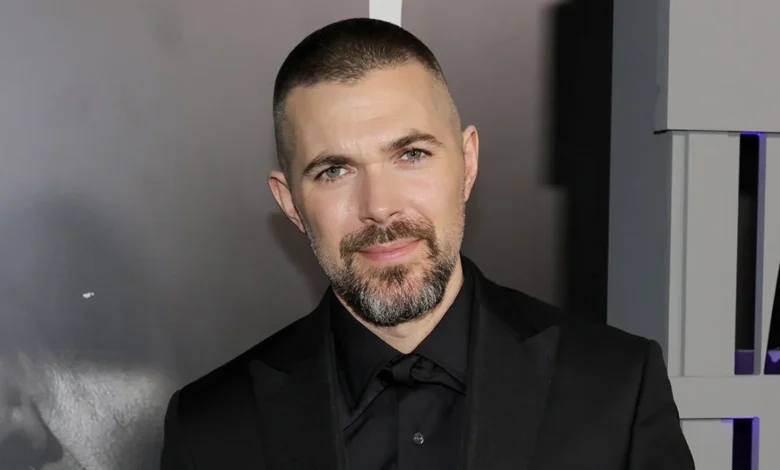
After nearly a decade of defining the modern landscape of atmospheric cinema, acclaimed filmmaker Robert Eggers has signaled a deliberate shift in his creative trajectory. Known for his meticulous attention to historical detail and his penchant for psychological dread, Eggers recently indicated that he is stepping back from the horror genre, a space he has dominated since his breakout feature in 2015. The announcement, made during a public appearance in Mexico, comes at a pivotal juncture in his career as he prepares to release his latest project, the 14th-century period piece Werwulf.
For audiences and industry analysts alike, this transition marks the conclusion of a creative cycle that saw Eggers become synonymous with a specific brand of dark, folklore-driven storytelling. His decision to pivot toward more traditional narrative structures—specifically an adaptation of William Shakespeare’s Romeo and Juliet—suggests a desire to evolve beyond the constraints of genre filmmaking, even as he acknowledges the profound impact his work has had on contemporary cinema.
A Decade of Cinematic Darkness: The Eggers Chronology
To understand the magnitude of Eggers’ decision, one must look at the body of work he has amassed over the last ten years. His filmography is a testament to the evolution of the horror genre, moving from low-budget independent roots to expansive, high-production spectacles.
The journey began in 2015 with The Witch, a film that effectively launched the "A24 horror" aesthetic. Set in 17th-century New England, the film explored themes of religious paranoia and supernatural isolation, earning critical acclaim and establishing Eggers as a master of period-accurate horror. This was followed in 2019 by The Lighthouse, a surrealist descent into madness starring Willem Dafoe and Robert Pattinson. The film’s claustrophobic setting and technical prowess further cemented Eggers’ reputation for crafting immersive, often unsettling cinematic experiences.
In 2024, Eggers expanded his reach into the foundational texts of the genre with a remake of Nosferatu. By tackling the grandfather of vampire cinema, Eggers demonstrated his ability to honor horror history while infusing it with his own unique, disturbing vision. Now, with the imminent release of Werwulf on Christmas Day, Eggers appears to be capping off this period of his career. Werwulf, which follows a man (Aaron Taylor-Johnson) and his family terrorized by a beast in medieval England, serves as the latest in a long line of monster-centric narratives that have defined his work to date.
The Evolution of Elevated Horror
During the Q&A session in Mexico, Eggers provided a nuanced analysis of the term "elevated horror," a label often applied to his own work and that of his contemporaries. The term, which emerged in the mid-2010s to describe horror films that prioritize character development and thematic depth over jump scares, is one that Eggers views with a mix of acknowledgment and skepticism.
"There’s always been horror movies that don’t suck and there’s always been horror movies that are actually probing what darkness is in humankind," Eggers noted. He traced the modern iteration of this trend to the 2014 film It Follows, while acknowledging that directors like Ti West were pioneering this stylistic approach even earlier.
Eggers argues that the current landscape of the genre is less about a formal "elevation" and more about talented filmmakers finding a pathway to funding. For many, the horror genre has become a vehicle for personal expression. Because audiences have demonstrated a consistent, growing hunger for genre films over the past decade, producers have been more willing to finance projects that might otherwise be considered too niche or experimental. By wrapping deeply personal, character-driven stories in the guise of horror, these filmmakers have managed to maintain creative control while achieving commercial viability.
The Strategic Shift Toward Shakespeare
Eggers’ decision to walk away from the horror genre was not a sudden impulse, but rather a reflection of the creative exhaustion that follows long-term immersion in dark themes. Following the completion of Werwulf, Eggers revealed that he had begun drafting another horror script, but found the subject matter too taxing.
"I was writing another horror movie, and it got so dark again, and I was like, ‘I need a break. So, I’ll do something about two teenagers killing themselves,’" he remarked, referring to his upcoming project: an adaptation of Romeo and Juliet for Focus Features.
This transition from supernatural terror to Shakespearean tragedy represents a calculated move. While Romeo and Juliet is inherently violent and tragic, it offers a different kind of darkness—one rooted in human emotion and societal friction rather than the monsters and spectral entities that populated his previous work. For Eggers, the project offers a return to the theatrical and linguistic roots of his background in stage production, providing a palate cleanser after years of crafting nightmares.
Industry Implications and Market Trends
The departure of a director of Eggers’ caliber from the horror genre has broader implications for the film industry. Over the last ten years, the "prestige horror" market has seen significant growth. According to industry reports from firms like Comscore and Box Office Mojo, horror remains one of the most consistently profitable genres in cinema, boasting a high return on investment compared to other blockbuster genres.
The success of filmmakers like Eggers, Ari Aster, and Jordan Peele has signaled to major studios that horror can be both critically lauded and commercially successful. As Eggers exits this space, the industry is left to consider who will fill the void. The "horror" label has become a powerful brand, and as Eggers noted, the audience hunger for these stories remains undiminished.
However, Eggers’ exit also highlights the potential for "genre fatigue" among creators. When filmmakers are pigeonholed into a specific category, the pressure to consistently deliver high-stakes, terrifying content can stifle long-term creative longevity. By moving toward the classics, Eggers is exercising his right to artistic evolution, ensuring that he does not become a prisoner of the very genre he helped revitalize.
Future Outlook
As the release of Werwulf approaches, anticipation is high. The film’s cast, including Taylor-Johnson, Lily-Rose Depp, and Willem Dafoe, reflects the caliber of talent Eggers has consistently attracted. Yet, the conversation surrounding the film is increasingly centered on what comes next for the director.
Will his departure from horror be permanent, or is it merely a sabbatical? Eggers himself remains non-committal. "I don’t need to do The Mummy or The Phantom of the Opera. Not to say that I won’t, but I think I need a break," he admitted.
This uncertainty is standard for a director of his profile, whose projects are known for long gestation periods and meticulous pre-production. For the moment, the industry watches as Eggers moves into the world of the Bard. Whether this pivot will redefine his career or simply add another layer of complexity to his filmography remains to be seen. What is clear, however, is that Robert Eggers is finished with the "House of Horror" he has built, at least for the foreseeable future, choosing instead to explore the timeless, equally dark, and profoundly human corridors of Shakespearean drama.
The shift serves as a reminder that even the most iconic voices in genre cinema are subject to the same need for renewal as any other artist. As Werwulf prepares to hit theaters this Christmas, it stands as both the latest entry in a celebrated filmography and the final chapter of a ten-year era in modern filmmaking.