President Trump Weighs In on the 2028 Presidential Field, Spotlighting JD Vance and Marco Rubio While Assessing Democratic Contenders

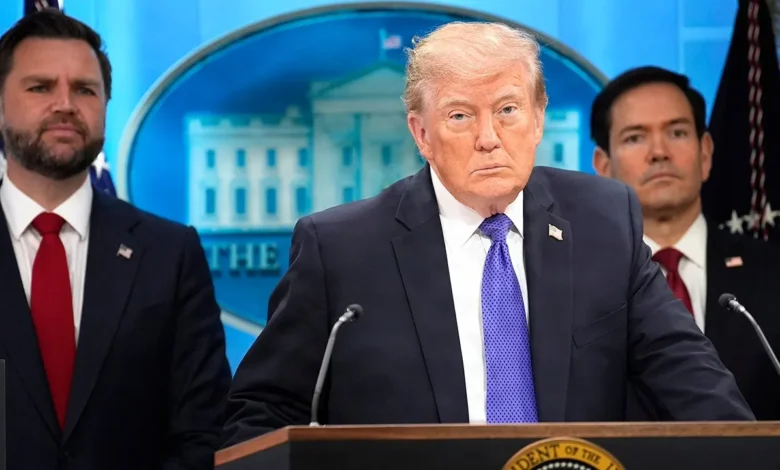
The landscape of American presidential politics is once again shifting toward the horizon as key political figures begin positioning themselves for the 2028 election cycle. Speaking recently on Fox News’ Saturday in America with host Kayleigh McEnany, President Donald Trump offered his assessments of the emerging political field for both the Republican and Democratic parties. During the broad-ranging interview, the president singled out Vice President JD Vance and Secretary of State Marco Rubio for high praise, describing them as exceptionally popular and performing "fantastically" in their respective high-profile roles.
As the mid-term political cycle gives way to early speculation regarding who will seek to succeed the current administration, the president’s remarks underscore the shifting dynamics within the Grand Old Party (GOP) and provide a glimpse into how the White House views the potential pathways for both parties heading toward 2028. While it remains early in the electoral calendar, political analysts are already dissecting the potential implications of Trump’s endorsement-heavy commentary, the possible configuration of the Republican primary field, and the evolving strategy of the Democratic opposition.
The Republican Field: Vance, Rubio, and the Potential Successors
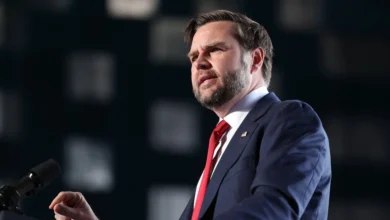
During the discussion with McEnany, President Trump pointed directly to the executive branch’s current leadership team when asked about the future of the conservative movement. Highlighting Vice President JD Vance and Secretary of State Marco Rubio, Trump emphasized their widespread appeal and effective governance.
"On the Republican side, you know, you could have—there are quite a few people that could be very good. Obviously, JD’s vice president, Marco is right up there. The two of them are doing fantastically," Trump stated during the interview. "They’re both very, very popular. But you could have some surprises. We have some very capable people."
The inclusion of Vance and Rubio at the forefront of the 2028 conversation highlights their elevated status within the national conservative apparatus. Since taking office, both men have commanded significant media attention and maintained robust profiles among the Republican base and moderate voters alike. Vance, who transitioned from the U.S. Senate to the vice presidency, has maintained an active role in shaping domestic policy and addressing economic concerns, while Rubio, managing America’s foreign policy apparatus as Secretary of State, has been instrumental in navigating complex international relationships.
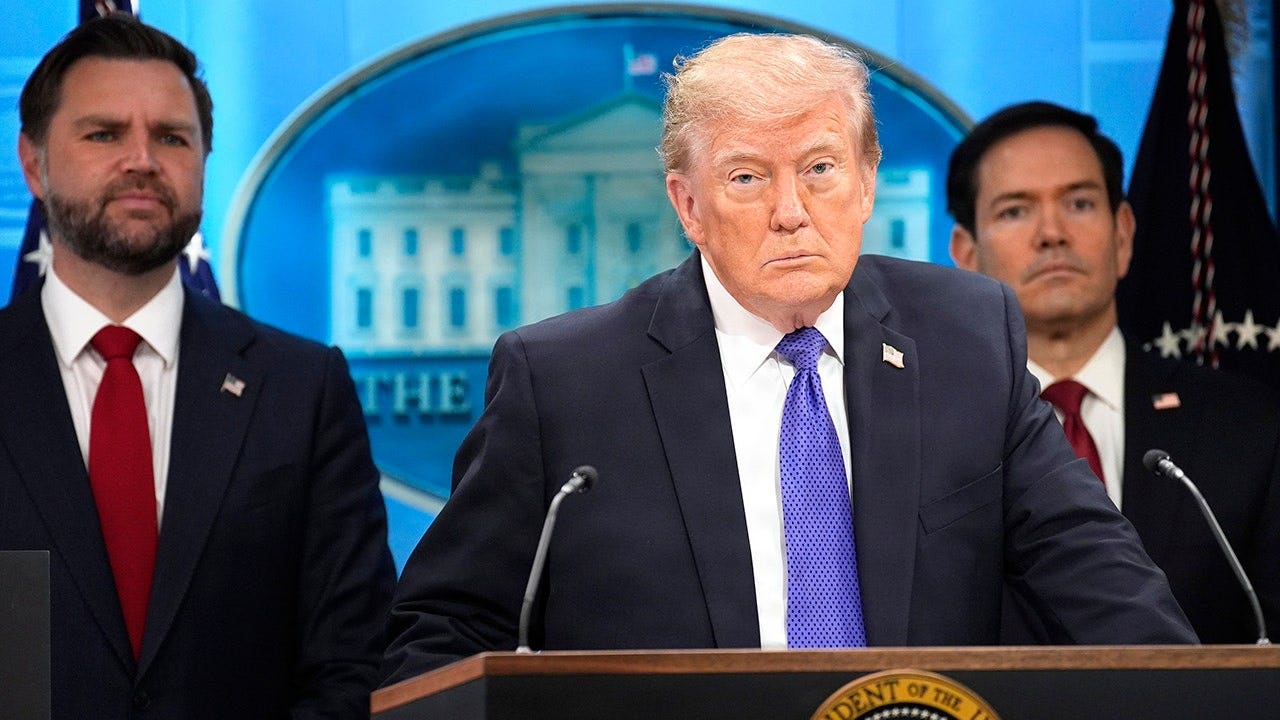
However, the Republican bench for 2028 extends far beyond the vice president and the secretary of state. Several other prominent figures have frequently been cited by political observers as potential contenders for the GOP nomination. This expanded list features notable executive and legislative leaders, including Texas Senator Ted Cruz, Florida Governor Ron DeSantis, former Vice President Mike Pence, former Georgia Governor Brian Kemp, and former Virginia Governor Glenn Youngkin. Each of these individuals brings a distinct constituency, fundraising network, and policy focus to the table, ensuring that any future Republican primary or nomination process will be intensely competitive.
Evaluating the Democratic Field: Familiar Faces and Dark Horse Possibilities
Shifting his focus across the aisle, President Trump offered analytical commentary on how the Democratic Party might structure its ticket for the upcoming cycle. Observing the early moves within the opposition, Trump expressed mild surprise at the early positioning of former Vice President Kamala Harris, who remains a central figure in national Democratic politics following her 2024 campaign.
In addition to Harris, Trump noted the growing prominence of New York Representative Alexandria Ocasio-Cortez, suggesting that her visibility within the party continues to rise. However, the president also cautioned against assuming that the Democratic nominee will necessarily emerge from the current roster of household names.
"I think AOC is doing well and just watching that, you know, look you could have people. And most likely, I think, at least on the Democrat side, you’re going to have maybe somebody that nobody ever heard of," Trump remarked. "That’s a real possibility. Somebody that maybe is very good but not known."
This perspective aligns with historical precedent in American politics, where both major parties have frequently nominated relatively obscure governors or senators who managed to capture the public imagination during primary season. The Democratic Party’s path to 2028 will likely involve a fierce internal debate between its progressive and moderate wings, as leaders seek a unifying figure capable of bridging ideological divides and appealing to a broad national electorate.
Open Primaries Versus Unity Tickets: Strategic Considerations

A central question posed during the interview was whether the Republican Party should pursue an open primary featuring robust, competitive debates, or instead coalesce around a predetermined "unity ticket" to streamline resources and project strength.
President Trump suggested that either approach remains viable, noting the distinct financial and strategic advantages of avoiding a protracted primary battle. "There could be some great unity tickets. I’ll tell you what, the unity tickets are fantastic. You save all that money, you use it against the Democrats. I think it could be either," he explained.
At the same time, Trump acknowledged the tradition of competitive primaries, signaling that the political season is poised to accelerate rapidly in the coming weeks. Regardless of whether the GOP opts for a consensus ticket or an open contest, the president made it clear that he intends to remain engaged in the process, promising that "we’ll be involved and we’ll be watching."
Broader Implications and the 2028 Timeline
The public discussion surrounding the 2028 presidential election—occurring relatively early in the current presidential term—highlights the constant, forward-looking nature of modern American political strategy. While the immediate focus of Washington remains on legislative priorities, mid-term fallout, and ongoing domestic and international challenges, the invisible primary has effectively begun.
Political scientists note that early endorsements or favorable commentary from a popular incumbent leader can significantly shape donor behavior, media coverage, and grassroots mobilization. For Vance and Rubio, presidential validation serves to solidify their standing among core supporters while placing a target on their backs for rival contenders within the party.
As the political calendar advances toward the mid-to-late 2020s, prospective candidates from both parties will continue to test themes, visit key early-state battlegrounds such as Iowa and New Hampshire, and build out their national networks. Whether the 2028 cycle ultimately produces a continuation of the current administration’s legacy through figures like Vance or Rubio, or introduces an entirely new generation of leadership on both sides of the aisle, the foundational pieces of the next great political battle are already being put into place.