Republican Party Faces Soul-Searching After Midterm Losses as Florida Lawmaker Randy Fine Warns of Difficult Two Years Ahead

The Republican Party is currently engaged in intense national soul-searching following a devastating midterm election cycle that handed Democrats sweeping majorities in both chambers of Congress. While a blue wave reshaped the political landscape across much of the United States, leaving the GOP to sift through the electoral wreckage, select regional strongholds managed to buck the broader trend. Among them was Florida, where Republicans successfully defended the governor’s mansion, retained the state’s Senate seat, and preserved their commanding 20-to-8 advantage in the U.S. House of Representatives.
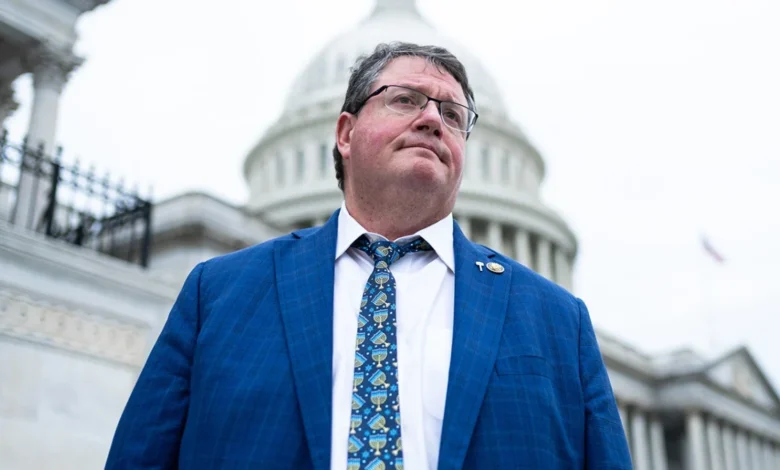
In an exclusive interview with Fox News Digital, Florida Congressman Randy Fine offered a stark and unvarnished assessment of his party’s performance. Fine, who notably expanded his own winning margin by five points to secure a 19-point victory despite a hostile national environment, argued that the national GOP fundamentally misread the electorate. Warning that the party must prepare for a contentious and difficult two years, Fine outlined the challenges ahead as Republicans transition into a defensive posture against a newly empowered Democratic legislative majority.
The National Landscape Versus Regional Resilience
The divergence between Florida’s electoral outcomes and the national results highlights a growing ideological and strategic fracture within the Republican Party. While national exit polls and returns indicated widespread voter dissatisfaction with the GOP’s messaging and policy direction, Florida presented a starkly different narrative. Under the leadership of prominent figures like Byron Donalds—who made history as Florida’s first Black governor—and Attorney General Ashley Moody, the state’s Republican apparatus maintained its footing.
Fine attributed Florida’s success to disciplined message control, strong top-of-the-ticket candidates, and a direct, unapologetic communication style that resonated with voters. In contrast, Fine argued that the national party failed to convince everyday Americans that it understood or cared about their pressing economic and social concerns.
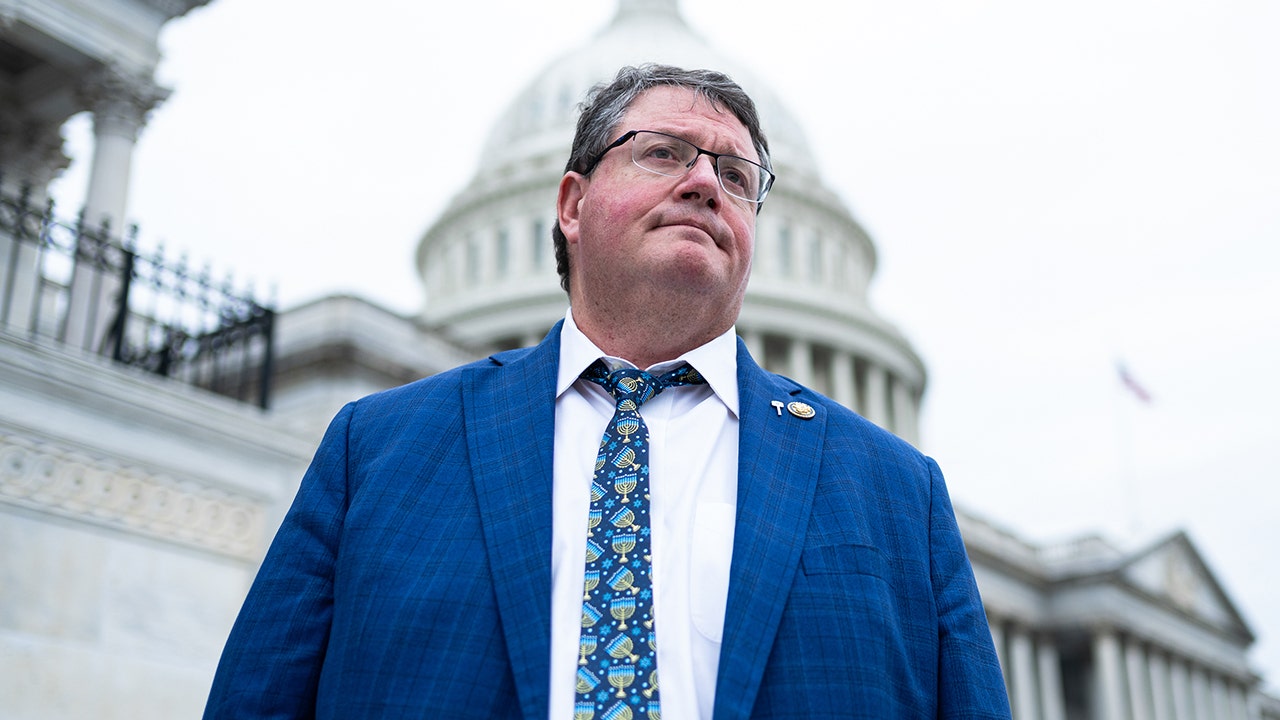
"We’re a team, and the team lost. And so then the whole team bears responsibility, and that includes me," Fine said during the interview. "I think that what we did is we failed to understand what the American people wanted. I think we failed to make them think we cared about them. Now, I didn’t fail in my district, but I think nationally people came to believe that we weren’t interested in them, and that’s wrong."
Chronology of the Midterm Campaign and the Shift in Power
The road to the midterm elections was marked by escalating polarization, intense legislative battles in Washington, and significant shifts in voter demographics across the Sun Belt and the Rust Belt. Over the preceding two years, the political environment was dominated by debates over border security, federal spending, inflation, and cultural curriculum issues in public education.
As the campaign season entered its final stretch in the fall, public opinion polls registered tightening races in key battleground states. However, final tallies revealed that the anticipated national stabilization for the GOP failed to materialize. Instead, high turnout among suburban voters and mobilization around reproductive rights and democratic norms propelled Democratic candidates to unexpected victories in several key Senate and House races.
The turning point of the election night became clear as results rolled in from the Midwest and the Southwest, where changing demographics and shifting voter alignments caught national campaign strategists off guard. For Republicans, the loss of both congressional chambers marks a severe reversal of fortune, setting the stage for a dramatic shift in the balance of power in Washington ahead of the upcoming legislative session.
Preparing for a Defensive Legislative Battle

With Democrats firmly in control of the legislative branch, Republican lawmakers are bracing for an uphill battle over the next two years. Fine emphasized that the party’s immediate future in Congress will be defined by defense rather than offense. Rather than advancing a proactive conservative agenda, GOP legislators will be forced to scrutinize, debate, and push back against Democratic-led policy initiatives.
"I don’t know that we’re going to push the agenda," Fine noted. "I think what we’re going to be is we’re going to be on defense. We’re going to have to fight back… We’re going to be having to fight against stupid policies that they will be pushing. And it’s going to be an ugly two years, but we’re gonna have to explain why all of the things that they said they would do during the campaign are so bad."
Chief among Fine’s concerns is the future of federal immigration policy. He expressed apprehension that a Democratic-led Congress and administration would seek to dismantle existing border restrictions, implement mass amnesty programs, and roll back assimilation requirements for non-citizens. Fine characterized these anticipated policies as a fundamental threat to the cultural and structural integrity of the nation, identifying immigration as the single most critical battleground for the conservative movement in the near term.
Contrasting Strategies: Florida Versus Texas and the Midwest
In analyzing why certain regions weathered the storm better than others, Fine drew a direct comparison between his home state of Florida and Texas, noting that the Lone Star State experienced vulnerability due to demographic shifts and unchecked challenges at the southern border. He suggested that Florida’s proactive approach to governance and cultural debates insulated it from the political turbulence that impacted other conservative strongholds.
Furthermore, Fine expressed deep concern over individual races outside of the South, specifically highlighting the victory of Democratic Senate candidate Abdul El-Sayed in Michigan. Fine, an outspoken critic of El-Sayed, condemned the outcome as a historic low point for the national political discourse, pointing to sharp ideological disagreements over foreign policy and national security as a source of profound division.

The Path Forward for House Leadership
As the Republican caucus prepares to reorganize in the wake of the election losses, questions loom regarding the future leadership of the House Minority. With current leadership configurations shifting, names such as Jim Jordan and Steve Scalise have surfaced in discussions regarding the next caucus leader. Former House Speaker Mike Johnson has already removed himself from consideration for the post, leaving the party to navigate a leadership transition amid the realities of minority status.
Fine declined to endorse any specific candidate for the upcoming leadership elections, noting that internal discussions are still in their infancy as members process the election results and mourn the loss of colleagues.
Broader Implications and Analytical Outlook
Political analysts suggest that the results of the midterms will force a fundamental reevaluation of the Republican Party’s coalition-building strategies, particularly regarding working-class voters, suburban demographics, and policy communication. While regional successes in states like Florida demonstrate that conservative governance can remain popular under specific local conditions, the national apparatus faces mounting pressure to modernize its outreach and policy platforms.
As the 119th Congress prepares to convene, the dynamics between a unified Democratic legislative majority and a defensive, fractured Republican minority will dictate the trajectory of federal policy. For lawmakers like Randy Fine, the coming months will test the resilience of the conservative movement as it seeks to rebuild its credibility and lay the groundwork for future electoral recoveries.
Related posts: