The Shadow of Affordability: Inside a Suburban Free Healthcare Clinic Just Miles from the U.S. Capitol

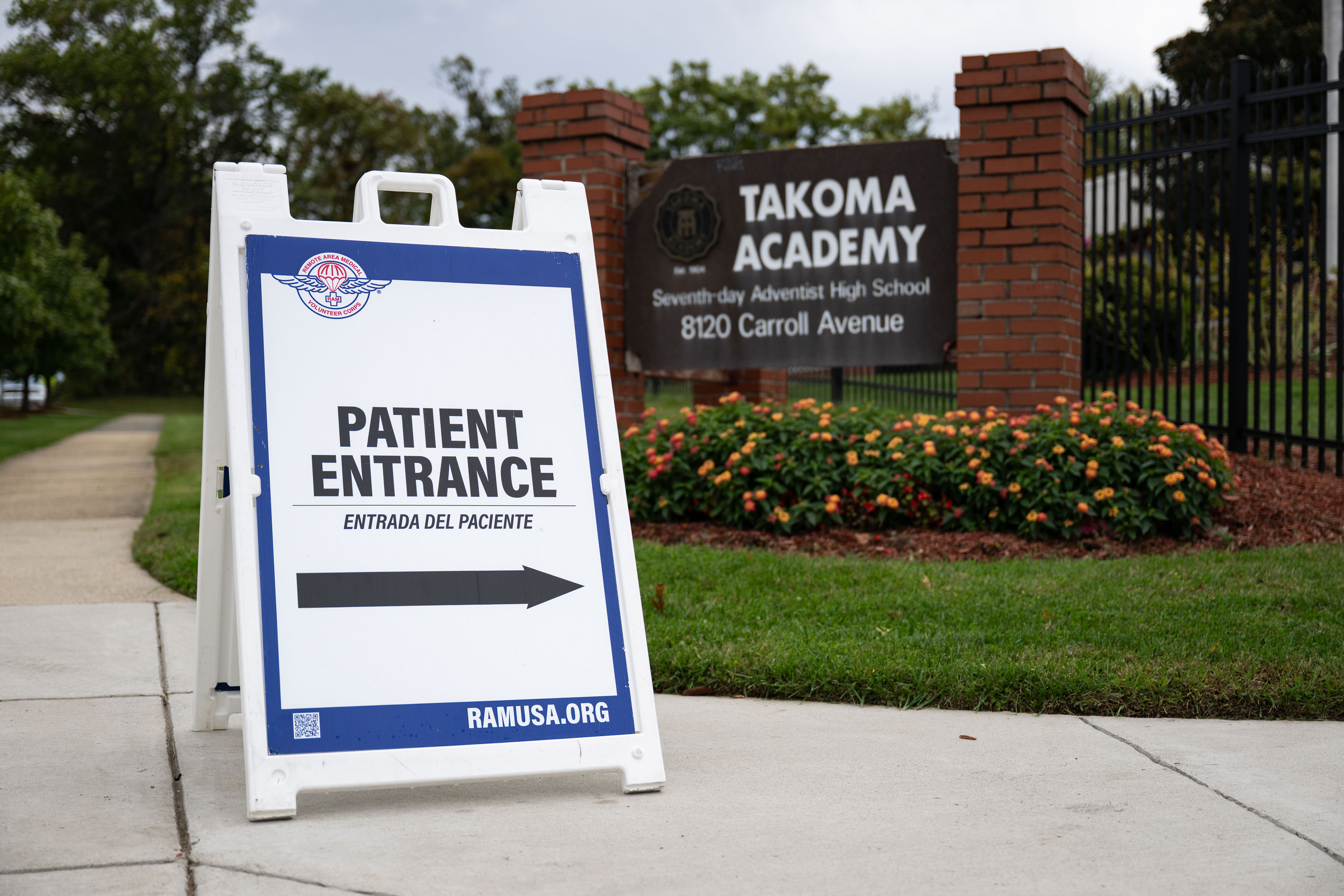
Friday night lights in Takoma Park, Maryland, usually symbolize the heart of American high school culture: packed bleachers, roaring crowds, and the communal celebration of youth sports. But on a crisp October weekend, the campus of Takoma Academy played host to an entirely different kind of spectacle—one that laid bare the punishing economic realities of modern American healthcare.
Instead of football fans, the gymnasium, hallways, and surrounding parking lots were jammed with hundreds of individuals desperately seeking basic medical, dental, and vision care. They arrived not for entertainment, but out of absolute necessity.
Located just eight miles northeast of the U.S. Capitol, this Washington, D.C., suburb boasts a median household income exceeding $108,000, with roughly 94% of its population holding some form of health insurance, according to U.S. Census Bureau data. Yet, the juxtaposition between the area’s statistical prosperity and the desperate human need gathered on the school grounds was stark. As the 2026 election cycle places healthcare affordability at the forefront of voter concerns, this pop-up clinic served as a physical manifestation of a systemic crisis—proving that insurance cards and affluent zip codes no longer guarantee access to basic health and dental services.
A Chronology of Desperation: The Overnight Wait
The operation, organized by the Tennessee-based nonprofit Remote Area Medical (RAM), required logistical precision, but the true measure of the event was told through the endurance of its patients.
Although the clinic’s doors were not scheduled to open until 6:00 a.m. on Saturday, October 17, the human toll of the healthcare gap became evident long before sunrise. The first vehicles began pulling into the Takoma Academy parking lot shortly before midnight on Friday. By 4:00 a.m.—three hours before dawn—approximately 80 cars lined the perimeter, their occupants sleeping in reclining seats or bundled up against the autumn chill.
Upon arrival, clinic coordinators issued numerical tickets corresponding to each patient’s place in line. Rather than forcing freezing attendees to stand outside in endless queues, coordinators implemented a digital system, notifying patients via text message when it was their designated turn to enter the facility.
Among those waiting in the dark was Kenys Bautista, who drove 20 minutes from her home in Wheaton, Maryland, arriving before midnight. Bautista, a payroll specialist for a small local business, had neglected her medical and dental health for three years. She lacked health insurance through her employer and could not afford out-of-pocket costs on her own.
"It’s really sad that a lot of people like me had to sleep in their car just to see a doctor or dentist because we do not have health insurance," Bautista reflected while waiting for her intake.
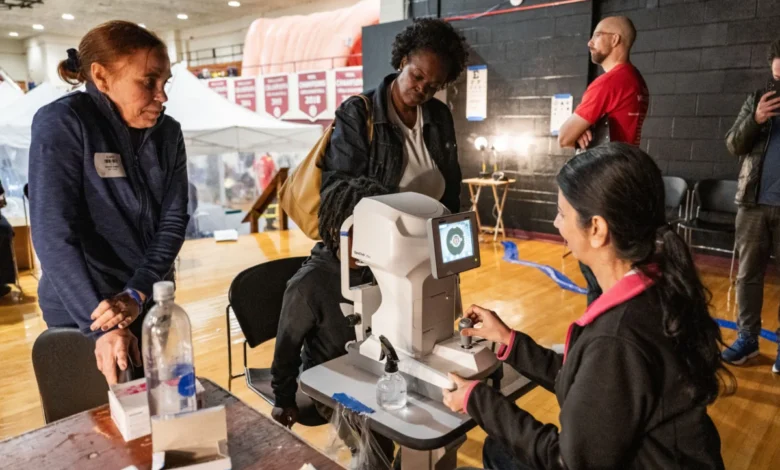
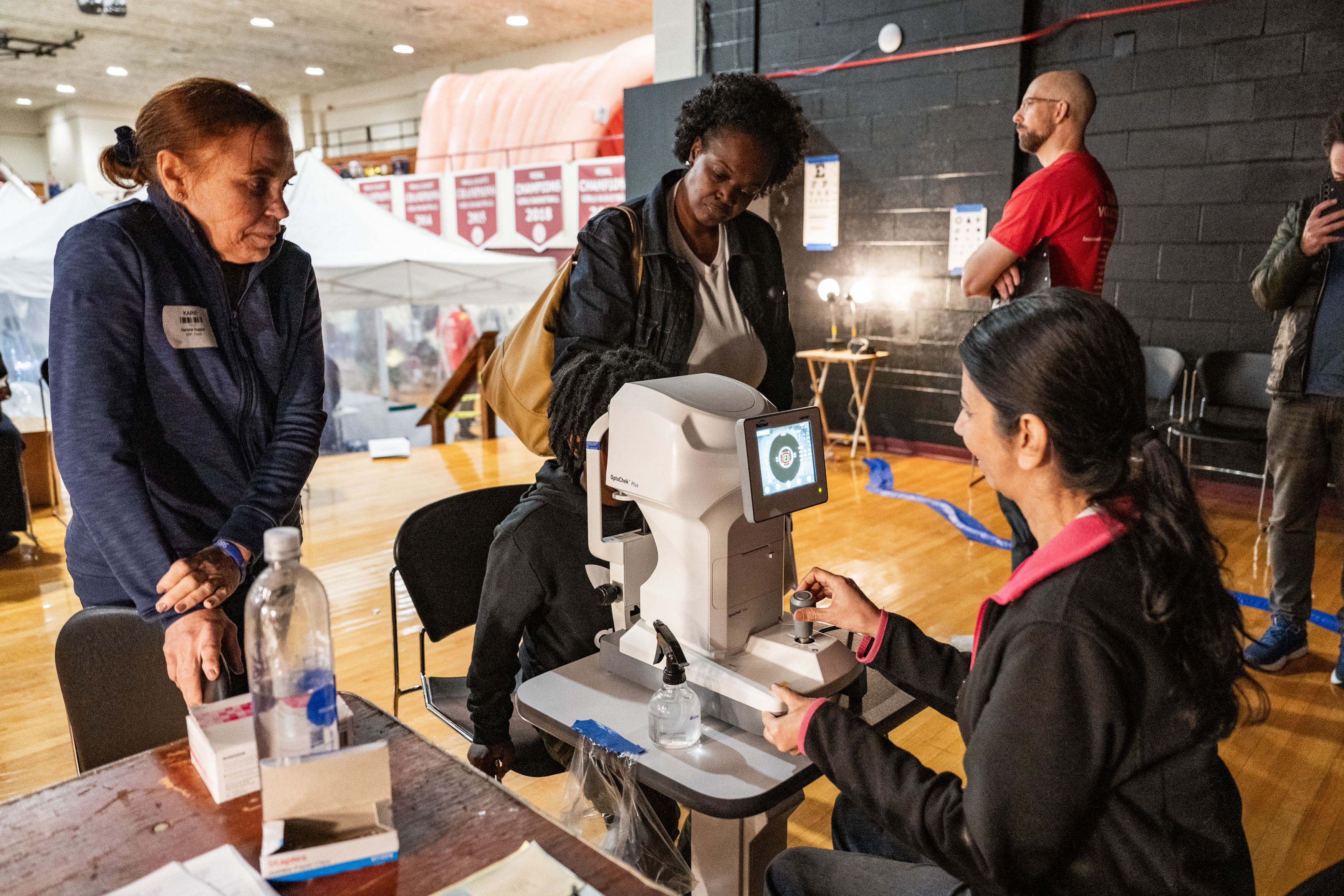
By the end of the weekend event, organizers reported that 467 patients had received critical services. The vast majority were treated for dental and medical issues, while 99 patients received comprehensive eye exams and tailored prescriptions, many walking out with brand-new pairs of eyeglasses fitted on-site.
The Insured Uninsured: When Coverage Falls Short
While a significant portion of the crowd consisted of uninsured individuals, demographic data compiled by RAM revealed a surprising secondary trend: roughly one in four patients arriving at the clinic actually possessed health insurance, ranging from employer-sponsored plans to Medicare.
For these patients, coverage was rendered functionally useless by exorbitant deductibles, restrictive provider networks, and catastrophic copays. Routine dental care, a fundamental component of overall health, is notably absent from standard Medicare benefits, leaving millions of seniors vulnerable to severe oral complications.
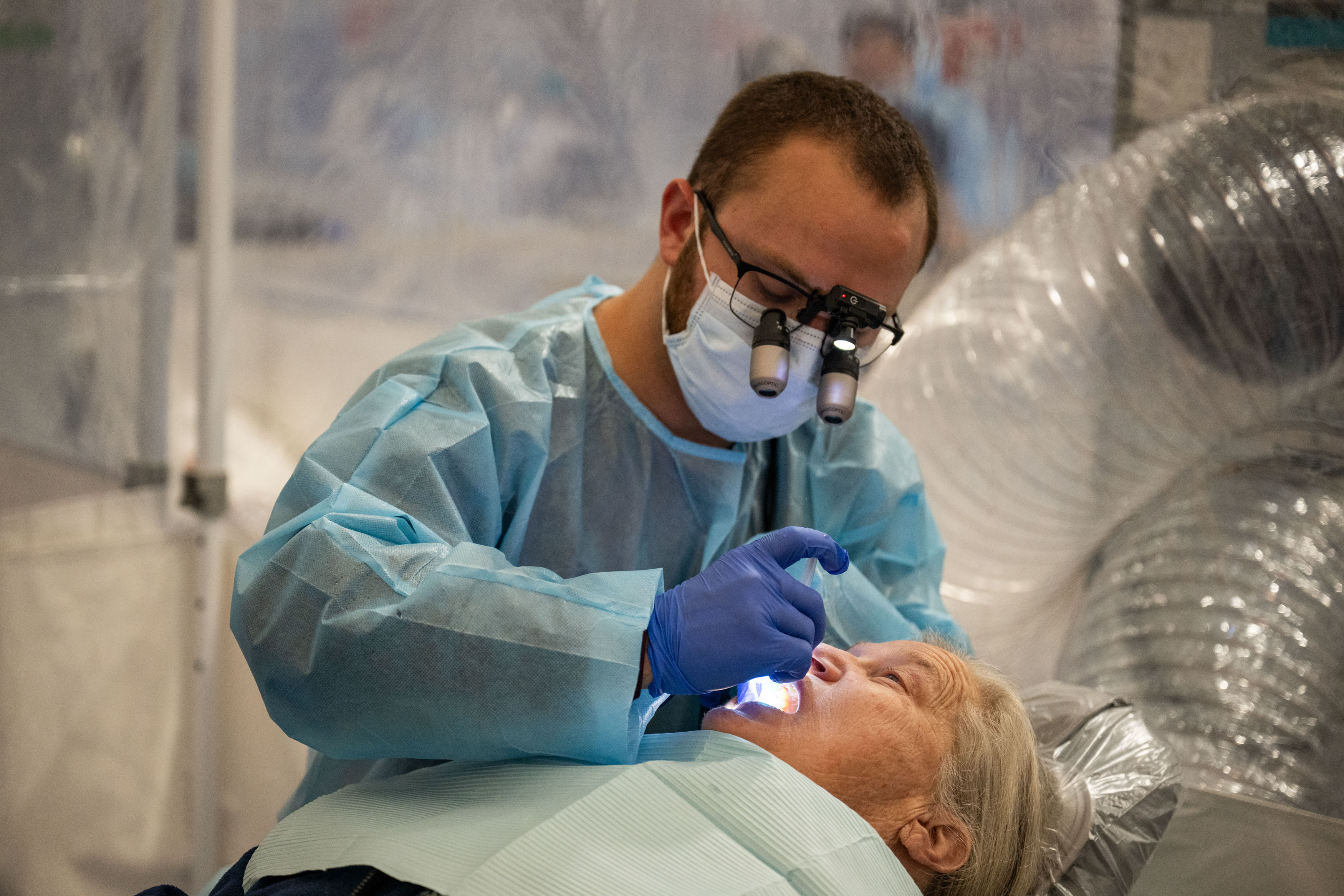
Alma Walton, a 59-year-old resident of Camp Springs, Maryland, embodies this group. Walton relies on Medicare, but when a dental filling cracked over the summer, she found herself priced out of standard dental care. Hoping to secure one of the limited spots, she arrived at the Takoma Academy parking lot at 1:30 a.m., claiming the 59th position in line.
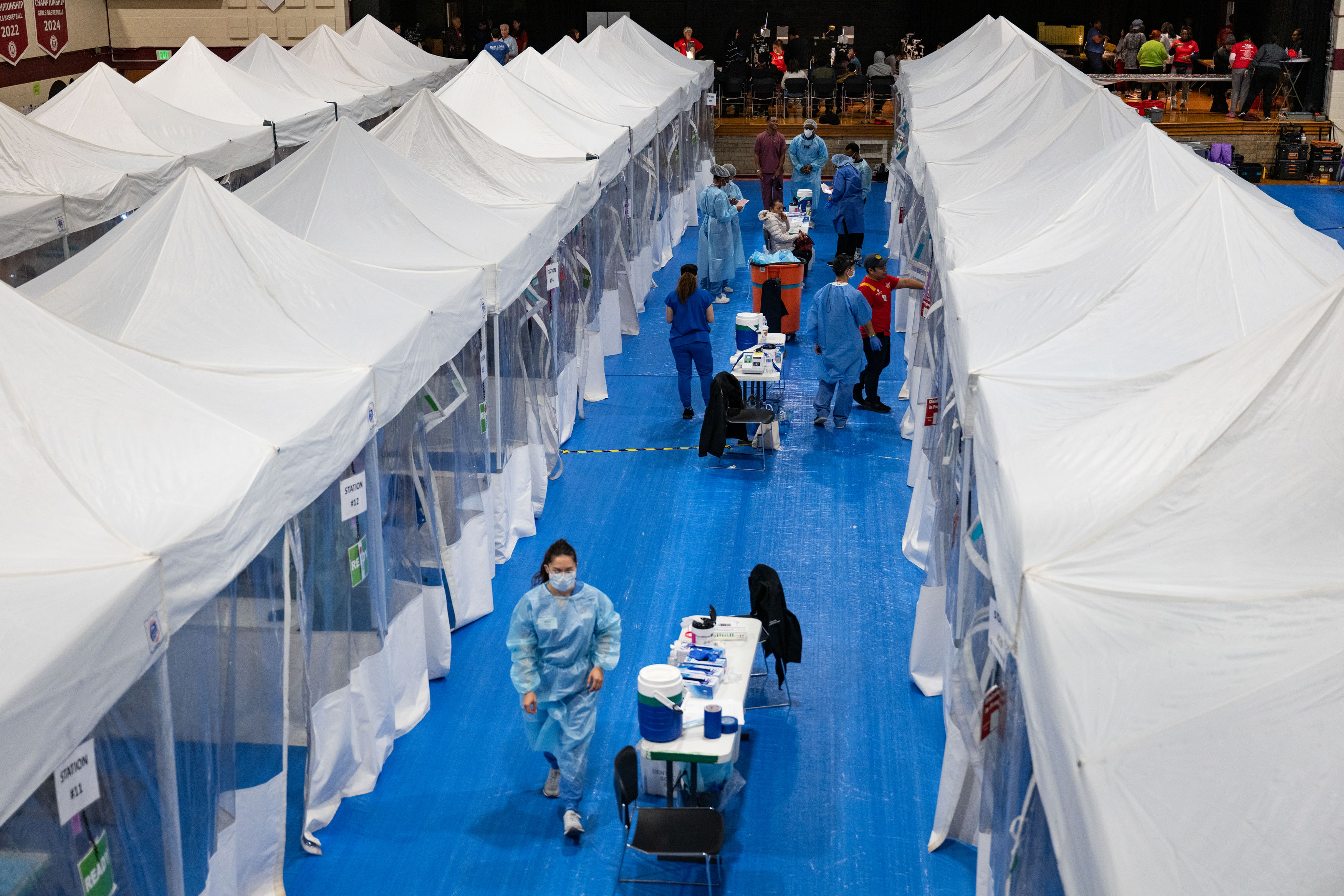
By mid-morning, Walton was reclined in a dentist’s chair inside a specialized treatment tent erected in the school’s gymnasium, where approximately 30 dental stations had been installed. As volunteer dentist John Renzi prepared to drill, he offered a sobering assessment of her timing.
"You got here just in time," Dr. Renzi told her. "Any longer and this tooth would have been a goner."
Walton admitted she never imagined she would need to rely on a charitable pop-up clinic. "I never thought I would need a clinic like this, but it’s gotten so expensive in the world," she said.
Even government employment, historically viewed as a fortress against economic instability, no longer guarantees financial protection from medical debt. Cheromie Johnson, an employee for the District of Columbia government, arrived at the clinic alongside her 6-year-old son, Cairo. Despite her public-sector benefits, a recent dental procedure left her saddled with a staggering $12,000 bill.
Johnson sought vision exams for herself and her son, estimating that the free care provided at the clinic saved them more than $1,000 out of pocket. "This is very important, especially for him in school, and I drive, so we both need to see clearly," Johnson noted. When asked what the sprawling free clinic indicated about the broader American healthcare system, her response was blunt: "It’s poor, and it needs to be revamped. But we all know that."
Mobilizing the Volunteer Force
Remote Area Medical has operated for over 40 years, originally founding its mission on serving historically impoverished, isolated rural populations in regions like Appalachia. However, in recent years, the nonprofit has increasingly expanded its footprint into major urban and suburban centers near metropolitan hubs such as Baltimore, Philadelphia, and the nation’s capital.
The Takoma Academy event relied entirely on a massive mobilization of altruistic labor. More than 300 professionals—including licensed dentists, physicians, optometrists, nurses, and active-duty members of the U.S. Public Health Service—donated their weekend to staff the makeshift hospital.
Survey data collected by RAM at the site underscored the chronic nature of the local care deficit: nearly 40% of patients reported that they had not seen a dental provider outside of a RAM clinic in at least two years. Furthermore, nearly two-thirds stated they had no regular primary care provider, relying instead on hospital emergency rooms as their sole point of medical contact.
Medical volunteers spent much of the weekend identifying and treating chronic conditions exacerbated by a lack of continuous care. Dana Bensinger, a nurse specialist volunteering at the medical triage station, noted that numerous patients presented with unmanaged hypertension and uncontrolled diabetes. Practitioners provided patients with immediate 90-day supplies of essential prescription medications and directed them to community health centers and sliding-scale free clinics for ongoing management.
"We have seen a lot of folks who lose insurance or are not able to keep it, and so they can’t get their prescriptions renewed," Bensinger explained.
In the dental wing, the reality of the backlog was characterized by high-volume, rapid-response interventions. Tom Ritter, a retired dentist volunteering as a triage coordinator, described the approach as "point-and-pull dentistry."
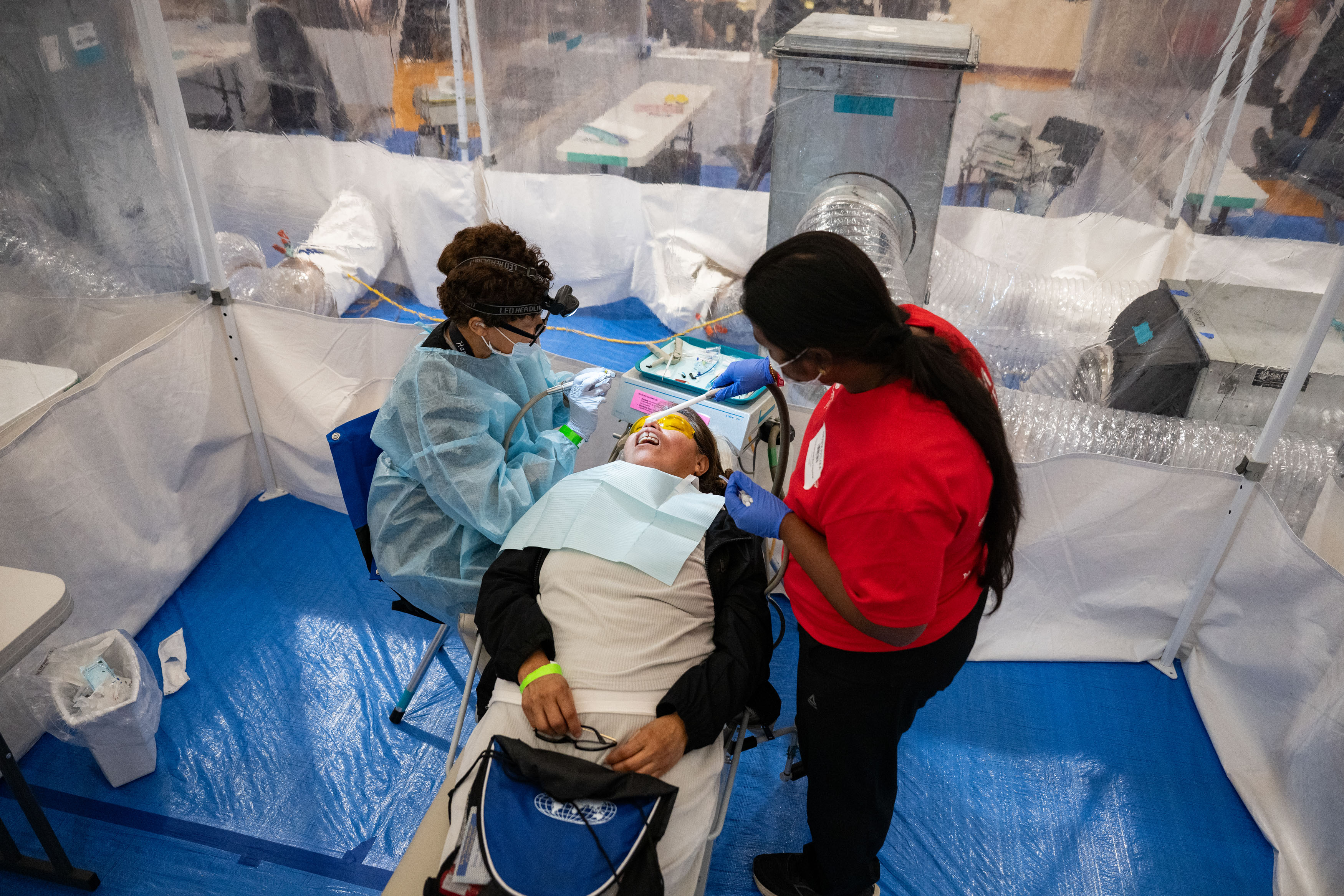
"You point to the tooth you want out, and we take it out," Ritter said, highlighting the tragic frequency with which patients present with teeth beyond saving due to years of deferred maintenance. He added that the severe time and resource constraints mean volunteer dentists must make agonizing compromises: "We have to spread the love around because we have a busy schedule."
Policy Implications and the Broader Economic Landscape
Public health experts argue that scenes like the one in Takoma Park point to structural failures that extend far beyond regional economics. Michel Boudreaux, an associate professor in the Department of Health Policy and Management at the University of Maryland—located just five miles from the clinic site—expressed deep concern over the normalization of charitable healthcare interventions in advanced suburban economies.
"Even in this suburban county, there are a lot of uninsured people struggling with affordability and insured people struggling with high deductibles and copays," Boudreaux said. He characterized the reality of workers and seniors sleeping overnight in cars simply to access basic health evaluations as "disheartening."
John Osborn, the dental director for RAM, took a brief respite on a balcony overlooking the gymnasium floor, which had been transformed into an environment resembling a military triage unit from past decades. Having spent decades observing similar operations nationwide, Osborn expressed little surprise at the massive turnout, noting that the demand for basic care remains stubbornly high regardless of geography.
However, Osborn offered a direct challenge to the political establishment operating just a few miles away in the halls of Congress.
"It would have been nice for them to see what people have to do to get healthcare," Osborn said.
As the 2026 election cycle continues to focus heavily on the cost of living, inflation, and household budgets, the pop-up clinic in Takoma Park stands as a stark reminder. For millions of Americans, the debate over healthcare affordability is not a theoretical policy talking point debated on television—it is a midnight drive to a school parking lot, an overnight wait in a reclining seat, and a race against time to save a decaying tooth.