Beyond the Wurst: A Comprehensive Culinary Journey Through Germany’s Evolving Gastronomic Landscape

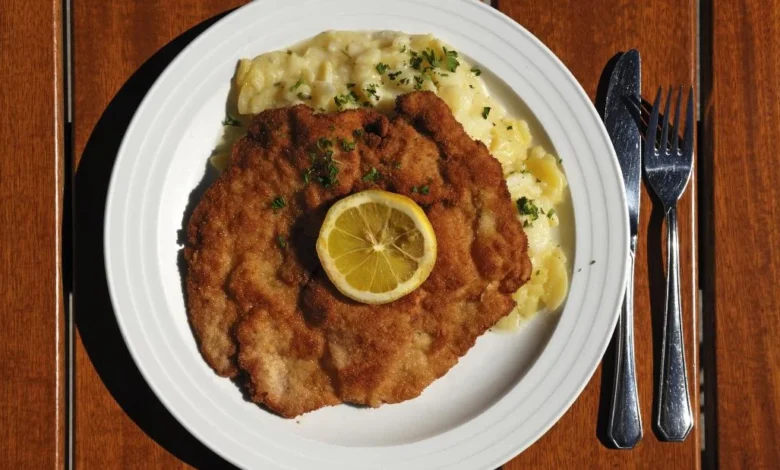
German cuisine is frequently misunderstood by international observers as a monolithic diet of heavy sausages, sauerkraut, and lager. In reality, the nation’s culinary identity is a sophisticated tapestry of regional traditions, historical migration patterns, and a modern commitment to high-quality, locally sourced ingredients. Far from being a static relic of the past, German food culture is a dynamic ecosystem that encompasses everything from Michelin-starred fine dining and vibrant urban food markets to traditional beer gardens and historic wine festivals. To understand the German palate is to understand the history of Europe itself, where agricultural staples have been continuously refined by centuries of cultural exchange.
The Foundations of German Regionality
German culinary traditions are rooted in the geography of the country, which ranges from the rugged, seafaring coastlines of the north to the alpine pastures of the south. The country’s agricultural history has dictated a preference for hearty, seasonal fare designed to sustain the population through long, cold winters. However, the influence of immigration cannot be overstated. From the arrival of Huguenots in the 17th century to the massive influx of Turkish "Gastarbeiter" (guest workers) in the 1960s and 70s, immigrants have fundamentally altered the German diet. Today, the Döner kebab—introduced by Turkish immigrants like Kadir Nurman at Berlin’s Zoo Station in 1972—is as much a fixture of the German urban landscape as the traditional Bratwurst.
A Chronology of Iconic Dishes
The evolution of German food can be traced through specific dishes that have survived shifting borders and political upheavals.
Königsberger Klopse, for instance, offers a lesson in 20th-century history. Originally named after the East Prussian capital of Königsberg (now Kaliningrad, Russia), these meatballs in a caper-infused white sauce were a staple of Prussian cuisine. During the era of the German Democratic Republic (GDR), the dish was politically rebranded as "Kochklopse" (boiled meatballs) to scrub any reference to the city that had been annexed by the Soviet Union. Following reunification, the traditional name was reclaimed, and today, the dish remains a testament to the resilience of regional identity.
Similarly, the Maultasche—a large, square dumpling hailing from the Swabia region—serves as a cultural emblem. Recognized by the European Union in 2009 as a protected regional specialty of Baden-Württemberg, these "pockets of dough" are steeped in local folklore. Legend suggests they were invented by monks who wanted to hide meat from God during Lent by stuffing it into pasta dough. Today, they are a staple of German supermarket shelves and high-end restaurants alike, representing the southern German knack for transforming simple flour, egg, and meat into a refined culinary art.

The Sausage Industry and Street Food Culture
It is impossible to discuss Germany without addressing the Wurst. With over 1,500 varieties, the sausage industry is a cornerstone of the national economy. Beyond the famous Thüringer Rostbratwurst—which even boasts its own museum in Thuringia—the Currywurst remains the most significant cultural phenomenon in German fast food.
First appearing in 1949, the Currywurst is credited to Herta Heuwer of Berlin, who reportedly bartered with British soldiers for ketchup and curry powder. In a post-war climate of scarcity, her invention became an overnight sensation. Data suggests that Germans consume approximately 800 million servings of Currywurst annually. This dish, while seemingly simple, serves as a socio-economic indicator; it is affordable, ubiquitous, and deeply ingrained in the German work-lunch culture.
The Seasonal Rhythms of German Gastronomy
German food culture is strictly tethered to the calendar. The arrival of "Spargelzeit" (asparagus season) in mid-April triggers a national fervor. The country consumes over 70,000 tons of white asparagus annually. This "white gold" is so vital to the economy and social life that the season concludes abruptly on June 24, St. John the Baptist Day, to allow the plants to recover. The ritualistic consumption of asparagus—boiled and served with hollandaise sauce, potatoes, and ham—is a prime example of the German appreciation for seasonal purity.

Similarly, the autumn months are defined by the "Federweisser und Zwiebelkuchen" season. Federweisser, a partially fermented young wine, is highly volatile and cannot be transported long distances, making it a hyper-local experience. When paired with crispy, warm onion tarts, it marks the transition from summer to autumn, drawing crowds to markets across the Mosel and Rhine regions.
The Intersection of Tradition and Innovation
While classic dishes like Sauerbraten (a pot roast marinated for days in vinegar and spices) and Rouladen (beef rolls stuffed with bacon and pickles) remain the bedrock of family Sunday dinners, the German culinary scene is increasingly defined by its fusion capabilities.
Consider the "Spaghettieis." Invented in 1969 by Dario Fontanella in Mannheim, this dessert uses a potato ricer to turn vanilla ice cream into the shape of spaghetti, topped with strawberry sauce (representing tomato sauce) and white chocolate shavings (Parmesan). It is a playful, cross-cultural invention that has become a staple of every German ice cream parlor. It underscores a key aspect of the modern German experience: the ability to maintain deep reverence for traditional foundations while embracing the whimsical influence of immigrant communities.

Economic and Social Implications
The German food industry is a major economic driver, with a strong emphasis on SMEs (small and medium-sized enterprises). The "bread culture," for instance, is so sophisticated that UNESCO has recognized German bread culture as an Intangible Cultural Heritage. With over 3,000 varieties of bread, the country supports a specialized workforce of master bakers who undergo rigorous training.
Furthermore, the rise of the "hangover breakfast" (Katerfrühstück) culture—featuring dishes like Labskaus (a mashed mixture of salted beef, potatoes, and onions) and Rollmöpse (pickled herring)—highlights a practical, utilitarian approach to food. These dishes, born from the necessity of seafaring life in the 18th and 19th centuries, remain popular today as comfort food, proving that German cuisine is as much about solving problems as it is about indulgence.
Future Outlook
As Germany continues to navigate the complexities of global supply chains and changing dietary preferences, its culinary identity is shifting toward greater sustainability. The proliferation of vegetarian and vegan versions of traditional dishes—such as meatless Döner or plant-based Maultaschen—indicates that the German palate is as adaptable today as it was in the post-war era.

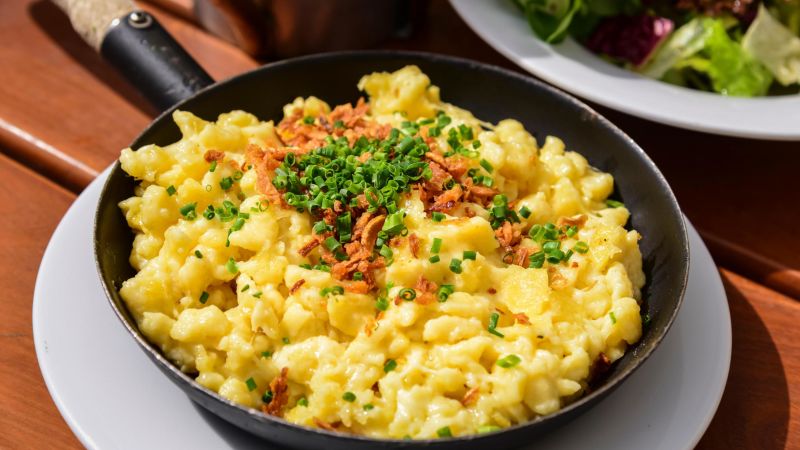
Whether one is sitting in a centuries-old beer hall in Munich enjoying a plate of Kässpätzle (cheese noodles) or sampling modern, light interpretations of Black Forest gateau, the common thread is a commitment to quality. Germany’s food scene is not merely about calories or tradition; it is a continuously evolving dialogue between the land, the people, and the historical forces that have shaped the nation. For the traveler, exploring these 20-plus traditional dishes is not just a quest for a meal—it is a study in the resilience, ingenuity, and cultural depth of the German people. From the "Heaven and Earth" (Himmel und Erde) of the Rhineland to the hearty kale stews of the north, the German table remains one of the most fascinating and diverse landscapes in the culinary world.