American Airlines faces Department of Transportation scrutiny over failure to adhere to self-imposed 72-hour window for canceling mistake fares.

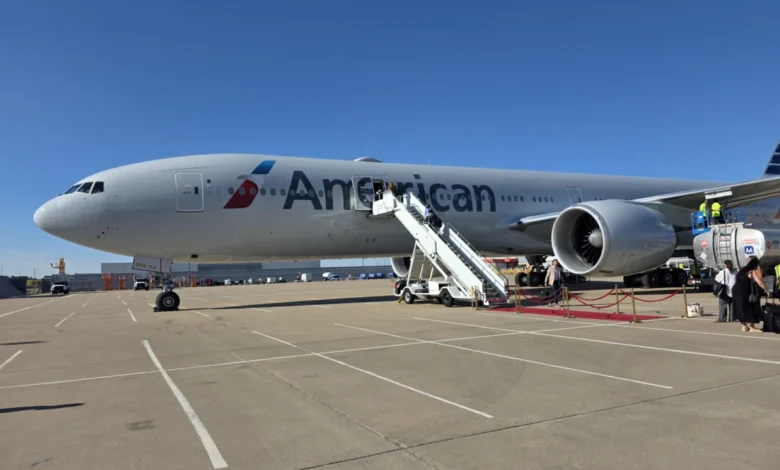
The intersection of airline technology, dynamic pricing, and consumer protection regulations has become the focal point of a formal dispute currently pending before the U.S. Department of Transportation (DOT). The conflict involves American Airlines and a frequent flyer who claims the carrier violated its own established conditions of carriage by canceling premium-cabin award tickets nearly three weeks after they were issued, despite a clear contractual provision requiring such actions to occur within 72 hours of discovery.
This incident highlights a growing tension between the automated nature of airline revenue management systems and the regulatory frameworks designed to protect consumers from arbitrary fare changes. The dispute centers not on the existence of the "mistake fare" itself, but on the airline’s procedural failure to follow its own published guidelines when remediating that error.
Chronology of the Disputed Bookings
The sequence of events began when American Airlines’ multi-city award booking engine began displaying significantly discounted mileage requirements. For a window of several weeks, the system priced complex multi-leg international itineraries at the cost of a single domestic segment. These bookings, which included long-haul business class travel, were effectively priced at a fraction of their standard market value.

The complainant, a frequent flyer, successfully booked three separate itineraries: a family trip to Australia, a family excursion to Italy, and a domestic flight to New York. According to the filing, the booking process initially displayed higher mileage totals, but the final payment gateway reflected the significantly reduced, erroneous rate. The passenger completed the transaction, received confirmation numbers, and expected the travel to be honored.
American Airlines later acknowledged that it identified the pricing error just two days after the bookings were made. However, the airline did not take corrective action immediately. Instead, the company waited nearly three weeks before notifying the passenger that the tickets were voided. This delay is the crux of the DOT complaint, as it exceeds the 72-hour window mandated by American’s own contract of carriage and international tariffs.
The 72-Hour Regulatory Threshold
In 2015, the Department of Transportation issued a policy statement regarding "mistaken fares." While the DOT generally exercises enforcement discretion—allowing airlines to cancel tickets resulting from technical errors provided they refund the purchase and reimburse reasonable, verified out-of-pocket expenses—this discretion does not grant carriers immunity from their own stated policies.
American Airlines’ Conditions of Carriage (CoC) explicitly state that when the airline identifies a mistaken fare, it will void the ticket and provide notice within 72 hours of learning of the error. The intent of this provision is to create a predictable standard for both the carrier and the consumer. By setting this specific timeframe, the airline effectively limits its own window of opportunity to rectify pricing errors.

In its official response to the DOT complaint, American Airlines has not denied that the 72-hour threshold was breached. Instead, the carrier’s legal counsel argues that the airline maintains a broad, overriding right to revoke benefits issued in error under its AAdvantage loyalty program terms. The airline contends that these program terms supersede other contractual obligations, characterizing the attempted use of the tickets as an effort to secure an "unjustified windfall."
Evidence of Procedural Negligence
The legal filing submitted by American Airlines to the DOT has drawn criticism not only for its legal arguments but for its apparent lack of attention to detail. The document contains references to specific details—such as the exact number of tickets purchased—that belong to an entirely different case, suggesting that the airline’s legal team may have utilized a generic template for their response.
This "copy-paste" approach to legal defense has drawn scrutiny from industry observers, who note that in administrative law, failure to address the specific merits of a complaint can weaken a party’s position. The fact that the airline’s defense remains identical to arguments filed in prior, unrelated cases suggests a systemic, rather than situational, approach to handling consumer complaints regarding mistake fares.
Broader Implications and Legal Precedents
The dispute carries significant implications for the airline industry’s relationship with its customers. If the DOT determines that American Airlines violated its own tariff, the ruling could establish a powerful precedent. Historically, the DOT has penalized airlines for failing to honor published rules. A notable case involved Alitalia, which was fined by the department for maintaining conflicting terms between its conditions of carriage and its international tariffs. In that instance, the DOT ruled that an airline cannot rely on a restrictive, hidden clause in one document to override a more consumer-friendly provision in another.

The complainant has argued that the "private right of action" objection raised by American is irrelevant because the request is for the DOT to conduct a federal investigation into unfair and deceptive practices. Regulatory experts point out that the DOT has previously rejected similar jurisdictional arguments, particularly when those arguments attempt to circumvent the department’s oversight of consumer protection standards.
The Role of Automated Systems
Modern airline pricing is driven by sophisticated algorithms that analyze supply, demand, and inventory in milliseconds. When these systems fail—as they occasionally do—the resulting "mistake fares" can cause significant financial exposure for the airline. However, the airline industry’s reliance on automation does not absolve it of the responsibility to manage the fallout of such errors in accordance with established rules.
The current case highlights the necessity for clear, consistent communication between airlines and their passengers. When an airline sets a 72-hour rule, it provides the public with a reasonable expectation of finality. By waiting three weeks to cancel, American Airlines created a period of uncertainty that caused potential disruption for the affected travelers.
Conclusion and Expected Outcomes
As the Department of Transportation evaluates the complaint, several key questions remain: Does the internal AAdvantage program language truly grant the airline the power to ignore its own tariff and conditions of carriage? And, more importantly, is the 72-hour notification window a legally binding promise that the airline must keep?

For now, the matter remains in the discovery and briefing phase. The outcome of this dispute will likely be watched closely by both frequent flyers and airline industry legal departments. Should the DOT find in favor of the passenger, it would reinforce the principle that an airline’s published conditions are not merely suggestions, but enforceable contracts that must be honored—even when the airline itself commits a technological error.
The case serves as a reminder of the evolving nature of consumer protection in the digital age. As airlines continue to automate, the friction between speed-of-service and accuracy is likely to persist, making the role of the DOT as an arbiter of fair practice increasingly vital. The final resolution of this complaint will likely dictate how major U.S. carriers structure their "mistake fare" policies in the coming years, potentially forcing a move toward greater transparency and adherence to the terms they have written for themselves.