Two Diverging Visions Collide in Lubbock as High-Stakes Texas Senate Race Transforms Deep-Red Stronghold Into National Battleground


The political fault lines running through the Lone Star State were laid bare on a Tuesday night in Lubbock, where two high-profile campaign rallies unfolded just four miles apart, offering starkly contrasting visions for the future of Texas. The dueling events—featuring Republican candidate Ken Paxton, bolstered by prominent party backing, and Democratic challenger James Talarico—crystallized a fiercely contested U.S. Senate race that has increasingly captured national attention and challenged decades of unbroken Republican dominance.
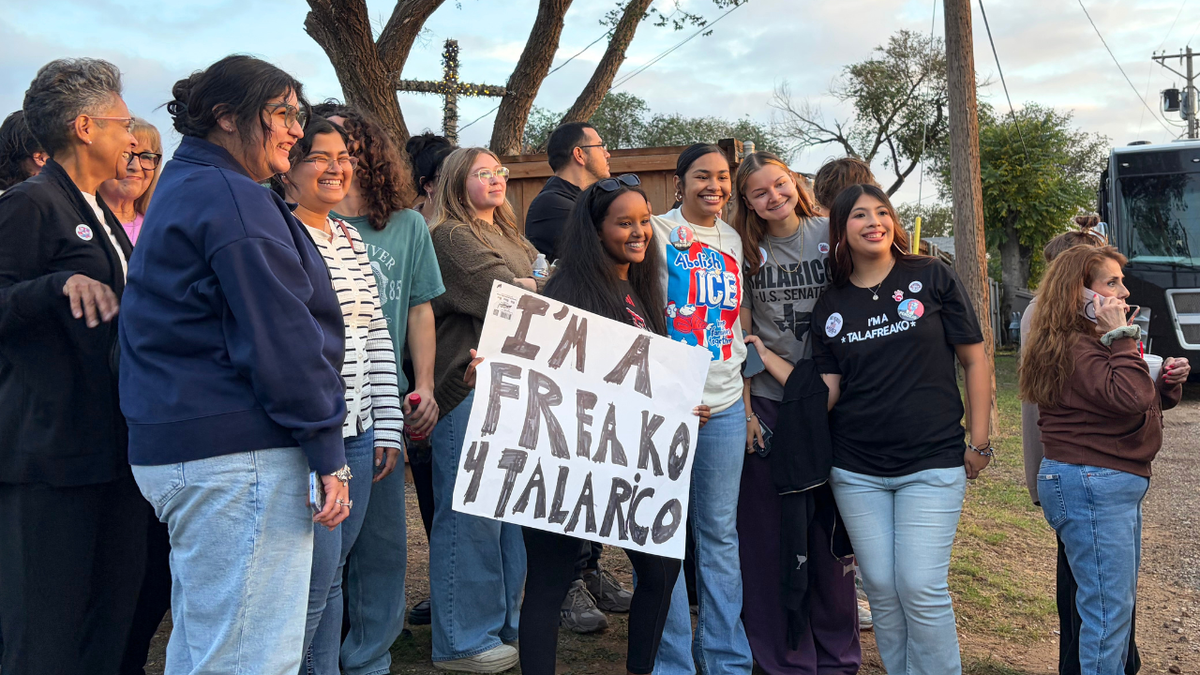
While supporters of the GOP establishment camped out days in advance at the Lubbock Civic Center to cement what they view as an unyielding conservative fortress, roughly 4,000 enthusiastic attendees packed the neighborhood surrounding the Fiesta Center to rally behind Talarico. Long recognized as a ruby-red bastion in West Texas, Lubbock has rapidly emerged as an unexpected epicenter in a statewide cycle where recent polling indicates an unusually tight contest, fueling speculation over whether Texas is genuinely evolving into a battleground state.
A Historic Shifting Tide in a Republican Stronghold
For generations, statewide elections in Texas have operated under a predictable dynamic: the Republican Party maintains a comfortable, reliable margin of victory, anchored by rural counties and booming suburban enclaves. However, the current Senate matchup between Paxton and Talarico has upended conventional political wisdom. Recent surveys show the race within the margin of error, prompting intense strategic investments from both political parties and transforming traditionally safe regions into active campaign zones.
The decision by both campaigns to descend upon Lubbock on the exact same evening underscored the strategic significance of West Texas voters. For the GOP, maintaining high turnout in conservative strongholds is paramount to neutralizing Democratic gains in major metropolitan areas such as Harris, Dallas, Bexar, and Travis counties. Conversely, the ability of the Talarico campaign to draw thousands of supporters deep into West Texas signaled an aggressive statewide strategy aimed at energizing progressive pockets, mobilizing disaffected voters, and chipping away at the Republican rural advantage.
The Republican Base Doubles Down on Traditional Values
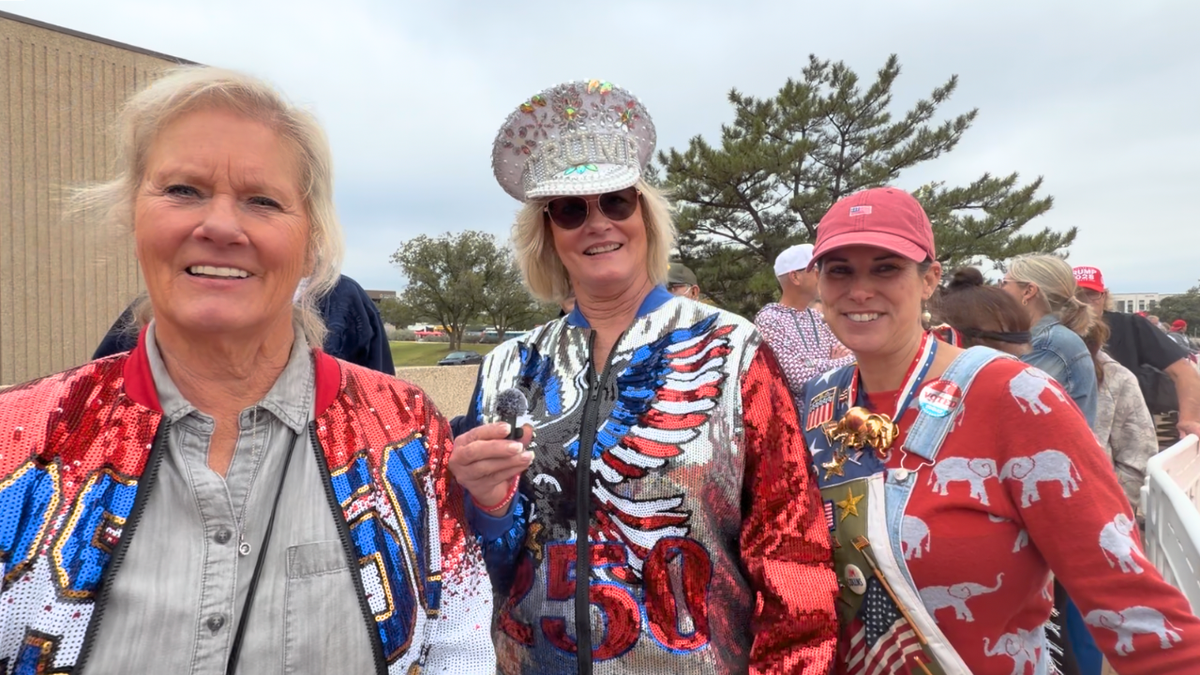
Outside the Lubbock Civic Center, the atmosphere was defined by unwavering confidence in the enduring strength of the conservative movement in Texas. Supporters who traveled from across the state—some arriving as early as Monday evening—viewed the rally not merely as a political event, but as a crucial defensive stand to preserve the state’s political identity.

Jenny, a conservative voter who made the journey from Brownsville near the Texas-Mexico border, dismissed the tightening poll numbers as a psychological tactic engineered by political opponents.
"What else do the Democrats have? They have Talarico going against Paxton," Jenny remarked, asserting that Democratic campaigns rely on generating a false sense of competitiveness to suppress conservative turnout. "All they’ve got is the ability to try and make people think that it’s close and there is no point in voting. No, it’s not close. Paxton is going to wipe the floor with him."
Local residents echoed these sentiments, emphasizing that core conservative principles continue to resonate deeply with the everyday concerns of Texans. Eric, a Lubbock resident, argued that standard Democratic policy platforms fundamentally misalign with the values of the local electorate. He suggested that even voters who lean moderate often find themselves agreeing with conservative governance when practical issues are discussed.
For many attendees, the overarching motivation centered on safeguarding cultural and economic traditions that have defined Texas for decades. Nathan, who traveled from Milton, articulated a desire to insulate the state from progressive policy shifts witnessed elsewhere in the nation.
"I want to make sure we are keeping all the normal values that we have in Texas," Nathan said. "I want to make sure that we are keeping our guns, we are keeping our safety, keeping abortion as far away from Texas and do everything we can to keep Texas, Texas."
Democrats Sense Vulnerability Amid a Generational Shift
Roughly four miles away at the Fiesta Center, the mood among Talarico’s supporters was charged with historic optimism. The simultaneous presence of high-profile conservative figures in Lubbock was interpreted by Democrats not as a show of strength, but as a clear indicator of defensive panic among entrenched Republican leadership.
"Trump’s in Lubbock? Trump’s in Lubbock, Texas? He’s scared, he is scared," one attendee stated, capturing the prevailing sentiment inside the crowded venue.
Natalie, a voter from Friona who attended the Democratic rally, viewed the overlapping schedules as performative and reactionary. "I think they have to be nervous, and I think it’s performative, like to come the exact same day as he is here," she noted, adding that the palpable energy among attendees reinforced her belief that the political landscape is shifting.
Beyond immediate campaign tactics, some critics of the Republican ticket pointed to past political controversies surrounding Paxton—including his high-profile impeachment proceedings by the Texas House—as a vulnerability that weakens the GOP’s unified front. Elias, a Lubbock resident, argued that relying heavily on outside surrogates demonstrates a lack of independent political standing.
"I think it shows that Paxton is a weak leader," Elias said. "He had a chance to kind of redeem himself despite his ugly past, but he’s not a man, he can’t stand up for himself. He needs outside figures to come and support him."
For other attendees, the enthusiasm for a political shift extended beyond individual candidates, reflecting broader economic and social grievances concerning the state’s governance over the past several years. Jessica from Lubbock and Shelby from Houston voiced a shared conviction that voter fatigue with current leadership could finally tip the scales.
"I think they’re scared that it is going to flip, and I believe it will because of how they have run this state the last few years," they said.
Broader Implications for National Politics
The convergence of these two distinct political movements in Lubbock highlights the evolving nature of American electoral politics. Texas, long viewed as the ultimate safety net for the Republican Party’s national ambitions, is experiencing demographic and cultural shifts that are gradually redefining its political geography.
While suburban migration, an influx of out-of-state residents, and growing diversity in urban centers have fueled Democratic hopes of turning the state blue, rural and semi-urban communities like Lubbock remain fiercely defensive of their conservative heritage. The outcome of the Paxton-Talarico Senate race will likely serve as a definitive bellwether, indicating whether Republican dominance in Texas remains resilient against mounting progressive momentum or if the Lone Star State is truly transitioning into the nation’s largest and most consequential political battleground.
As early voting progresses and both campaigns make their final appeals to the electorate, the events in Lubbock have set the stage for a dramatic conclusion to one of the most closely watched legislative contests in modern American history.
Related posts: