Oman calls for self-restraint and dialogue in Middle East conflict as diplomatic tensions peak at the United Nations

The annual United Nations General Assembly in New York has become the primary theater for international efforts to de-escalate the widening regional war, with Omani Foreign Minister Badr Albusaidi leading calls for "self-restraint" and a return to diplomatic norms. As global powers and regional stakeholders converge on Manhattan, the core of the crisis remains the contested maritime corridors of the Persian Gulf, where the Strait of Hormuz has transformed into a focal point of geopolitical leverage and military posturing.
The diplomatic push from Muscat follows a week of intense maneuvering between the United States and Iran, marked by failed cease-fire proposals and ongoing naval blockades. Albusaidi emphasized that Oman, which shares a maritime border with Iran and has historically served as a neutral intermediary, is prepared to facilitate a framework for sustainable peace. "We call upon all parties concerned to settle their outstanding disputes through pursuing a policy of self-restraint and foresight, and through engaging in dialogue to reach consensual, political solutions," Albusaidi told the assembly on Saturday.
The Strait of Hormuz: A Global Economic Chokepoint
The strategic importance of the Strait of Hormuz cannot be overstated. Roughly 20% of the world’s total petroleum consumption passes through this narrow passage, making any disruption to its flow an immediate catalyst for global economic instability. Saudi Foreign Minister Faisal bin Farhan, addressing the U.N. General Assembly shortly before Albusaidi, highlighted the catastrophic potential of current blockades, arguing that the international community has largely failed to uphold the freedom of navigation.
Saudi Arabia, facing a dual-front struggle against Iranian influence and the Houthi militia in Yemen, has demanded that the conditions in the Strait of Hormuz be restored to their pre-February 28 status. The kingdom has faced significant logistical difficulties as the Bab el-Mandeb Strait—the southern gateway to the Red Sea—has been effectively closed to Saudi-flagged tankers due to Houthi attacks. These disruptions have caused Brent crude prices to hover around $104 per barrel, a figure that continues to stoke inflationary fears across the United States and Europe.
Chronology of the 2026 Middle East Escalation
The current volatility is the culmination of months of deteriorating security, beginning in early 2026.
- February 2026: Outbreak of hostilities between Israel and Iran, leading to the death of Supreme Leader Ali Khamenei and a subsequent regional security vacuum.
- June 2026: Signing of the Islamabad Memorandum of Understanding, a 14-point agreement aimed at de-escalation. The deal collapsed by July due to disagreements over the management of maritime traffic and persistent naval blockades.
- September 2026: The conflict reaches a new intensity as the U.S. enforces a strict blockade on Iranian airlines and ports, threatening countries that assist Iranian commerce with exclusion from the U.S. dollar system.
- September 23–26, 2026: World leaders gather in New York for the 81st session of the U.N. General Assembly, with back-channel negotiations involving U.S. envoys Jared Kushner and Steve Witkoff attempting to broker a new seven-day ceasefire proposal.
The Failed Seven-Day Proposal
The most recent attempt at a breakthrough occurred this week when Iranian Foreign Minister Abbas Araghchi presented a seven-day plan to U.S. mediators. The proposal sought an immediate reopening of the Strait of Hormuz and a resumption of nuclear program negotiations in exchange for the lifting of the U.S. naval blockade and a ceasefire covering Lebanon and Yemen.
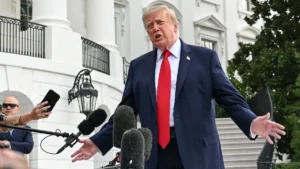
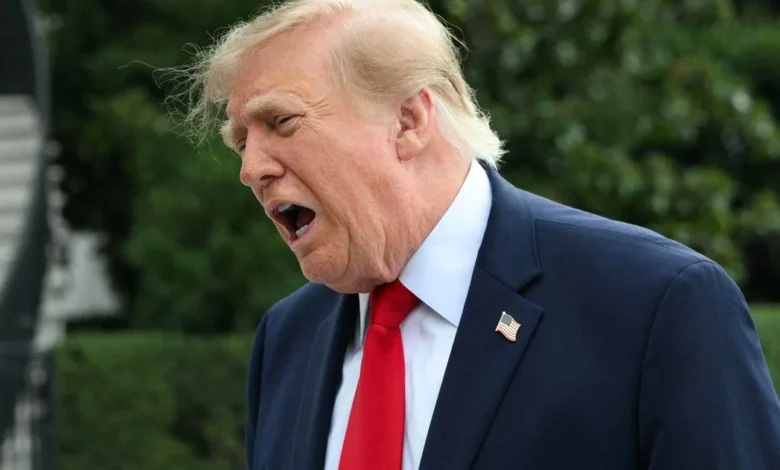
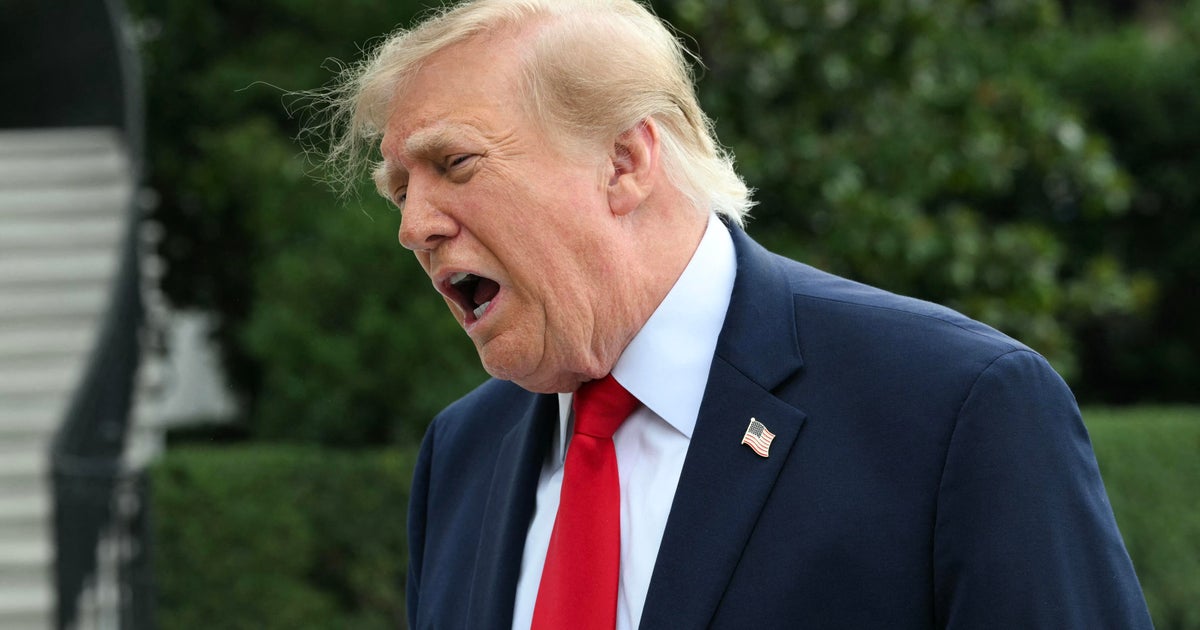
President Donald Trump, however, publicly rejected the offer on Saturday. While departing for a trip to Tennessee, the President maintained that the U.S. holds a position of strength, noting that 29 vessels were guided through the strait under military supervision on Friday night alone. "I’m rejecting their deal," Trump told reporters. "They want to make a deal where they open the strait immediately because they are losing so badly. That deal would not be acceptable."
This rejection underscores the current White House strategy: relying on military escorts and economic pressure to force a more favorable outcome, rather than engaging in a rapid, potentially disadvantageous diplomatic compromise.
Regional Dynamics and Great Power Influence
The crisis has forced global powers to define their roles in the conflict. Russia, through Foreign Minister Sergei Lavrov, has expressed a willingness to contribute to regional stability, though Moscow’s long-standing military and technological cooperation with Tehran—specifically regarding drone technology and satellite intelligence—complicates its position as an honest broker.
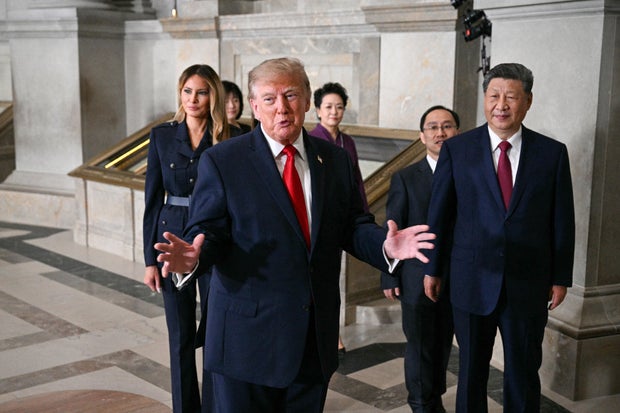
China’s role remains equally complex. During a high-profile state visit to Washington, President Xi Jinping met with President Trump to discuss the crisis. While the U.S. warned Beijing against providing indirect support to Iran, China’s Vice President Han Zheng used his U.N. address to push back against U.S. interference, insisting that the sovereignty of Gulf nations must be respected. The tension between the U.S. and China over Iranian sanctions highlights the global nature of this localized conflict.
Humanitarian and Economic Implications
The human cost of the regional war is increasingly severe. In Yemen, the collapse of health infrastructure has left civilians in a precarious position. Dr. Arwa Atef, director of a therapeutic feeding center in Aden, noted that facilities are being overwhelmed by war-wounded, forcing doctors to turn away other vulnerable patients, including pregnant women. The International Organization for Migration reports that over 130,000 people have been displaced as the Houthis advance along the Red Sea coast.
Economically, the war is creating a "price crisis" for the European Union. In a letter to EU energy ministers, Energy Commissioner Dan Jorgensen warned that the supply shock is driving up costs for everything from electricity to food, prompting calls for strict demand reduction measures across the continent.
Analysis: The Path Forward
The situation remains at an impasse. The U.S. is prioritizing a "maximum pressure" campaign, confident that its military presence in the Persian Gulf provides the necessary leverage to secure its energy interests. Iran, conversely, is attempting to leverage its influence over the Strait of Hormuz to force an end to sanctions, while simultaneously denying allegations that it is pursuing nuclear weapons.
The calls for "self-restraint" from Omani leadership represent the only viable alternative to a prolonged, multi-theater war. However, as demonstrated by the failure of the June Memorandum of Understanding and the current rejection of the seven-day proposal, the gap between the U.S. and Iran remains wide.
For the international community, the coming weeks will be critical. If the current U.N. gathering fails to produce a framework for a sustainable ceasefire, the risk of a full-scale escalation—involving not just maritime blockades but direct military strikes on critical infrastructure—remains high. The global economy, already grappling with inflation and supply chain volatility, is unlikely to absorb a sustained closure of the Strait of Hormuz without facing a significant recession.
As the General Assembly concludes, the focus will shift back to the regional capitals. Whether Iran will seek non-military retaliatory measures or if the U.S. will intensify its blockade remains the primary question. For now, the world watches as diplomats attempt to navigate a path between total economic isolation and the threat of total war.