The Unprecedented Rise of the 2026 Super El Niño and Its Global Climate Implications

Global meteorological and climate institutions are confronting what observational data confirms to be one of the most powerful El Niño events in recorded history. Characterized by unusually warm sea surface temperatures in the equatorial Pacific Ocean, the current climate phenomenon has surpassed previous historic benchmarks, triggering widespread ecological disruption, economic anxiety, and emergency declarations across multiple continents. With Pacific temperatures soaring to levels that have alarmed climatologists, governments and international organizations are rushing to mobilize resources to mitigate compounding risks related to extreme weather, food insecurity, and public health crises.
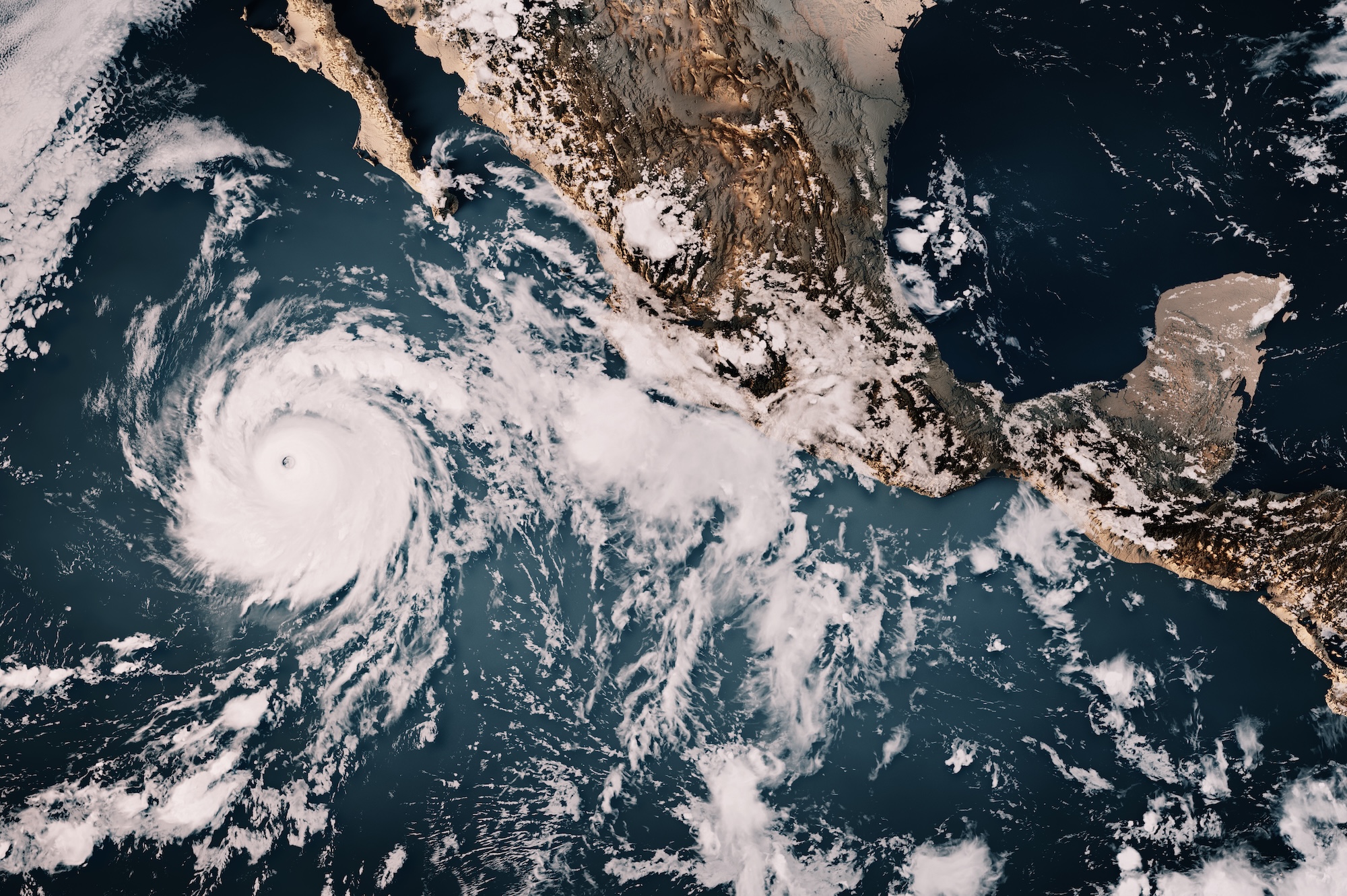
The term "Super El Niño," once considered an informal colloquialism, has become standard shorthand in scientific and media discourse to describe an event of extraordinary magnitude. Recent analyses of the Niño 3.4 index—the primary geographic benchmark used to measure these temperature anomalies—reveal that warming in the central and eastern tropical Pacific has reached a staggering 3.11 degrees Celsius above the historical baseline. This reading eclipses the peak of the formidable 2015–2016 El Niño event, which previously held the record for modern observational history. Forecast models indicate a greater than 90 percent probability that these extreme temperature anomalies will persist through the end of the year, threatening to amplify global mean temperatures well into 2027.
To understand the severity of the current crisis, it is essential to examine the mechanics of the El Niño-Southern Oscillation (ENSO) cycle. ENSO is a naturally occurring climate pattern defined by fluctuations in winds and sea surface temperatures across the tropical Pacific Ocean. Under normal conditions, trade winds blow predominantly from east to west, pushing warm surface water toward Asia and Australia while allowing cold, nutrient-rich water to well up along the coast of South America. During an El Niño phase, these trade winds weaken or occasionally reverse direction. This atmospheric shift allows the massive pool of accumulated warm water in the western Pacific to slosh eastward toward the Americas.
The consequences of this oceanic displacement extend far beyond the Pacific basin, fundamentally altering global atmospheric circulation. Jet streams shift position, diverting storm tracks and radically changing precipitation and temperature patterns worldwide. Historically, El Niño events recur irregularly every two to seven years. However, mounting research indicates that anthropogenic climate change is increasingly influencing the frequency, intensity, and behavioral dynamics of these oscillations, creating a compounding effect when natural variability collides with a rapidly warming planet.
The timeline of the current event’s escalation has alarmed researchers who monitor oceanic indicators. Following months of record-breaking ocean heat accumulation observed globally throughout June, July, and August, the Pacific anomaly intensified at a pace that caught many forecasters off guard. While initial predictions suggested a moderate-to-strong event, incoming telemetry data throughout the late summer necessitated a rapid upward revision of severity estimates. By September, scientific analyses confirmed that the threshold for a "super" classification had not only been met but decisively shattered.
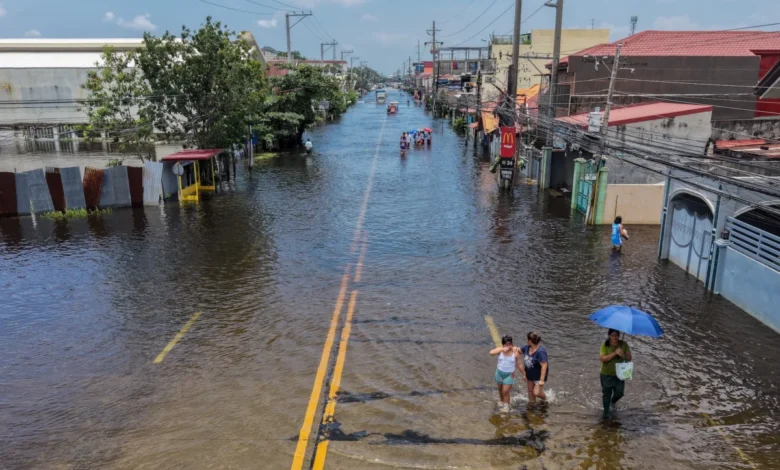
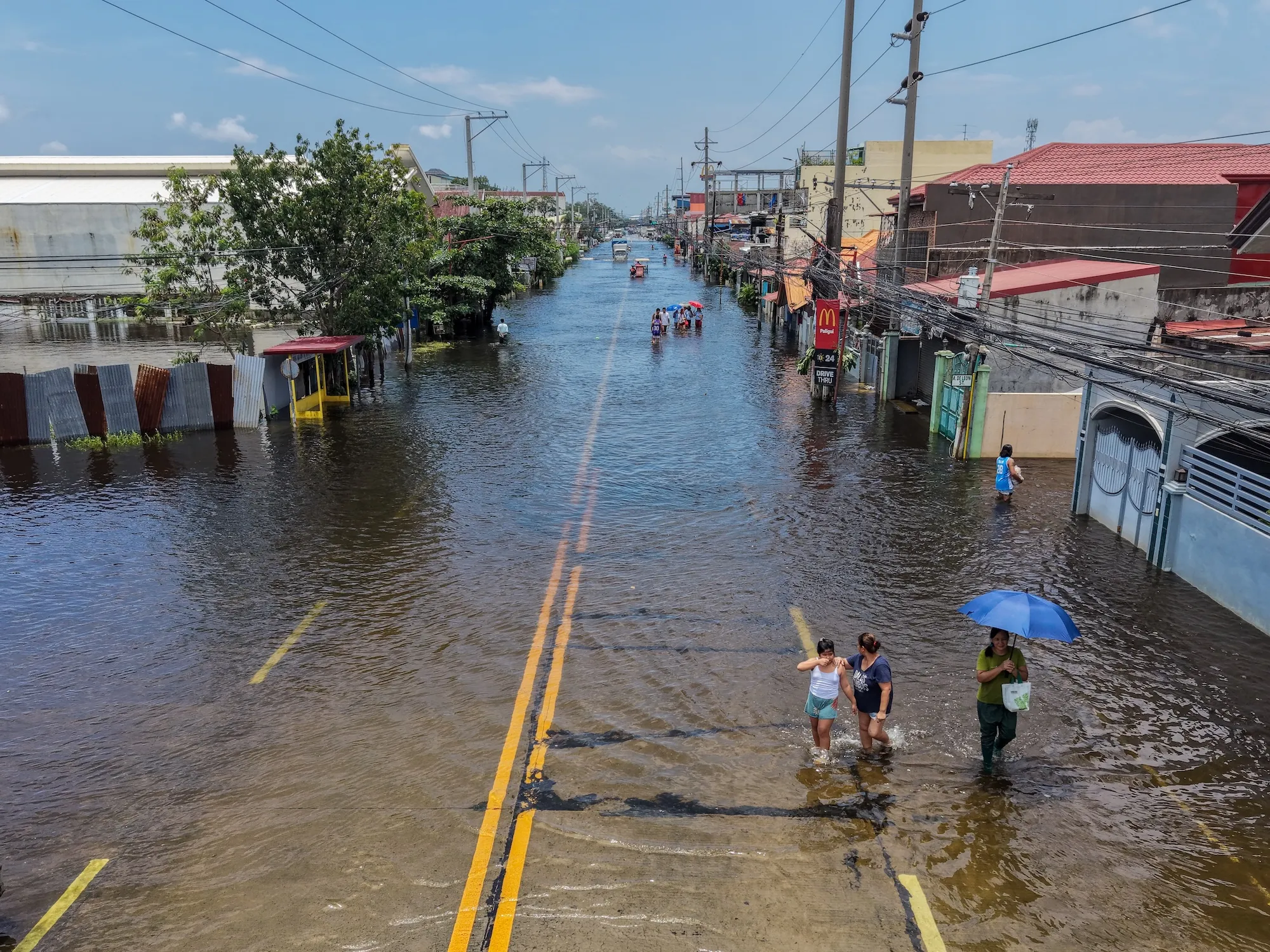
The impacts of this climatic shock are already manifesting in acute localized emergencies. In the United States, the state of California officially proclaimed a statewide emergency to bolster preparedness and infrastructure protection against severe storms, coastal erosion, and potential flooding associated with the incoming weather pattern. Coastal communities, still recovering from historical weather volatility, are bracing for accelerated shoreline erosion and damaging storm surges.
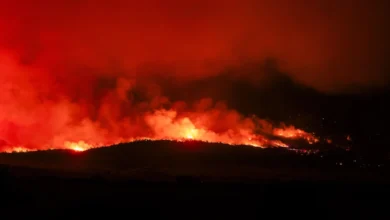
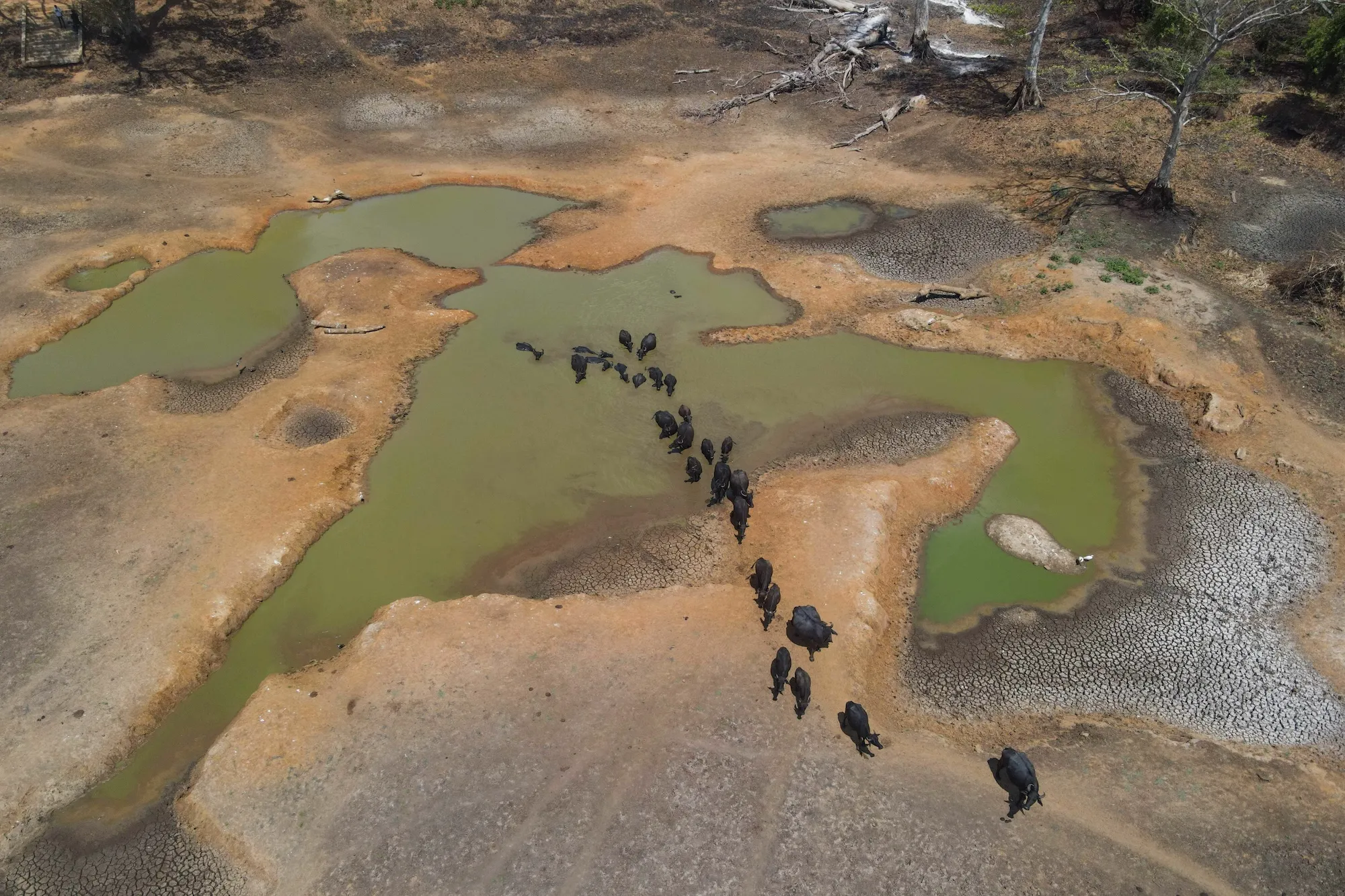
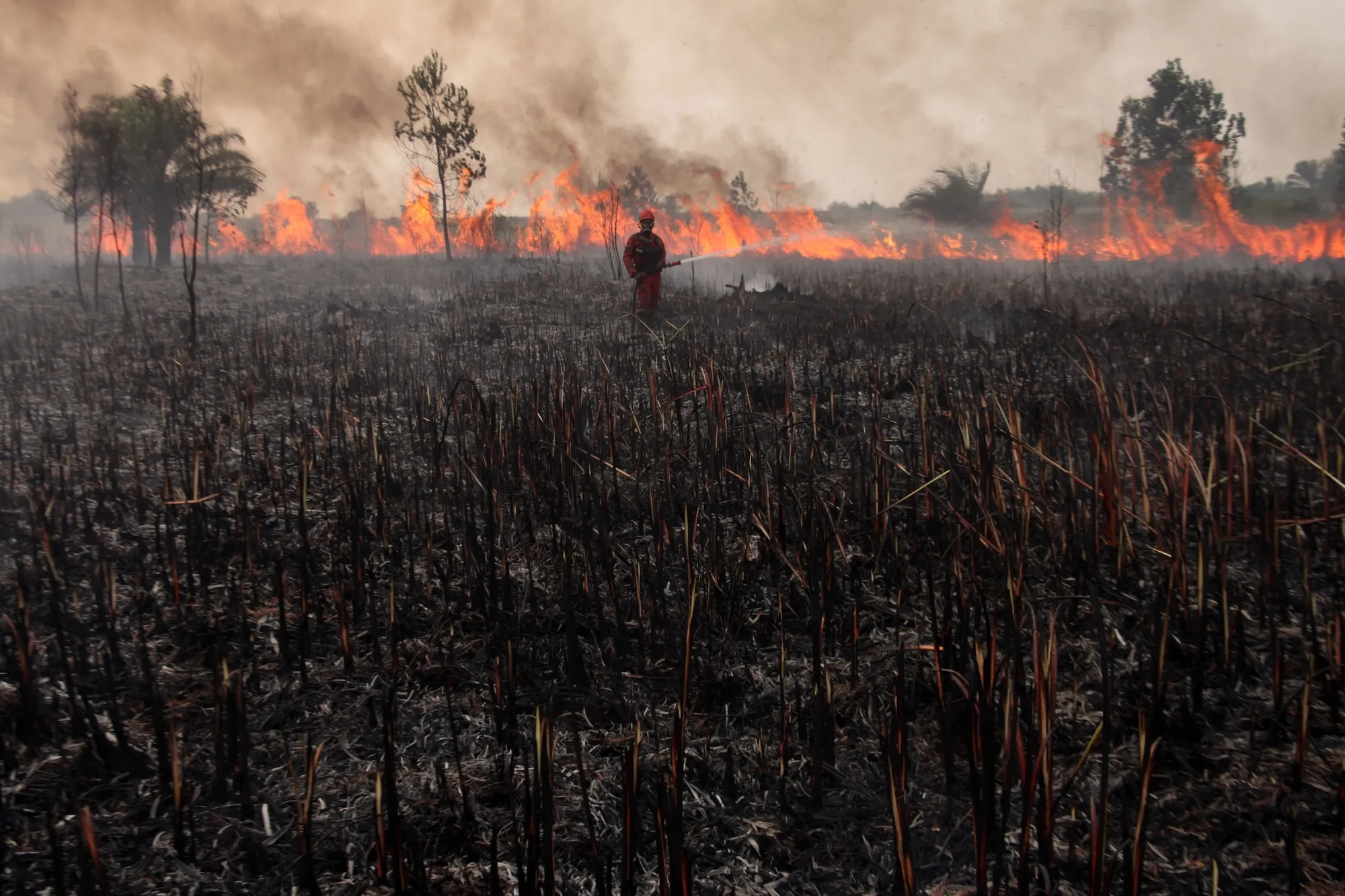
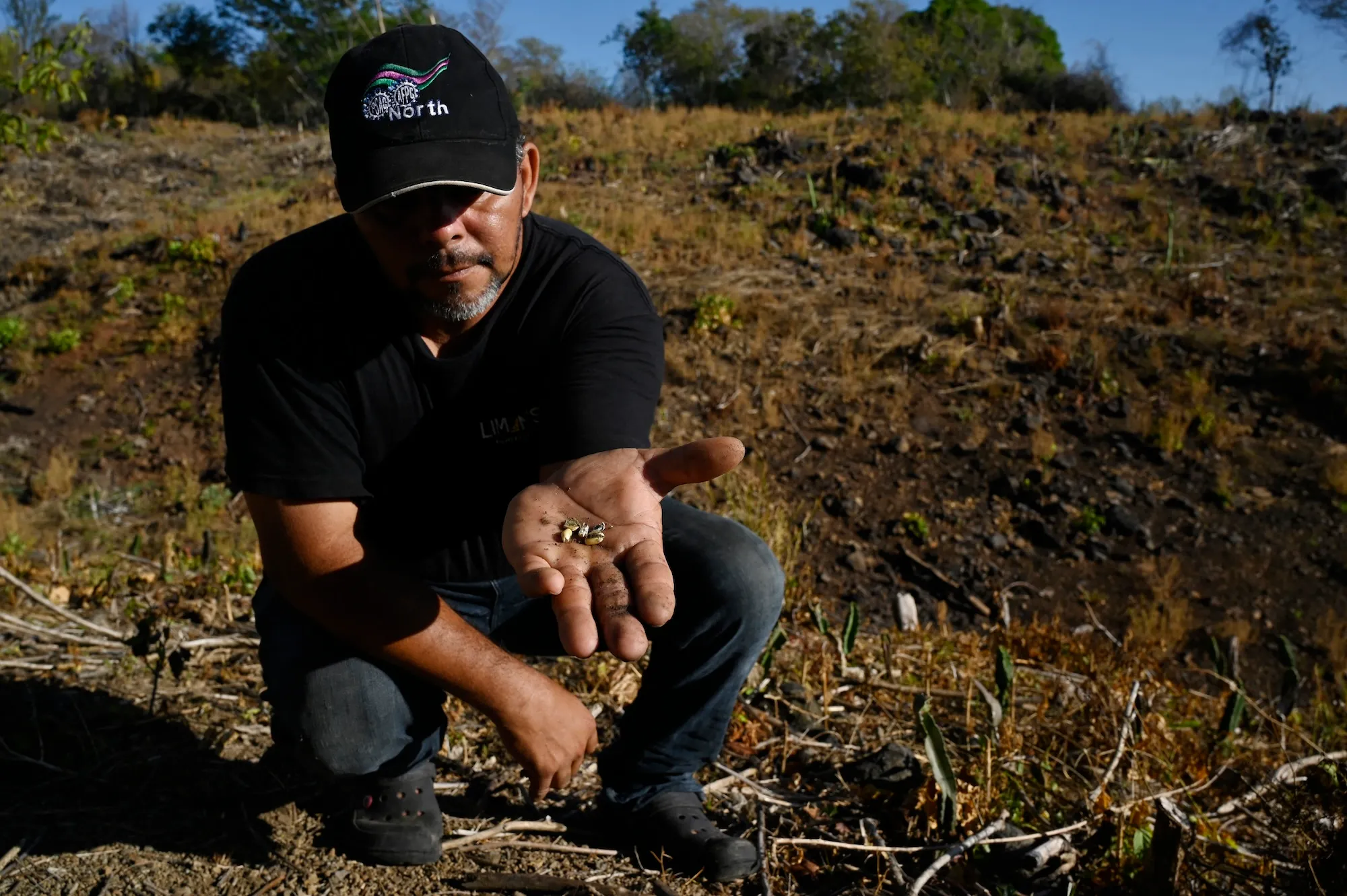
Simultaneously, other regions are experiencing the opposite extreme: severe drought and wildfire vulnerability. In Southeast Asia, particularly Indonesia, prolonged dry conditions linked to the developing El Niño have ignited extensive agricultural fires, forcing firefighters to combat blazes amid tinder-dry vegetative conditions. In Central America, subsistence farmers in countries such as Honduras are surveying failed maize harvests, reporting some of the most punishing droughts in living memory. Critical global trade arteries are also feeling the strain; authorities managing the Panama Canal have implemented strict draft and transit restrictions due to diminished water levels in surrounding reservoirs, directly impacting international maritime commerce.
Public health officials are likewise sounding the alarm regarding the human toll of the ensuing thermal extremes. Epidemiological studies projecting the multi-month trajectory of the event warn that the combination of prolonged heatwaves and disrupted agricultural yields could contribute significantly to global heat-related morbidity and mortality by the conclusion of winter. Vulnerable populations, urban centers lacking adequate cooling infrastructure, and agrarian communities dependent on reliable rainfall patterns face the most immediate danger.
The linguistic evolution surrounding these extreme weather events has also become a subject of academic study. Ecolinguistics researchers note that as global temperature anomalies push past historical boundaries, standard scientific nomenclature struggles to convey the true magnitude of unfolding crises. Terms such as "super El Niño"—originally appearing in specialized meteorological literature in the early 2000s—have been widely adopted across global languages, including Spanish, French, German, and Serbian, to bridge the gap between technical data and public comprehension. As climate scientists increasingly resort to stark terminology to describe systemic shifts, policymakers face the dual challenge of communicating risk effectively without inducing public desensitization or despair.
Ultimately, the 2026 Super El Niño serves as a severe stress test for global infrastructure, disaster response networks, and agricultural supply chains. Beyond its immediate disruptions, climatologists view the event as an unsettling preview of the baseline climatic conditions expected in the coming decades under unabated greenhouse gas emissions. As governments ramp up emergency preparations from South America to North America and across the Pacific rim, the immediate focus remains on safeguarding human life, stabilizing food and water systems, and extracting critical lessons from an event that is reshaping our understanding of modern climate volatility.
Related posts: