United Airlines Passenger Reports In-Flight Sexual Misconduct as Crew Fails to Intervene and Airline Offers Minimal Compensation

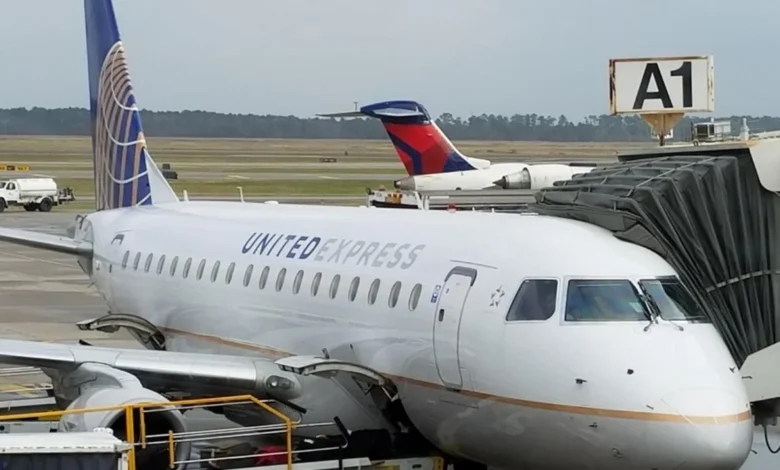
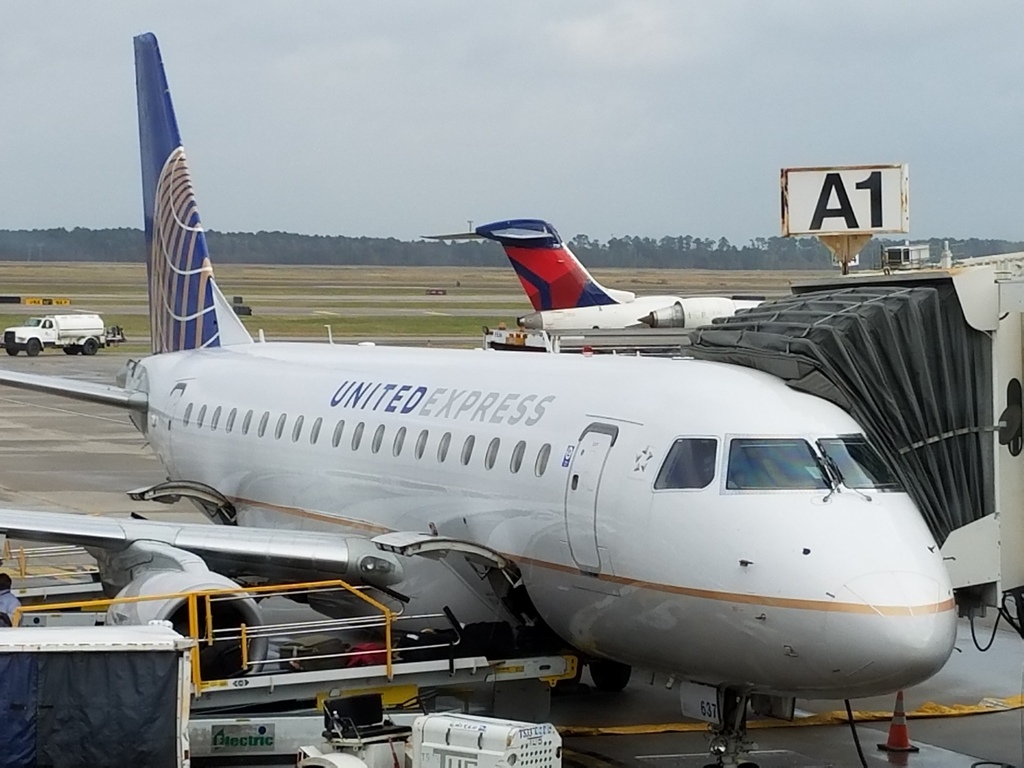
The harrowing experience of a 25-year-old female traveler aboard a United Express regional flight has reignited concerns regarding the protocols airlines employ when handling allegations of sexual assault and indecent exposure at 30,000 feet. The incident, which occurred on September 3 aboard a GoJet-operated CRJ-550 flight from Rochester to Newark, involved a male passenger who allegedly masturbated while staring directly at the victim. Despite the passenger’s immediate report to the flight crew, she was compelled to return to her seat beside the accused man for the duration of the flight’s descent and landing. The assailant was permitted to disembark at Newark Liberty International Airport without any intervention from law enforcement, leaving the victim to pursue her own reports with the airline, the Federal Aviation Administration (FAA), and the Federal Bureau of Investigation (FBI).
A Chronology of the Incident
The flight, a short regional hop lasting approximately one hour, departed Rochester at 6:00 a.m. The victim was en route to Boston to join friends for the Labor Day weekend. According to the victim’s account, the incident began shortly after takeoff. After observing the behavior, the woman sought immediate assistance from the flight attendants. While the crew allowed the woman to stand in the aisle for a portion of the flight, they ultimately insisted she return to her assigned seat beside the man as the aircraft began its final descent.
The victim reportedly raised repeated objections to returning to the seat, citing extreme discomfort and fear. A flight attendant allegedly downplayed the situation, suggesting the remaining time before landing would be only three to five minutes. However, aviation safety regulations mandate that passengers remain seated and buckled for a significant portion of the approach and landing, extending the duration of the victim’s proximity to the offender well beyond the crew’s estimate. Upon arrival at the gate, the situation worsened when a United ground agent reportedly informed the woman that it was her personal responsibility to request police intervention. Another employee subsequently indicated that established internal protocols for such incidents had not been followed.

The Corporate Response and Compensation
In the aftermath of the incident, the victim filed formal complaints with United Airlines. The company’s response was characterized by a brief, somewhat bureaucratic acknowledgment of the situation. In a message to the passenger, the airline wrote: "I can imagine how upsetting and uncomfortable it must have been to experience behavior from another passenger that caused you concern, particularly while seated in a location where you felt concerned."
Rather than offering an apology that addressed the specific failure of crew intervention or an investigation into the security breach, United provided the passenger with a $100 travel credit. The victim, who did not request a refund, has expressed frustration that the airline reduced a traumatic experience to a nominal credit for future travel. This incident is not an isolated occurrence within the aviation industry; similar cases have surfaced involving other major carriers. For example, American Airlines previously offered 5,000 frequent flyer miles to a passenger who reported a man fondling himself on a flight from Orlando to Dallas, an incident where the perpetrator was also allowed to leave the airport without questioning. A 2020 lawsuit against United Airlines similarly highlighted accusations of systemic negligence in responding to reports of sexual harassment and assault, where victims were reportedly offered $150 vouchers.
Legal Implications and Federal Regulations
The behavior described by the passenger constitutes a clear violation of federal statutes regarding conduct aboard aircraft. Under 49 U.S.C. § 46506(2), which incorporates public indecency laws, such actions are classified as federal crimes. Even if the incident occurs over jurisdictions that do not strictly define the act as a crime, federal law provides a robust framework for prosecution. An offense of this nature can carry a penalty of up to 90 days in jail and a maximum federal fine of $5,000.
Legal experts note that the venue for prosecution is typically the jurisdiction where the aircraft lands. In this case, New Jersey authorities would hold the primary authority to prosecute. However, the failure to secure the scene or identify the suspect before they exited the airport severely complicates the evidentiary chain. The FBI has long emphasized that the most critical window for investigation occurs immediately upon landing, as the presence of witnesses—passengers and crew—diminishes rapidly once the aircraft doors open and travelers disperse into the airport terminal.
The Role of the FBI and Data on In-Flight Assault
The FBI has intensified its efforts to raise awareness regarding sexual assault in the skies, noting that such incidents are significantly underreported. In 2024 alone, the Bureau reported conducting 104 investigations into sexual assaults aboard aircraft. These statistics reflect only a fraction of potential incidents, as many passengers remain unaware of the reporting chain or fear the inconvenience of a prolonged investigation.
The FBI’s official guidance to passengers is clear: notify the flight crew immediately so that they can coordinate with ground control to ensure law enforcement is waiting at the gate upon arrival. When crews fail to follow these protocols, they not only jeopardize the victim’s safety but also impede the justice system’s ability to hold perpetrators accountable. The reliance on flight crews as the first responders in these scenarios necessitates rigorous training and a corporate culture that prioritizes passenger safety over the expediency of the deplaning process.
Operational Failures and Best Practices
Industry analysts point out that while flight crews have legitimate safety concerns—such as the requirement that all passengers be buckled in during landing—they have wide discretion in seat management. In situations involving passenger conflict or harassment, the standard of care should involve immediate separation of the parties. If no other seats are available in the cabin, crews have been known to utilize crew rest seats or, in extreme cases, request that another passenger volunteer to swap seats to provide a buffer for the victim.
The failure of the United crew to utilize these options, combined with the ground staff’s suggestion that the victim handle the police request herself, represents a significant breakdown in the airline’s duty of care. The incident raises broader questions about whether airlines are prioritizing the avoidance of flight delays over the protection of their passengers. By failing to hold the aircraft for law enforcement, the airline effectively allowed the suspect to evade immediate questioning, thereby cooling the trail for federal investigators.
Broader Implications for Airline Passengers
Despite the trauma of the event, the victim in this case has stated she will continue to fly with United Airlines, citing her existing loyalty program status, the convenience of the airline’s co-branded credit card, and the lack of alternative flight options out of the Rochester airport. This forced reliance on a specific carrier highlights the lack of leverage many travelers feel they have when incidents occur.
For the aviation industry, the recurring nature of these reports suggests that existing training manuals may be insufficient or that the implementation of these protocols at the regional carrier level is inconsistent. As the FAA and FBI continue to push for greater transparency and stricter reporting, airlines will face increasing pressure to demonstrate that they are not just providing travel, but ensuring a safe environment. The incident on the Rochester-to-Newark flight serves as a stark reminder that until airlines treat in-flight sexual misconduct as a critical security threat rather than a customer service issue, the safety of passengers—particularly solo female travelers—remains at risk. The transition toward stricter accountability, potentially driven by further litigation and federal oversight, may be the only path toward ensuring that reports of harassment are met with immediate, decisive action rather than $100 vouchers and bureaucratic indifference.
Related posts: