
Venus Restoration Wadsworth Atheneum
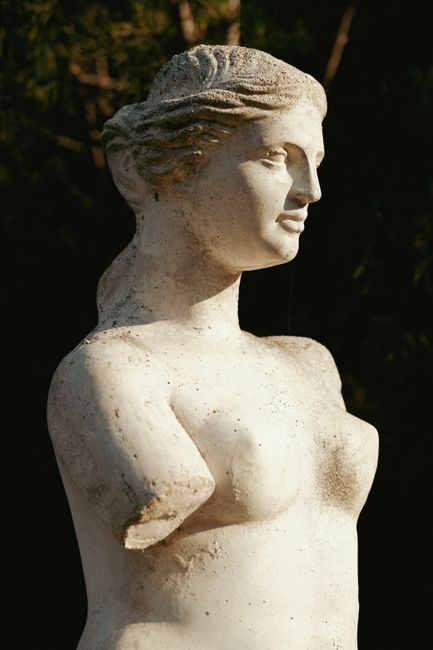
Venus Restoration Wadsworth Atheneum: Unveiling a Masterpiece’s Secret Life
The Wadsworth Atheneum Museum of Art in Hartford, Connecticut, holds within its hallowed halls a treasure trove of artistic brilliance, among which the recently and meticulously restored Venus with Cupid by Alessandro Allori stands as a testament to the enduring power of Renaissance artistry and the critical role of conservation. This comprehensive exploration delves into the intricate process of restoring Allori’s masterpiece, examining the scientific methodologies, historical context, and artistic significance that culminated in its renewed splendor. The Wadsworth Atheneum’s commitment to preserving its collection, particularly this significant work, offers a profound insight into the evolving practices of art restoration and the continuous dialogue between the past and the present.
Alessandro Allori (1535–1607), a prominent Florentine Mannerist painter and a favored pupil of Bronzino, was renowned for his masterful depiction of the human form, his sophisticated compositions, and his rich, vibrant palette. Venus with Cupid, a painting that has captivated viewers for centuries, is a prime example of his skill. The artwork portrays the Roman goddess of love, Venus, in a sensuous and idealized manner, accompanied by her son, Cupid, typically depicted as an infant or young boy. The Mannerist style, characterized by its artificiality, elongated figures, and dramatic lighting, imbues Allori’s works with a unique sense of drama and emotional intensity. Venus with Cupid at the Wadsworth Atheneum, prior to its restoration, was a significant piece, yet its visual impact was subtly diminished by the accumulation of time, grime, and past interventions. The pigments had dulled, the varnish had yellowed, and minor damages had obscured the delicate nuances of Allori’s brushwork and the intended luminosity of the scene. The restoration project was not merely about cosmetic improvement; it was a profound endeavor to uncover the artist’s original intentions and re-establish the painting’s historical and aesthetic integrity.
The decision to undertake a comprehensive restoration of Venus with Cupid at the Wadsworth Atheneum was driven by a confluence of factors. Art museums have a fundamental responsibility to safeguard their collections for future generations, and this necessitates regular assessment and, when required, intervention. Advanced analytical techniques have revolutionized the field of conservation, enabling conservators to understand a painting’s material composition and condition with unprecedented detail. Scientific imaging, such as infrared reflectography and X-radiography, allows for the visualization of underdrawings, pentimenti (artist’s changes), and the structural layers of the painting, providing crucial information for the restoration process. Furthermore, the desire to present artworks in their most authentic and impactful state to the public serves as a perpetual impetus for conservation. The Wadsworth Atheneum, with its dedication to scholarship and public engagement, recognized the potential of restoring Venus with Cupid to unlock its full expressive power and to educate visitors about the artist and the era. The project was initiated after thorough condition assessments confirmed that the painting’s condition warranted professional intervention to prevent further deterioration and to enhance its visual clarity.
The restoration process for Venus with Cupid was a multi-disciplinary undertaking, demanding the expertise of art conservators, art historians, and scientists. The initial phase involved meticulous documentation of the painting’s condition. This included high-resolution photography, detailed written reports, and the aforementioned scientific imaging techniques. Infrared reflectography revealed Allori’s initial charcoal underdrawing, showcasing subtle adjustments to the figures’ poses and expressions, offering a glimpse into the artist’s creative process. X-rays helped identify areas of damage, such as cracks in the paint layer, losses, and previous repairs, which might not have been visible to the naked eye. Understanding the painting’s historical context was equally vital. Research into Allori’s oeuvre, his techniques, and the materials available during the Renaissance provided a framework for decision-making. This historical knowledge informed decisions regarding the types of solvents to use, the methods of retouching, and the final varnishing. The goal was always to be as minimally invasive as possible, adhering to the conservation principle of reversibility, meaning that any applied materials should be removable without damaging the original artwork.
The cleaning of Venus with Cupid was a crucial and delicate step in the restoration at the Wadsworth Atheneum. Over centuries, layers of grime, smoke, and aged varnish had accumulated on the painting’s surface, obscuring the vibrancy of Allori’s palette and muting the intended contrasts. The varnish, initially applied to protect the paint layer and saturate the colors, had yellowed and darkened over time, creating a brownish cast that distorted the original hues. Conservators employed a variety of carefully selected solvents, often tested in small, inconspicuous areas, to gradually and systematically remove the aged varnish and accumulated surface dirt. This process required immense precision and patience, as the goal was to lift the accretions without affecting the original paint layer beneath. The removal of this discolored varnish was transformative, revealing the luminous blues of Venus’s drapery, the warm flesh tones, and the subtle gradations of light and shadow that Allori had masterfully employed. The clarity of the composition was dramatically enhanced, allowing viewers to appreciate the intricate details of the figures’ anatomy and the symbolic elements within the scene.
Following the cleaning, the restoration team addressed areas of paint loss and damage. These imperfections, often resulting from historical accidents, structural shifts in the canvas or panel, or previous aggressive cleaning attempts, can detract significantly from a painting’s aesthetic appeal and its historical narrative. For Venus with Cupid, areas of loss were meticulously inpainted using pigments that were chemically stable and, importantly, reversible. The inpainting was done with great skill, aiming to match not only the color and texture of the original paint but also to mimic Allori’s brushwork and optical effects. This is a critical aspect of modern restoration: the retouching should be visually integrated with the surrounding original paint but should also be distinguishable upon close examination or under specific lighting conditions, adhering to the principle of retouching as a reversible addition rather than an irreversible alteration of the original. The goal is to reintegrate the damaged areas into the overall visual field, allowing the viewer to experience the artwork as the artist intended, without drawing undue attention to the interventions.
The final stages of the restoration involved the application of a new protective varnish. Modern conservation varnishes are designed to be non-yellowing, stable, and reversible. The choice of varnish influences the way light interacts with the painting’s surface, affecting its gloss and saturation. For Venus with Cupid, the selection of the appropriate varnish was made to enhance the luminosity of the colors and to provide a consistent sheen across the entire surface, harmonizing the visual experience. This final layer of protection ensures that the painting is shielded from environmental pollutants and provides a stable surface for future display and study. The successful completion of the restoration of Venus with Wood at the Wadsworth Atheneum represents a significant achievement in the field of art conservation, demonstrating the power of scientific analysis, historical scholarship, and skilled artistry working in concert.
The restored Venus with Cupid by Alessandro Allori at the Wadsworth Atheneum offers a profound visual experience, allowing contemporary audiences to engage with Renaissance art in a way that was previously obscured. The clarity of the colors, the sharpness of the forms, and the renewed vibrancy of the entire composition highlight Allori’s technical virtuosity and his mastery of Mannerist aesthetics. The painting now projects a greater sense of depth and spatial illusion, and the figures appear more alive and dynamic. The restoration has not only enhanced the aesthetic appreciation of the artwork but has also contributed significantly to the scholarly understanding of Allori’s techniques and the evolution of his artistic style. This meticulous work by the Wadsworth Atheneum’s conservation team serves as an exemplary model for how cultural institutions can preserve and present their collections, ensuring that masterpieces like Venus with Cupid can continue to inspire and educate for generations to come. The project underscores the critical importance of ongoing investment in art conservation and the indispensable role it plays in connecting us to our artistic heritage.