As the vibrant foliage of autumn blankets the landscape and communities prepare for the cooler months ahead, the seasonal shift brings a dramatic and often hazardous change in wildlife behavior. While humans associate fall with brisk weather, changing leaves, and seasonal festivities, white-tailed deer experience an entirely different biological imperative: the annual mating season, commonly known as the rut. Driven by surging hormones triggered by declining daylight hours, deer abandon their typical cautious behavior, leading to a massive spike in roadway activity. This convergence of love-crazed wildlife, shifting human commuting schedules, and the end of daylight-saving time creates a peak period for dangerous deer-vehicle collisions across North America.
The Biology of the Rut: Hormones, Exhaustion, and Disregard for Traffic
To understand why autumn roads become hazardous zones, wildlife biologists point to the biological clock of cervids. The rut is fundamentally governed by photoperiodism—the physiological reaction of organisms to the length of daylight or dark. As autumn days shorten, the pineal gland in deer responds by altering hormone production. Testosterone levels in bucks skyrocket, while does enter their brief window of estrus.
This hormonal surge transforms the normally stealthy and cautious animals into hyper-focused, impulsive travelers. Bucks embark on relentless quests to find receptive mates, often abandoning their home ranges to travel dozens of miles into unfamiliar territory. During this high-stakes period, male deer undergo intense physical exertion. Driven entirely by the compulsion to breed, many bucks neglect basic survival needs, eating very little and burning through up to 20 percent of their total body weight over a matter of weeks.
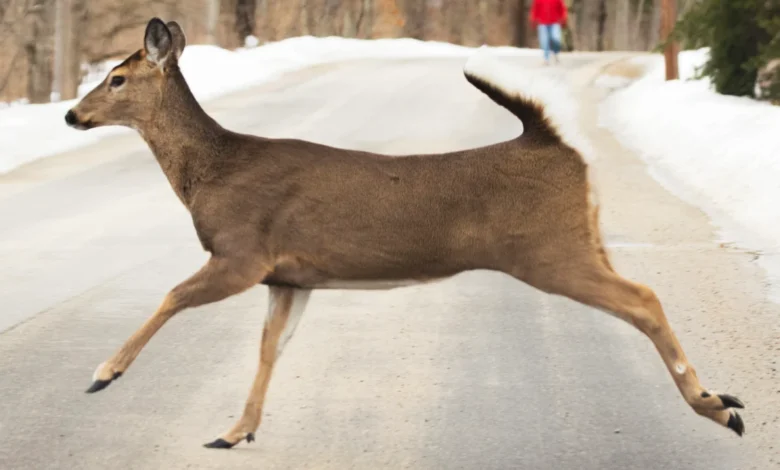
This extreme exhaustion and single-minded focus make bucks exceptionally reckless. Much like distracted teenagers, rutting deer display a severe lack of caution. They are significantly more active during daylight hours than at any other time of the year, frequently darting across major thoroughfares, rural highways, and suburban streets without checking for oncoming traffic.
A Chronology of Danger: The October-to-December Spike
The escalation of deer-vehicle collisions follows a predictable timeline each year, aligning closely with the progression of the rut and human calendar adjustments.
Late Summer to Early September: Deer remain relatively predictable in their movements, adhering closely to established home ranges. Dawn and dusk are the primary windows of activity, but interactions with high-speed vehicular traffic are comparatively low.
Late September to Early October: The daylight noticeably diminishes, and the earliest phases of the rut begin. Yearling bucks start dispersing from their birth areas in search of new territory, setting the stage for increased movement across roadways.
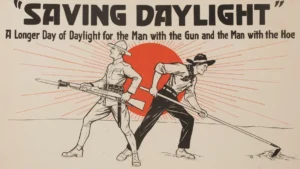
Late October through November: This represents the absolute peak of the rut across the Northern and Northeastern United States. Adult bucks actively roam in wide circles, aggressively chasing does. Concurrently, daylight-saving time ends, pushing clocks backward by one hour. This administrative shift results in millions of human commuters traveling during dusk and dawn—precisely the peak hours of movement for active, distracted deer.
December: While the intense frenzy of the primary rut begins to taper off, a secondary, smaller rut occurs for does that did not successfully breed in November. Roadway incidents remain elevated compared to the spring and summer months, though they begin a gradual decline toward winter baselines.
Statistical Realities and Data on Wildlife-Vehicle Collisions
Transportation and wildlife agencies track these seasonal spikes with sobering precision. According to data compiled by organizations such as the Federal Highway Administration and various state departments of transportation, the vast majority of deer-vehicle accidents occur between the months of October and December.
Insurance industry estimates reveal that drivers in the United States hit hundreds of thousands of deer annually, resulting in billions of dollars in vehicular damage, thousands of injuries, and dozens of fatalities each year. States with dense white-tailed deer populations—such as Pennsylvania, Michigan, Wisconsin, and New York—consistently top the lists for highest frequencies of animal-strike insurance claims during the autumn quarter.
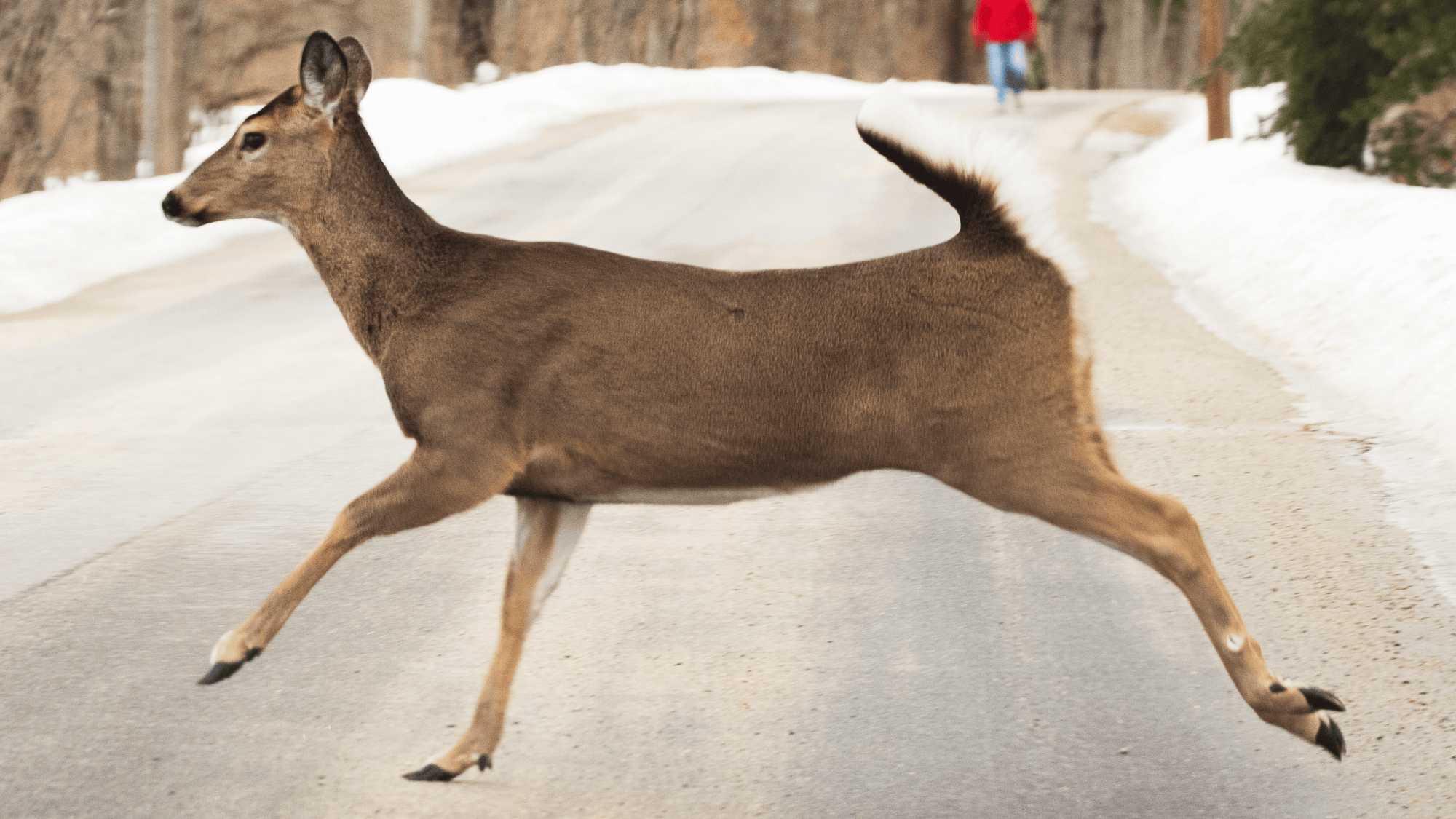
Wildlife experts emphasize that infrastructure fragmentation plays a major role in these statistics. As human development expands into traditional wildlife habitats, roadways inevitably intersect established deer migration and foraging corridors. When combined with the erratic, long-distance roaming patterns characteristic of the rut, these crossing points turn into high-risk collision zones.
Expert Insights and Wildlife Management Perspectives
Wildlife rescue organizations and state game wardens dedicate substantial resources each autumn to educating the public about the heightened risks of the season.
“During this period, many yearling bucks leave their birth areas in search of new territory, sometimes dozens of miles away,” explains a spokesperson for the Raven Ridge Wildlife Center in Pennsylvania. “At the same time, adult bucks are actively roaming their home ranges in pursuit of doe, often chasing those they encounter.”
Wildlife authorities stress that public awareness campaigns must go beyond simply telling drivers to "watch out for deer." Because deer rarely travel in complete isolation, understanding their herd dynamics is critical for preventing secondary accidents.
“Deer often travel in groups and walk single file,” notes the Raven Ridge Wildlife Center. “So even if one deer successfully crosses the road in front of a driver, it doesn’t mean the threat is over. Another could be right behind it.” This behavioral quirk catches many motorists off guard; a driver may brake for a single buck or doe, accelerate once it clears the pavement, and immediately strike a second or third animal following closely in its path.
Protocol: What to Do If You Hit a Deer
Despite preventative driving techniques—such as scanning the shoulders of the road, using high-beam headlights when safe, and heeding yellow deer-crossing warning signs—collisions are sometimes entirely unavoidable. When a vehicle strikes a deer, the immediate aftermath can be chaotic and dangerous. Safety experts and law enforcement agencies recommend a specific protocol to manage the incident.
First, motorists should safely pull their vehicles to the side of the road and activate their emergency flashers to alert oncoming traffic. In the initial shock of an impact, the natural inclination for many drivers is to exit the vehicle immediately to check on the animal or attempt to drag its body off the active roadway. Experts urge drivers to resist this temptation. Injured and cornered white-tailed deer possess immense strength, sharp hooves, and powerful antlers, and a panicked animal can inflict severe injuries on a well-meaning human.
Instead, drivers should remain inside the vehicle or move safely behind a guardrail if the roadside is secure. Passengers should be checked for injuries, and 911 should be contacted immediately. Dispatchers will route the call to local law enforcement or highway patrols, who can dispatch troopers to manage traffic, file an official accident report, and handle the animal safely.
Broader Implications for Public Safety and Conservation
The annual collision spike underscores the complex intersection between wildlife management, infrastructure design, and public safety. As suburban sprawl continues to encroach upon forested areas, managing the human-wildlife interface becomes an increasingly urgent challenge for urban planners and conservationists alike.
Transportation departments across the country are investing in innovative mitigation strategies. Wildlife overpasses and underpasses, paired with high-tensile exclusion fencing, have proven remarkably effective at guiding animals safely across major highways without risking human lives. In areas where structural overhauls are economically unfeasible, enhanced signage, vegetation clearing along roadsides to improve visibility, and driver-warning systems powered by thermal-imaging cameras are increasingly deployed.
Ultimately, navigating the autumn driving season requires a heightened sense of vigilance from motorists. By recognizing that the deer crossing their paths are driven by biological imperatives far beyond their control, drivers can better anticipate unpredictable movements. Respecting the heightened activity windows around dawn and dusk, slowing down in known migration corridors, and maintaining safe following distances can mean the difference between a scenic autumn drive and a catastrophic collision.