Paramount Skydance and Warner Bros. Discovery Agree to Prolonged Merger Delay Amidst State and WGA Antitrust Challenges

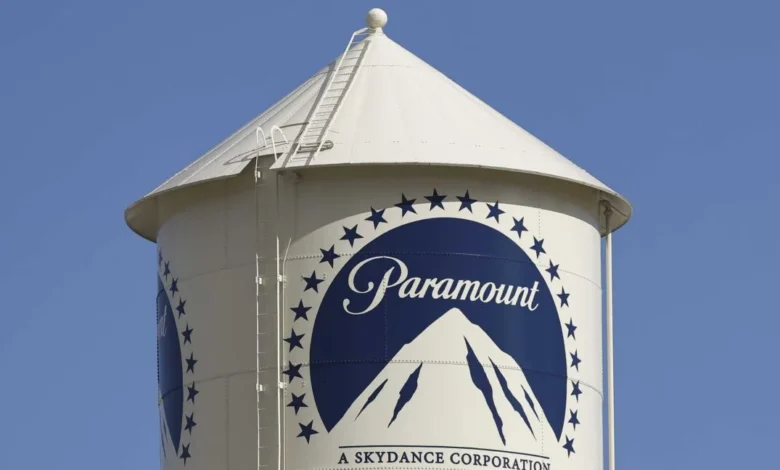
The ambitious $111 billion proposed acquisition of Warner Bros. Discovery by Paramount, through its parent company Skydance, has been subjected to a significant, longer-term delay, preventing the consolidation of the media giants until a federal judge issues a ruling on the merits of a high-profile case initiated by a coalition of U.S. states challenging the legality of the merger. This development marks a pivotal moment in the ongoing scrutiny of large-scale media consolidations, underscoring the increasing assertiveness of state-level antitrust enforcement.
The Stipulation and Its Far-Reaching Terms
In a formal stipulation filed in the US District Court for the Northern District of California, the twelve plaintiff states, led by California, along with Paramount and Warner Bros. Discovery (WBD), reached a mutual agreement that the merger will not be consummated, nor will the companies integrate their operations, until "five days after the merits determination in these matters" or June 1, 2027, whichever date arrives sooner. This legally binding accord effectively imposes a moratorium on the transaction, offering a substantial window for judicial review and deliberation. Crucially, the Writers Guild of America (WGA), which had independently filed its own lawsuit to block the merger, also consented to the terms of this delay, highlighting a broad alignment of interests among various stakeholders against the proposed consolidation. The stipulation further outlines a contingency: should a merits determination not be reached by the June 1, 2027, deadline, the plaintiffs reserve the right to seek a preliminary injunction, a legal tool that could indefinitely extend the block on the deal. This mechanism provides a built-in safeguard for the states and the WGA, ensuring that the delay is not merely a temporary pause but a genuine opportunity for thorough judicial review.
New York Attorney General Letitia James characterized the agreement as a "months-long halt" to the merger, declaring it a "critical victory in our efforts to uphold the law and protect the film and television industries." Her statement emphasized the proactive role of state attorneys general in safeguarding market competition and consumer interests. Conversely, Paramount, while acknowledging the delay, projected an image of confidence, communicating to media outlets that the outcome was "exactly what we have sought from the outset: a direct path to a trial based on the evidence." The company asserted that this trial would be the "fastest and clearest way to prove that this transaction is good for competition, good for consumers, and good for creators," a sentiment it claimed was already echoed by "dozens of competition authorities around the world." This contrasting narrative underscores the deep divisions and high stakes involved, with both sides claiming strategic advantage from the protracted legal process.
Chronology of Legal Challenges and Regulatory Scrutiny
The path to this significant delay has been fraught with legal and regulatory complexities, painting a picture of escalating scrutiny over major media mergers.
- Early 2025 (Inferred): Reports of initial discussions and potential merger plans between Paramount (via Skydance) and Warner Bros. Discovery begin to circulate within industry circles, signaling an intent to create a formidable new entity in the competitive media landscape.
- Late 2025 / Early 2026 (Inferred): The proposed $111 billion merger gains momentum, with formal announcements outlining the strategic rationale behind combining the vast assets of both companies. The merger is framed as a necessary move to achieve scale, enhance content creation capabilities, and compete more effectively against dominant streaming platforms and tech giants.
- Spring 2026: The merger receives an unexpected green light from the Trump administration’s Department of Justice (DOJ). This approval reportedly surprised many within the DOJ itself, particularly staff lawyers who had led the agency’s investigation into the deal. Internal reports suggested that these staff lawyers were leaning towards recommending a lawsuit to block the merger, citing significant antitrust concerns. This divergence between career staff recommendations and political appointees’ decisions raised questions about the impartiality and thoroughness of the review process.
- Early July 2026: A coalition of 12 U.S. states, spearheaded by California Attorney General Rob Bonta, files a comprehensive lawsuit against Paramount and WBD. The lawsuit explicitly seeks to block the merger, alleging that the proposed consolidation would substantially reduce competition within the film production and distribution markets, as well as the basic cable television channel industry, thereby violating federal antitrust laws. The plaintiffs argue that combining two of the five major Hollywood movie studios and two of the five primary owners of basic cable TV channels would create an overly concentrated market, harming consumers and creators alike.
- July 22, 2026: In a significant initial victory for the plaintiff states, Judge Araceli Martínez-Olguín of the US District Court for the Northern District of California issues a temporary restraining order (TRO) against the merger. The judge’s ruling indicates that the deal is "likely to reduce competition substantially and violate antitrust laws," providing immediate legal grounds to halt the transaction and preventing the companies from proceeding with integration while the legal process unfolds.
- July 24, 2026: The stipulation for a longer-term delay is formally filed in court. This agreement, consented to by the plaintiff states, Paramount, WBD, and the Writers Guild of America, legally enshrines the halt of the merger until either a judicial merits determination is rendered or June 1, 2027, whichever is earlier. This date establishes a clear timeline for the judicial review process, while also providing a fallback option for the plaintiffs to seek further injunctions if the review extends beyond the agreed-upon period.
Antitrust Concerns and the States’ Case
The core of the states’ legal challenge revolves around the potential for diminished competition and market concentration, particularly within the highly consolidated media industry. The plaintiffs contend that the merger would eliminate competition by combining two of the five major Hollywood movie studios, specifically Paramount Pictures and Warner Bros. Entertainment. These studios collectively produce a substantial portion of the content consumed globally, from blockbuster films to television series. Their argument is that reducing the number of major players from five to four would significantly lessen consumer choice, potentially lead to higher prices for content, and reduce the diversity of creative output.
Beyond film, the states also highlight the impact on the basic cable television market. The merger would combine two of the five major owners of basic cable TV channels. Paramount Global’s portfolio includes popular channels like Comedy Central, MTV, Nickelodeon, and CBS, while Warner Bros. Discovery boasts networks such as HBO, CNN, TNT, TBS, and Discovery Channel. The consolidation of these vast portfolios, the states argue, would grant the combined entity immense leverage in negotiations with cable providers and advertisers, potentially leading to increased subscription fees for consumers and reduced advertising options for businesses. Furthermore, the combined entity’s content library and production capabilities could stifle independent content creators and smaller studios, making it harder for them to compete for distribution and financing.
California Attorney General Rob Bonta reiterated the states’ resolve, stating, "We are eager to continue to make our case in court and celebrate another tremendous win in our effort to ensure this unlawful merger never sees the light of day." This statement underscores the states’ confidence in their legal arguments and their commitment to robust antitrust enforcement, particularly in sectors with significant public impact.
Industry Landscape and Merger Rationale
The proposed Paramount/WBD merger emerged against a backdrop of intense transformation within the global media and entertainment industry. The rise of streaming services like Netflix, Disney+, Amazon Prime Video, and Apple TV+, coupled with the accelerating trend of "cord-cutting" among consumers, has dramatically reshaped traditional revenue models for film studios and cable networks. In this environment, scale has become a perceived necessity. Companies are driven to merge to amass larger content libraries, consolidate subscriber bases, achieve greater efficiencies in production and distribution, and enhance their bargaining power in a fragmented market.
Paramount Global, with a market capitalization that has fluctuated significantly but generally hovers in the tens of billions, and Warner Bros. Discovery, with a larger market capitalization often exceeding $50 billion, collectively represent a formidable force. The rationale for the $111 billion deal was rooted in the belief that a combined entity could better compete with the tech giants and streaming behemoths, offering a more diverse array of content across film, television, news, and sports, while also realizing substantial cost synergies. Analysts had projected potential annual savings in the billions through workforce reductions, optimized content spending, and consolidated infrastructure. The aim was to create a media powerhouse capable of investing more heavily in premium content, expanding its global reach, and attracting a broader subscriber base to its streaming platforms (Paramount+ and Max, potentially merging).
However, this drive for scale has consistently run into regulatory headwinds. Recent major media mergers, such as AT&T’s acquisition of Time Warner (which later spun off WarnerMedia to merge with Discovery), and Disney’s acquisition of 21st Century Fox assets, have all faced rigorous antitrust reviews, highlighting a growing skepticism among regulators about the benefits of unchecked consolidation. The WBD-Discovery merger itself, completed in 2022, was a significant consolidation, and the proposed Paramount acquisition would represent a further, even larger, step towards concentration.
Reactions from Key Stakeholders
The protracted delay and ongoing legal battle elicit varied reactions from critical stakeholders across the industry.
- Investors and Financial Markets: The uncertainty surrounding the merger is likely to weigh on the stock prices of both Paramount and WBD. While the initial TRO caused a dip, the longer-term stipulation provides a clearer, albeit extended, timeline. Investors might view this as a period of prolonged limbo, potentially hindering strategic planning and capital allocation. The opportunity cost of a delayed merger, including legal fees and the inability to realize potential synergies, will be a concern. Both companies are carrying substantial debt loads, and the inability to leverage a combined entity’s cash flow could impact their financial flexibility.
- Employees: For thousands of employees across both organizations, the delay translates into continued uncertainty regarding job security, corporate culture, and career trajectories. Large mergers often result in significant redundancies, particularly in overlapping departments. The prolonged legal battle only extends this period of anxiety, potentially affecting morale and productivity.
- Creative Talent and Guilds: The Writers Guild of America’s active participation in blocking the merger underscores the concerns of creative talent. Guilds fear that further consolidation reduces the number of major buyers for content, diminishing their members’ negotiating power, potentially leading to lower pay, fewer creative opportunities, and a more standardized approach to content development. The WGA’s lawsuit specifically highlights these concerns regarding market power and fair compensation for writers.
- Consumers: The antitrust arguments made by the states are fundamentally about protecting consumer interests. If the merger were to proceed, consumers could face fewer choices in content, potentially higher subscription prices for streaming services or cable packages, and a reduction in diverse programming. The delay, from a consumer perspective, offers a reprieve and a chance for regulators to ensure a competitive marketplace.
- Industry Analysts: Analysts will closely watch the court proceedings for signals regarding the future of media mergers. A successful block by the states could set a significant precedent, potentially chilling future large-scale consolidation efforts in the entertainment sector. Conversely, if Paramount ultimately prevails, it could embolden other companies to pursue similar mega-deals.
Financial and Strategic Implications
The $111 billion valuation of the proposed merger, an immense figure, reflects the perceived strategic value of combining two legacy media powerhouses. However, the prolonged delay comes with significant financial and strategic implications for both Paramount and Warner Bros. Discovery.
- Opportunity Cost: The most immediate financial impact is the opportunity cost. Both companies are operating in a rapidly evolving market, and the inability to execute a transformational merger means they cannot immediately realize the projected synergies, cost savings, or combined market power that the deal promised. This could put them at a disadvantage against competitors that are either more consolidated or more agile.
- Legal Costs: The legal battle itself will incur substantial costs for both parties, involving extensive litigation, expert witnesses, and court fees. These expenses divert resources that could otherwise be invested in content, technology, or market expansion.
- Market Uncertainty: The extended uncertainty surrounding the merger can make it difficult for both companies to attract and retain top talent, make long-term strategic investments, or engage in other significant business development activities. Suppliers, partners, and advertisers may also be hesitant to commit fully, awaiting a clearer picture of the companies’ future structure.
- Strategic Alternatives: The delay forces both Paramount and WBD to re-evaluate their independent strategic paths. Paramount, particularly, has been seen as a potential acquisition target for some time. If the merger ultimately fails, both companies will need robust contingency plans, which might involve smaller acquisitions, divestitures of non-core assets, or renewed focus on organic growth and innovation. The landscape of potential partners or acquirers could also shift over time.
- Debt and Valuation: Both companies carry substantial debt from previous transactions and investments. The inability to consolidate could prolong deleveraging efforts. Furthermore, the protracted legal process and market uncertainty could impact their individual valuations, potentially leading to further pressure on their stock performance.
Broader Antitrust Precedents and Future Outlook
The legal challenge against the Paramount/WBD merger is part of a broader trend of increased antitrust enforcement, particularly from state attorneys general. Historically, the federal government (DOJ and FTC) has been the primary enforcer of antitrust laws. However, states are increasingly stepping into this role, sometimes taking more aggressive stances, especially when federal regulators appear hesitant or divided. This case, following the states’ successful intervention against the proposed JetBlue-Spirit Airlines merger, signals a growing willingness and capacity of state-level authorities to challenge large corporate consolidations.
A ruling in favor of the states would set a significant precedent, potentially reshaping the regulatory environment for future media mergers. It would underscore the judiciary’s commitment to upholding antitrust principles even against the backdrop of an industry desperate for scale. Conversely, if the merger is eventually approved after trial, it could indicate that courts are still willing to allow consolidation when companies can convincingly argue pro-competitive benefits, even if states raise concerns about market concentration.
The next phase of this legal saga will involve extensive discovery, expert testimony, and ultimately, a full trial on the merits of the antitrust claims. The outcome will not only determine the fate of a $111 billion deal and the future of two major media conglomerates but also send a powerful message about the limits of consolidation in an era of rapid technological and economic transformation. The media industry, consumers, and creators alike will be watching closely as the legal process unfolds, anticipating a decision that could redefine competition in the entertainment landscape for years to come.
Related posts: