
Secret Service Commander Dog
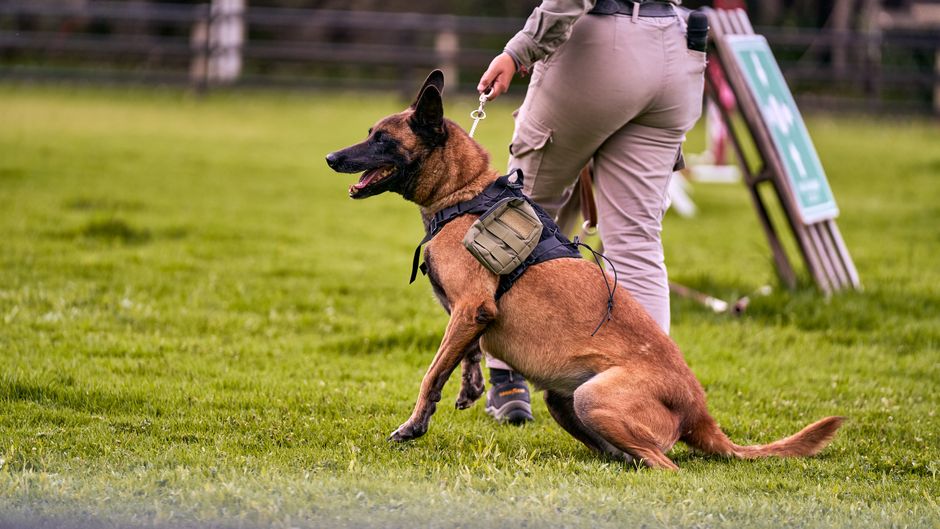
Secret Service Commander Dog: The Unsung Canine Guardians of National Security
The United States Secret Service, an agency synonymous with the protection of presidents, dignitaries, and critical infrastructure, employs a formidable arsenal of human and technological defenses. However, one of its most vital, yet often overlooked, assets is a highly specialized breed of canine: the Secret Service Commander Dog. These aren’t your average household pets; they are elite operatives, rigorously trained to perform a spectrum of critical security functions, often in high-stakes environments. Their presence significantly enhances the overall security posture of the agency, acting as an invisible shield against a myriad of threats, from explosives and narcotics to active assailants. The selection, breeding, and training protocols for these dogs are exceptionally stringent, ensuring only the most intelligent, courageous, and physically capable animals are chosen to join the ranks of this prestigious law enforcement and intelligence organization. Their handlers, themselves highly skilled Secret Service agents, undergo equally demanding training to foster an unbreakable bond and effective working partnership. This partnership is the cornerstone of their operational success, enabling them to respond with precision and speed to evolving security challenges. The inherent abilities of certain canine breeds, when amplified by specialized training and dedicated handlers, create a unique and indispensable security asset for the Secret Service.
The foundational role of a Secret Service Commander Dog revolves around detection and deterrence. Among their most crucial responsibilities is the identification of explosive devices. In a world where the threat of terrorism is ever-present, the ability of a canine to detect minute traces of explosive compounds is paramount. These dogs are trained to sniff out a vast array of explosive materials, including but not limited to dynamite, C4, RDX, and even homemade explosives. Their olfactory senses are exponentially more sensitive than any human’s or technological detection device available. This allows them to sweep venues, vehicles, and individuals for hidden threats with unparalleled efficiency and accuracy. The training involves exposing them to various scents under controlled conditions, gradually increasing the complexity and subtlety of the odors they must identify. Positive reinforcement, utilizing treats and praise, is the primary training methodology, building a strong positive association with successful scent detection. Beyond active detection, the mere presence of a trained explosive detection dog can serve as a powerful deterrent to individuals contemplating malicious acts. The visible deployment of these canines signals a heightened security presence, potentially discouraging those with harmful intentions. This dual function – detection and deterrence – makes them an integral part of the Secret Service’s proactive security strategy, particularly in high-profile events and during presidential movements.
Beyond explosives, Secret Service Commander Dogs are also highly adept at detecting narcotics. While the primary mission of the Secret Service is protection, their mandate also extends to combating criminal activity, including drug trafficking, which can be intertwined with threats to national security. These dogs are trained to identify a wide range of illegal substances, such as cocaine, heroin, methamphetamine, and marijuana. Their ability to pinpoint hidden stashes in luggage, vehicles, or even within structures provides law enforcement with invaluable intelligence and operational capabilities. The training for narcotics detection follows a similar positive reinforcement model as explosive detection. Dogs are exposed to the scents of various drugs, and successful identification is rewarded. This rigorous training ensures they can distinguish between target scents and harmless everyday odors, minimizing false positives. The effective deployment of these K9 units in areas with high foot traffic or during investigations significantly contributes to disrupting illicit drug networks and preventing them from impacting the safety and security of the nation. Their role in this capacity supports broader law enforcement objectives and reinforces the Secret Service’s multifaceted approach to security.
In addition to their specialized detection capabilities, Secret Service Commander Dogs are also trained for a more direct form of protection: patrol and apprehension. These dogs are not merely scent detectors; they are highly trained guardians capable of neutralizing threats. Their rigorous physical conditioning and specialized bite work training equip them to engage and subdue aggressive individuals who pose an imminent danger to those they are tasked with protecting. This aspect of their training is crucial for scenarios involving active assailant threats or attempts to breach security perimeters. The apprehension training involves controlled simulations where the dog is encouraged to chase and apprehend a decoy, often wearing protective gear. This ensures the dog’s control and responsiveness, emphasizing the handler’s command over the dog’s actions. The goal is not gratuitous aggression but a controlled and decisive intervention to incapacitate a threat until human agents can take over. This capability is a vital last line of defense, providing an immediate and effective response to violent situations that human agents might not be able to address as rapidly or effectively. The mere presence of these formidable canines can act as a significant deterrent to potential attackers.
The selection process for Secret Service Commander Dogs is exceptionally rigorous, ensuring that only the most suitable candidates are chosen. Breeds like German Shepherds, Belgian Malinois, and Labrador Retrievers are commonly favored due to their inherent intelligence, trainability, courage, and strong work ethic. These breeds possess a natural aptitude for scent work, a keen protective instinct, and the physical stamina required for demanding security operations. Beyond breed, individual temperament is a critical factor. Potential canine candidates undergo extensive behavioral assessments to evaluate their drive, focus, sociability, and absence of undue aggression or timidity. Puppies are often selected from reputable breeders or sourced from specialized canine training facilities. Once selected, they embark on a comprehensive and multi-year training regimen. This training is not a one-time event but an ongoing process, with continuous skill refinement and specialized coursework throughout the dog’s service life. The investment in selecting and training these animals reflects their indispensable value to the Secret Service’s mission.
The partnership between a Secret Service handler and their canine is a relationship built on trust, communication, and mutual reliance. Handlers are not simply supervisors; they are integral to the dog’s operational effectiveness. Secret Service agents who are selected to become K9 handlers undergo specialized training to understand canine behavior, learn advanced handling techniques, and master communication signals, both verbal and non-verbal. This training emphasizes building a strong, positive bond with their canine partner, recognizing that this relationship is the bedrock of their success. Handlers are responsible for the dog’s daily care, health, and continuous training. They must be able to read their dog’s subtle cues, understand their alerts, and make split-second decisions based on the canine’s input. This symbiotic relationship allows them to work seamlessly as a team, effectively covering larger areas, responding more quickly to threats, and gathering critical intelligence that would be impossible with human personnel alone. The dedication and expertise of these handlers are as vital as the dog’s inherent capabilities.
The operational deployment of Secret Service Commander Dogs is diverse and crucial. They are routinely deployed to secure locations where the President or other protectees will be present. This includes presidential residences, office buildings, international summits, public appearances, and transportation hubs. Their presence is integral to sweep operations, ensuring that venues are free of explosive threats and that potential security vulnerabilities are identified and mitigated. During motorcade operations, K9 units may be positioned along the route to scan for any suspicious activity or devices. In diplomatic missions and state visits, they provide an added layer of security for visiting dignitaries and their entourages. Beyond these high-profile events, Secret Service K9s are also involved in intelligence gathering operations and investigations where their specialized detection skills are required. Their ability to operate discreetly or visibly, depending on the mission, makes them a versatile and adaptable asset in a wide range of security scenarios. The strategic placement and deployment of these canine teams are meticulously planned to maximize their effectiveness and minimize risk.
The advanced training protocols employed by the Secret Service for their Commander Dogs are designed to create highly specialized operatives capable of performing a multitude of tasks. Beyond basic scent detection, training can extend to advanced obedience, obstacle negotiation, and even tactical maneuvers. For explosive detection, dogs learn to differentiate between various explosive compounds, recognize masked scents, and indicate their findings with a clear, consistent alert. Narcotics detection training focuses on identifying specific drug families and reporting their presence accurately. Apprehension training involves controlled scenarios to develop a dog’s controlled aggression, focusing on subduing threats on command and releasing on cue. Moreover, the dogs are desensitized to a wide range of environmental stressors, including loud noises, crowds, and various types of vehicles, ensuring they can perform their duties effectively in chaotic and unpredictable situations. Continuous reinforcement and ongoing specialized courses ensure that their skills remain sharp and that they can adapt to new and evolving threats. This commitment to advanced, ongoing training underscores the critical nature of their role.
The impact of Secret Service Commander Dogs on national security is substantial and far-reaching. They provide an indispensable layer of defense, enhancing the overall security framework through their unique capabilities. By detecting threats that might otherwise go unnoticed, they prevent potential attacks and safeguard lives. Their deterrent effect discourages hostile actors from attempting to infiltrate secure areas or carry out malicious acts. In complex security operations, they act as force multipliers, extending the reach and effectiveness of human agents. The intelligence they gather through scent detection can be crucial in disrupting criminal enterprises and preventing acts of terrorism. Furthermore, their role in protecting high-profile individuals and critical infrastructure contributes directly to the stability and safety of the nation. The integration of these highly trained canines into the Secret Service’s operational strategy is a testament to their proven efficacy and their status as essential guardians of national security. Their silent vigilance and unwavering dedication are crucial components of the agency’s commitment to protecting the nation’s leaders and its vital interests.
