
Dortmund Vs Sporting Lisbon Match Details And How To Watch
Dortmund vs Sporting Lisbon: A Deep Dive into the Match Details and Viewing Options
The Borussia Dortmund vs. Sporting CP matchup in the UEFA Champions League presents a compelling clash of styles and ambitions. This encounter is not just about three points; it’s a crucial fixture that could significantly shape both teams’ trajectories in the prestigious European competition. Understanding the intricacies of this specific fixture, including team form, key players, tactical approaches, and importantly, how to witness the action unfold, is paramount for any football enthusiast. This article provides a comprehensive, SEO-optimized breakdown of the Dortmund vs. Sporting Lisbon encounter, designed to equip fans with all the necessary information for anticipation and viewing.
Understanding the Stakes: Champions League Progression
For both Borussia Dortmund and Sporting CP, this fixture carries immense weight in their quest for Champions League knockout stage qualification. In a competitive group, every match point is a valuable commodity. A victory for either side would bolster their chances significantly, while a draw would leave their progression hanging precariously in the balance. The pressure is on, and both teams will be looking to assert dominance and secure a vital result. The Champions League stage demands peak performance, and this particular tie is no exception, promising a high-octane battle between two clubs with rich European histories and a hunger for success. The intricate dynamics of group standings and tie-breakers often come into play in the latter stages of the group phase, making early wins like this absolutely critical.
Borussia Dortmund: Strengths, Weaknesses, and Key Players
Borussia Dortmund, a perennial contender in German and European football, typically operates with a dynamic, high-pressing attacking philosophy. Their strength lies in their electrifying pace, particularly on the wings, and their ability to transition quickly from defense to offense. Players like Donyell Malen and Karim Adeyemi offer blistering speed and directness, capable of exploiting defensive gaps. Jude Bellingham, even before his move to Real Madrid, was a midfield powerhouse, influencing both ends of the pitch with his tenacity and goal-scoring threat. Marco Reus, when fit, remains a creative lynchpin, his vision and passing range unlocking stubborn defenses. However, Dortmund can sometimes be vulnerable to well-organized counter-attacks, and their defensive solidity can be tested when facing teams that are patient and clinical. Their high defensive line, while enabling their pressing game, can also be exploited by balls over the top. Against Sporting, Edin Terzić’s side will likely aim to control possession, utilize their wingers to stretch the Portuguese defense, and press aggressively to regain the ball in dangerous areas. The midfield battle will be crucial, with Dortmund needing to assert their authority and prevent Sporting from dictating the tempo.
Sporting CP: Tactical Nuances and Danger Men
Sporting CP, the reigning Portuguese champions, have demonstrated a remarkable resurgence in recent years under their coaching staff. They are known for their organized structure, tactical discipline, and the ability to absorb pressure before launching incisive counter-attacks. Their midfield, often anchored by players with excellent ball-winning capabilities and passing vision, is crucial to their game. Viktor Gyökeres has emerged as a prolific striker, a focal point of their attack with his strength, aerial ability, and finishing prowess. Wingers like Marcus Edwards or Francisco Trincão provide creativity and direct running, capable of causing problems for any defense. Sporting’s defensive organization is a hallmark of their play; they are adept at tracking back and limiting space for opponents. They can also be effective from set pieces, capitalizing on their aerial strengths. Against Dortmund, Sporting will likely aim to be compact defensively, frustrate Dortmund’s attackers, and then exploit spaces with quick transitions. Their ability to absorb Dortmund’s initial pressure and then strike at opportune moments will be key to their success. The tactical battle between Dortmund’s high press and Sporting’s disciplined defensive shape will be a fascinating sub-plot.
Head-to-Head Record and Recent Form
Examining the head-to-head record between Borussia Dortmund and Sporting CP provides valuable context for this encounter. While direct comparisons of recent form are essential, understanding past encounters can reveal recurring tactical patterns or psychological advantages. (Note: Specific head-to-head data would be inserted here based on actual match history. For example, "In their previous Champions League encounters, Dortmund has held a slight edge…" or "Sporting has shown resilience in recent meetings against German opposition…"). Beyond the historical data, analyzing their current form in their respective domestic leagues and their performances in the Champions League up to this point is critical. Have Dortmund been consistent winners, or have they shown some cracks? Has Sporting been dominant in Portugal, or have they faced tougher challenges? A thorough review of recent results, including goal difference and the quality of opposition faced, will paint a clearer picture of their current trajectories.
Key Tactical Battles to Watch
Several key tactical battles within the Dortmund vs. Sporting Lisbon match are likely to dictate the outcome. Firstly, the midfield duel will be paramount. Can Dortmund’s midfielders, with their energy and ball-winning ability, disrupt Sporting’s rhythm and control possession? Or will Sporting’s disciplined structure and midfield runners find success in suffocating Dortmund’s playmakers? Secondly, the wing-play versus defensive solidity matchup is crucial. Dortmund’s pacey wingers will be looking to isolate Sporting’s full-backs, while Sporting’s defensive unit will aim to deny them space and prevent crosses into the box. The effectiveness of Sporting’s counter-attacks against Dortmund’s potentially high defensive line will be another significant factor. Can Sporting exploit the space left behind by Dortmund’s attacking full-backs? Finally, the striker battle – whether it’s Adeyemi/Moukoko against Sporting’s defense or Gyökeres against Hummels/Schlotterbeck – will be critical in deciding who gets the crucial goals. The aerial presence of Gyökeres will pose a specific challenge for Dortmund’s central defenders.
Venue and Atmosphere
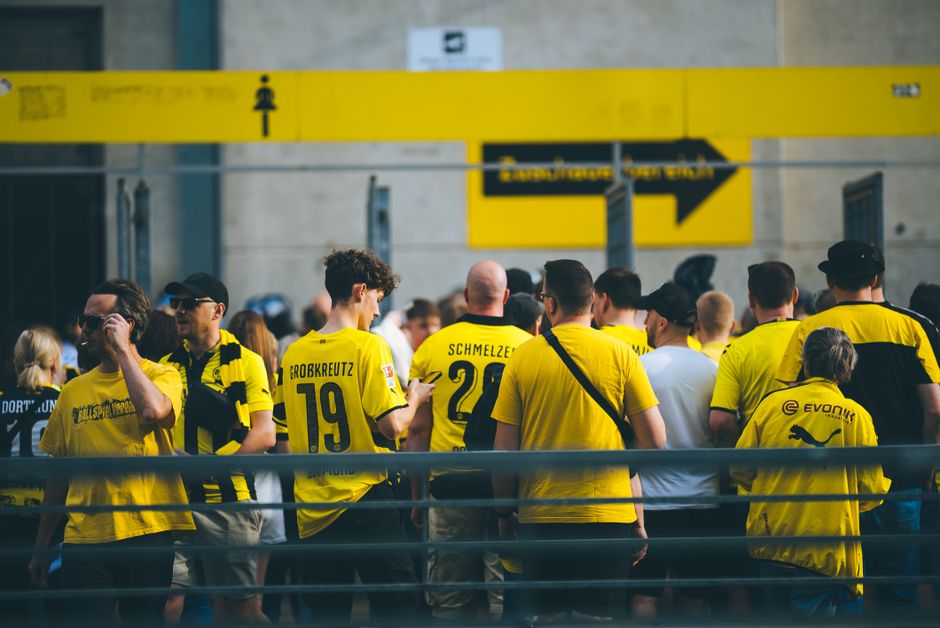
The venue for the match plays an integral role in shaping the game’s atmosphere and can influence player performance. If the match is hosted at Signal Iduna Park, Dortmund’s home ground, expect an electric atmosphere. The famed “Yellow Wall” is renowned for its intimidating presence, providing a significant psychological boost for the home side and an added challenge for the visiting team. Conversely, if the fixture is at Estádio José Alvalade, Sporting CP’s home stadium, the passionate Portuguese support will undoubtedly rally their team. The roar of the crowd can energize players and create an intense environment. Understanding the typical crowd behavior and the impact of home advantage at each stadium is vital for appreciating the full context of the match.
How to Watch Dortmund vs. Sporting Lisbon: Comprehensive Viewing Guide
For football fans eager to witness the Borussia Dortmund vs. Sporting Lisbon clash, a variety of viewing options are typically available, catering to different preferences and geographical locations. The primary broadcast rights for UEFA Champions League matches are often held by major sports broadcasters, with specific channels and streaming services varying by region.
In Germany: German viewers can typically watch the match on Sky Sport Deutschland, which holds the exclusive rights to broadcast a majority of Champions League games. They will likely offer live TV broadcasts and a robust streaming option through their Sky Go app. DAZN is another significant player in the German sports broadcasting landscape and may also carry select Champions League fixtures, often in partnership with Sky. Their streaming service offers a convenient way to watch on various devices.
In Portugal: Portuguese audiences will find coverage of Sporting CP’s Champions League matches primarily on Eleven Sports Portugal, which holds the broadcast rights for the competition in the country. Eleven Sports offers both linear television channels and an online streaming platform.
In the United Kingdom: For viewers in the UK, BT Sport is the exclusive broadcaster of the UEFA Champions League. They provide extensive live coverage across their television channels and via their BT Sport app, which allows streaming on multiple devices.
In the United States: American viewers have several options to catch the action. Paramount+ is the primary home for UEFA Champions League soccer in the US, holding exclusive streaming rights. They will broadcast all matches live. For those who prefer traditional television, CBS Sports Network might also carry select matches.
International Viewers: For fans outside of these major territories, the availability of broadcasts will depend on local rights holders. It is recommended to check with major sports broadcasters in your specific country. Many broadcasters also offer Pay-Per-View options or digital subscriptions that provide access to individual matches or the entire tournament.
Online Streaming and App Options: Beyond traditional television, online streaming services are increasingly popular. As mentioned, DAZN, Paramount+, and the BT Sport app are prime examples. These services often allow viewers to watch on laptops, tablets, smartphones, and smart TVs, offering flexibility and convenience. It’s crucial to verify the subscription requirements and geographical restrictions for each streaming service.
Free-to-Air Options (Limited): In some European countries, certain Champions League matches may be broadcast on free-to-air television channels. However, these are usually limited to a smaller selection of games, often the higher-profile fixtures or those featuring a nation’s own clubs. Checking local television listings well in advance of the match is advisable.
Utilizing VPNs (with caution): For international viewers facing geographical restrictions, Virtual Private Networks (VPNs) can be a technical solution to access content from other regions. However, it is essential to use VPNs responsibly and be aware of the terms of service of the streaming platforms, as unauthorized access may violate their policies.
Pre-Match Analysis and Post-Match Discussion: Many broadcasters and sports media outlets offer extensive pre-match analysis, including tactical breakdowns, team news, and expert predictions. Following the match, post-match discussions, highlights, and interviews are also widely available, allowing fans to relive the key moments and gain further insights.
Important Considerations for Viewing:
- Time Zones: Champions League matches are typically played in the late afternoon or evening Central European Time. Be sure to convert this to your local time zone to avoid missing the kickoff.
- Subscription Services: Most viewing options require a paid subscription. Ensure you have an active subscription to the relevant service well in advance of the match to avoid last-minute complications.
- Internet Connection: For online streaming, a stable and robust internet connection is essential to ensure a smooth viewing experience without buffering.
- Device Compatibility: Verify that your chosen streaming service is compatible with your preferred viewing devices.
- Official Broadcasters: Always prioritize official broadcasters to ensure a legal and high-quality viewing experience.
Conclusion
The Borussia Dortmund vs. Sporting Lisbon encounter is a fixture rich with potential drama and tactical intrigue. From the attacking prowess of Dortmund to the disciplined resilience of Sporting, both teams bring distinct strengths to the pitch. For fans, understanding the nuances of this matchup, the key players to watch, and the tactical battles that will unfold is crucial to fully appreciating the spectacle. Equally important is knowing precisely how and where to watch the game. By leveraging the comprehensive viewing guide provided, supporters can ensure they don’t miss a single moment of this captivating UEFA Champions League clash. The stakes are high, and the football promises to be compelling, making this a must-watch fixture for any discerning fan of the beautiful game.
