Sean “Diddy” Combs’ Legal Team Seeks Withdrawal in Defamation Lawsuit Over Unpaid Fees and Communication Breakdown

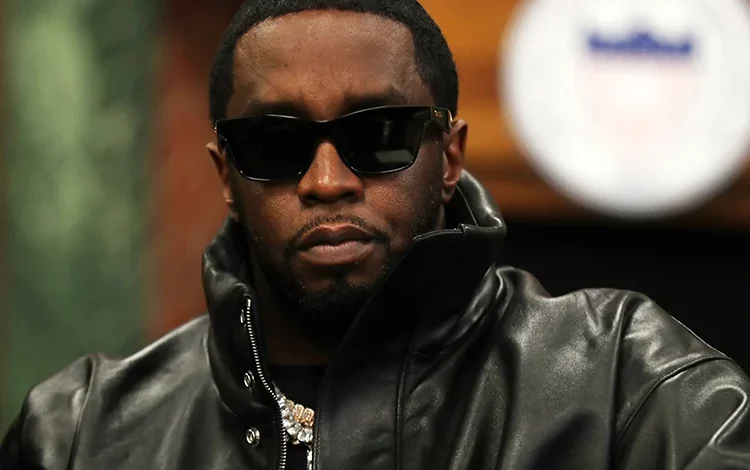
Imprisoned hip-hop mogul Sean “Diddy” Combs is facing a fresh legal hurdle behind bars as the defense attorneys representing him in an active defamation lawsuit have formally asked a federal court for permission to withdraw from the case. The request, brought forth by Michael Tremonte of the prominent law firm Sher Tremonte, underscores a severe breakdown in the attorney-client relationship, driven primarily by prolonged nonpayment of legal fees, a lack of cooperation, and complete noncommunication from Combs.
The development adds another layer of complexity to the embattled entertainer’s legal woes. While Combs currently serves a 50-month prison sentence in a New Jersey federal correctional facility following a high-profile criminal conviction, his civil litigation matters continue to unravel against a backdrop of escalating financial disputes with his own counselors.
The Core Dispute: Unpaid Invoices and Alleged Overbilling
According to court filings and reports surfaced by Rolling Stone, Tremonte and his firm have not received payment from Combs for more than six months. Furthermore, the legal team contends that Combs has become entirely uncooperative and unresponsive, rendering it impossible to effectively manage his active litigation.
The defamation lawsuit at the heart of this withdrawal was filed by Combs’ legal team in the U.S. District Court for the Southern District of New York. The suit targets Nexstar Media—the parent company of NewsNation—alongside attorney Ariel Mitchell and her client, Courtney Burgess. The litigation stems from a controversial 2024 on-air media segment in which Burgess alleged that Combs had laced baby oil with illicit drugs and administered it to unsuspecting victims. Combs vehemently denied the allegations, characterizing them as entirely fabricated and defamatory, and subsequently launched the federal lawsuit to protect his reputation.
However, the civil action has now stalled due to the fracturing relationship between the plaintiff and his counsel. Responding to the withdrawal request, Combs issued a public statement through a spokesperson, asserting that he initiated a change in legal representation due to financial discrepancies. Combs alleged that the Sher Tremonte firm had inflated his bills with unapproved charges.
“This is strictly a business matter, and any talk about unpaid fees is just part of our dispute over those unapproved charges,” Combs’ spokesperson stated, signaling that the mogul intends to retain new counsel to handle the defamation proceedings.
In stark contrast, Tremonte pushed back against these assertions, defending the integrity and diligence of his legal team. In an official statement provided to media outlets, Tremonte emphasized that the firm maintained high professional standards despite difficult circumstances.
“As stated in our court filings, we are withdrawing from representing him because he has not paid his long-overdue invoices and has become uncooperative. Any suggestion that we overcharged him is simply false,” Tremonte said, adding that the firm had “represented Mr. Combs zealously and very efficiently under challenging circumstances.”
Background Context: The Fall of a Mogul
To fully understand the gravity of Combs’ current legal friction, it is essential to examine the broader sequence of events that led to his incarceration and financial strain. Once celebrated as one of the most powerful and influential figures in the global music industry, Combs saw his empire rapidly unravel amid a wave of civil lawsuits, federal investigations, and public allegations of misconduct.
The scrutiny culminated in a federal indictment that ultimately led to Combs’ trial and conviction on two counts of violating the Mann Act, which prohibits the transportation of individuals across state lines for the purposes of prostitution. Following a closely watched trial that captivated the public and legal experts alike, a federal judge sentenced Combs to 50 months—just over four years—in a federal prison in New Jersey.
Legal analysts have noted that defending high-profile criminal and civil cases concurrently demands immense financial and operational resources. The ongoing cost of mounting a vigorous defense across multiple federal jurisdictions has placed significant pressure on Combs’ financial assets, contributing directly to the billing disputes that have now alienated his civil litigators.
Chronology of Events
The intersection of Combs’ criminal sentencing, civil litigation, and the recent fallout with his defense counsel can be mapped across a distinct timeline:
- Late 2024: Courtney Burgess appears on a NewsNation segment broadcast by Nexstar Media, making explosive allegations regarding Combs allegedly drugging victims. Combs strongly denies the claims.
- Late 2024 / Early 2025: Backed by the Sher Tremonte law firm, Combs files a federal defamation lawsuit in the U.S. District Court for the Southern District of New York against Nexstar Media, Ariel Mitchell, and Courtney Burgess.
- Mid-2025: Combs faces federal charges, leading to a high-profile criminal trial resulting in his conviction on two counts of violating the Mann Act.
- 2025–2026: Combs is sentenced to 50 months in federal prison and begins serving his time in a New Jersey federal correctional institution. Concurrently, payments to his civil defense team reportedly cease.
- September 2026: Michael Tremonte and the Sher Tremonte firm officially file motions to withdraw as Combs’ counsel in the defamation case, citing over six months of unpaid invoices and total noncommunication from the client. Combs counters with allegations of unapproved billing.
Broader Implications for Combs’ Ongoing Litigation
The withdrawal of Sher Tremonte carries significant procedural and strategic implications for Combs’ civil docket. In federal court, an attorney cannot simply walk away from a client without judicial approval. Judge presiding over the Southern District of New York must formally grant the motion to withdraw. Typically, courts will grant such requests when there is an irreconcilable breakdown in the attorney-client relationship or a persistent failure by the client to pay legal fees, provided that the withdrawal does not severely prejudice the opposing parties or unduly delay the administration of justice.
However, finding replacement counsel while serving a federal prison sentence presents a formidable logistical challenge. High-stakes federal litigation requires deep coordination, regular client consultations, and substantial financial retainers. Given that Combs is currently embroiled in multiple legal fronts—including defense against a battery of civil lawsuits filed by various plaintiffs—attorneys may approach taking on his remaining civil matters with heightened caution, particularly in light of the public fee dispute with Sher Tremonte.
Legal ethics experts point out that high-profile clients frequently clash with their lawyers over billing structures, scope of work, and litigation strategy, especially when their liquid assets are tied up, frozen, or heavily depleted by criminal defense expenses. As civil plaintiffs’ lawyers continue to signal intentions of filing additional lawsuits against Combs in the coming months, his ability to secure and retain stable legal representation will be critical to navigating his ongoing legal battles.
For now, the federal court in New York must rule on Sher Tremonte’s motion to withdraw. Until new counsel steps in or Combs resolves his representation status, his defamation action against Nexstar Media and its co-defendants remains paused, highlighting how financial friction and communication breakdowns can derail even the most aggressive legal counterattacks from behind bars.