
Category Faith And Holidays
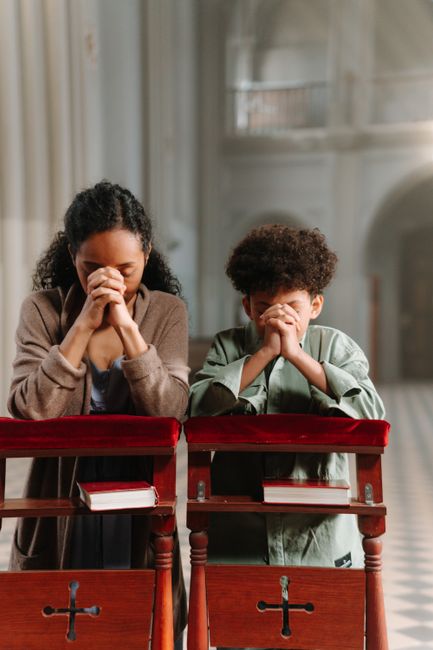
Faith and Holidays: Unveiling the Intertwined Threads of Spirituality and Celebration
The intricate tapestry of human culture is deeply interwoven with threads of faith and the subsequent observance of holidays. These observances are not merely arbitrary dates on a calendar; they are profound expressions of collective belief systems, historical narratives, and the fundamental human need for meaning and connection. Understanding the category of "faith and holidays" requires delving into the diverse spiritual traditions that shape societies worldwide, examining the origins and evolution of their celebratory practices, and appreciating the multifaceted roles these holidays play in individual lives and communities. From the solemn introspection of religious festivals to the joyous communal gatherings, faith-based holidays offer a unique lens through which to view the values, aspirations, and shared histories of billions. This article will explore the foundational elements of this category, tracing its influence across various religions and cultures, and highlighting its enduring significance in the modern world.
The concept of "faith" itself is broad, encompassing a spectrum of beliefs, practices, and worldviews centered around the divine, the transcendent, or a set of guiding principles that provide moral and existential frameworks. This can range from monotheistic religions like Christianity, Islam, and Judaism, with their emphasis on a singular God, to polytheistic traditions that acknowledge multiple deities, and to non-theistic spiritual paths that focus on personal enlightenment and ethical conduct. Regardless of the specific tenets, faith often provides individuals with a sense of purpose, a moral compass, and a community of like-minded believers. Holidays, in this context, emerge as critical manifestations of these faiths. They serve as dedicated periods for remembrance, gratitude, atonement, renewal, and communal reinforcement of shared beliefs. The timing of these holidays is often dictated by lunar cycles, solar events, or significant historical or mythical occurrences, anchoring them firmly within the spiritual narratives of their respective traditions.
Christian holidays, for instance, are deeply rooted in the life and teachings of Jesus Christ. Christmas, celebrating his birth, is a period of immense global significance, marked by religious services, family gatherings, gift-giving, and elaborate decorations. Its theological underpinnings emphasize hope, peace, and the divine incarnation. Easter, commemorating the resurrection of Jesus, is the most important festival in the Christian calendar, symbolizing victory over death and the promise of eternal life. It is characterized by Lenten observances, Good Friday services, and joyous Easter Sunday celebrations. Other Christian holidays, such as Pentecost, Advent, and various saints’ days, further punctuate the liturgical year, offering opportunities for reflection on specific theological concepts and historical events within the Christian narrative. These holidays are not simply cultural phenomena; they are integral to the spiritual practice and identity of billions, providing regular touchpoints for faith reinforcement and communal worship.
Islamic holidays are equally central to the practice of Islam, guided by the Hijri calendar, which is lunar. Eid al-Fitr, marking the end of Ramadan, the month of fasting, is a joyous occasion characterized by communal prayers, feasting, charitable giving, and visits to family and friends. It signifies spiritual accomplishment and gratitude for divine guidance. Eid al-Adha, the Festival of Sacrifice, commemorates the willingness of Ibrahim (Abraham) to sacrifice his son. It involves ritual animal sacrifice, with the meat distributed to family, friends, and the poor, emphasizing themes of obedience, compassion, and remembrance. The month of Ramadan itself is a period of intense spiritual discipline, marked by fasting from dawn to dusk, increased prayer, and reflection, making it a significant, albeit not a holiday in the celebratory sense, period of profound religious observance. The observance of these holidays strengthens the bonds of the Ummah (global Muslim community) and reaffirms core Islamic principles.
Jewish holidays are intrinsically linked to the history and covenantal relationship between God and the Jewish people, as described in the Torah. Passover (Pesach) commemorates the Exodus from Egypt, a foundational event in Jewish history, celebrated with a Seder meal, symbolic foods, and the recounting of the liberation narrative. The emphasis on freedom and redemption is paramount. Rosh Hashanah, the Jewish New Year, is a time of introspection, prayer, and sounding the shofar (ram’s horn), symbolizing divine sovereignty and the call to repentance. Yom Kippur, the Day of Atonement, is the holiest day in Judaism, a solemn fast day dedicated to seeking forgiveness from God and fellow humans. Sukkot, the Festival of Booths, commemorates the Israelites’ dwelling in temporary shelters in the desert, fostering gratitude for divine protection and a connection to agricultural cycles. Hanukkah, the Festival of Lights, celebrates the rededication of the Second Temple and the miracle of the oil, emphasizing themes of perseverance, religious freedom, and divine intervention. These holidays are vital for transmitting Jewish heritage, values, and identity across generations.
Beyond the Abrahamic faiths, other major religious traditions also have their unique sets of significant holidays. In Hinduism, Diwali, the Festival of Lights, is one of the most prominent. It symbolizes the victory of light over darkness, good over evil, and knowledge over ignorance, marked by the lighting of diyas (oil lamps), fireworks, feasting, and the exchange of gifts. Holi, the Festival of Colors, celebrates the arrival of spring and the triumph of good over evil, characterized by playful throwing of colored powders and water. The significance of these holidays lies in their connection to mythological narratives, astrological alignments, and the cyclical nature of life and the universe as understood in Hindu philosophy.
Buddhism, while not centered on a creator deity in the same way as monotheistic religions, observes significant holidays that commemorate key events in the life of Siddhartha Gautama (the Buddha) and important spiritual principles. Vesak (Buddha Day) is the most sacred Buddhist festival, celebrating the birth, enlightenment, and death of the Buddha, observed with prayer, meditation, and acts of compassion. Other Buddhist festivals, such as Asalha Puja (Dhamma Day) and Magha Puja, reinforce core Buddhist teachings on the Dhamma (teachings) and the Sangha (community of monks and nuns). These holidays provide opportunities for devotees to deepen their understanding of Buddhist philosophy and practice mindfulness.
The role of faith-based holidays extends far beyond mere religious observance. They are powerful engines of cultural transmission, carrying down traditions, stories, and moral lessons from one generation to the next. The rituals, songs, foods, and social customs associated with these holidays create shared experiences that foster a sense of belonging and collective identity. For individuals, holidays can offer a crucial period for spiritual renewal, a chance to reconnect with their faith, and to reflect on their personal journeys. The break from the routines of everyday life, often mandated by these holidays, allows for introspection and a recalibration of priorities, reinforcing the values that underpin their spiritual beliefs.
Moreover, faith and holidays play a significant role in shaping societal values and ethics. Many holidays emphasize themes of compassion, forgiveness, generosity, justice, and peace, encouraging individuals and communities to embody these principles in their daily lives. The charitable components of many religious festivals, for example, underscore the importance of social responsibility and caring for the less fortunate. The communal nature of these celebrations also strengthens social cohesion, fostering intergenerational connections and building bridges within communities.
In contemporary society, the category of "faith and holidays" continues to evolve and interact with broader cultural trends. Globalization has led to increased awareness and, in some cases, secular adoption of holidays originating from diverse faith traditions. While some may participate in these celebrations for cultural or social reasons, their original spiritual significance often remains a core element for adherents. The commercialization of some holidays, while a point of contention for some, also highlights their widespread cultural penetration and economic impact.
From an SEO perspective, understanding the nuances of "faith and holidays" involves recognizing the diverse keywords and search queries individuals use. These might include specific holiday names (e.g., "Christmas traditions," "Diwali customs," "Passover meaning"), religious affiliations ("Christian holidays," "Islamic festivals," "Jewish observances"), and broader thematic searches ("spiritual celebrations," "religious festivals around the world," "holidays that promote peace"). Content creation within this category should aim to be comprehensive, informative, and to address the various facets of these celebrations, from their historical origins and theological significance to their contemporary practices and cultural impact. The enduring appeal of faith and holidays lies in their ability to connect individuals to something larger than themselves – to history, to community, to tradition, and to the profound questions of existence that have occupied humanity for millennia. The ongoing observance and adaptation of these holidays underscore their vital and dynamic role in shaping the human experience.
