
Ukraine Avdiivka Withdraw Despair
Ukraine’s Avdiivka Withdrawal: A Strategic Shift Marked by Despair and Resilience
The recent withdrawal of Ukrainian forces from Avdiivka represents a deeply significant and emotionally charged moment in the ongoing conflict with Russia. This strategic retreat, after months of intense and attritional fighting, underscores the immense pressure exerted by the invading forces and the severe challenges Ukraine faces in sustaining its defense. While framed by Kyiv as a necessary tactical maneuver to preserve personnel and regroup, the tangible loss of a key stronghold, especially one that had become a symbol of Ukrainian resistance, carries a heavy psychological and operational weight. The decision to pull back from Avdiivka was not made lightly, but rather born out of a stark assessment of dwindling ammunition supplies, overwhelming Russian artillery superiority, and the imperative to avoid a catastrophic encirclement that could have led to thousands of Ukrainian soldiers being captured or killed. This withdrawal, therefore, is a testament to the grim realities of modern warfare, where strategic necessity often clashes with the deep emotional ties soldiers and the nation forge with their defensive positions.
The tactical imperative behind the Avdiivka withdrawal is rooted in the arduous nature of prolonged urban warfare. For months, Ukrainian defenders held out against relentless assaults, transforming the industrial city into a fortified labyrinth. This prolonged resistance, while commendable, came at a significant cost in terms of resources and personnel. As Russian forces intensified their attacks, particularly after the summer counteroffensive failed to achieve significant breakthroughs, the strategic calculus shifted. Avdiivka, once a buffer zone and a tactical linchpin, began to morph into a salient that was increasingly difficult to defend against overwhelming enemy numbers and materiel. The Ukrainian military leadership, facing a critical shortage of artillery shells and facing increasing pressure on multiple fronts, had to make a brutal choice: continue to bleed soldiers in a futile attempt to hold ground that was becoming tactically untenable, or execute a controlled withdrawal to preserve their fighting capacity. The decision to withdraw was a stark acknowledgment of the limitations imposed by the current geopolitical and military landscape, where sustained Western military aid, particularly in the form of ammunition, has been slow to arrive and insufficient to match the demands of the battlefield.
The emotional toll of relinquishing Avdiivka cannot be overstated. The city had become a potent symbol of Ukrainian defiance, a testament to the courage and tenacity of its defenders. For nearly a decade, since the initial Russian-backed separatists’ aggression in 2014, Avdiivka had been on the front lines, a constant reminder of the simmering conflict. Its defense became synonymous with Ukraine’s resolve to protect its sovereignty. The images of Ukrainian soldiers fighting street by street, enduring shelling and constant pressure, resonated deeply within Ukraine and across the globe. Therefore, the act of withdrawing from a position that had become so intertwined with the national narrative of resilience and resistance naturally evokes feelings of despair, frustration, and a sense of grievous loss. This emotional weight is amplified by the understanding that the withdrawal was not a victory, nor a consequence of superior Ukrainian strategy, but a forced concession under duress. It signifies a moment where the grim realities of resource disparity and relentless enemy pressure dictated the terms of engagement, leading to a painful but, according to Ukrainian military leadership, strategically necessary recalculation.
The strategic implications of the Avdiivka withdrawal extend beyond the immediate battlefield. While Ukraine emphasizes the preservation of life and the ability to reconstitute forces for future operations, the loss of Avdiivka grants Russia a tangible operational and propaganda victory. For Moscow, the capture of the city, however costly, can be presented to its domestic audience as a significant achievement, bolstering its narrative of progress in the "special military operation." Operationally, Avdiivka served as a critical Ukrainian strongpoint, from which artillery could target Russian positions and from which Ukrainian forces could disrupt Russian advances. Its fall opens up new avenues for Russian offensive operations, potentially putting pressure on nearby Ukrainian-held towns and cities. The strategic balance in this sector of the front line will undoubtedly shift, forcing Ukraine to re-evaluate its defensive lines and deploy forces to new positions, which invariably requires time, resources, and a significant expenditure of energy.
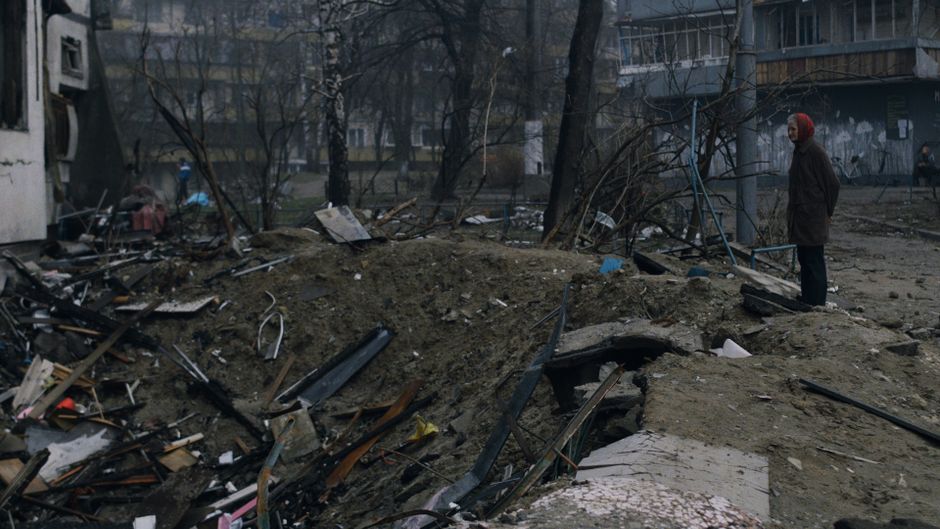
The economic and humanitarian cost of the Avdiivka fighting has been immense. The city, once a vital industrial center, particularly for coal mining and coke production, has been reduced to rubble. The intense and prolonged shelling has decimated infrastructure, leaving behind a landscape of destruction. The human cost is even more profound. Thousands of civilians were forced to evacuate their homes, seeking refuge from the relentless violence. Those who remained, or were unable to leave, have endured unimaginable hardship. The withdrawal means that the remaining civilian population in and around Avdiivka are now under direct Russian control, raising serious concerns about their safety and well-being. The economic devastation of the region will have long-lasting consequences, requiring extensive reconstruction efforts once the conflict finally subsides. The withdrawal, therefore, is not just a military event but a humanitarian crisis that leaves behind a trail of suffering and displacement.
The role of Western military aid in the context of the Avdiivka withdrawal is a critical and contentious issue. Ukrainian officials have repeatedly voiced concerns about the adequacy and timeliness of military assistance, particularly artillery shells, which are the lifeblood of modern artillery duels. The protracted delays and perceived insufficiency of Western aid have been cited as a significant factor contributing to the difficult situation in Avdiivka. Without the steady and substantial flow of ammunition, Ukrainian artillery could not match the sheer volume of fire unleashed by Russian forces. This ammunition gap directly impacted the ability of Ukrainian defenders to effectively counter Russian assaults and to hold their positions. The Avdiivka withdrawal, therefore, serves as a stark and painful illustration of the consequences of perceived wavering or insufficient commitment from international partners, highlighting the critical link between external support and Ukraine’s capacity to defend itself.
Looking ahead, the Ukrainian military faces the daunting task of adapting to the new operational realities following the Avdiivka withdrawal. The focus will likely shift to establishing and reinforcing new defensive lines, utilizing the time gained from the tactical retreat to consolidate positions and prepare for renewed Russian offensives. This will involve significant logistical challenges, including the redeployment of troops and equipment, the construction of new fortifications, and the ongoing procurement of essential weaponry and ammunition. The psychological impact on Ukrainian forces also needs to be addressed. The experience of fighting a protracted and costly defensive battle, only to be forced to withdraw, can be demoralizing. However, the Ukrainian military has demonstrated remarkable resilience and adaptability throughout the conflict, and it is expected that they will draw lessons from Avdiivka to inform future strategies.
The withdrawal from Avdiivka also has broader implications for the strategic landscape of the war. It signals a shift in momentum, at least temporarily, in favor of Russia, and it places increased pressure on Ukraine to demonstrate its continued ability to resist despite the setbacks. The international community will be closely watching Ukraine’s response, with renewed discussions likely to focus on the urgency of accelerating military aid and strengthening diplomatic efforts to find a sustainable resolution to the conflict. The narrative surrounding the war will undoubtedly be influenced by this development, and the psychological impact on both sides, as well as on global perceptions of the conflict, will be significant. Ultimately, the Avdiivka withdrawal is a somber reminder of the brutal realities of modern warfare and the immense sacrifices being made by the Ukrainian people in their fight for freedom and sovereignty. It is a moment of profound strategic adjustment, colored by the despair of loss, but underpinned by the unwavering resilience and determination of a nation fighting for its very existence.
