The Hairy Ghost Pipefish, Solenostomus snuffleupagus, Officially Named After Beloved Sesame Street Character

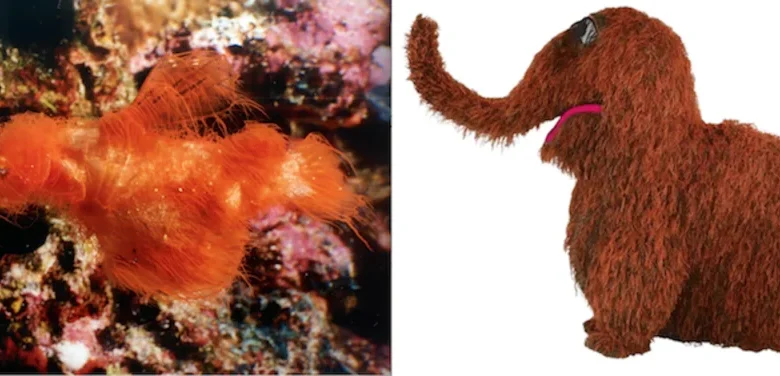
The scientific community is abuzz with the formal description and naming of a remarkable new species of fish, the hairy ghost pipefish, scientifically christened Solenostomus snuffleupagus. The moniker, inspired by the iconic, gentle giant from the beloved children’s program Sesame Street, Mr. Snuffleupagus, is an apt tribute to the creature’s striking resemblance to the fuzzy, long-snouted character. This discovery marks the culmination of nearly two decades of persistent searching by marine biologists and highlights the ongoing marvels hidden within our planet’s oceans.
A Distinctive Resemblance and a Long Pursuit
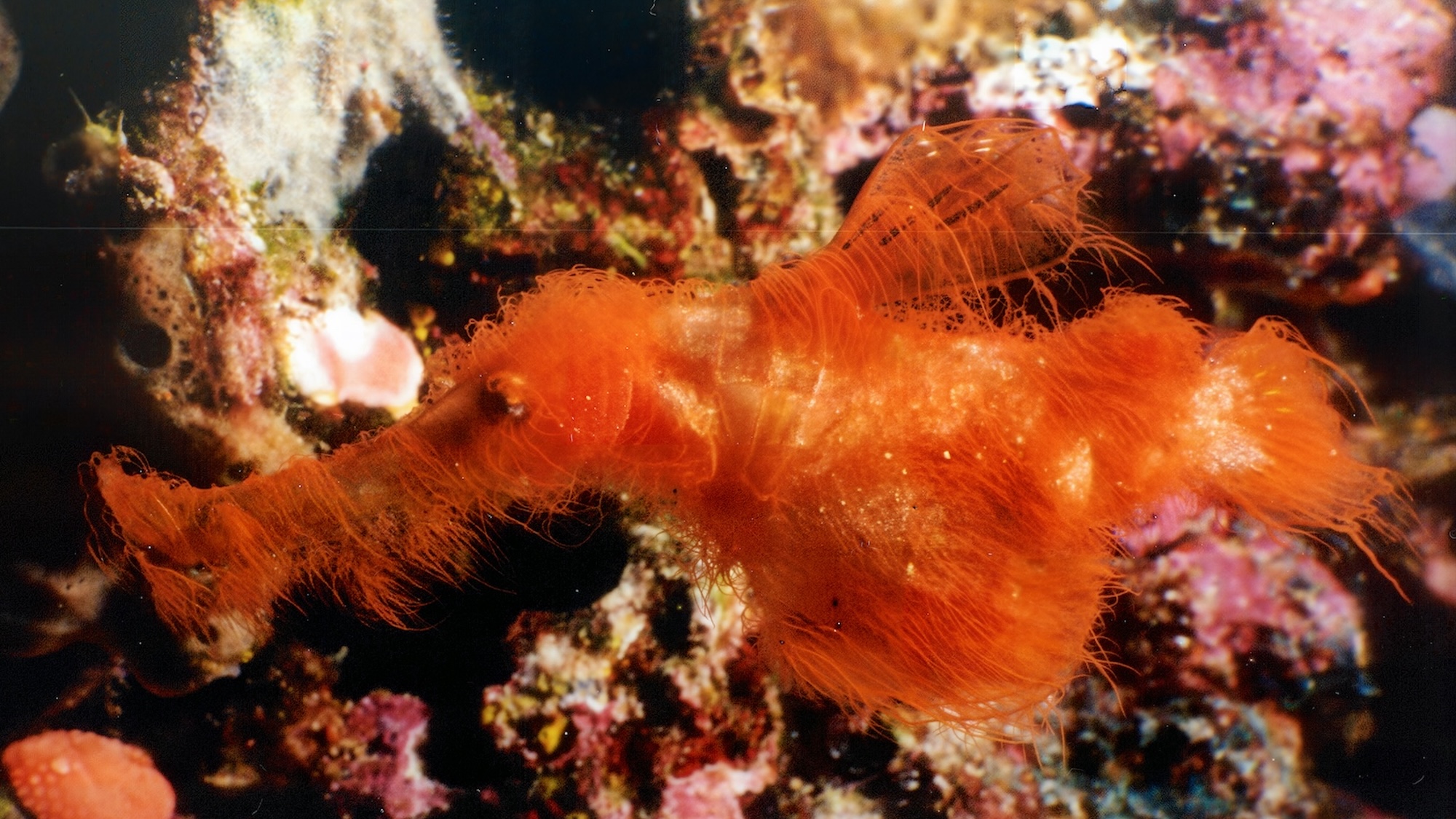
Marine biologist David Harasti first encountered the distinctive pipefish in 2001 during a dive near Papua New Guinea. The creature’s vibrant reddish-orange coloration, its apparent "fuzziness," and its unique snout immediately struck him as unlike any known species. "Once you see it, the resemblance to Snuffleupagus is impossible to ignore," Harasti stated, encapsulating the visual parallel that would ultimately lead to its scientific name.
Harasti’s initial encounter ignited a nearly twenty-year quest to formally identify and describe the fish. Despite spotting the creature sporadically over the years, obtaining a specimen for detailed study proved exceptionally challenging. The elusive nature of the hairy ghost pipefish, coupled with its remarkable camouflage abilities, made it a particularly difficult subject for researchers. This prolonged period of observation and attempted collection underscores the challenges inherent in deep-sea and coral reef research, where many species remain undiscovered or poorly understood.
The Path to Scientific Recognition
The journey from a fleeting glimpse to a peer-reviewed scientific description involved meticulous observation, photographic evidence, and a dedicated search effort. Harasti recalled the initial frustration: "I was perplexed. I photographed a few shots on my old film camera, went home, and pulled out every fish book I owned. Nothing matched." This realization that he might be looking at a previously undocumented species was a pivotal moment in his career, a sentiment echoed by many scientists who dedicate their lives to uncovering new biological wonders.
The breakthrough finally arrived in 2020. Harasti, collaborating with research partner and study co-author Graham Short, learned of a sighting near Cairns in northern Australia. The pair embarked on a focused expedition to the Great Barrier Reef, spending several days meticulously examining macroalgae. Their persistence paid off when they successfully collected a male and female pair of the enigmatic pipefish. This crucial step allowed for the detailed morphological and genetic analysis necessary for scientific classification.
The formal description of Solenostomus snuffleupagus was recently published in the esteemed journal Fish Biology. The publication details the unique characteristics that distinguish it from other known pipefish species, solidifying its status as a novel addition to marine biodiversity.
The Snuffleupagus Connection: A Blessing from Sesame Street
The decision to name the species after Mr. Snuffleupagus was not taken lightly. The striking visual resemblance prompted the research team to seek approval from Sesame Workshop, the non-profit organization behind the beloved children’s show. The organization not only granted their blessing but expressed delight in the scientific world’s embrace of their character.
Rosemarie Truglio, Senior Vice President of Global Education at Sesame Workshop, commented on the naming: "We are delighted that our beloved Snuffleupagus inspired the naming of a newly discovered marine species in the real world. Connecting science with imagination and discovery is what Sesame Street has always been about, and this charming new species is a wonderful reminder that there is still so much to explore and learn about the world." This endorsement highlights the power of popular culture to foster interest in scientific endeavors and underscores the educational mission of Sesame Street.
Understanding the Hairy Ghost Pipefish: Biology and Habitat
The hairy ghost pipefish, Solenostomus snuffleupagus, belongs to the family Solenostomidae, commonly known as ghost pipefish. These fish are closely related to seahorses and seadragons, sharing their elongated snouts and unique reproductive strategies, though ghost pipefish exhibit distinct features.
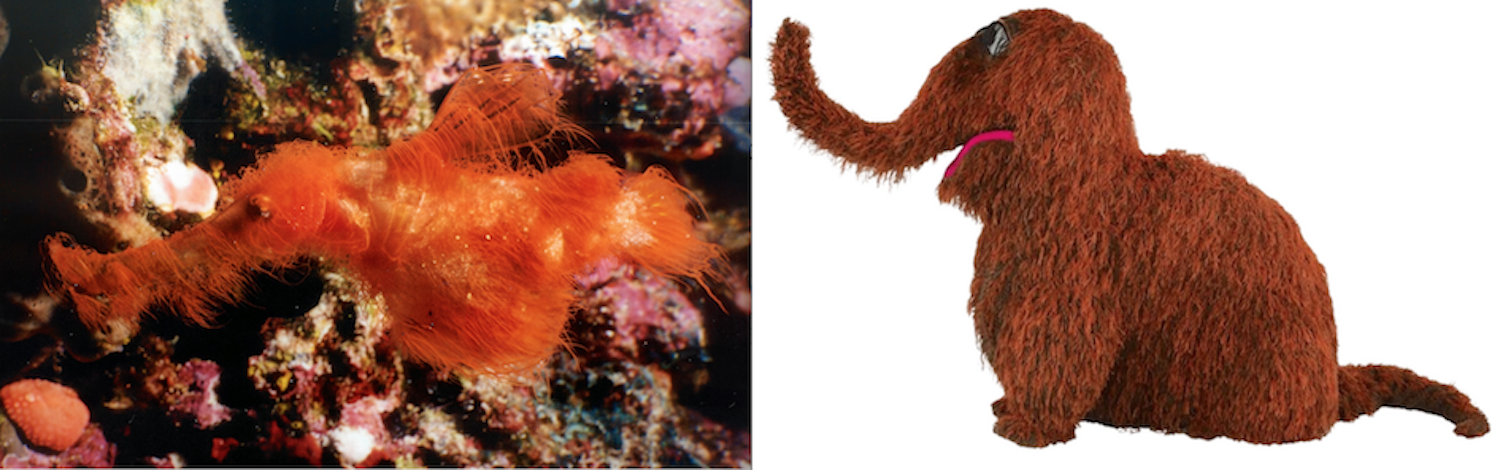
One of the most prominent characteristics of S. snuffleupagus, as noted by the study’s authors, is its exceptionally "shaggy" appearance compared to other ghost pipefish species. This attribute is due to elaborate, filamentous appendages that adorn its body. These filaments, which can range in color from vibrant red and orange to more subdued greens, serve as a sophisticated form of camouflage. By mimicking the textures and colors of its coral reef habitat, S. snuffleupagus effectively disappears amidst the swaying fronds of algae and the intricate structures of coral, making it exceptionally difficult for both predators and researchers to spot.
Ghost pipefish are known for their unique breeding behavior. Unlike seahorses, where the male carries the eggs, in ghost pipefish, it is the female who broods the eggs. The male then fertilizes the eggs after the female has deposited them into a brood pouch formed by her modified pelvic fins. The extended snout of the ghost pipefish is believed to be used for sucking up small crustaceans and plankton, its primary food source.
The discovery site near Papua New Guinea and the later confirmation on the Great Barrier Reef suggest that Solenostomus snuffleupagus inhabits tropical Indo-Pacific waters. These regions are renowned for their extraordinary biodiversity, with coral reefs acting as vibrant ecosystems teeming with life. However, these delicate environments are increasingly threatened by climate change, pollution, and overfishing, making the discovery and understanding of new species even more critical for conservation efforts.
Broader Implications: Biodiversity and Conservation
The formal description of Solenostomus snuffleupagus is more than just the addition of a new name to the scientific lexicon; it represents a tangible reminder of the vast, unexplored biodiversity that still exists on our planet. For every species documented, scientists estimate that many more remain undiscovered, particularly in marine environments.
The extended timeline from initial sighting to formal description highlights the resource-intensive nature of taxonomic research. It requires dedicated fieldwork, access to specialized equipment, and the expertise of skilled taxonomists. Discoveries like this underscore the importance of continued funding and support for marine science research.

Furthermore, the naming of the hairy ghost pipefish after a popular fictional character can serve as a powerful tool for public engagement and education. By drawing parallels between the natural world and familiar cultural icons, scientists can make complex biological concepts more accessible and relatable to a wider audience, fostering a greater appreciation for science and the environment.
The conservation status of Solenostomus snuffleupagus is yet to be determined, as detailed population studies are likely to follow this initial description. However, its presence in the Great Barrier Reef, a UNESCO World Heritage site facing significant environmental pressures, places it within a context of urgent conservation needs. Understanding the distribution, population size, and ecological role of this newly described species will be crucial for developing effective conservation strategies to protect it and its habitat.
The story of the hairy ghost pipefish is a compelling narrative of scientific curiosity, perseverance, and the delightful intersection of nature and popular culture. As research continues, Solenostomus snuffleupagus will undoubtedly contribute to our growing understanding of marine ecosystems and the incredible evolutionary adaptations that allow life to thrive in even the most challenging environments. Its whimsical name serves as a charming ambassador for the wonders of the ocean, reminding us that much remains to be discovered beneath the waves.
Related posts: