
Stanley Cups Distracted Walking And Taylor Swift Teens React To The News
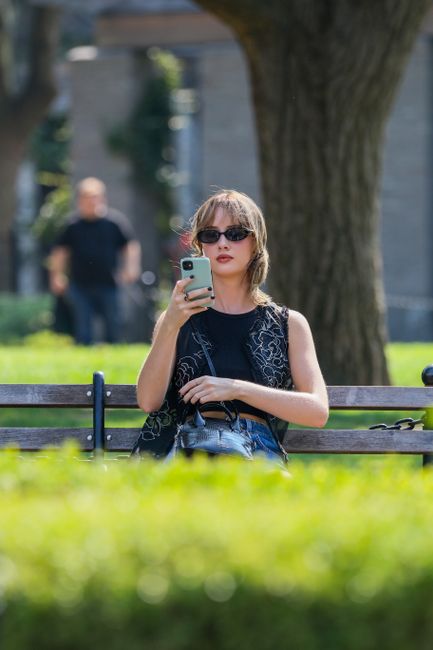
Stanley Cup Frenzy Meets Taylor Swift Mania: How Distracted Walking Became the Latest Viral Sensation Among Teens
The digital landscape, perpetually in motion, has once again orchestrated an unlikely collision of cultural phenomena: the Stanley Cup, a symbol of athletic triumph, and Taylor Swift, a global pop culture icon. This confluence, fueled by the pervasive reach of social media platforms like TikTok, has propelled "distracted walking" into an unexpected viral trend, particularly among teenagers. The phenomenon, at its core, refers to the act of being so engrossed in one’s phone – be it watching a Stanley Cup game stream, scrolling through Taylor Swift fan content, or engaging in other digital activities – that one becomes oblivious to their immediate physical surroundings. This article delves into the origins of this trend, the specific role of the Stanley Cup and Taylor Swift fandom in its amplification, the prevailing teen reactions, and the broader implications of this increasingly common behavior.
The genesis of the "distracted walking" trend, in this specific instance, can be traced back to the synergistic popularity of both the NHL playoffs and Taylor Swift’s ongoing Eras Tour and related media. The Stanley Cup Final, a highly anticipated event culminating the professional ice hockey season, generates immense excitement and viewership. For many, particularly younger demographics who may not have been lifelong hockey fans, the accessibility of game streams and highlights on platforms like TikTok, coupled with the passionate online discourse surrounding the teams and players, has made it an engaging spectacle. Simultaneously, Taylor Swift’s cultural dominance is undeniable. Her record-breaking tour, the release of her re-recorded albums, and the constant stream of fan-generated content – from song analyses to outfit recreations – create an insatiable appetite for engagement within her massive fanbase.
TikTok, with its short-form video format and powerful algorithm, proved to be the fertile ground for this trend to bloom. Users began documenting their own experiences of being engrossed in their phones while navigating public spaces. These videos often featured humorous portrayals of near-misses, awkward stumbles, or entirely oblivious movements, all set to trending audio clips. The inclusion of Stanley Cup game commentary, snippets of Taylor Swift songs, or visual cues related to either phenomenon became a common element, explicitly linking the distracted behavior to these popular cultural touchstones. The inherent humor in witnessing someone’s mild peril due to phone obsession, coupled with the relatability of being similarly engrossed, quickly made these videos shareable and addictive.
The reaction from teenagers to this "distracted walking" phenomenon has been overwhelmingly one of amusement and self-recognition. Social media feeds are replete with comments and duets of users sharing their own "distracted walking" moments, often with an accompanying confession of their own susceptibility. Phrases like "This is literally me," "I can’t stop watching the Stanley Cup, I almost walked into a pole," or "My brain is 90% Taylor Swift lyrics and 10% navigating the sidewalk" are commonplace. There’s a palpable sense of shared experience, a collective understanding that in the hyper-connected age, maintaining full situational awareness while simultaneously consuming vast amounts of digital content is a significant challenge. The trend has fostered a sense of camaraderie among teens, who find humor in their shared, albeit sometimes inconvenient, digital habits.
Furthermore, the trend has, in a way, become a self-referential meme. Creators will intentionally stage scenarios of distracted walking, sometimes exaggerated for comedic effect, and tag them with Stanley Cup and Taylor Swift-related hashtags. This self-aware participation blurs the lines between genuine observation and performative humor. For many teens, it’s not just about acknowledging the behavior; it’s about creatively participating in the viral narrative surrounding it. The specter of a potential collision, whether with a lamppost or another pedestrian, becomes a punchline, further reinforcing the humor and shareability of the content.
The involvement of both the Stanley Cup and Taylor Swift fandoms, while seemingly disparate, contributes to the trend’s broad appeal. Hockey fans, immersed in the intense drama of playoff games, are likely to be glued to their phones for live updates, analysis, and replays. This can easily lead to a lapse in attention while commuting or moving about. Similarly, Taylor Swift’s devoted fan base, often referred to as "Swifties," are known for their deep engagement with her music, lyrics, and the intricate lore surrounding her career. This level of immersion can make it challenging to detach from their phones when consumed by discussions, theories, or the latest fan-made content. The intersection of these two highly engaged, yet distinct, fan bases amplifies the phenomenon, creating a larger pool of potential participants and viewers.
However, beneath the surface of humor and relatability, the "distracted walking" trend, amplified by the Stanley Cup and Taylor Swift’s allure, highlights a significant societal shift and raises pertinent questions about digital addiction and public safety. While often portrayed as a harmless, albeit clumsy, habit, consistently being engrossed in one’s phone while navigating public spaces carries inherent risks. Near-miss accidents with vehicles, bicycles, or even other pedestrians are a genuine concern. Falls and trips can lead to injuries, and the lack of awareness can make individuals more vulnerable to crime.
The normalization of "distracted walking" through viral trends, even if intended humorously, can inadvertently downplay the potential dangers. When every teen sees their peers engaging in this behavior with lighthearted commentary, the perceived risk may diminish. This is particularly concerning as teenagers, still developing their cognitive abilities and risk assessment skills, are often the most susceptible to peer influence and the allure of viral trends. The constant barrage of notifications and the dopamine hits associated with social media engagement create a powerful incentive to remain connected, even at the expense of immediate surroundings.
The psychological underpinnings of this trend are also worth exploring. The desire to be constantly updated and involved in the narratives surrounding the Stanley Cup and Taylor Swift taps into a fundamental human need for belonging and social connection. In the digital age, these needs are increasingly met through online engagement. The fear of missing out (FOMO) plays a crucial role, driving individuals to check their phones incessantly to stay abreast of the latest news, discussions, or fan theories. This creates a feedback loop where the act of being distracted becomes intrinsically linked to the perceived reward of staying connected and informed.
From a marketing and media perspective, the success of this trend underscores the power of leveraging current cultural moments to drive engagement. Brands and content creators who can skillfully weave these popular touchstones into their messaging are more likely to capture the attention of younger audiences. The "distracted walking" phenomenon, born from the confluence of sports fandom and pop music idolatry, serves as a potent example of how cultural zeitgeist can manifest in unexpected and widespread behaviors.
The long-term implications of widespread "distracted walking" are complex. On one hand, it reflects the evolving nature of human interaction and information consumption in the digital age. It’s a testament to the power of technology to both connect and, paradoxically, isolate individuals from their immediate physical reality. On the other hand, it presents a growing public safety challenge. Cities and municipalities may need to consider strategies to mitigate the risks, perhaps through public awareness campaigns or even physical infrastructure adjustments, although the latter is a more distant prospect.
Ultimately, the "Stanley Cup distracted walking and Taylor Swift teens react" phenomenon is a microcosm of contemporary digital culture. It highlights the interconnectedness of seemingly disparate interests, the potent influence of social media in shaping behavior, and the inherent humor and potential perils of living in an increasingly screen-centric world. While the viral trend itself may fade, the underlying behaviors and the societal conversations it sparks about digital engagement and public awareness are likely to persist, evolving with each new cultural phenomenon that captures the collective attention of the digital generation. The ability of a hockey trophy and a pop superstar to manifest in such a universally recognized, albeit slightly perilous, act of everyday movement is a testament to the unique and often bewildering landscape of modern youth culture. The ease with which these disparate elements coalesce into a shared, humorous experience online is a defining characteristic of Gen Z’s digital fluency. The constant negotiation between the physical and the digital, between the roar of the crowd at a hockey game and the melody of a Taylor Swift anthem playing through earbuds, has found its most tangible, and often comical, expression in the simple act of walking while looking at a phone. The trend serves as a lighthearted, yet poignant, reminder of the challenges of navigating the world when our attention is constantly being pulled in multiple directions, a challenge that has become inextricably linked to the passions that define our current cultural moment.
