The newly discovered spider species, Pikelinia floydmuraria, is named in honor of Pink Floyd and its habitat.

Scientists in Colombia have unveiled a fascinating new species of spider, officially designated Pikelinia floydmuraria. This remarkable discovery, detailed in the latest issue of the journal Zoosystematics and Evolution (ZSE), pays homage to two seemingly disparate entities: the legendary English rock band Pink Floyd and the arachnid’s preferred living environment. The species name itself is a clever blend of Latin and a cultural nod. "Muraria" is derived from the Latin word for "wall," directly referencing the spider’s tendency to inhabit the vertical surfaces of buildings. This choice also serves as a tribute to Pink Floyd’s iconic 1979 concept album, The Wall, a multi-platinum masterpiece that explored themes of isolation and societal structures.
The research team, comprised of entomologists and arachnologists from various Colombian institutions, first encountered Pikelinia floydmuraria during an extensive biodiversity survey in the Quindío region of Colombia. Their findings indicate that this species is not only a resident of man-made structures but has also been observed on vibrant, art-adorned murals, suggesting an adaptation to urban and semi-urban landscapes. This discovery adds another layer to our understanding of synanthropic species – those organisms that have evolved to thrive alongside human populations and in environments shaped by human activity.
A Spider of the Urban Landscape
Pikelinia floydmuraria belongs to the family of crevice weaver spiders, a group known for their subtle yet effective hunting strategies. These small arachnids are masters of camouflage, often found tucked away in the narrow gaps and fissures of walls, making them notoriously difficult to spot. The researchers noted that the discovery was made within buildings, underscoring the spider’s close association with human settlements. One particularly striking observation involved a specimen found on a colorful mural, highlighting the species’ ability to integrate into aesthetically diverse urban environments.
The journal Zoosystematics and Evolution (ZSE), a peer-reviewed publication focusing on taxonomic research and evolutionary biology, serves as the official platform for this significant scientific announcement. The publication of this study marks a critical step in formally documenting and describing Pikelinia floydmuraria for the global scientific community. This rigorous process ensures that the discovery is validated and that future research can build upon this foundational knowledge.
Unveiling the Biology and Ecology of Pikelinia floydmuraria
Prior to this discovery, detailed information regarding the biology and nutritional ecology of Pikelinia floydmuraria remained largely unknown. While its presence in urban ecosystems was noted, the specific role it played and its feeding habits were subjects of scientific inquiry. The recent study sheds light on these aspects, revealing the spider as a highly effective predator within its niche.
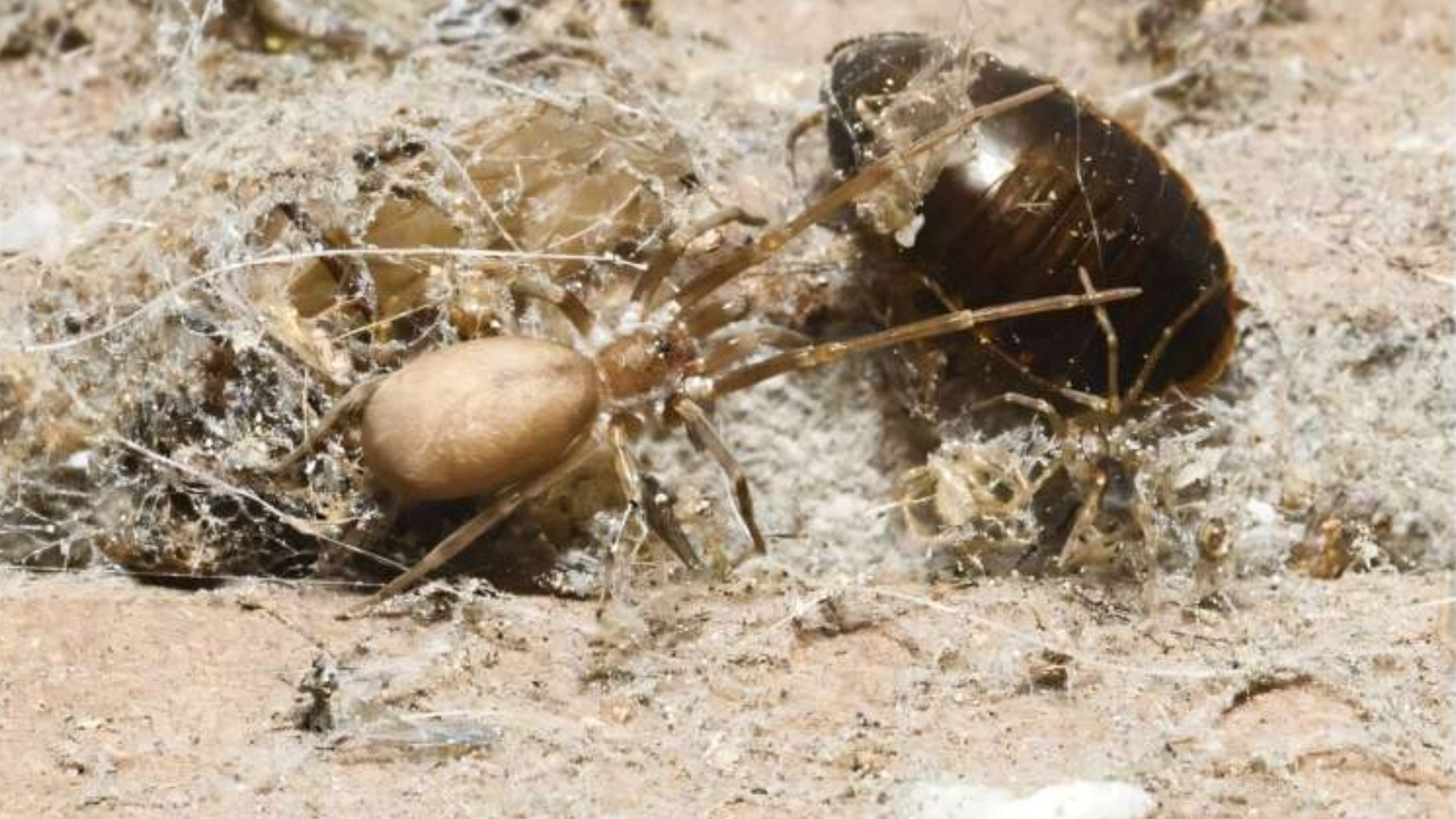
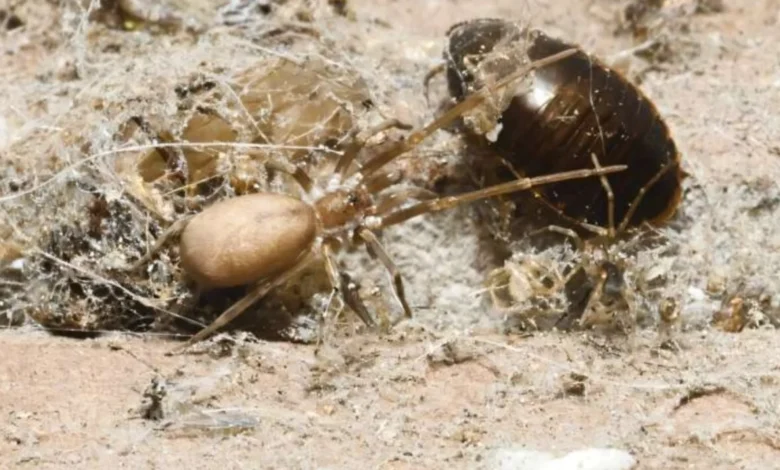
Researchers have determined that Pikelinia floydmuraria primarily preys on a variety of common insects, including flies, beetles, and ants. Their hunting strategy often involves constructing webs in proximity to artificial light sources, such as streetlights. This behavior capitalizes on the natural aggregation of insects around these lights, providing a readily available food source. The spiders then employ their webs to ensnare unsuspecting prey.
Remarkable Predatory Prowess
Despite their diminutive size, measuring approximately 3 to 4 millimeters in length, Pikelinia floydmuraria exhibits impressive predatory capabilities. The study indicates that these spiders are capable of capturing and subduing prey that is up to six times their own size. This remarkable feat of strength and hunting skill is crucial for maintaining a balance within local insect populations, contributing to natural pest control in urban and peri-urban settings. The ability to tackle significantly larger prey highlights the efficiency of their venom and web-building techniques.
Distinctive Morphological Traits
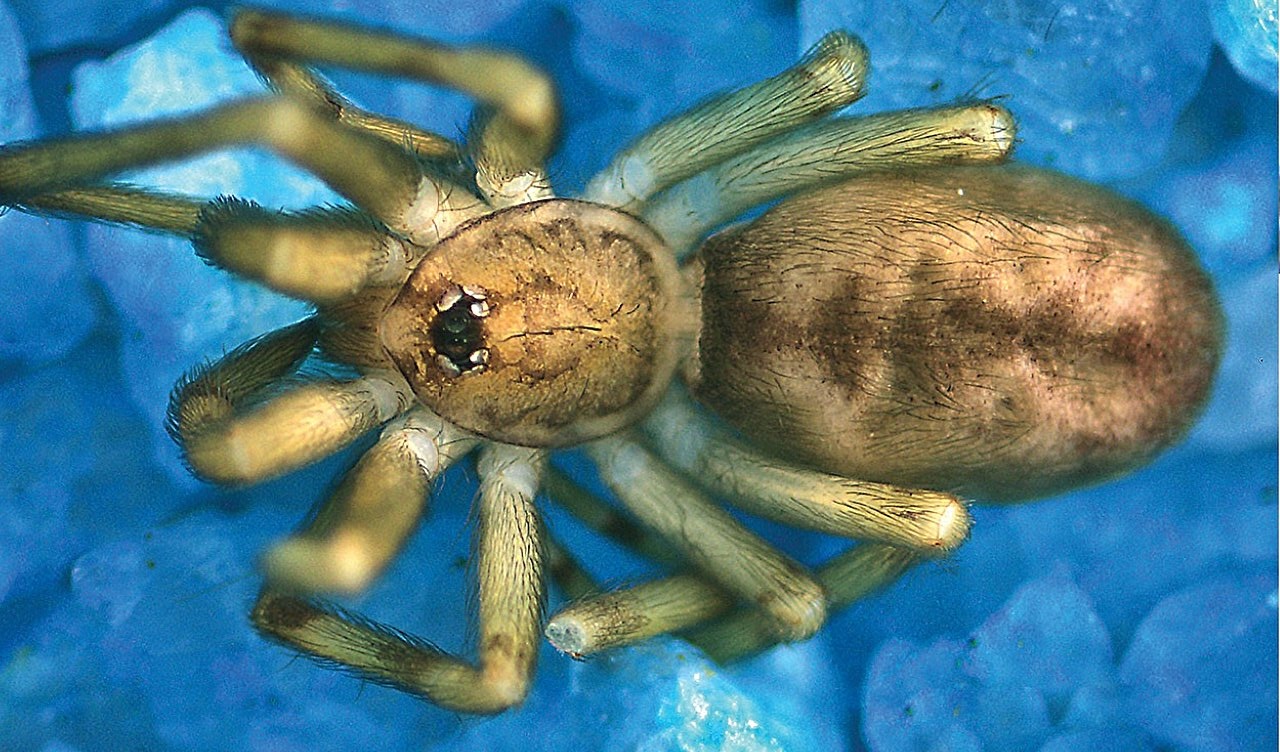
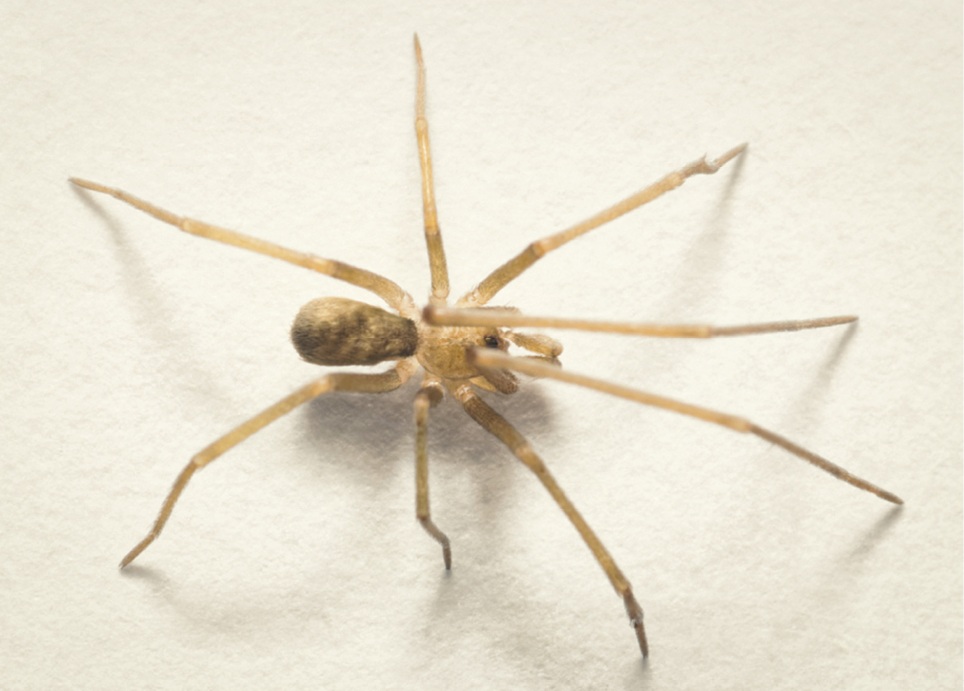
Further examination of Pikelinia floydmuraria has revealed specific morphological characteristics that aid in its identification. The females, in particular, possess distinctive reproductive organs characterized by long, slender, S-shaped tubes. These anatomical features are important for taxonomic classification and contribute to the scientific understanding of the species’ reproductive biology. The overall small size and concealed habitat have contributed to the species remaining undiscovered until relatively recently.
Evolutionary Connections and Mysteries
Intriguingly, Pikelinia floydmuraria is not an isolated species in its genus. It shares a surprisingly close evolutionary relationship with Pikelinia fasciata, a spider species found on the remote Galápagos Islands. This geographical separation, spanning over 1,000 miles and encompassing significant geographical barriers like the Pacific Ocean and the Andes Mountains, presents a compelling scientific puzzle. The visual similarity between the two species is striking, prompting further investigation into how such closely related organisms could have evolved in such disparate locations.
Scientists are actively exploring various hypotheses to explain this biogeographical anomaly. Possible explanations include ancient land bridges, long-distance dispersal events facilitated by natural phenomena such as wind or oceanic currents, or perhaps even undiscovered intermediate populations. The genetic analysis of both species will be crucial in unraveling this evolutionary mystery and understanding the historical connections between mainland South America and the Galápagos archipelago.
Future Research and Ecological Significance
The discovery of Pikelinia floydmuraria opens up new avenues for research. Scientists emphasize the need for further investigation, particularly through DNA barcoding. This advanced genetic technique can provide invaluable insights into the species’ evolutionary history, population genetics, and its precise relationship with other members of the Pikelinia genus. Understanding the genetic makeup of this spider will be key to deciphering its adaptive strategies and its broader evolutionary lineage.
The ecological role of Pikelinia floydmuraria in urban environments is another area of significant interest. As a natural predator of common insects, these spiders contribute to the health and stability of local ecosystems. Their presence can help regulate insect populations, potentially reducing the need for artificial pest control measures. Further studies could quantify this impact and highlight the importance of preserving urban biodiversity, even in seemingly mundane species.
The researchers draw a parallel between the subtle yet impactful presence of Pikelinia floydmuraria and the profound influence of Pink Floyd’s music. While the spiders may be small and often overlooked, their contribution to the urban ecosystem is as significant as the band’s enduring legacy in the music world. Their work serves as a reminder that even the smallest creatures play a vital role in the intricate web of life, and that scientific exploration can uncover wonders in the most unexpected places.
The discovery team included researchers from institutions such as the National University of Colombia and the Humboldt Institute, underscoring a collaborative effort in advancing biodiversity knowledge in the region. The initial specimens were collected during fieldwork conducted between 2022 and 2023, with subsequent laboratory analysis and taxonomic classification leading to the formal description of the new species. This timeline reflects the meticulous process involved in scientific discovery, from initial observation to peer-reviewed publication.
Broader Implications for Urban Ecology and Taxonomy
The identification of Pikelinia floydmuraria has broader implications for both urban ecology and the field of taxonomy. It highlights the fact that even in highly urbanized areas, significant undiscovered biodiversity may still exist. This underscores the importance of ongoing ecological surveys and taxonomic research, even in seemingly well-studied regions. For taxonomists, the discovery reinforces the need for detailed morphological and genetic analysis to accurately classify new species and understand their evolutionary relationships.
The study also touches upon the concept of "urban adaptation" in species. Pikelinia floydmuraria‘s ability to thrive on building walls and near artificial lights demonstrates a successful evolutionary response to a human-altered environment. Understanding these adaptations can provide insights into how species might cope with future environmental changes, including those driven by urbanization and climate change.
The naming convention itself, linking a scientific discovery with a globally recognized cultural phenomenon, is becoming increasingly common in biological sciences. It serves to engage the public and raise awareness about the importance of biodiversity research. The association with Pink Floyd’s The Wall not only provides a memorable moniker but also subtly comments on the species’ habitat and perhaps even its tendency to exist within perceived boundaries or "walls" of its environment.
In conclusion, the discovery of Pikelinia floydmuraria is a testament to the ongoing exploration of Earth’s biodiversity. This tiny, wall-dwelling spider, now immortalized with a name that resonates with music lovers and scientists alike, serves as a fascinating example of adaptation, evolutionary mystery, and the vital ecological roles played by even the smallest of organisms in our increasingly human-dominated world. Further research promises to unveil more about this intriguing species and its place within the grand tapestry of life.
Related posts: