The global prevalence of obesity has transformed from a clinical health challenge into a systemic crisis that now threatens the stability of our agricultural and environmental frameworks. For decades, the public discourse surrounding weight management has been dominated by the narrative of individual responsibility, often framing obesity as a failure of willpower or a lack of personal discipline. However, new research suggests that the rise of GLP-1 receptor agonists—a class of medications including semaglutide and tirzepatide—may offer more than just a medical breakthrough; they provide a lens through which to view the massive, hidden environmental cost of our current food systems.
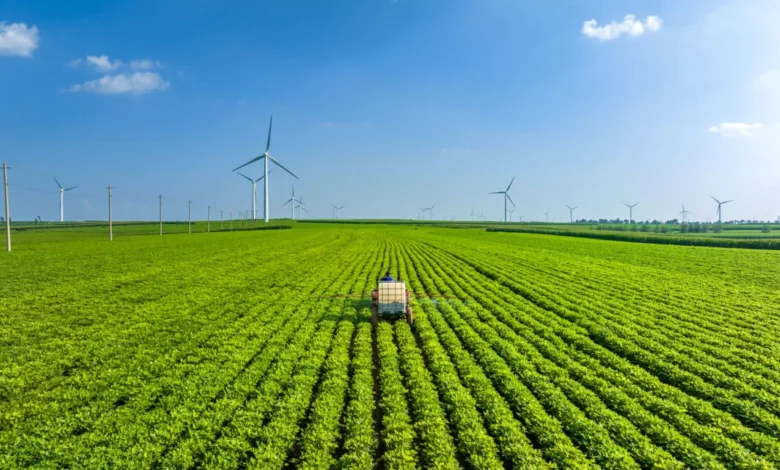
A recent study suggests that widespread adoption of these medications could lead to a significant reduction in food demand, potentially freeing up a global land area larger than Italy. This finding forces a long-overdue reconsideration of the relationship between human health, the global food supply chain, and the sustainability of our natural resources.
The Evolution of Obesity Management: A Chronology
The approach to obesity has shifted dramatically since the late 20th century. In the 1990s and early 2000s, clinical interventions were largely limited to lifestyle counseling, restrictive diets, and surgical procedures like gastric bypasses. These interventions often struggled to address the biological complexities of metabolic regulation.
- 2014: The FDA approved liraglutide, the first GLP-1 receptor agonist for weight management, signaling a shift toward pharmacological intervention.
- 2021: The UK government released its landmark National Food Strategy, a comprehensive report led by Henry Dimbleby. The strategy explicitly moved away from the "individual responsibility" narrative, arguing that the "food environment"—the architecture of accessibility and marketing—dictated health outcomes more than personal choice.
- 2023-2024: The meteoric rise of injectable weight-loss drugs like Wegovy and Zepbound caused a global supply crunch and sparked intense debate regarding the long-term societal role of these drugs.
- 2024: Academic researchers, including those from the University of Aberdeen and the University of Edinburgh, began modeling the macro-environmental impacts of these medications, leading to the current findings on land-use efficiency.
Deconstructing the Food Environment
To understand the significance of these findings, one must acknowledge the current "obesogenic" environment. In many high-income nations, the economic incentives favor the production and marketing of energy-dense, ultra-processed foods. These items are often cheaper to produce, have longer shelf lives, and are aggressively marketed in low-income neighborhoods, creating a structural barrier to healthy eating.
Public health experts argue that expecting individuals to "choose better" is an exercise in futility when the default options are designed for overconsumption. The food system is currently optimized for volume and calorie density, not nutritional density or ecological footprint. When individuals consume excessive calories, the entire agricultural sector must scale production to meet that demand, resulting in increased deforestation, higher fertilizer runoff, and greater greenhouse gas emissions.
The Environmental Impact of Dietary Choices
The connection between personal consumption and environmental degradation is direct. Livestock production, in particular, requires vast tracts of land for grazing and feed crops. As populations in high-income countries continue to consume animal-based products and highly processed carbohydrates at current levels, the pressure on global biodiversity increases.
The research indicates that if GLP-1 medications effectively reduce the caloric intake of a significant portion of the obese and overweight population, the aggregate decrease in food demand would be substantial. If the global demand for food were to drop, the land currently dedicated to producing surplus calories—much of which is used to grow grain for livestock or for ultra-processed food additives—could be repurposed.
This is not to suggest that obesity should be framed as an environmental burden caused by the individuals themselves. Instead, it highlights the "efficiency gain" inherent in a healthier, more balanced population. If society can transition toward a system where demand is driven by nutritional needs rather than the constant, artificial stimulation of appetite, the environmental gains could be profound.
Official Perspectives and Policy Implications
The UK National Food Strategy remains a cornerstone for this debate. Its core thesis—that "the better choice must be the easy choice"—is now being tested against the reality of medical intervention.
Governmental bodies and public health organizations are currently grappling with how to integrate these findings into policy. Some experts argue that if GLP-1 medications lead to a systemic reduction in food demand, agricultural subsidies should be realigned. Currently, many governments subsidize commodity crops like corn and soy, which are primary ingredients in processed foods. A policy shift could incentivize the growth of fruits, vegetables, and sustainable proteins, aligning agricultural output with improved population health outcomes.
However, critics of the "technological fix" approach warn against over-reliance on pharmaceuticals. There is a palpable concern that pharmaceutical companies and food manufacturers might find common ground in a system where people take a pill to manage the effects of an unhealthy food environment, rather than the food environment being fundamentally reformed. If the pressure to improve food quality is removed because a drug "fixes" the problem, the systemic root causes—marketing, affordability, and availability—may remain untouched.
A Multidisciplinary Approach to Health
The path forward requires a synthesis of three distinct pillars: clinical medicine, food policy, and environmental science.
- Clinical Intervention: Providing equitable access to GLP-1 medications for those who medically require them to address metabolic disorders.
- Structural Food Reform: Regulating the marketing of ultra-processed foods, implementing sugar taxes, and increasing the accessibility of nutritious foods through urban planning and subsidies.
- Environmental Stewardship: Realigning agricultural policy to prioritize sustainable land use, taking into account the projected reduction in caloric demand as the population adopts healthier, more balanced diets.
The potential to free up land equivalent to the size of Italy is a potent metric, but it is also a symbolic one. It represents the "hidden fat" of the global food system—the massive inefficiency of producing, transporting, and disposing of food that does not contribute to human health.
Conclusion: Looking Ahead
The arrival of effective weight-loss medications should not be viewed as a signal that the work of public health is finished. On the contrary, it is an opportunity to re-examine the entire pipeline from farm to fork. The integration of GLP-1 therapy into the broader healthcare landscape provides a unique, real-time experiment in how human behavior, when influenced by biology, impacts global ecosystems.
If policymakers can leverage this moment to push for systemic changes—making fresh food more affordable, curtailing the promotion of unhealthy items, and shifting agricultural subsidies toward sustainable farming—the benefits will extend far beyond individual weight loss. It would represent a fundamental realignment of our relationship with the planet.
Ultimately, the most successful strategy will be one that recognizes the limitations of single-point interventions. A pill may help an individual navigate an unhealthy environment, but only a fundamental restructuring of our food systems can ensure that the environment itself supports, rather than undermines, human and environmental longevity. The data is clear: the future of global health is inextricably linked to the future of the land, and both require a more coherent, sustainable, and intentional approach than the one that has governed the last half-century. As research continues to refine our understanding of these complex systems, the call for a coordinated global response—one that bridges the gap between the pharmacy and the farm—will only grow louder.