2026 elections live updates as Trump rallies Florida voters, El-Sayed clashes with Stevens

A Legal Collision in California
The conflict reached a boiling point following a lawsuit filed by a coalition of influential labor unions and civil rights organizations, including the Service Employees International Union (SEIU), the American Federation of State, County and Municipal Employees (AFSCME), the NAACP, and the League of United Latin American Citizens. The plaintiffs argued that the Justice Department and the Department of Homeland Security were engaging in unlawful intimidation of local election workers.
The Justice Department’s efforts have centered on a list of roughly 20,000 individuals identified as potentially ineligible to vote due to their citizenship status. Federal officials had pressed for these ballots to be set aside and verified, a demand that state officials and voting rights advocates labeled as a logistical impossibility that risked disenfranchising thousands of legitimate voters. Following Judge Thompson’s order, the 9th Circuit Court of Appeals also denied a request by the DOJ to segregate disputed ballots, with the court noting that there is "no feasible way to identify and segregate the ballots of specific individuals without potentially catastrophic effects on the entire system."
The Alaska Ballot Controversy: A Parallel Crisis
While California faces federal pressure regarding voter rolls, Alaska is embroiled in a bizarre controversy involving the candidate list for the U.S. Senate. The incumbent, Republican Senator Dan S. Sullivan, is facing a challenge that includes a namesake: Daniel J. Sullivan. Reports from The New York Times suggest that operatives linked to the campaign of Democratic challenger Mary Peltola were involved in recruiting the second Daniel J. Sullivan to run, a move critics argue is a deliberate attempt to confuse voters.
The Justice Department has escalated its involvement in Alaska, issuing grand jury subpoenas and filing a civil lawsuit seeking to block the certification of the election if voter confusion is found to have altered the outcome. Associate Attorney General Stanley Woodward has argued that the "sham candidacy" creates a risk to the integrity of the electoral process. Alaska state election officials, however, have pushed back vigorously, noting that the state already maintains ballots for 22 months and that the DOJ’s sudden interest, two weeks before the election, appears politically motivated.
The Presidential Campaign Blitz
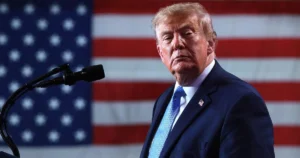
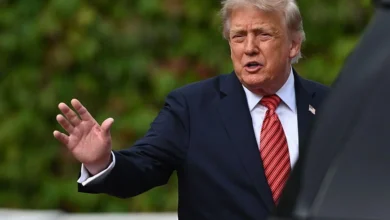
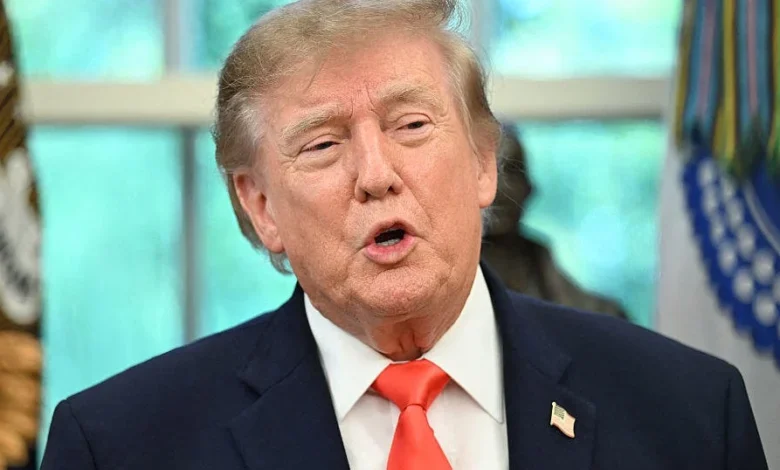
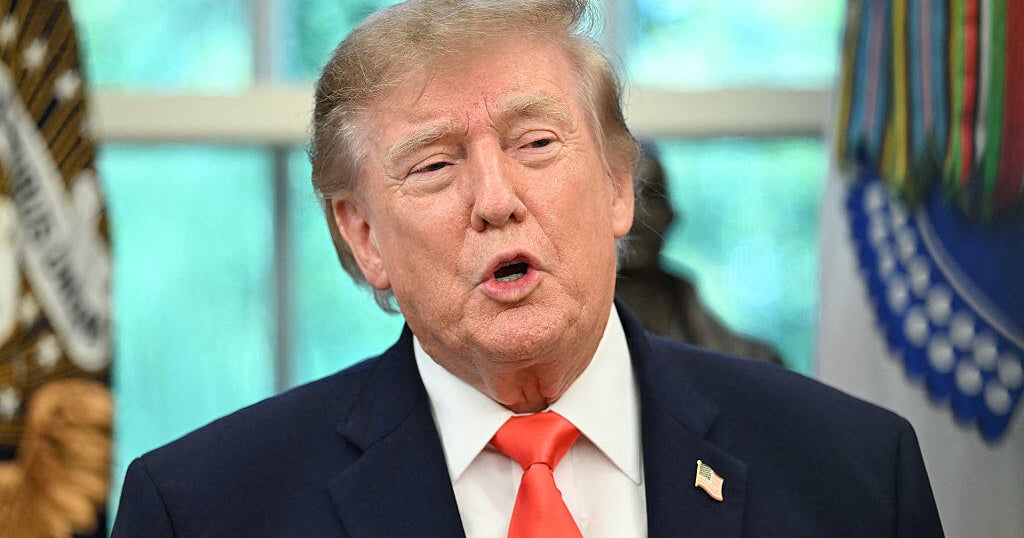
Amid these legal battles, President Trump has maintained a grueling campaign schedule. Despite earlier reports of canceled rallies in Iowa and Kansas, the President reversed course on Friday, announcing he would visit both states this Sunday to bolster support for Republican Senate candidates. The President’s campaign has been defined by his frequent exhortations to voters to "pretend that I’m on the ballot," as he seeks to maintain a Republican majority in both chambers of Congress.
During a rally in Daytona Beach, Florida, the President acknowledged the fatigue of the final stretch, noting that his voice was strained, yet he insisted on the necessity of these late-stage visits. The Republican National Committee has emphasized that the party is in a "strong position" despite these eleventh-hour rallies, which are intended to secure margins in states like Kansas and Iowa where the Senate races have tightened unexpectedly.
Shifting Battlegrounds and Polling Realities
The electoral landscape is showing signs of volatility as the final days approach. The CBS News data desk recently reclassified the South Carolina Senate race, now viewed as a GOP-leaning battleground. This change follows recent polling that suggests the race between Republican incumbent Senator Darline Graham—who replaced her late brother, Lindsey Graham, earlier this year—and Democratic challenger Annie Andrews has tightened significantly.
Across the country, the political atmosphere is further complicated by unconventional events. In an unprecedented development, the Vatican confirmed that Pope Leo XIV, the first American-born pontiff, cast a mail-in ballot in Illinois. The move, intended to highlight the importance of civic duty, has added a unique historical footnote to an already high-intensity election season.
The Mechanics of Counting and Voter Participation
The efficiency of the 2026 midterms is a major point of contention, particularly in states like Pennsylvania. Philadelphia election officials have warned that the state may be among the last to report final results, as current law prohibits the processing of mail-in ballots until the morning of Election Day. With 7 a.m. on Tuesday serving as the starting gun for ballot extraction and scanning, the timeline for a definitive result remains uncertain.
According to data from the University of Florida Election Lab, nearly 45 million Americans have already cast their ballots as of late Thursday. This represents a significant portion of the expected electorate, with approximately 23.6 million in-person early votes and 21.3 million mail ballots already in the system. The sheer volume of early voting underscores the high level of engagement, even as legal challenges threaten to complicate the final certification process.
Intra-Party Friction and Local Dynamics
The campaign trail has also seen internal Democratic tensions, most notably in Michigan. Senatorial candidate Abdul El-Sayed has been engaged in a public feud with Representative Haley Stevens, whom he defeated in the primary. The disagreement, which stems from comments made regarding Israel and campaign advertisements, highlights the ideological divisions within the Democratic Party. Despite the friction, both are expected to make a rare joint appearance in Detroit, a move aimed at demonstrating party unity in the final sprint.
Meanwhile, in Ohio, the gubernatorial race took an ugly turn with a controversial attack ad aired by Republican candidate Vivek Ramaswamy. The ad, which targeted his opponent, Dr. Amy Acton, by featuring her estranged mother, was pulled from the air after intense backlash from both sides of the aisle. While the campaign spent roughly $1 million on the effort—far less than the initially projected $4 million—the move sparked a national conversation about the limits of campaign tactics.
Broader Implications for the Midterms
The overarching narrative of these final days is one of profound institutional friction. The use of federal subpoenas in California and Alaska, the judicial intervention to protect election workers, and the intense, last-minute campaigning by the President all point to an election season where the process itself is as central as the policy platforms.
The legal challenges brought by the Department of Justice are being viewed by many legal scholars as an unprecedented attempt to exert federal authority over state-administered elections. If these efforts continue, they could fundamentally alter the relationship between federal oversight bodies and state election divisions for years to come.
As voters head to the polls on Tuesday, the primary question for many will not only be who wins the contested Senate and gubernatorial seats, but whether the electoral infrastructure can withstand the mounting pressure of these legal and political disputes. The results in battleground states—from the rural landscapes of Maine and Kansas to the urban centers of Philadelphia and Detroit—will determine the legislative agenda of the next two years. With the electorate deeply divided and the stakes for the balance of power in Washington at an all-time high, the 2026 midterms are shaping up to be a defining moment in the modern American political era.