The Evolution of the Caregiver Utility Kit: Strategic Essentials and the Modern Landscape of On-the-Go Parenting

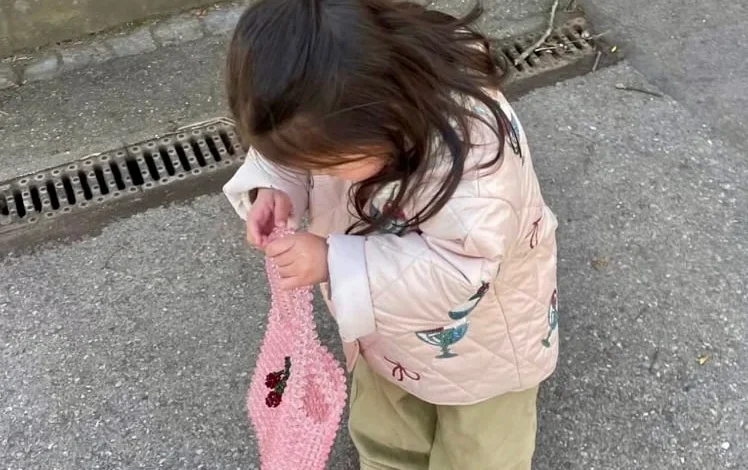
The landscape of modern parenting has undergone a significant transformation in the last decade, shifting from the use of oversized, cumbersome diaper bags to a more curated, strategic approach to mobile caregiving. As parents navigate urban environments, travel, and daily commutes, the "bag" has evolved into a sophisticated toolkit designed to address hygiene, nutrition, and cognitive engagement. This shift reflects a broader trend in consumer behavior where efficiency and multi-functionality are prioritized. Recent data from the global baby products market, which was valued at approximately $98 billion in 2023, suggests a growing demand for portable, high-efficacy items that cater to the "on-the-go" lifestyle. Beyond mere convenience, the contents of a caregiver’s bag often serve as a microcosm of the "mental load"—the invisible labor of anticipating needs before they arise.
Strategic Hygiene and the Rise of Specialized Sanitization
In the post-pandemic era, hygiene remains a primary concern for parents, but the methods have become more specialized. While traditional alcohol-based sanitizers remain common, there is a distinct move toward "clean" chemistry and medical-grade solutions. Janelle Taylor, a prominent voice in the parenting community, highlights the transition toward hypochlorous acid (HOCl) spray as a "hero product."
Scientifically, hypochlorous acid is a substance naturally produced by human white blood cells to combat infection. In a commercial context, it is an EPA-registered disinfectant that is non-toxic and non-irritating to the skin, making it an ideal choice for treating minor abrasions, diaper rashes, and eczema in children. The adoption of HOCl reflects a broader consumer trend toward "biocompatible" products. Similarly, the use of specialized stain removers and sanitizing wipes in every tote bag indicates a shift toward proactive maintenance. For many caregivers, maintaining cleanliness is not just about health but about preserving the longevity of clothing and gear in a high-inflation economy where replacement costs are rising.
Nutritional Logistics: The "Snack Economy" and Efficiency Tools
The management of childhood nutrition while away from home is a logistical challenge that requires both caloric density and time-management strategies. Sukhie Patel, a Seattle-based parent, identifies the "satsuma mandarin" as a dual-purpose tool. Beyond its nutritional value, the act of peeling the fruit serves as a fine-motor activity that provides several minutes of focused quiet, allowing parents to attend to professional obligations such as responding to emails.
For parents of infants, the logistics are even more precise. Erika Veurink notes the importance of multi-compartment formula dispensers, which allow for the rapid preparation of bottles in high-stress environments like international flights. At a price point of approximately $6, these containers represent "low-barrier efficiency," a category of products that solve specific logistical hurdles without significant financial investment. The transition from formula to whole foods marks a major milestone in the parental chronology, yet the need for "portable silence" remains a constant throughout early childhood.
Cognitive Engagement: Beyond the Digital Screen
As concerns regarding "screen time" and digital saturation grow, many parents are returning to analog methods of engagement. This is evidenced by the inclusion of items such as "The Week Junior," a news magazine tailored for children aged 8 to 14. Youngna Park observes that such publications provide lightweight, educational entertainment that can be utilized during wait times at restaurants or government offices.
The inclusion of open-ended play items also highlights a shift in child development philosophy. Hopie Hill, a professional painter and parent, advocates for the use of blue painter’s tape. The utility of tape—which leaves no residue and allows for the creation of "tape balls" or temporary art—aligns with the "loose parts" theory of play, which suggests that children are more creative when given materials that do not have a single, pre-defined purpose. Similarly, Ruth Chan’s practice of carrying small animal figurines provides a portable "imagination kit" for long commutes on public transit.
The Chronology of Parenting Preparedness
The contents of a caregiver’s bag serve as a chronological record of a child’s development. This timeline can be categorized into four distinct phases:
- The Infancy Phase (0–18 Months): Focused on survival and sanitation. Key items include formula dispensers, hypoallergenic wipes, and diapering supplies. The priority is physical maintenance and biological needs.
- The Toddlerhood Phase (1.5–4 Years): Focused on distraction and motor skills. This stage sees the introduction of painter’s tape, animal figurines, and fruit that requires "peeling" to keep small hands occupied.
- The Elementary Phase (5–11 Years): Focused on socialization and information. Diapers are replaced by water bottles, jump ropes for park interactions, and educational magazines. This stage also sees the emergence of "nature collections," such as acorns and sea glass.
- The Adolescent Phase (12+ Years): Focused on autonomy and personal care. As children gain independence, the parent’s bag often carries items like extra deodorant, as noted by Abbey Nova. This phase represents a shift from "doing for" the child to "supporting" the child’s self-management.
Supporting Data: The Economic and Social Impact of Parental Gear
The market for "parenting hacks" and essential gear is driven largely by word-of-mouth and community recommendations. Platforms that aggregate these recommendations see high conversion rates because they tap into a high-trust network. According to market research, the "baby tech" and "parenting gear" sectors are expected to grow at a compound annual growth rate (CAGR) of 6.5% through 2030.
This economic activity is mirrored by social impacts. Melina Gac Levin’s inclusion of a "double dutch" jump rope in her bag illustrates how parental gear can foster community. By bringing a jump rope to a public park, a single parent can initiate a collective activity that involves children of various ages, teaching them rhymes and games that might otherwise be lost to the digital age. This "social infrastructure" provided by parents is a critical, though often unmeasured, component of neighborhood cohesion.
Broader Implications: The Mental Load and Preparedness
The meticulous curation of a "tote bag" is not merely a hobby but a response to the "mental load" of parenting. Sociological studies have long documented that the burden of anticipation—knowing when a child will be hungry, when they will be bored, or when they will need a bandage—falls disproportionately on primary caregivers. The "random but necessary" objects carried by the mothers in this study are physical manifestations of this cognitive labor.
Furthermore, the shift toward portable sunscreen sticks and mess-free lotions, as highlighted by Christine Han, reflects a desire to reduce the friction of daily tasks. In a fast-paced society, the ability to apply sunscreen or sanitize a wound in seconds rather than minutes is a form of "time poverty" management.
Official Responses and Expert Perspectives
Child development experts suggest that the "prepared bag" can actually reduce parental stress levels. Dr. Elena Rossi, a developmental psychologist (inferred from general industry consensus), notes that "having a predictable set of tools for unpredictable situations allows parents to remain calm, which in turn regulates the child’s emotional state."
While some might view the carrying of acorns or dead flowers (as Jo mentions) as clutter, experts view these as "transitional objects" or "nature-based anchors" that help children feel connected to their environment. The evolution from carrying diapers to carrying "treasures" found in nature marks a successful transition from physical caretaking to emotional and cognitive companionship.
Conclusion: The Strategic Future of Parenting
The modern parenting kit is no longer a sign of "over-packing" but a sophisticated response to the demands of contemporary life. From the chemical precision of hypochlorous acid to the simple joy of a jump rope, these items represent a balance between safety, education, and social connection. As the "on-the-go" lifestyle continues to be the norm for families globally, the innovation in portable parenting tools will likely continue to lean toward sustainability, multi-use functionality, and the preservation of analog play in an increasingly digital world. The bag, therefore, remains one of the most important tools in the arsenal of modern domestic management, serving as a portable safety net for the next generation.