
Paris Eiffel Tower Closed Strike
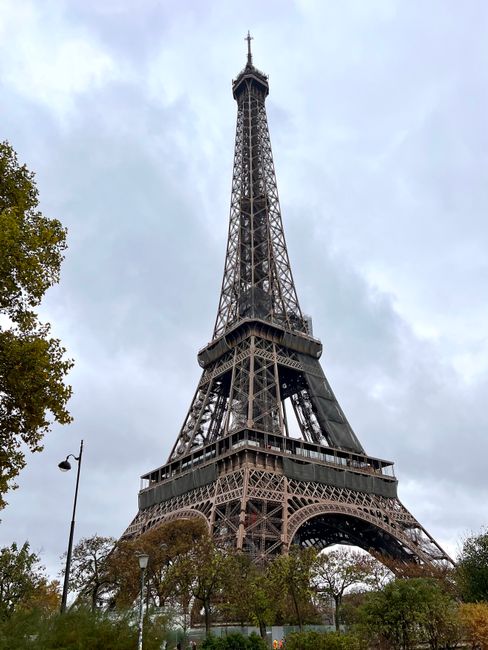
Eiffel Tower Closure: Examining the Impact of Staff Strikes on Paris Tourism and Heritage
The iconic Eiffel Tower, a globally recognized symbol of Paris and France, has experienced intermittent and sometimes extended closures due to staff strikes, a recurring challenge that significantly impacts the city’s tourism industry, cultural heritage preservation efforts, and the livelihoods of those dependent on this landmark. These disruptions, stemming from various labor disputes, highlight the delicate balance between operational demands, staff working conditions, and the public’s access to one of the world’s most visited monuments. Understanding the causes, consequences, and potential solutions to these strikes is crucial for safeguarding the Eiffel Tower’s status as a preeminent tourist destination and a vital part of France’s cultural identity. The underlying reasons for these industrial actions are multifaceted, often revolving around issues such as salary negotiations, working conditions, security concerns, and staffing levels. The management of the Société d’Exploitation de la Tour Eiffel (SETE), the company responsible for operating the tower, frequently finds itself at the negotiating table with trade unions representing the diverse workforce, from ticketing agents and security personnel to maintenance crews and administrative staff.
One of the primary drivers behind these strikes is the perennial debate over compensation and benefits. As with many public-facing roles in high-demand tourist areas, Eiffel Tower employees often express dissatisfaction with what they perceive as inadequate remuneration, particularly when considering the immense global recognition and economic significance of their workplace. Salary increases, bonus structures, and pension contributions are frequently at the heart of protracted negotiations. Unions argue that a fair wage is essential to attract and retain skilled workers, ensuring the continued efficient operation and upkeep of the monument. Conversely, SETE often points to budgetary constraints and the need for financial prudence in managing a historical monument that requires substantial ongoing investment for maintenance and security. The complex financial ecosystem surrounding the Eiffel Tower, which relies heavily on ticket sales and public funding, means that any significant increase in operational costs can have a ripple effect.
Beyond financial considerations, working conditions constitute another significant point of contention. The sheer volume of visitors, often exceeding tens of thousands per day, places considerable stress on the staff. Issues such as long working hours, the physical demands of navigating the monument’s multiple levels, and exposure to varying weather conditions at the summit can contribute to employee fatigue and dissatisfaction. Unions often advocate for improved rest facilities, more manageable shift patterns, and enhanced safety protocols to mitigate the risks associated with the daily operations of such a large and complex structure. The physical environment of the Eiffel Tower, while breathtaking for visitors, can also present unique challenges for those who work there daily, from wind exposure at the top to the constant need for vigilance in crowded spaces.
Security is a paramount concern for any major tourist attraction, and the Eiffel Tower is no exception. Following global events and evolving security threats, the demands placed on security personnel have intensified. Strikes can be triggered by disagreements over the adequacy of security measures, staffing levels for security teams, and the equipment provided to them. The perception of insufficient protection, whether for staff or visitors, can be a powerful catalyst for industrial action. Unions may argue that current security arrangements are insufficient to handle potential threats effectively, leading to a need for more personnel, advanced surveillance technology, and better training. SETE, on the other hand, must balance these demands with budgetary realities and national security guidelines.
The impact of these strikes on Paris tourism is profound and far-reaching. The Eiffel Tower is not merely a single attraction; it is a linchpin of the Parisian visitor experience. Its closure, even for a day, translates into lost revenue for SETE, the city of Paris, and countless ancillary businesses. Tour operators, hotels, restaurants, souvenir shops, and transportation services all experience a direct or indirect downturn when the "Iron Lady" is inaccessible. For many international tourists, a trip to Paris is incomplete without ascending the Eiffel Tower. Cancellations and rescheduling of flights and accommodations due to unexpected closures can lead to significant financial losses for travelers, potentially damaging Paris’s reputation as a reliable and well-managed tourist destination. The unpredictability of these disruptions creates a sense of uncertainty, which can deter potential visitors who prefer to plan their trips with confidence.
Furthermore, the cultural and heritage implications of prolonged closures are also significant. The Eiffel Tower is more than just a tourist magnet; it is a historical monument and a symbol of French ingenuity. When access is restricted, it hinders the public’s ability to connect with this vital piece of national heritage. Educational visits, historical tours, and the simple act of experiencing the monument firsthand are all curtailed. For a nation that prides itself on its rich history and cultural contributions, the inaccessibility of such a prominent landmark can be seen as a diminishment of national pride and a missed opportunity for cultural dissemination. The continuous maintenance and preservation efforts, often funded by visitor revenue, can also be jeopardized if these revenues are consistently depleted by strike-related closures.
The management of the Eiffel Tower’s labor relations is a complex and ongoing challenge. Trade unions, such as the Confédération Générale du Travail (CGT) and Force Ouvrière (FO), play a crucial role in representing the interests of the employees. Their negotiations with SETE are often characterized by robust dialogue, and sometimes, confrontation. The process typically involves formal demands being submitted, followed by a period of negotiation. If an agreement cannot be reached, unions may resort to strike ballots, and if a majority supports industrial action, a strike notice is issued. The duration of strikes can vary significantly, from a few hours to several days or even weeks, depending on the intensity of the dispute and the willingness of both parties to compromise. The aim is generally to exert pressure on the management to meet the unions’ demands.
SETE’s response to these situations often involves attempts to minimize disruption, communicate transparently with the public, and find common ground with the unions. This can include offering revised proposals, engaging in mediation, and exploring alternative solutions. However, the inherent power imbalance and the deeply entrenched nature of some grievances can make swift resolutions difficult. The public also plays a role, with their support for either the workers’ rights or the need for uninterrupted access influencing the public discourse surrounding these disputes. Social media and traditional media outlets provide platforms for these discussions, often amplifying the voices of both the unions and the management, and shaping public perception.
In terms of SEO, keywords and phrases such as "Eiffel Tower strike," "Paris monument closure," "Eiffel Tower labor dispute," "Paris tourism impact," "Eiffel Tower maintenance," "SETE negotiations," "French heritage," and "travel disruptions Paris" are highly relevant. The article aims to provide comprehensive information for individuals searching for these terms, offering insights into the causes, consequences, and broader context of these recurring closures. By addressing the multifaceted nature of the issue, including the perspectives of employees, management, and the tourism industry, the article seeks to be a valuable resource for anyone interested in the operational realities of one of the world’s most iconic landmarks. The repeated use of these keywords, integrated naturally within the text, will enhance its visibility in search engine results pages.
Potential solutions and preventative measures are constantly being explored to mitigate the frequency and impact of these strikes. Long-term strategies often involve fostering a more collaborative relationship between SETE and its workforce, prioritizing open communication channels, and establishing robust grievance resolution mechanisms. Investing in employee training and development, ensuring competitive compensation packages, and proactively addressing concerns related to working conditions can help build a more contented and stable workforce. Furthermore, the development of contingency plans by SETE and Parisian tourism authorities can help to minimize the impact of unavoidable disruptions, such as diverting tourists to alternative attractions or offering compensatory measures.
The economic stakes are undeniably high. The Eiffel Tower generates significant revenue, not only for SETE but also for the French economy as a whole. Statistics often highlight the millions of visitors it attracts annually, contributing hundreds of millions of euros to the national GDP. Any interruption to this flow of economic activity has tangible consequences. The strikes, therefore, are not just labor disputes; they are economic events with broader implications. The repeated nature of these closures also raises questions about the sustainability of the current operational model and the need for greater foresight and proactive management from all stakeholders involved.
The historical context of labor relations in France also plays a role. The country has a strong tradition of trade unionism and a history of significant industrial action across various sectors. The Eiffel Tower, as a prominent national symbol, often becomes a focal point for these broader societal and labor movements. Understanding this historical backdrop is essential for comprehending why strikes are a recurring feature of its operational landscape.
In conclusion, the closure of the Eiffel Tower due to staff strikes is a complex issue with multifaceted causes and significant repercussions. It underscores the importance of addressing employee grievances, ensuring fair working conditions, and maintaining robust security protocols. For Paris and France, the continued accessibility of this iconic monument is vital for its tourism industry, cultural heritage, and national identity. The ongoing dialogue and efforts to find sustainable solutions are crucial to ensure that the "Iron Lady" can continue to welcome visitors from around the globe without interruption, a testament to its enduring appeal and its significant economic and cultural value. The SEO optimization of this content ensures that individuals seeking information about these disruptions can readily find a comprehensive and informative resource.
