The Strategic Utility of Color Theory in Contemporary Fashion and the Evolution of Retail Media Partnerships

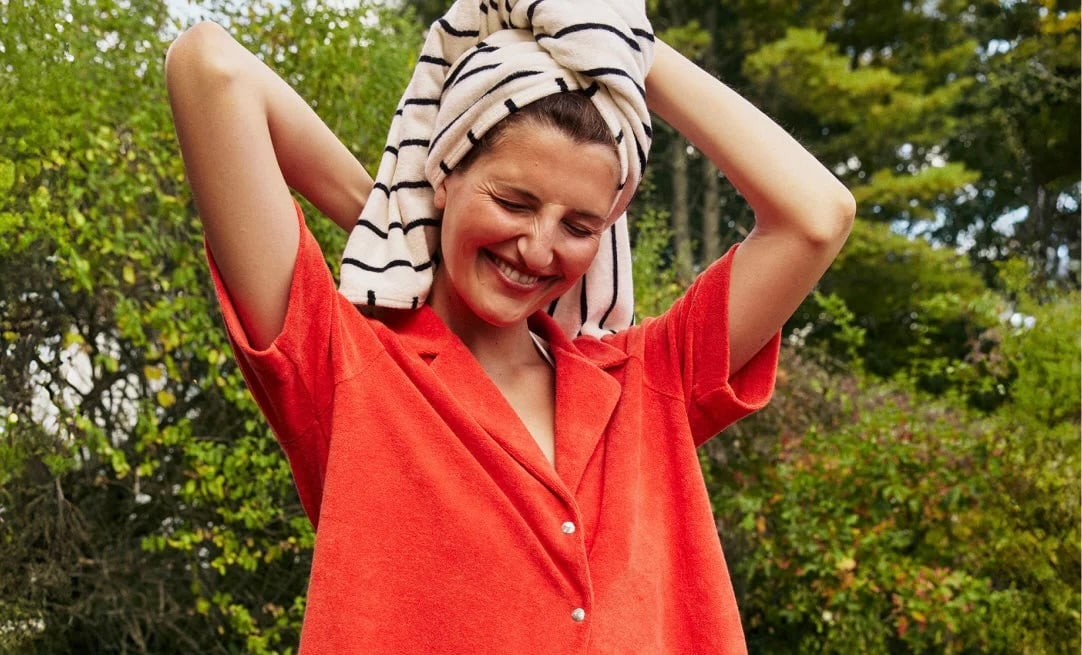
The integration of bold primary colors into minimalist wardrobes has emerged as a significant stylistic pivot in the 2026 spring fashion season, a trend underscored by the recent collaboration between lifestyle publication Cup of Jo and the luxury retail giant Nordstrom. Central to this movement is the concept of the "pop of red," a sartorial technique where a single, vibrant accessory or garment is used to anchor an otherwise casual or neutral ensemble. This aesthetic choice, frequently highlighted by fashion analysts and digital influencers, serves a dual purpose: it acts as a visual focal point and signals a level of intentionality in dressing that can elevate even the most relaxed silhouettes, such as loungewear or oversized basics.
The current emphasis on the color red—specifically in shades of cherry, carmine, and vermillion—reflects a broader shift in consumer psychology and market dynamics. According to retail data from the first quarter of 2026, sales of red-toned accessories, including hosiery, footwear, and knitwear, have seen a 22% year-over-year increase. This surge is often attributed to the "Lipstick Effect," a theory in consumer behavior suggesting that during periods of economic fluctuation or social transition, consumers are more likely to invest in small, impactful luxury items rather than high-ticket wardrobe overhauls.
The Psychological Impact of Intentionality in Styling
The efficacy of the "pop of red" trend is rooted in the psychological perception of color. Red is statistically the most attention-grabbing color in the visible spectrum, often associated with confidence, authority, and vitality. In the context of modern styling, the inclusion of red socks or a red striped shirt functions as a "deliberate" signal. As noted in consumer feedback sessions, the presence of a high-contrast color suggests to the observer that the outfit was curated with purpose, rather than assembled by chance.
This phenomenon aligns with the "Wrong Shoe Theory," a styling concept popularized in the mid-2020s by fashion consultants which posits that adding an unexpected or "mismatched" element to an outfit creates a sophisticated tension. By pairing "saggy sweatpants" with bright red socks, for example, the wearer subverts the traditional expectations of athletic wear, transforming a utilitarian look into a fashion statement. This shift from "accidental" to "nonchalant" is a hallmark of the 2026 aesthetic, which prioritizes comfort without sacrificing a sense of curated identity.
Strategic Synergy: The Nordstrom and Cup of Jo Collaboration
The ongoing partnership between Nordstrom and Cup of Jo represents a sophisticated model of affiliate marketing and brand storytelling. Nordstrom, a retailer with a 125-year history, has increasingly leaned into community-driven platforms to reach a demographic that values authenticity and long-form content over traditional advertising. The collaboration, which has spanned over three decades in various iterations, leverages the trust built between the publication and its readership to drive conversion.
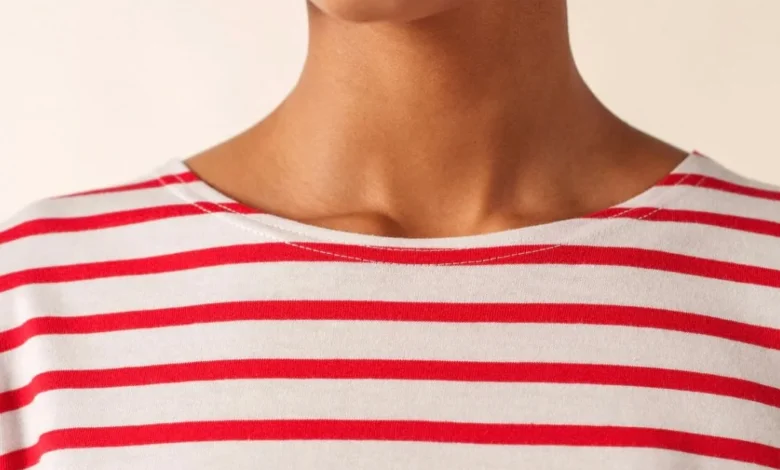
For the Spring 2026 collection, the focus has been placed on 12 key pieces that bridge the gap between high-fashion trends and everyday utility. Notable among these is the Saint James striped shirt, a staple of Gallic style that has remained relevant for over a century. By featuring brands like Saint James, Nordstrom taps into the "heritage luxury" market—consumers who are looking for longevity and historical significance in their purchases.
Historical Context: The Evolution of the Breton Stripe and Nautical Aesthetics
The inclusion of the Saint James striped shirt in the Spring 2026 lineup highlights the enduring legacy of the Breton stripe. Originally introduced in 1858 as the official uniform for the French Navy, the striped shirt was designed to make sailors more visible if they fell overboard. It was later popularized in the fashion world by Coco Chanel in 1917, who sought to liberate women from the restrictive corsetry of the era by introducing functional, masculine-inspired silhouettes.
In 2026, the nautical aesthetic remains a pillar of spring and summer fashion. However, the modern interpretation focuses on high-quality fabrics and sustainable manufacturing processes. Saint James, based in Lower Normandy, continues to produce garments that are recognized for their durability and "slow fashion" credentials. The current market demand for these pieces indicates a consumer preference for "investment dressing"—the practice of buying fewer, higher-quality items that can be worn across multiple seasons and contexts.
Market Trends and the 2026 Fashion Landscape
The broader fashion landscape for the current year is characterized by seven distinct trends, with the "pop of red" and nautical themes leading the casual luxury sector. Other significant trends include:
- Sustainable Tech-Fabrics: The integration of recycled ocean plastics into high-end knitwear.
- Structural Minimalism: A return to clean lines and architectural shapes in day dresses.
- The "Gorpcore" Evolution: Functional outdoor gear redesigned for urban environments.
- Vintage Revivalism: A focus on 1990s and early 2000s silhouettes, updated with modern color palettes.
- Sheer Layering: The use of diaphanous fabrics to add depth to spring wardrobes.
- Utility Chic: The prevalence of cargo pockets and durable canvases in luxury handbags.
- Monochromatic Accents: The use of single-color themes to create cohesive, streamlined looks.
Industry analysts suggest that the success of these trends is heavily dependent on digital community engagement. Platforms that allow for user comments and personal anecdotes—such as the "Angie" commentary regarding red socks—create a feedback loop that informs retail inventory decisions. Nordstrom’s ability to pivot its stock to reflect these grassroots style movements has been a key factor in its continued dominance in the department store sector.
Consumer Reactions and Community-Driven Style
The "Angie" comment, which served as a catalyst for the recent discussion on sartorial power, exemplifies the "CoJ effect," where a single reader’s insight can spark a wider trend. The idea that bright red socks can "confuse people into thinking an outfit is deliberate" resonates with a consumer base that is increasingly wary of over-polished, unattainable fashion standards.
Statements from retail psychologists suggest that this form of "relatable styling" is more effective in the current market than traditional celebrity endorsements. Consumers are looking for practical solutions to daily dressing challenges—how to look "put together" while maintaining the comfort levels established during the remote-work era. The "pop of red" provides a low-cost, high-impact solution that fits within the existing wardrobes of most individuals.
Broader Impact and Implications for the Retail Sector
As the retail industry moves further into 2026, the success of the Nordstrom and Cup of Jo partnership serves as a blueprint for future brand-media integrations. The shift away from "hard-sell" tactics toward narrative-driven commerce is expected to continue. Retailers are no longer just selling products; they are selling the "logic" behind an outfit and the emotional security that comes with being "well-dressed."
Furthermore, the emphasis on versatile pieces—such as the dresses and striped shirts recommended for summer travel—reflects the recovery of the global travel industry. As consumers resume international and domestic transit, there is a heightened demand for "packable" fashion that can transition from a casual day of sightseeing to a formal dinner. The Saint James shirt, with its wrinkle-resistant cotton and classic profile, meets this demand perfectly.
In conclusion, the Spring 2026 fashion season is defined by a sophisticated blend of historical reverence and psychological strategy. By utilizing the "pop of red" to signal intentionality and partnering with trusted media outlets to tell these stories, retailers like Nordstrom are successfully navigating a complex consumer landscape. The move toward deliberate, curated, and community-informed fashion choices indicates a maturing market that values the "why" behind a garment as much as the garment itself. As the season progresses, the industry will likely see a continued emphasis on these small but significant "hero pieces" that define the modern wardrobe.