
Republicans Congress Endorse Trump
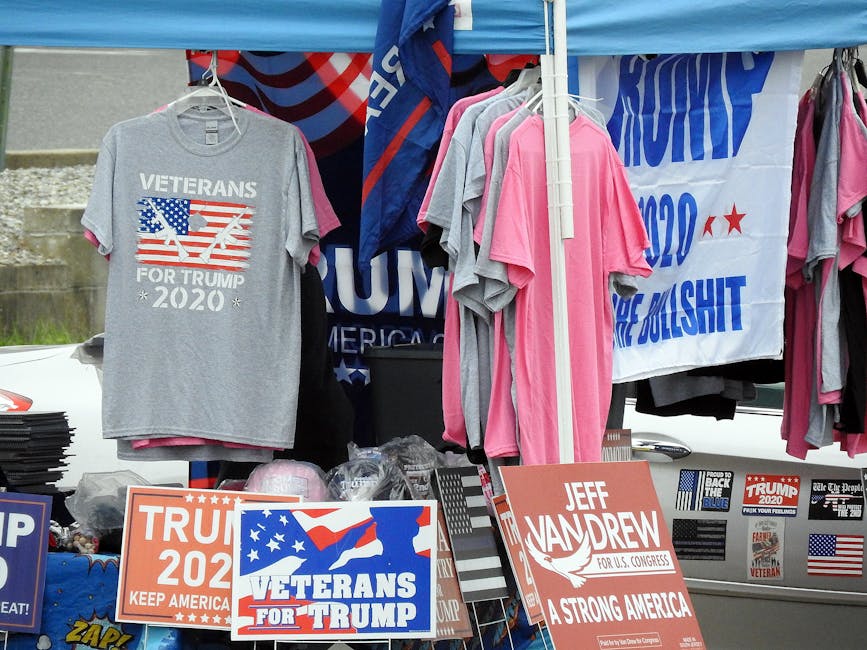
The Republican Congress and its Endorsement of Donald Trump: A Deep Dive into Political Alignment
The current landscape of the Republican Party is undeniably shaped by its significant and largely unified endorsement of Donald Trump. This endorsement, extending from rank-and-file members to leadership within the congressional caucus, represents a profound realignment within the party and has far-reaching implications for American politics. Understanding this phenomenon requires an examination of its origins, the factors driving it, its manifestations, and its potential consequences. This isn’t a simple matter of political convenience; it’s a complex interplay of ideology, electoral strategy, personal loyalty, and a shared vision for the country’s future, however controversial that vision may be.
The genesis of this endorsement can be traced back to Trump’s initial ascent in 2016. His populist message, which resonated with a segment of the Republican base feeling overlooked by traditional political establishments, provided a stark contrast to the established norms of both parties. His "America First" platform, characterized by a focus on national sovereignty, protectionist trade policies, and a skeptical view of international agreements and institutions, tapped into a vein of discontent. Many Republican members of Congress, initially hesitant or even openly critical, found themselves compelled to align with Trump as his popularity among Republican voters surged. The electoral successes he achieved, particularly in 2016, and the continued high approval ratings he maintained within the party, made it politically untenable for many Republicans to oppose him. To do so risked alienating a significant portion of their constituents and potentially facing primary challenges from Trump-aligned candidates. This pragmatic consideration, rooted in the desire for re-election, became a powerful motivator for congressional Republicans.
Beyond electoral pragmatism, a deeper ideological convergence has solidified the Republican Congress’s endorsement. While the traditional Republican platform emphasized fiscal conservatism, free markets, and a strong national defense, Trump’s brand of Republicanism has introduced new priorities and re-prioritized existing ones. His emphasis on immigration control, particularly the construction of a border wall, resonated with a segment of the base concerned about national security and cultural identity. His skepticism towards globalism and his embrace of protectionist trade policies marked a departure from decades of Republican orthodoxy. Yet, many congressional Republicans have embraced these shifts, seeing them as a necessary evolution to connect with a broader electorate. Furthermore, Trump’s judicial appointments, particularly to the Supreme Court, have been a significant draw for many conservative Republicans, who view his presidency as instrumental in shaping the judiciary for generations to come. The appointment of justices who align with a conservative interpretation of the Constitution has been a central tenet for many evangelical and social conservatives, a crucial demographic within the Republican coalition.
The manifestations of this endorsement are diverse and evident across various congressional actions and rhetoric. In the House of Representatives, particularly under Republican leadership, there has been a strong tendency to align with Trump’s policy agenda. This has involved supporting his legislative priorities, often with little deviation, and actively defending his administration against criticism from Democrats and the media. Committee hearings have often reflected the administration’s talking points, and oversight functions have, at times, been perceived as less rigorous when directed at Trump’s actions compared to previous administrations. This alignment extends to impeachment proceedings, where the vast majority of Republicans in both chambers have consistently voted against impeachment articles, even when presented with significant evidence. This unified stance underscores the loyalty and solidarity that Trump has cultivated within the party.
In the Senate, the dynamic is somewhat nuanced due to the chamber’s structure and the influence of individual senators. However, even here, the overwhelming majority of Republican senators have aligned themselves with Trump. This has been most evident in legislative battles, voting on Trump’s nominees (including judicial appointments), and in their public statements. While a small number of senators have occasionally voiced dissent or voted against Trump’s preferences, they have often faced significant political pressure from within the party and from Trump himself. The consequences for such dissenters have been stark, ranging from public condemnation to primary defeats. This has created an environment where conformity and loyalty are highly rewarded, and deviation is heavily penalized. The "Republican Party" has, for many, become synonymous with "Trump’s party."
The factors driving this steadfast endorsement are multi-faceted. The aforementioned electoral considerations are paramount. Trump’s ability to mobilize voters and deliver victories in key swing states has made him an indispensable asset for many Republican incumbents. Beyond electoral strategy, there’s a strong element of personal loyalty. Trump has cultivated relationships with many members of Congress, rewarding those who support him with access, endorsements, and sometimes even influence within the party. Conversely, those who oppose him often find themselves ostracized and facing internal political challenges. This creates a powerful incentive structure for maintaining alignment.
Ideological resonance also plays a crucial role. As mentioned, Trump has successfully shifted the Overton window within the Republican Party, making previously fringe ideas more mainstream. His critiques of established institutions, including the media, the judiciary, and even elements of the bureaucracy, have resonated with a segment of the Republican base that feels alienated by what they perceive as an out-of-touch elite. Many congressional Republicans, recognizing this sentiment, have adopted similar rhetoric and policy positions as a means of connecting with their constituents and demonstrating their commitment to a perceived national grievance.
Furthermore, the nature of modern political discourse, amplified by social media, has contributed to this phenomenon. Trump’s direct communication style, bypassing traditional media gatekeepers, allows him to speak directly to his supporters and exert influence over the political narrative. Congressional Republicans, in turn, often find themselves responding to or amplifying his messages, further solidifying their alignment. The constant barrage of political commentary and the often-polarizing nature of online discussions create an environment where compromise and nuanced debate are difficult, and where strong, often simplistic, pronouncements tend to gain traction.
The consequences of the Republican Congress’s endorsement of Trump are profound and are continuing to unfold. Politically, it has solidified Trump’s dominance within the Republican Party, making it exceedingly difficult for any challenger to emerge and effectively compete against him for the party’s nomination. This has implications for the future direction of the party, potentially leading to a prolonged period of Trump-era policies and priorities.
In terms of policy, the endorsement has facilitated the implementation of many of Trump’s agenda items, from tax cuts and deregulation to judicial appointments and changes in immigration policy. It has also shaped the legislative agenda, with Republican priorities often mirroring those of the Trump administration. The focus on "culture war" issues, often amplified by Trump, has also become more prominent within the congressional Republican platform.
Socially and culturally, the endorsement has contributed to the increasing polarization of American society. The language and rhetoric employed by Trump and his allies, often seen as divisive and confrontational, have further deepened existing societal cleavages. The questioning of democratic norms and institutions, while championed by some, has raised concerns among others about the health of American democracy.
For the Republican Party itself, this era of unified endorsement presents both opportunities and challenges. The unwavering support from a significant portion of the electorate has provided a strong base for electoral success in certain contexts. However, it has also alienated moderate and independent voters who may be put off by the party’s perceived embrace of Trump’s more controversial positions and rhetoric. This raises questions about the party’s long-term ability to broaden its appeal and maintain a governing coalition. The internal dynamics of the party, with a powerful populist wing now firmly in control, will continue to shape its identity and its approach to governance. The relationship between the congressional party and its most prominent figure remains a defining characteristic of contemporary American politics, underscoring the significant influence that an individual can wield over a major political party. The endorsement is not a static event but a continuous process, shaped by ongoing political developments and the evolving relationship between elected officials and the electorate they seek to represent.
