Another Day: A Nuanced Exploration of Addiction’s Grip and the Path to Recovery

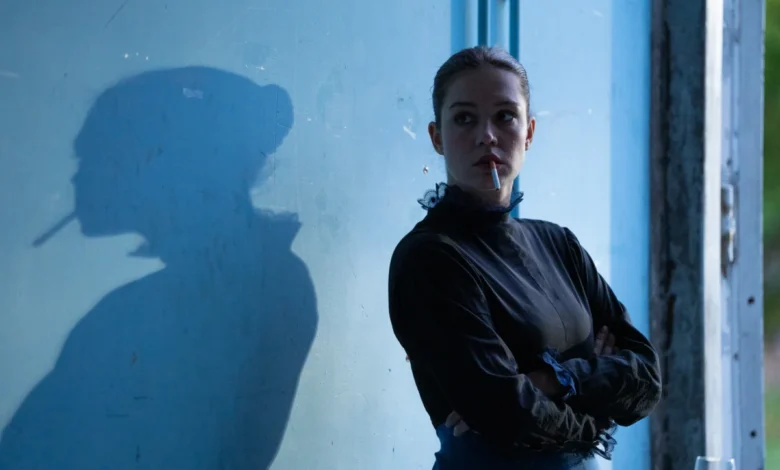
The cinematic landscape has long been a fertile ground for narratives exploring the profound struggles of substance abuse and the arduous, yet ultimately hopeful, journey toward recovery. From the seminal 1945 drama "The Lost Weekend," a stark portrayal of alcoholism’s devastating impact, to more contemporary examinations like Sandra Bullock’s "28 Days," these films resonate with audiences by capturing the raw human experience of confronting personal demons and striving for redemption. This subgenre often highlights the compelling "by-the-bootstraps" narrative of individuals navigating a labyrinth of personal challenges and tribulations in their quest for healing. More recently, Nora Fingscheidt’s critically acclaimed "The Outrun" offered a powerful, albeit challenging, depiction of alcoholism’s all-consuming chaos, juxtaposed with the quiet serenity of a day-by-day approach to recovery. Now, writer-director Jeanne Herry enters this distinguished lineage with "Another Day," a 2026 Cannes Competition entry that, while more measured in its intensity, delivers a potent and honest portrayal of addiction. The film is characterized by its patient pacing, deceptively understated execution, and a keen, if occasionally didactic, exploration of its subject matter.
The Allure and Deception of Alcoholism
"Another Day" masterfully dissects how alcoholism can insidiously weave itself into the vulnerabilities of an individual, offering a false promise of solace from life’s manifold pressures. At the heart of the narrative is Garance, a talented Parisian actress brought to life with an authentic and deeply felt performance by Adèle Exarchopoulos. Garance navigates the demanding world of theater, balancing the intricate dynamics of a respected and close-knit acting company with the relentless pursuit of auditions and lucrative voice-over work. Her existence in the expensive metropolis of Paris is already a testament to resilience, further compounded by the looming presence of a terminally ill sister and a romantic life that appears to be in a state of stasis. Herry wisely introduces Garance within the environment where she excels and finds her most profound sense of self: the stage and the vibrant, often intoxicating, backstage milieu. It is here, amidst the applause of engaged audiences and the pursuit of her next significant role—a pursuit shadowed by a recent breakup and a terminated pregnancy—that Garance begins to seek solace in the escalating consumption of alcohol, a gradual slide that erodes her perception of time and place.
A significant strength of Herry’s direction lies in her nuanced portrayal of Garance as a functioning alcoholic, a reality that is both common and often overlooked. This initial phase of addiction, where the individual can maintain a facade of normalcy, is a crucial aspect that many viewers will recognize. In these early stages, Garance’s intoxication appears transient, a momentary lapse that doesn’t prevent her from meeting professional obligations, managing her finances, or even nurturing a loving relationship with Pauline (Sara Giraudeau), a gentle and supportive artist who resides primarily in the countryside. This period highlights the insidious nature of addiction, where the individual can still appear to be in control, leading loved ones to remain unaware of the growing severity of the problem. However, as is the inevitable trajectory of untreated addiction, Garance’s grip on her life begins to loosen. Despite the escalating evidence to the contrary, she maintains the delusion that she can curtail her drinking at will, dismissing alcohol as an inconsequential element in her life.
The Unraveling of Control
The stark reality, however, paints a far more devastating picture. Garance finds herself increasingly unable to meet commitments, forgetting important conversations, slurring her words mid-performance, and squandering career-defining opportunities. A particularly poignant scene depicts her appearing at a school engagement, tasked with discussing acting with children. She arrives disheveled, her makeup smeared from the previous night, struggling to maintain composure. Herry also subtly, yet effectively, alludes to the possibility of Garance being a victim of sexual assault during a blackout, a deeply disturbing consequence of her impaired judgment. The unsettling image of her waking up on a bus, disoriented and questioning how her ripped fishnets ended up rolled down, underscores the terrifying loss of agency that accompanies severe alcoholism.
A Fluid Passage of Time
Herry’s directorial prowess is particularly evident in her innovative handling of the film’s temporal structure. Spanning a period of eight years, including the unprecedented lockdown era of the COVID-19 pandemic, "Another Day" unfolds with a remarkable fluidity. The narrative neither rushes through pivotal moments nor lingers unnecessarily on any single incident. While the film’s two-hour runtime might occasionally feel extended, this is largely attributable to the repetitive nature of Garance’s struggle, a characteristic inherent to the progression of addiction. Herry grants ample screen time to Garance’s moments of artistic joy, whether performing on stage or engaging in voice-over work, consciously avoiding the rigid imposition of temporal markers on the escalating events of her life.
Instead, the filmmaker places a profound trust in the audience’s ability to discern the narrative’s progression. Subtle shifts in makeup and production design serve as visual cues, marking the chronological passage of time. The film dedicates a significant portion of its runtime to exploring the deepening and increasingly challenged relationship between Pauline and Garance, allowing their bond to serve as an emotional anchor throughout the narrative. The seamless editing by Laurence Briaud contributes significantly to this immersive experience, fostering the perception that all of Garance’s experiences, as her alcoholism advances, are occurring within a singular, continuous temporal unit. The costume design by Ariane Daurat also deserves commendation. Exarchopoulos’s wardrobe subtly evokes a pared-down aesthetic reminiscent of her "Passages" attire, artfully blending edgy silhouettes with classic, casual pieces, further enhancing the film’s grounded realism.
The Complexity of Recovery and its Ambiguities
While "Another Day" does not explicitly aim to deliver a moral lesson, the film’s resolution, wherein Garance decides to reclaim control with the assistance of a pragmatic doctor, possesses a certain tidiness that borders on the instructional. The impetus for her decision stems from a profound realization of the potential harm her addiction poses to Pauline. This selfless prioritization of her partner’s well-being is a genuinely affecting element, underscoring the powerful emotional resonance of women supporting and caring for one another.
However, this comfortable resolution, particularly the parting sentiment, can feel somewhat schematic, reminiscent of an after-school special. This sense of artificiality is somewhat disappointing in a film that, until this point, has presented a far more complex and nuanced portrayal of addiction. The earlier intervention scene, depicting a defensive Garance confronting her theater troupe, stands out as a particularly compelling and authentic moment. Despite this minor reservation, "Another Day" tackles the formidable subject of addiction with remarkable grace. The film’s understated elegance, its seemingly effortless cinematic craftsmanship, which often renders the directorial hand almost invisible, is a rare and commendable achievement in contemporary filmmaking.
Contextualizing Addiction Narratives in Cinema
The enduring appeal of addiction and recovery stories in cinema can be attributed to several factors. These narratives often tap into universal themes of struggle, resilience, and the human capacity for change. The journey from darkness to light, from despair to hope, is inherently dramatic and emotionally resonant. Films like "The Lost Weekend" were groundbreaking in their time for their unflinching depiction of social ills, paving the way for subsequent explorations. The 1970s saw a rise in more socially conscious dramas addressing issues like alcoholism and drug abuse, often reflecting broader societal shifts in awareness and understanding.
More recently, the focus has shifted towards portraying addiction not just as a personal failing but as a complex interplay of biological, psychological, and social factors. "Another Day" aligns with this contemporary approach, emphasizing the vulnerability that can lead individuals to seek solace in substances and the systemic challenges they face in a world that can be unforgiving. The film’s depiction of Garance’s precarious gig-economy existence in Paris, coupled with personal stressors like her sister’s illness, provides a realistic backdrop against which her addiction can be understood, if not excused.
The Broader Implications of "Another Day"
The film’s exploration of functioning alcoholism, a state where individuals can maintain a semblance of normalcy while battling severe addiction, is particularly significant. This portrayal challenges common stereotypes and highlights the hidden nature of the struggle for many. It underscores the importance of recognizing the subtle signs of distress and the need for compassionate intervention, even when outward appearances suggest otherwise.
Furthermore, "Another Day" implicitly comments on the societal pressures that can contribute to substance abuse, particularly in demanding urban environments and within competitive professional fields. The film’s subtle nods to potential past trauma also touch upon the complex relationship between addiction and mental health, a connection that continues to be a critical area of public health discourse.
The film’s depiction of the relationship between Garance and Pauline offers a powerful example of the redemptive potential of love and support. The strength of their bond, and Garance’s ultimate motivation to seek recovery for Pauline’s sake, highlights the interconnectedness of lives affected by addiction and the profound impact of supportive relationships in the healing process. This aspect of the narrative, while perhaps rendered with a touch of sentimentality in its conclusion, serves as a vital reminder of the human element at the core of addiction recovery.
In conclusion, Jeanne Herry’s "Another Day" stands as a significant contribution to the cinematic exploration of addiction. By offering a patient, nuanced, and deeply human portrayal of a woman’s struggle with alcoholism, the film resonates with honesty and emotional depth. While its concluding moments may lean towards a more conventional resolution, the journey to that point is marked by astute observation, compelling performances, and a directorial vision that respects the complexities of its subject matter. The film not only entertains but also educates, prompting reflection on the insidious nature of addiction and the enduring power of hope and human connection in the face of overwhelming challenges.
Related posts: