
Indonesia Train Crash West Java
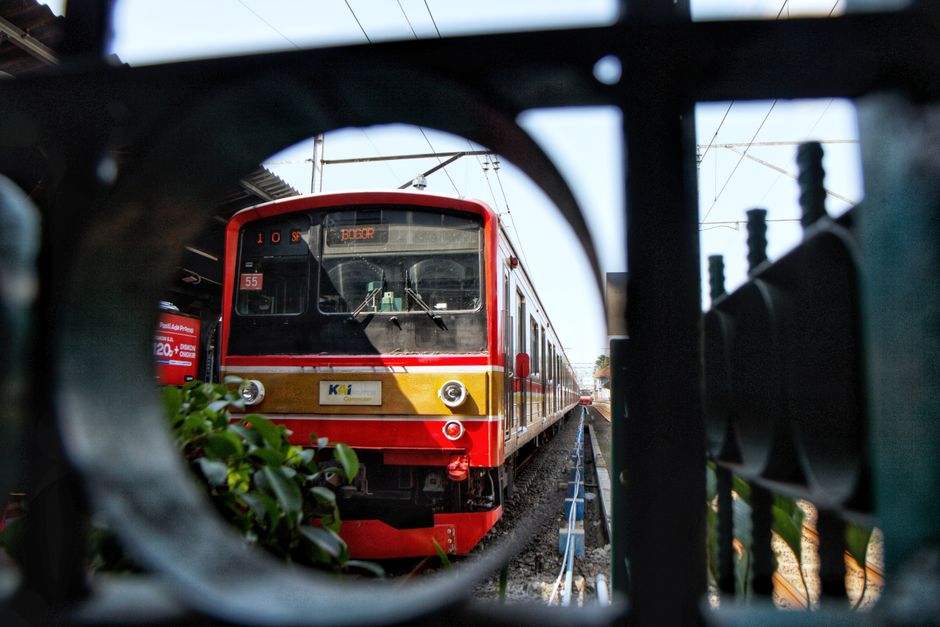
Indonesia Train Crash West Java: A Deep Dive into the Kutoarjo Disaster and its Ramifications
The Kutoarjo train crash, a catastrophic event that unfolded in West Java, Indonesia, serves as a stark reminder of the vulnerabilities within national transportation infrastructure and the profound human cost of such accidents. Occurring on January 24, 2016, near the town of Kutoarjo in Purworejo Regency, Central Java (though often referred to in broader discussions of Indonesian railway safety in the region), this incident involved the collision of two passenger trains, the Malabar Express and the Senja Bengawan. The disaster resulted in multiple fatalities and a significant number of injuries, sending shockwaves through the nation and raising critical questions about railway safety standards, maintenance protocols, and operational procedures in Indonesia. Understanding the intricacies of the Kutoarjo crash, its causes, consequences, and the subsequent efforts to prevent future tragedies is paramount for assessing the state of railway safety in Indonesia and for advocating for necessary improvements.
The immediate circumstances leading to the Kutoarjo train crash are attributed to a tragic confluence of human error and potential infrastructure deficiencies. Initial investigations pointed towards a signal malfunction and a lapse in communication between railway operators. The Malabar Express, traveling from Bandung to Malang, was reportedly on its scheduled route when the Senja Bengawan, operating from Solo to Purwokerto, collided with it. Reports suggest that the Senja Bengawan, traveling in the opposite direction, may have been granted permission to proceed onto a track segment already occupied by the Malabar Express due to a misinterpretation of signals or a failure in the interlocking system. The dense fog prevalent in the area on that morning is also believed to have contributed to reduced visibility, potentially exacerbating the situation and hindering the timely reaction of train drivers and station personnel. The lack of an advanced warning system or a robust real-time tracking mechanism for trains on the same track segment further compounded the risk. The sheer kinetic energy involved in a head-on collision between two heavy passenger trains meant that the impact was devastating, causing widespread destruction of carriages and significant casualties. The forensic examination of the wreckage, the black boxes of both trains, and interviews with surviving crew members and witnesses were crucial in piecing together the sequence of events that culminated in this devastating accident.
The human toll of the Kutoarjo train crash was immense, leaving an indelible mark on the affected families and the nation as a whole. Official reports confirmed a substantial number of fatalities, with many passengers suffering severe injuries, including broken bones, head trauma, and critical internal damage. The immediate aftermath saw a massive rescue and relief operation, involving local authorities, military personnel, medical teams, and volunteers. Hospitals in the vicinity were overwhelmed, and makeshift medical facilities were set up to treat the injured. The psychological impact on survivors, eyewitnesses, and the families of victims was profound, with many grappling with trauma and grief. The repatriation of deceased passengers and the provision of support to the bereaved families became a significant undertaking for the government. Beyond the immediate casualties, the Kutoarjo crash also led to the disruption of rail services across a crucial corridor, affecting the movement of thousands of commuters and goods, highlighting the economic and social ramifications of such accidents. The event served as a catalyst for renewed public discourse on railway safety and the need for greater accountability within the railway administration.
In the wake of the Kutoarjo disaster, a comprehensive investigation was launched by the Indonesian National Transportation Safety Committee (KNKT) to ascertain the root causes and identify contributing factors. The investigation meticulously examined all aspects of the incident, from the operational procedures and maintenance records to the condition of the signaling system and the training of personnel. While the exact findings are detailed in the official KNKT report, several key themes emerged. The investigation likely highlighted issues related to the aging infrastructure of the Indonesian railway network, where older signaling systems and track maintenance might not have kept pace with the increasing volume and speed of train traffic. Human error, stemming from inadequate training, fatigue, or a lack of adherence to established protocols, was also a significant focus. The investigation would have scrutinized the communication channels between train controllers, station masters, and train drivers, looking for any breakdowns or miscommunications that could have led to the fatal error. Furthermore, the report may have delved into the adequacy of safety regulations and enforcement mechanisms within the Indonesian railway system. The KNKT’s findings are crucial not only for assigning responsibility but more importantly for formulating actionable recommendations to prevent similar incidents from recurring.
The Kutoarjo train crash, along with other similar incidents in Indonesia’s railway history, has underscored the urgent need for significant investment and reform in the country’s railway infrastructure and safety management. The disaster served as a wake-up call, prompting calls for increased funding for modernization of signaling systems, track upgrades, and the implementation of advanced train control technologies. The Indonesian government, in response to public pressure and the recommendations of the KNKT, initiated several measures to bolster railway safety. These included intensified track inspections, a review and update of operational procedures, and enhanced training programs for railway personnel, particularly in areas of signal operation and emergency response. The long-term vision also involved the phased replacement of outdated signaling equipment with modern, automated systems that reduce reliance on manual intervention and minimize the potential for human error. Furthermore, efforts were made to improve communication networks and implement real-time train monitoring systems to provide greater situational awareness for traffic controllers. The Kutoarjo crash also brought to the fore the importance of a robust safety culture within PT Kereta Api Indonesia (KAI), the state-owned railway company, emphasizing the need for a proactive approach to risk assessment and hazard identification rather than a reactive one.
The international context of railway safety also plays a role in understanding the challenges faced by Indonesia. Many developing nations grapple with the dual pressures of expanding their transportation networks to meet growing economic and population demands while simultaneously ensuring that these networks are safe and technologically advanced. The Kutoarjo crash can be viewed within this broader global challenge, where resource constraints and the rapid pace of development can sometimes create vulnerabilities. Learning from international best practices in railway safety management, including the adoption of advanced technologies like Automatic Train Protection (ATP) systems and the implementation of rigorous safety management systems, is essential for Indonesia. Collaborative efforts with international railway organizations and technical assistance from countries with more developed railway infrastructures can provide valuable expertise and support in Indonesia’s journey towards enhanced safety.
The Kutoarjo train crash had significant policy and regulatory implications for the Indonesian railway sector. Following the accident, there was increased scrutiny on the regulatory framework governing railway operations and safety standards. This likely led to a review and strengthening of existing regulations, potentially introducing stricter penalties for non-compliance and enhancing the oversight capabilities of regulatory bodies. The government may have also explored the possibility of independent safety audits and accident investigation processes to ensure transparency and impartiality. The incident also highlighted the importance of public engagement and the role of civil society in advocating for railway safety. Consumer rights organizations and transportation advocacy groups played a crucial role in demanding accountability and pushing for meaningful reforms. The long-term impact of the Kutoarjo crash on policy is evident in the ongoing efforts to modernize the railway infrastructure and implement more stringent safety protocols.
The economic consequences of the Kutoarjo train crash extended beyond the immediate costs of rescue, relief, and compensation. The disruption to rail services, a vital mode of transport for both passengers and freight in Indonesia, led to significant economic losses for businesses and individuals. The damage to rolling stock and track infrastructure required substantial repair and replacement costs, diverting resources that could have been used for other development projects. Moreover, the negative publicity generated by such a high-profile accident could have had a chilling effect on public confidence in the railway system, potentially leading to a decline in passenger numbers and revenue for KAI in the short to medium term. The long-term economic viability of the Indonesian railway sector hinges on its ability to demonstrate a commitment to safety and reliability, which in turn influences investment decisions and passenger choice.
The Kutoarjo train crash is a complex and multi-faceted event that demands a thorough and ongoing examination of railway safety in Indonesia. While the immediate tragedy has passed, the lessons learned from this disaster continue to inform efforts to improve the safety and efficiency of the nation’s railway network. The commitment to modernization, rigorous safety protocols, and a proactive safety culture are paramount to ensuring that such devastating accidents are relegated to the annals of history, allowing Indonesia’s railway system to serve its people safely and reliably for generations to come. The continuous monitoring of safety performance, independent oversight, and a willingness to adapt to evolving technological advancements and best practices will be crucial in safeguarding against future tragedies. The Kutoarjo crash serves as a potent reminder that railway safety is not a static goal but an ongoing, dynamic process requiring constant vigilance and dedication from all stakeholders.
