Trump Administration Sweeps Away 760,000 Affordable Care Act Enrollments in Massive Fraud Crackdown Amid Transparency and Reinstatement Concerns

The Trump administration’s sweeping initiative to purge fraudulent and improper accounts from the federal Affordable Care Act (ACA) marketplace has resulted in the sudden cancellation of health coverage for more than 760,000 individuals. Announced late last month by the Centers for Medicare & Medicaid Services (CMS), the aggressive regulatory maneuver is designed to eliminate waste, curb system-wide abuse, and realize billions of dollars in taxpayer savings. However, the mass disenrollment has ignited a fierce national debate among policy experts, insurance executives, and consumer advocates regarding administrative transparency, the potential fallout for legitimate policyholders, and the broader political implications as the 2026 midterm elections approach.
The Anatomy of the Sweep: Chronology and Enforcement Phases
The controversial purge follows months of escalating concern over unauthorized health plan sign-ups, rogue brokers, and manipulated application data within the federal marketplace operating via HealthCare.gov. The sequence of regulatory events began unfolding earlier this year:
- June: CMS targeted nearly 1.2 million active marketplace accounts that exhibited specific warning flags, such as zero-premium structures, missing documentation, or an absence of medical claims over a full year.
- Mid-Summer: Regulators instructed insurance carriers to cross-reference these flagged accounts and initiate intensive outreach campaigns. Policyholders were given a rigid 30-day window to respond to multiple communication attempts—typically comprising phone calls and written notices—to verify their eligibility and provide missing data.
- August 31: CMS officially canceled approximately 315,000 specific enrollments, a move that abruptly terminated coverage for more than 760,000 individuals across multiple states.
- Fall 2025/2026 Transition: Health and Human Services (HHS) leadership and CMS administrators began rolling out an additional phase of scrutiny, subjecting another 419,000 sign-ups to administrative audits. Insurers are expected to report final non-response metrics by mid-to-late November.
While administration defenders celebrate the actions as a long-overdue rectification of a compromised system, critics and industry insiders warn that the administrative dragnet has inevitably ensnared vulnerable, legitimate consumers who failed to navigate bureaucratic hurdles in time.
Divergent Perspectives on Fraud and Phantom Enrollees
The scale of marketplace fraud has been a flashpoint for conservative health policy researchers for years. Proponents of the administration’s crackdown, such as Brian Blase of the Paragon Health Institute—whose research has heavily informed federal scrutiny—contend that the vast majority of the purged accounts represent "phantom enrollees." According to Blase, upwards of 99 percent of the canceled policies involved zero-premium coverage initiated by aggressive, unauthorized call centers or fraudulent brokers seeking commissions without the knowledge or consent of the nominal applicants.
"Carriers had a big incentive to get hold of the enrollees because they would lose the subsidies they were being paid if the plans were canceled," Blase noted, emphasizing that the administration’s expedited reinstatement processes are designed to quickly restore coverage to any legitimate policyholder who steps forward with valid Social Security numbers or correct documentation.
Conversely, health policy analysts and legal scholars argue that the federal government’s methodology is too blunt an instrument. Katie Keith, director of the Center for Health Policy and the Law at Georgetown Law, points out the inherent danger in assuming non-responsiveness equates to fraud. "It may be true that some of those enrollments were not authorized, but it can be equally true that people got lost in the shuffle and have a valid enrollment," Keith said. "Without more information, it’s almost impossible to tell. That they are not being very transparent is telling too."
Independent experts note that many of the warning flags utilized by CMS—such as a lack of medical claims within a 12-month period—are entirely normal for healthy individuals who do not require frequent doctor visits or hospitalizations. Furthermore, strict reliance on postal mail and unsolicited phone calls risks missing consumers who move frequently, face language barriers, or routinely ignore calls from unfamiliar numbers due to pervasive spam.
Industry Impact and Operational Challenges
Insurance carriers operating within the federal exchange have found themselves on the front lines of a chaotic administrative scramble. Major health insurers, including Oscar Health and members of the Blue Cross Blue Shield Association, have reported mixed experiences while reviewing lists provided by CMS.
Mark Bertolini, CEO of Oscar Health, noted during an investor earnings call that while the company successfully contacted a portion of the targeted individuals, the sheer volume of accounts under review created considerable administrative friction. Securities and Exchange Commission filings indicated that Oscar Health alone faced potential disenrollment numbers ranging between 250,000 and 300,000 members.
On the ground, independent insurance brokers and agencies experienced an overwhelming demand for crisis management support. Johnny Wallin, chief operating officer of the Texas-based Marketplace Insurance Exchange, described an "all-hands-on-deck" response as agents scrambled to contact clients—some of whom were vacationing overseas or struggling to update expiring immigration documents like green cards. Despite aggressive outreach, dozens of clients remained entirely unreachable before the expiration of the strict 30-day deadlines.
Insurance trade groups emphasize the delicate balance required to protect the risk pool. Ronnell Nolan, president and CEO of Health Agents for America, voiced support for cracking down on systemic fraud while cautioning against alienating healthy participants. Insurers "want those healthy people in the insurance pool to help bring down the rates," Nolan explained. "We’re against fraud, and CMS has allowed a lot of fraud to happen. But we don’t want people who just didn’t go to the doctor to be canceled."
Broader Policy Context and Political Implications
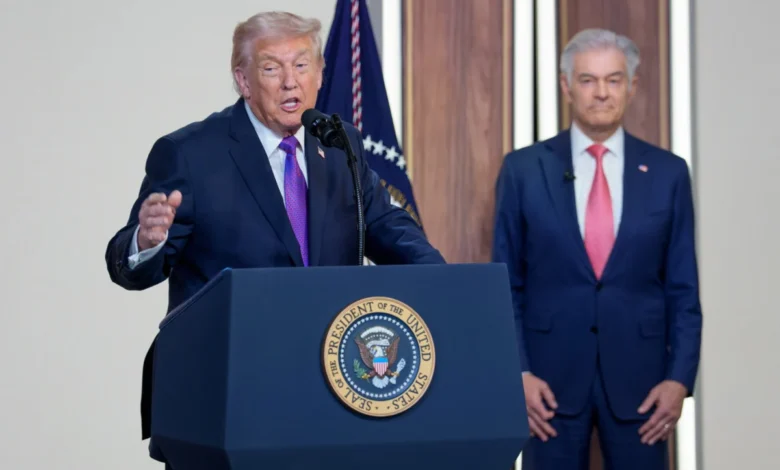
The aggressive pruning of the ACA rolls does not occur in a vacuum. It is part of a broader, concerted Republican strategy to target perceived waste, fraud, and abuse across federal entitlement programs, including Medicaid and Medicare hospice benefits. At an October press conference, HHS Secretary Robert F. Kennedy Jr. and CMS Administrator Mehmet Oz highlighted a separate initiative that eliminated federal subsidies for roughly 189,000 enrollees who held duplicate coverage across Medicare, Medicaid, or the Children’s Health Insurance Program (CHIP), or whose records indicated they were deceased. Officials credited more rigorous, frequent data-matching checks for catching these overlaps.
However, the geographic distribution of the ACA cancellations carries significant political and economic weight. The targeted disenrollments are concentrated exclusively in states utilizing the federal HealthCare.gov platform. Many of these are Republican-led Southern states—such as Texas, Florida, Louisiana, and Mississippi—that experienced exponential marketplace growth between 2020 and 2025, heavily fueled by temporary, enhanced subsidies enacted during the Biden administration.
In contrast, the 21 states that operate their own state-based marketplaces have reported minimal to zero disruption from unauthorized sign-ups or rogue brokers. State-run exchanges typically employ more rigorous verification measures, such as mandatory multifactor authentication and tighter broker oversight, shielding their populations from the federal turmoil.
With health care costs consistently ranking alongside fuel prices as a primary concern for American voters, political analysts are divided on how the cancellations will affect the electorate. Adrianna McIntyre, assistant professor of health policy and politics at the Harvard T.H. Chan School of Public Health, suggests the political fallout will hinge entirely on real-world friction. "To the extent there is a reaction depends on whether the government got it wrong, whether people try to get care and then find out their coverage is no longer active," McIntyre observed.
As federal regulators prepare to process a second wave of audits affecting over 400,000 additional accounts through the late autumn months, transparency and communication will remain critical variables. While the Trump administration insists its actions protect taxpayers and restore integrity to the health insurance market, millions of consumers, insurers, and lawmakers await concrete data to determine whether the federal dragnet successfully eliminated bad actors or simply left ordinary patients stranded without care.