
Bok Kai Temple Marysville
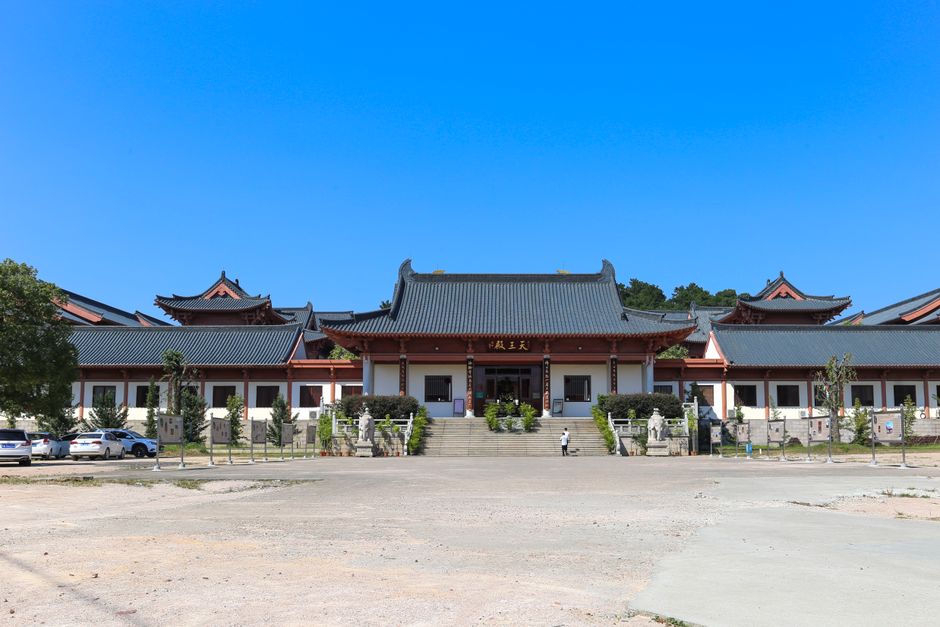
Bok Kai Temple Marysville: A Deep Dive into History, Culture, and Community Significance
The Bok Kai Temple, nestled in the heart of Marysville, California, stands as a testament to the enduring legacy of Chinese immigration and the vibrant cultural tapestry woven into the fabric of this historic Gold Rush town. More than just a place of worship, Bok Kai Temple is a cornerstone of the Marysville community, offering a window into the spiritual beliefs, ancestral traditions, and societal contributions of Chinese Americans. Its presence is inextricably linked to the narrative of Marysville, a city that once boasted one of the largest Chinese populations on the West Coast, and the temple serves as a tangible reminder of this rich past, while actively engaging with the present and future.
The origins of Bok Kai Temple date back to the mid-19th century, a period of intense Chinese migration to California fueled by the Gold Rush and the promise of economic opportunity. Drawn by the allure of gold, Chinese laborers, primarily from the Guangdong province of China, arrived in droves, establishing communities and contributing significantly to the development of cities like Marysville. They brought with them their customs, religious practices, and a deep-seated reverence for their ancestors and deities. The establishment of a temple was a natural and vital step in preserving their cultural identity and providing a spiritual anchor in a new and often challenging environment.
While the exact year of the initial temple’s founding is subject to historical interpretation and the fluidity of early community structures, historical records and oral traditions point to the late 1850s or early 1860s as the period when a formal place of worship began to coalesce. Initially, it may have been a more rudimentary structure, reflecting the early stages of community building. However, as the Chinese community in Marysville grew and prospered, so too did the ambition to create a more substantial and ornate sanctuary. The current edifice, though having undergone renovations and expansions over time, largely reflects the architectural styles and decorative motifs prevalent in Chinese temples of that era, aiming to replicate the grandeur and spiritual resonance of those found in their homeland.
The name "Bok Kai" itself carries significant meaning. "Bok" is believed to be a transliteration of a Chinese word referring to prosperity, good fortune, or the North Star, a celestial body often associated with guidance and leadership. "Kai" can refer to a temple or a palace. Therefore, Bok Kai Temple can be interpreted as a "Temple of Prosperity" or a "Palace of Good Fortune," reflecting the aspirations and prayers of its congregants for well-being and success in their new lives. This nomenclature underscores the temple’s role not only as a spiritual center but also as a beacon of hope and a place where community members sought blessings and guidance.
The architecture of Bok Kai Temple is a key element in its historical and cultural significance. While modern renovations have undoubtedly introduced contemporary materials and techniques, the core design principles and decorative elements remain true to traditional Chinese temple architecture. This typically involves a series of courtyards, intricately carved wooden beams, vibrant roof decorations, and ornate altars. The roof, in particular, is often adorned with mythological creatures like dragons and phoenixes, believed to ward off evil spirits and symbolize good fortune and imperial power. The use of bright, auspicious colors such as red and gold is also characteristic, representing vitality, wealth, and happiness. Inside, visitors would find statues of various deities, representing a pantheon of beliefs that often blended Taoism, Buddhism, and folk religions. Key figures likely honored at Bok Kai Temple include the Jade Emperor, the supreme deity in Taoism; Guan Yu, the god of loyalty, righteousness, and war; and various Bodhisattvas and Buddhist figures. The presence of these deities signifies the syncretic nature of Chinese religious practice, where different belief systems often coexisted and were integrated.
The preservation and restoration of Bok Kai Temple have been a significant undertaking, involving dedicated community efforts and external support. Over the decades, the temple has faced the challenges of natural wear and tear, environmental factors, and the inevitable passage of time. Recognizing its historical importance, local historical societies, descendants of early Chinese settlers, and concerned citizens have worked tirelessly to ensure its continued existence. These restoration projects have not only focused on structural integrity but also on meticulously recreating or preserving the intricate artistic details that define the temple’s character. This commitment to preservation is crucial for maintaining the tangible link to the past and ensuring that future generations can understand and appreciate the history of Chinese Americans in Marysville.
The Bok Kai Temple has historically served, and continues to serve, as the spiritual and cultural heart of the Chinese community in Marysville. It is a place where important rituals are performed, festivals are celebrated, and ancestral veneration takes place. Traditional Chinese festivals, such as Chinese New Year, the Mid-Autumn Festival, and the Qingming Festival (Tomb-Sweeping Day), would have been marked with significant ceremonies and gatherings at the temple. These celebrations were not merely religious events but also crucial opportunities for community bonding, the passing down of traditions to younger generations, and the reinforcement of cultural identity. The temple provided a familiar and sacred space where the diaspora could maintain their connections to their homeland and their cultural heritage.
Beyond its religious functions, Bok Kai Temple played a vital role in the social and economic life of the Chinese community. In the early days, it often served as a de facto community center, offering a place for social gatherings, mutual aid, and dispute resolution. It was a place where immigrants could find support, share information, and navigate the complexities of life in a new country. The temple’s leadership and prominent community members often acted as intermediaries between the Chinese community and the broader American society, advocating for their rights and addressing concerns. This multifaceted role underscores the temple’s deep integration into the fabric of Marysville’s early Chinese settlement.
The historical significance of Bok Kai Temple extends beyond the local level. It is a representation of the broader history of Chinese American experience in the United States, marked by waves of immigration, the establishment of Chinatowns, and the ongoing struggle for cultural preservation and civil rights. Marysville, with its prominent Chinese population and the enduring presence of Bok Kai Temple, serves as a microcosm of these larger historical narratives. The temple’s story is interwoven with the stories of countless other Chinese temples and community organizations that dotted the American West during the 19th and 20th centuries, each a testament to resilience, faith, and the enduring spirit of a people.
In contemporary times, Bok Kai Temple continues to be an active and relevant institution. While the demographics of Marysville and its Chinese community may have evolved, the temple remains a focal point for spiritual observance and cultural celebration. It continues to host religious services, provide a space for private prayer and contemplation, and organize events that engage both the local Chinese community and the wider public. Efforts to interpret and share the temple’s history are ongoing, often involving collaborations with local museums, historical societies, and educational institutions. These initiatives aim to make the temple’s rich heritage accessible to a broader audience, fostering understanding and appreciation for the contributions of Chinese Americans to the development of Marysville and beyond.
The temple’s presence also serves as a vital educational resource. For historians, anthropologists, and students of immigration and cultural studies, Bok Kai Temple offers invaluable insights into the religious practices, social structures, and historical trajectories of Chinese communities in the American West. Its architectural features, its collection of artifacts, and the oral histories associated with it provide a tangible link to the past, allowing for a deeper and more nuanced understanding of the Chinese American experience.
Furthermore, Bok Kai Temple plays a role in promoting interfaith and intercultural dialogue. By opening its doors to visitors and engaging with the broader community, the temple fosters a spirit of understanding and respect between different cultural and religious groups. This is particularly important in a diverse society, where shared spaces for cultural exchange can help to break down barriers and build bridges.
The ongoing efforts to maintain and promote Bok Kai Temple are crucial for ensuring its legacy. This includes not only the physical upkeep of the building but also the active perpetuation of the cultural traditions and spiritual practices associated with it. For descendants of the early Chinese settlers, the temple represents a direct link to their ancestors and a vital element of their familial and cultural heritage. For the wider community of Marysville, it stands as a cherished landmark, a symbol of the city’s unique history, and a vibrant testament to the enduring power of culture and faith.
In conclusion, Bok Kai Temple in Marysville is far more than a historic building; it is a living monument to the resilience, faith, and cultural richness of Chinese Americans. Its history is a testament to the arduous journey of immigration, the challenges of assimilation, and the unwavering commitment to preserving cultural identity. As a spiritual center, a community hub, and an educational resource, Bok Kai Temple continues to play a vital role in Marysville, offering a profound glimpse into the past while actively contributing to the vibrant cultural landscape of the present and future. Its enduring presence serves as a powerful reminder of the diverse threads that have been woven into the American narrative, and the importance of honoring and preserving these rich historical legacies. The SEO value lies in the detailed exploration of its history, cultural significance, architectural elements, community role, and educational impact, making it a comprehensive resource for anyone seeking information on this important landmark.
