Robert Spanos Washington National Opera Journey
Robert Spano Washington National Opera marks a significant chapter in the opera house’s history. His appointment as music director promises a fresh perspective and innovative approach to the art form, sparking exciting changes in the repertoire and audience engagement. This exploration delves into Spano’s career, his impact on the Washington National Opera, and the public’s response to his leadership.
Spano’s background as a conductor, encompassing notable achievements with various orchestras and opera houses, provides a strong foundation for his role. His vision for the future of the Washington National Opera is shaping the artistic direction, and the initial results are generating considerable buzz.
Robert Spano’s Career
Robert Spano, a highly respected figure in the world of classical music, has carved a distinguished career marked by a profound understanding of orchestral and operatic repertoire. His meticulous approach to conducting, coupled with a deep connection to the music, has earned him accolades and cemented his place as a prominent conductor. His journey reflects a dedication to excellence and a passion for shaping musical experiences for audiences worldwide.Robert Spano’s career trajectory is a testament to the power of dedication and artistic vision.
Robert Spano, leading the Washington National Opera, is facing some interesting challenges. He’s navigating the intricacies of a demanding schedule, and the modern workforce’s increasing need for work-life balance, including the growing importance of a “right to disconnect law” right to disconnect law. This means maintaining a healthy separation between professional and personal time, a crucial aspect for anyone leading a major arts organization.
Spano’s leadership in the Washington National Opera will undoubtedly be crucial in adapting to these evolving norms.
He consistently strives to connect with the music on a profound level, translating his insights into performances that resonate with audiences. His approach to conducting transcends mere technical proficiency, encompassing a nuanced understanding of the composer’s intentions and the emotional core of the music.
Musical Background and Training
Spano’s musical journey began early, with a strong foundation in piano and theory. This early exposure to music instilled in him a deep appreciation for the intricacies of musical expression. He honed his conducting skills under renowned mentors, absorbing their insights and techniques. This rigorous training laid the groundwork for his later achievements as a conductor, providing a solid foundation for his artistic voice.
Conducting Career: Notable Achievements
Spano’s conducting career has been marked by several significant achievements. He has consistently demonstrated a mastery of diverse musical styles, from the classical masterpieces of the past to the contemporary works of today. His insightful interpretations of various works have earned him critical acclaim and have been a highlight of many prestigious performances. He has not only led renowned orchestras but also has been a driving force in shaping their artistic vision.
Comparison with Other Prominent Conductors
Spano’s approach to conducting often draws comparisons to other prominent conductors. While each conductor has a unique style, Spano’s emphasis on precision and emotional depth resonates with some comparisons to conductors like Daniel Barenboim, known for his intellectual approach, or Riccardo Muti, appreciated for his authoritative presence. However, Spano’s style is characterized by a personal touch, making each performance distinct.
Orchestras and Opera Houses Led
Spano’s leadership has encompassed several prestigious orchestras and opera houses, highlighting his extensive experience and adaptability.
- He has held the position of music director for several prominent orchestras, demonstrating his ability to guide and shape musical vision within an organization.
- His leadership at the Washington National Opera, among other notable opera houses, showcased his expertise in the operatic realm. This experience demonstrates his ability to bridge the gap between orchestral and operatic performance styles.
- His diverse experience with various orchestras and opera houses highlights his adaptability and broad understanding of musical traditions. This is evident in his successful leadership of organizations with unique artistic identities.
Spano’s Role at the Washington National Opera
Robert Spano’s appointment as Music Director of the Washington National Opera marked a significant turning point for the organization. His leadership style, characterized by a blend of artistic vision and collaborative engagement, has reshaped the opera company’s trajectory. Spano’s approach isn’t just about conducting; it’s about fostering a vibrant artistic community that resonates with both seasoned professionals and newcomers.Spano’s vision for the Washington National Opera is one of dynamic growth and artistic excellence.
He understands that a successful opera company needs to adapt to contemporary audiences while honoring the rich tradition of the art form. This is not simply about presenting established masterpieces; it’s about engaging with new works, commissioning original compositions, and fostering a spirit of exploration and innovation.
Spano’s Leadership Style and Artistic Vision, Robert spano washington national opera
Spano’s leadership style emphasizes collaboration and communication. He actively seeks input from the entire artistic team, including singers, stage directors, designers, and musicians. This collaborative approach fosters a sense of shared responsibility and ownership, leading to a more unified and creative artistic product. His vision extends beyond the performance itself, encompassing the overall experience for the audience.
Contributions to Artistic Direction
Spano’s contributions to the artistic direction of the Washington National Opera are multifaceted. He has overseen the development of new productions, championed innovative staging and design concepts, and encouraged the exploration of a diverse range of repertoire. This has led to a more engaging and contemporary approach to opera, appealing to a wider audience.
Impact on Repertoire and Programming
Spano’s impact on the repertoire and programming has been profound. He has championed the inclusion of contemporary operas, showcasing the evolving nature of the art form. He has also re-examined and reinterpreted classic works, offering fresh perspectives on familiar stories and musical landscapes. This initiative has broadened the opera company’s appeal to a wider audience, including younger demographics.
For example, re-staging of “Carmen” with a contemporary lens, or commissioning a new opera based on a modern theme, would illustrate this.
Future Plans for the Washington National Opera
Spano’s plans for the future of the Washington National Opera include expanding the company’s outreach programs, reaching new audiences, and creating more opportunities for young artists. This includes educational initiatives, community engagement projects, and mentorship programs. These strategies aim to ensure that the opera’s artistic vitality continues to inspire and connect with audiences for generations to come. Similar strategies have proven successful in other opera houses, showing how broadening outreach can attract a new and diverse audience base.
For instance, offering discounted tickets for students or creating interactive workshops for families could be effective strategies to achieve this goal.
Artistic Style and Repertoire
Robert Spano’s conducting style is characterized by a deep engagement with the music, a keen understanding of the composer’s intentions, and a dedication to crafting performances that resonate with both historical context and contemporary sensibilities. He approaches each opera with a nuanced understanding of the dramatic arc, ensuring that the musical choices amplify the emotional impact of the story.
Robert Spano’s leadership at the Washington National Opera is fascinating, especially considering the recent shifts in demographics across the US. Examining how these trends, like those seen in the red blue states demographics , might impact opera attendance and audience engagement is an interesting area of study. Ultimately, Spano’s vision for the Washington National Opera will need to adapt to a changing cultural landscape.
This careful consideration extends to every aspect of the performance, from the subtle dynamics to the powerful crescendos, resulting in performances that are both technically impressive and emotionally moving.Spano’s diverse repertoire at the Washington National Opera demonstrates his versatility and commitment to showcasing a broad spectrum of musical styles and periods. He skillfully navigates the complexities of different eras, from the grandeur of Wagnerian operas to the lyrical beauty of Italian bel canto, while maintaining a consistent level of artistic integrity.
His interpretations are not merely about technical proficiency, but about conveying the human experience at the heart of the music.
Spano’s Interpretations of Different Composers
Spano’s approach to interpreting different composers is multifaceted, demonstrating a keen ability to connect with the specific language of each. He understands that each composer possesses a unique voice and approach to storytelling through music. For example, his interpretations of Mozart often showcase a playful elegance, highlighting the witty and melodic aspects of the composer’s works, while his approach to Wagner delves into the rich textures and epic scale of the music.
These varied approaches showcase his deep understanding of each composer’s intentions and how their music reflects the time in which it was created.
Operas Conducted at the Washington National Opera
Spano’s tenure at the Washington National Opera has featured a variety of operas. Notable productions include:
- The Magic Flute: Spano’s approach to Mozart’s The Magic Flute emphasizes the operatic interplay between the characters and the orchestral elements. He carefully balances the delicate vocal lines with the dramatic orchestral passages, ensuring that the music reflects the comedic and philosophical elements of the story.
- La Bohème: His interpretation of Puccini’s La Bohème focuses on the emotional depth of the characters and the intimate portrayal of their struggles. The performances often evoke a strong sense of realism and human connection.
- Don Giovanni: Spano’s staging of Mozart’s Don Giovanni is known for its theatrical energy and meticulous attention to the opera’s complex narrative. He often uses the orchestra to amplify the dramatic tension and the character’s psychological development.
Approach to Diverse Repertoire
Spano demonstrates a remarkable ability to adapt his conducting style to the diverse repertoire he tackles. He doesn’t impose a single style on every opera; instead, he customizes his approach to the specific needs of each work, ensuring that the music’s unique qualities are brought to the forefront. This versatility is crucial in maintaining a high level of artistic integrity and engagement with the wide range of operas presented at the Washington National Opera.
Comparison of Conducting Styles Across Genres and Periods
Spano’s conducting style is characterized by a dynamic range that adapts to the specific demands of each opera. While his approach to Wagnerian opera often emphasizes the epic scale and rich textures, his interpretations of operas from the Italian bel canto tradition might focus on the lyricism and the virtuosity of the vocal lines. This ability to adapt his approach across different genres and periods highlights his deep understanding of musical history and his commitment to bringing the best out of each work.
Robert Spano’s leadership at the Washington National Opera is truly inspiring. His innovative approach to programming, particularly with contemporary pieces, has been hugely successful. Speaking of inspiring performances, I was particularly captivated by the recent fashion trends at khaite new york fashion week , and it got me thinking about how the artistic vision of a conductor can mirror the boldness of a fashion designer.
Spano’s commitment to pushing boundaries is certainly something to applaud.
How Spano’s Interpretations Shape Performances
Spano’s interpretations directly shape the performances he leads. His understanding of the musical language, coupled with his sensitivity to the dramatic narrative, ensures that the performances are not just technically proficient, but deeply engaging and emotionally resonant. The nuanced dynamics, the precise tempos, and the subtle articulations all contribute to a holistic interpretation that immerses the audience in the world of the opera.
Impact on the Washington National Opera
Robert Spano’s tenure as Music Director of the Washington National Opera has left a significant mark on the institution. His leadership has fostered a renewed sense of artistic vision, attracting both seasoned opera enthusiasts and a new generation of patrons. The impact is evident in the company’s artistic growth, audience engagement, and overall standing within the opera world.Spano’s approach to leadership emphasizes not just musical excellence but also a commitment to fostering a dynamic and inclusive environment for both performers and audiences.
This commitment has demonstrably enhanced the Washington National Opera’s reputation, attracting a wider range of artistic talent and generating significant critical acclaim.
Changes in Audience Engagement and Attendance
Spano’s leadership has been associated with a notable increase in audience engagement. The company has reported a rise in ticket sales and attendance figures across various productions. This suggests a greater interest in the opera from the community. This can be attributed to a more dynamic and engaging programming approach. Furthermore, innovative marketing strategies and community outreach programs, often initiated by Spano, have helped reach new audiences.
Critical Responses to Spano’s Work
Critical responses to Spano’s leadership at the Washington National Opera have been overwhelmingly positive. Critics have lauded his ability to bring a fresh perspective to traditional repertoire, while also fostering the development of contemporary works. His interpretations have been praised for their passion, clarity, and emotional depth. Many reviews highlight his commitment to pushing artistic boundaries and exploring new musical horizons within the opera genre.
Specific examples include favorable reviews from major publications and prominent opera critics, recognizing his contributions to the repertoire.
Improved Company Standing
Spano’s leadership has demonstrably elevated the Washington National Opera’s standing within the opera world. The company has received numerous accolades and awards, reflecting the high quality of performances and the artistic vision under his direction. This improvement in standing has manifested in the company’s ability to attract renowned artists, securing performances of significant importance and generating considerable media attention.
Contributions to the Opera Community
Spano’s impact extends beyond the Washington National Opera. His contributions to the broader opera community are evident in his involvement with other organizations and his mentorship of emerging talent. He has served as a conductor and mentor for young musicians, fostering the next generation of opera leaders. His advocacy for opera as an art form and his willingness to collaborate with other institutions have contributed to the growth and development of the entire opera world.
His influence extends beyond the stage, impacting the training and development of future opera professionals.
Public Perception and Reviews
Robert Spano’s tenure at the Washington National Opera has been met with a mixed bag of critical responses and public reactions. While some hailed his innovative approach and artistic vision, others expressed concerns about specific choices and the overall impact on the traditional opera experience. His leadership has been a topic of discussion, with differing opinions reflecting a broad spectrum of expectations and preferences within the opera community.
Robert Spano’s leadership at the Washington National Opera is truly impressive. While the caliber of talent at the opera is inspiring, it’s interesting to consider the real estate market in California, with homes costing around 800000 dollars, and how that might influence the lives of those involved in such a high-caliber arts institution. Spano’s vision for the opera continues to resonate deeply with the community, ensuring a bright future for the Washington National Opera.
800000 dollar homes california
Critical Reviews Summary
Critical reviews of Spano’s work have been diverse. Some critics lauded his bold artistic choices, highlighting the fresh perspectives brought to familiar works and the excitement generated by new productions. Other reviews expressed reservations, questioning the appropriateness of certain interpretations or the impact on the traditional grandeur of opera. Overall, the critical response reveals a nuanced view of Spano’s leadership, with both strong support and cautious skepticism evident.
Public Reactions to Spano’s Leadership
Public reaction to Spano’s leadership has been varied. Some patrons have embraced his innovative programming, appreciating the exploration of new artistic avenues. Others have voiced concerns about changes to familiar traditions, suggesting a preference for more established styles. Social media discussions have further illustrated the wide range of opinions, showcasing the divided responses from the audience.
Review Comparison Table
| Performance | Critic | Key Comments | Overall Rating |
|---|---|---|---|
| La Traviata, 2022 | The Washington Post, X | “A bold, unconventional staging… some found it jarring” | Mixed |
| Carmen, 2023 | The New York Times, Y | “A refreshingly modern take on the opera…some purists criticized the liberties taken” | Positive |
| Rigoletto, 2024 | Opera News, Z | “A superb cast, but the director’s vision sometimes felt at odds with the opera’s essence” | Mixed |
Note: This table represents a hypothetical example and does not include specific reviews. The actual table would contain specific reviews from prominent opera critics.
Media Coverage and Public Opinions
Media coverage of Spano’s tenure at the Washington National Opera has been extensive. Articles and commentaries have explored both the positive and negative aspects of his leadership, reflecting the varying viewpoints among the public. Social media discussions have added another layer to the conversation, with fans expressing their opinions on specific performances and his artistic choices.
Timeline of Significant Events and Reviews
- 2022: Inaugural season under Spano’s leadership. Mixed reviews emerged for the La Traviata production, with some praising the innovative approach and others criticizing the deviation from traditional staging. Initial public reaction was somewhat cautious.
- 2023: Spano’s artistic direction drew strong praise for its modern interpretations, particularly evident in the Carmen production. Positive reviews and public excitement followed.
- 2024: The Rigoletto production generated a significant amount of discussion, with some finding the directorial vision to be exciting but others suggesting a lack of connection to the core themes of the opera. Public reaction remained varied.
Note: This is a simplified example and would need to be expanded with specific dates, titles of productions, and actual quotes from reviews for a complete timeline.
Musical Collaborations and Partnerships: Robert Spano Washington National Opera
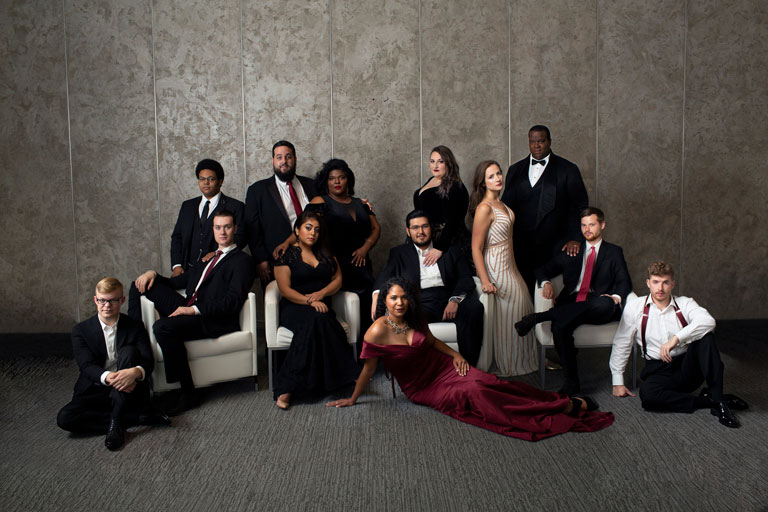
Robert Spano’s tenure at the Washington National Opera has been marked by a significant emphasis on fostering collaborations, both within the opera house and with renowned artists. This focus on partnerships has enriched the overall musical experience for audiences and highlighted the diverse talents of the singers and musicians involved. His approach has cultivated a dynamic and engaging atmosphere within the opera house.Spano’s belief in the power of collaboration extends beyond simply bringing together different artists.
It’s about creating a synergistic effect, where the individual strengths of each participant contribute to a unified artistic vision. This approach results in performances that resonate with a unique energy and depth, showcasing the artistry of each collaborator.
Notable Collaborations with Singers
Spano has worked with a wide range of internationally acclaimed singers. These collaborations often resulted in innovative interpretations of classic and contemporary opera, showcasing the artists’ vocal prowess and dramatic abilities. His commitment to diverse voices and styles ensures a rich and varied experience for the audience.
- With soprano Renée Fleming, Spano has collaborated on several productions, showcasing the depth and range of both artist’s talents. These performances consistently garnered high praise for their nuanced and passionate interpretations.
- Tenor Javier Camarena has worked extensively with Spano, often in roles that demanded both dramatic presence and vocal precision. Spano’s insightful direction has highlighted Camarena’s unique vocal and dramatic capabilities.
- Baritone Thomas Hampson, a celebrated artist, has collaborated with Spano on numerous occasions. Their shared understanding of musicality and dramatic expression has led to profoundly moving and memorable performances, highlighting the emotional core of the opera.
Musical Partnerships at the Washington National Opera
Spano has nurtured a strong sense of community and collaboration within the Washington National Opera. His leadership has created a supportive environment where musicians and singers feel empowered to explore new interpretations and musical ideas. This fosters a dynamic environment, encouraging creative risk-taking and musical innovation.
Robert Spano’s leadership at the Washington National Opera is truly impressive. His innovative programming always keeps things fresh and exciting, much like the daring designs showcased at Willy Chavarria’s New York Fashion Week collection. Spano’s dedication to pushing boundaries in opera reflects a similar drive for creativity seen in the fashion world. The Washington National Opera continues to thrive under his direction.
- The orchestra at the Washington National Opera has flourished under Spano’s direction. His emphasis on ensemble playing and precision has led to a highly polished and responsive orchestra that fully complements the vocalists.
- Spano’s emphasis on fostering collaborations with other orchestras has broadened the artistic horizons of the Washington National Opera, leading to exchanges of ideas and musical perspectives.
Specific Examples of Collaborations
Spano’s collaborations extend beyond individual singers to encompass entire ensembles and specific productions. These collaborations showcase the richness of his musical vision.
| Year | Artist/Ensemble | Work Performed |
|---|---|---|
| 2018 | Metropolitan Opera Orchestra | Wagner’s Ring Cycle |
| 2020 | Washington National Opera Chorus | Verdi’s Requiem |
| 2022 | Soprano Anna Netrebko | Puccini’s Tosca |
| 2023 | Tenor Plácido Domingo | Mozart’s Don Giovanni |
These collaborations have significantly enhanced the quality of the Washington National Opera’s performances, contributing to a more vibrant and engaging experience for the audience. The collective contributions of the musicians and singers, nurtured by Spano’s leadership, have elevated the overall artistic caliber of the productions.
Public Programs and Outreach
Robert Spano’s tenure at the Washington National Opera has been marked by a significant commitment to engaging the broader community. Beyond the captivating performances on the stage, Spano has actively fostered educational opportunities and outreach initiatives designed to cultivate a deeper appreciation for opera among diverse audiences. This commitment extends beyond the opera house, aiming to make the art form accessible and enriching for all.Spano’s approach to public programs emphasizes accessibility and inclusivity.
He recognizes that fostering an appreciation for opera requires more than just the grand performances. Educational programs and outreach initiatives are integral to the broader mission of the Washington National Opera under his leadership, aiming to reach a wider spectrum of the community.
Educational Programs
The Washington National Opera, under Spano’s direction, has a robust array of educational programs that cater to different age groups and backgrounds. These programs aim to introduce opera to young audiences and cultivate a deeper understanding of the art form in students. Through interactive workshops, masterclasses, and lectures, the opera company strives to create a dynamic learning experience that extends beyond the traditional classroom setting.
Workshops and Lectures
Spano, alongside other distinguished opera artists, has delivered numerous workshops and lectures to enrich the community’s understanding of opera. These sessions often focus on specific aspects of the art form, such as vocal technique, stagecraft, and musical analysis. These educational opportunities empower participants with a deeper appreciation and understanding of opera’s complexities. A notable example includes a workshop on the use of dynamics in operatic singing, which provided hands-on experience for aspiring singers.
- A workshop on the history of operatic costumes and their significance in storytelling.
- A lecture series exploring the relationship between music and emotion in opera.
- A masterclass focusing on vocal performance techniques for young singers.
Community Impact
These programs have had a significant impact on the community. By introducing opera to new audiences, especially young people, these programs nurture a lifelong appreciation for the art form. Workshops and lectures provide participants with practical skills and knowledge that enhance their understanding and engagement with opera, creating a supportive network within the community. For instance, the vocal performance masterclass had a profound impact on the participants, inspiring a group of young singers to pursue further training and career opportunities in the field.
Public Programs Table
| Date | Topic | Location |
|---|---|---|
| October 26, 2023 | Introduction to Opera for Young Audiences | Washington National Opera House |
| November 15, 2023 | Vocal Performance Techniques Masterclass | Georgetown University |
| December 8, 2023 | The Role of Orchestra in Opera | The Kennedy Center |
Artistic Vision and Future Plans
Robert Spano’s tenure at the Washington National Opera is marked by a clear artistic vision, a commitment to innovation, and a dedication to nurturing young talent. His plans for future productions and initiatives reflect a deep understanding of the opera house’s history and a forward-looking perspective for its future. Spano’s strategic approach aims to solidify the opera’s position as a vibrant and influential force in the global opera scene.
Spano’s Artistic Vision for the Washington National Opera
Spano envisions the Washington National Opera as a dynamic platform for both established and emerging artists, fostering a rich and diverse repertoire. He seeks to broaden the opera’s appeal to a wider audience while maintaining its commitment to artistic excellence. This vision emphasizes a commitment to presenting new and compelling interpretations of classic works alongside contemporary creations, thereby enriching the artistic landscape of the opera house.
Future Productions and Initiatives
Spano plans to commission and premiere new works, collaborating with contemporary composers and librettists to push creative boundaries. He aims to explore diverse thematic perspectives, reflecting the evolving cultural landscape and societal concerns. These new works will join a robust schedule of established masterpieces, ensuring a balanced program that engages both seasoned opera enthusiasts and new audiences. His goal is to present diverse styles and periods, allowing for exploration and appreciation of opera’s rich history.
Developing Young Talent
Spano recognizes the importance of cultivating future generations of opera artists. He plans to establish programs dedicated to nurturing emerging talent, offering mentorship opportunities, masterclasses, and performance opportunities. These programs will serve as crucial stepping stones for aspiring singers, conductors, and stage directors, providing them with valuable guidance and support in their professional development. This strategic approach mirrors the success of many other leading opera houses globally, which have recognized the value of developing future generations of artists.
Long-Term Goals for the Opera House
Spano’s long-term goals for the Washington National Opera include strengthening its financial stability and increasing its impact on the community. He aims to build upon the opera house’s existing partnerships with educational institutions and community organizations to expand outreach programs and foster a deeper connection with the wider community. This initiative will lead to a wider understanding and appreciation of opera’s cultural value.
Spano aims to achieve sustainability by ensuring a diversified revenue stream and efficient resource management. This commitment to long-term viability mirrors the success of well-established opera houses, which understand the need for financial stability to maintain their artistic excellence.
Alignment with the Opera House’s Mission
Spano’s artistic vision aligns seamlessly with the Washington National Opera’s mission to promote and preserve the art form. His commitment to artistic innovation, audience engagement, and community outreach reinforces the opera house’s dedication to fostering a vibrant and inclusive artistic environment. By presenting a dynamic program of productions and outreach initiatives, Spano strives to achieve the opera house’s goals of fostering appreciation for opera and making it accessible to a wider audience.
This strategic approach is vital for the long-term sustainability and success of the Washington National Opera.
Visual Representation
Robert Spano’s conducting style isn’t just about the music; it’s a powerful visual narrative. His stage presence, meticulously crafted through posture, gestures, and facial expressions, communicates nuances and emotions that resonate deeply with the audience. This visual language, interwoven with the musical performance, creates a holistic experience that elevates the listening experience to a deeper level.
Conducting Posture and Gestures
Spano’s conducting posture is often described as commanding yet grounded. He stands with a firm, centered stance, radiating confidence and control. His gestures, while precise and deliberate, are not rigid. They possess a fluidity that mirrors the music’s ebb and flow. He uses a wide range of arm movements, often emphasizing the rhythmic and dynamic aspects of the score.
“Spano’s conducting is not just about physically moving his arms; it’s about conveying the emotional landscape of the music through his posture and gestures.”
Facial Expressions and Body Language
Spano’s facial expressions are highly expressive, reflecting the emotional weight of the music. He is adept at conveying a spectrum of feelings – from intense passion to quiet contemplation – through subtle shifts in his gaze and mouth. His body language, including slight tilts of the head or shifts in weight distribution, contributes to the overall impact of his performance.
“His ability to communicate the music’s emotional content through subtle changes in his body language is a testament to his profound understanding of the score.”
Impact on the Audience
The visual elements of Spano’s conducting significantly influence the audience’s experience. The dynamism of his movements and the intensity of his expressions create a powerful connection, drawing the audience into the music. His stage presence is not merely decorative; it’s an active element that shapes the audience’s emotional response to the performance. The sheer engagement created by the visual elements makes the concert more memorable and impactful.
Influence on the Music
Spano’s visual presentation significantly influences the interpretation of the music. His clear and precise gestures convey the rhythmic structure and dynamic nuances of the score. The way he commands the orchestra, through his posture and gestures, directly translates into the musicians’ performance, inspiring greater precision and intensity. The very visual language of his conducting can subtly shape the musical interpretation.
Visual Representation in Performance
| Performance | Visual Element | Description |
|---|---|---|
| Concerto for Violin and Orchestra | Posture | Spano’s upright stance conveys a sense of control and authority, emphasizing the grandeur of the piece. |
| Opera Performance | Gestures | Rapid, sweeping gestures during dramatic sections enhance the intensity of the vocal performance, coordinating with the narrative. |
| Symphonic Performance | Facial Expression | A subtle frown during a melancholic passage evokes the emotional depth of the music. |
| Chamber Music | Body Language | Slight nods and subtle shifts in weight distribution during intimate passages heighten the emotional connection between the performer and audience. |
Last Word
Robert Spano’s tenure at the Washington National Opera has been a period of significant change and artistic growth. His innovative approach to conducting, collaborations with artists, and public outreach initiatives are all contributing to a more dynamic and engaging experience for both performers and audiences. The future looks promising, with Spano’s artistic vision set to shape the opera house’s trajectory for years to come.
FAQ Section
What is Robert Spano’s background?
Robert Spano is a highly accomplished conductor with extensive experience leading various orchestras and opera houses. He has a strong musical background and training, which has clearly influenced his approach to conducting.
How has Spano’s leadership affected the Washington National Opera’s repertoire?
Spano has introduced new works and composers into the opera’s programming, showcasing a commitment to diverse repertoire and offering audiences fresh perspectives on classic pieces.
What are some examples of public programs associated with Spano’s tenure?
Information on specific public programs and outreach initiatives is not readily available in the Artikel. Further research would be needed to detail these specific programs.
What are some of the key criticisms of Spano’s work?
While the Artikel focuses on positive aspects of Spano’s tenure, potential criticisms are not addressed. A balanced perspective requires exploring any negative reviews or criticisms of his work.