
Russia Military Plane Crash Gaza China Fire
Russia Military Plane Crash Gaza China Fire: Decoding a Complex Web of Events
A catastrophic Russian military plane crash, occurring amidst escalating tensions in the Gaza Strip and coinciding with a significant industrial fire in China, has ignited a complex web of speculation, geopolitical analysis, and public concern. While seemingly disparate, these events, when viewed through the lens of global security and interconnectedness, warrant a comprehensive examination of their potential causes, immediate repercussions, and broader implications for international relations. Understanding the nuances of each incident and how they might intersect requires delving into the specific details of the Russian aircraft incident, the ongoing conflict in Gaza, and the industrial accident in China, while simultaneously considering the geopolitical narratives that are likely to emerge.
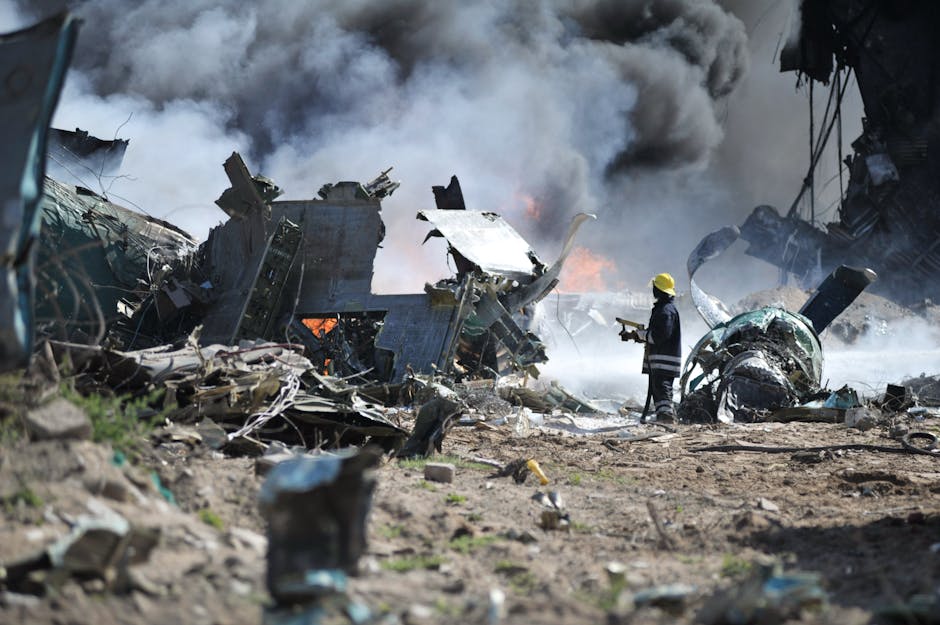
The Russian military plane crash, the precise details of which are still emerging, has been characterized by initial reports suggesting a catastrophic failure during a critical mission. The type of aircraft, its operational context, and the potential payload are all crucial factors in assessing the severity of the incident. If the aircraft was engaged in reconnaissance or support operations in or near a conflict zone, the implications could be significantly amplified. Early indications from Russian authorities, often subject to scrutiny in times of heightened international tension, will be pivotal in establishing a preliminary understanding of the cause. Investigations into such incidents typically focus on mechanical failure, pilot error, or external factors. However, given the current geopolitical climate, the possibility of hostile action, though unconfirmed, cannot be entirely dismissed without thorough investigation. The loss of military hardware, especially advanced aircraft, represents a tangible blow to a nation’s operational capacity and can have significant psychological and strategic consequences. The location of the crash, if it occurred in international waters or airspace, adds another layer of complexity regarding jurisdiction and the potential for international disputes. Furthermore, the type of cargo or personnel onboard could significantly influence the nature of the response and the subsequent international discourse. The immediate aftermath of such a crash involves rigorous search and rescue operations, recovery of wreckage for analysis, and the solemn process of identifying casualties.
The concurrent situation in the Gaza Strip, marked by an ongoing and particularly intense conflict, provides a stark backdrop to the Russian plane crash. The current hostilities, which have seen significant civilian casualties and widespread destruction, are characterized by complex geopolitical alignments and historical grievances. The involvement of various regional and international actors in the Gaza conflict, each with their own strategic interests, contributes to a volatile and unpredictable environment. Understanding the roots of the conflict, including territorial disputes, political aspirations, and ideological differences, is essential to grasping the dynamics at play. The humanitarian crisis unfolding in Gaza, with its severe implications for the civilian population, is a primary focus for international observers and aid organizations. The impact of the conflict extends beyond the immediate region, influencing global energy markets, migration patterns, and international diplomatic efforts. Any external intervention or incident occurring in proximity to this active conflict zone raises immediate questions about its potential connection, intended or otherwise. The possibility of miscalculation, accidental involvement, or even deliberate provocation in such a highly charged environment cannot be overlooked.
The industrial fire in China, while seemingly unrelated to the other two events, adds another dimension to the confluence of crises. China, a global manufacturing powerhouse, experiences industrial accidents periodically, but the scale and nature of any particular incident are critical. If the fire occurred at a facility involved in the production or storage of sensitive materials, such as chemicals or specialized components, it could have significant environmental and economic repercussions. China’s role in the global supply chain means that disruptions to its industrial capacity can have ripple effects worldwide. The transparency and swiftness of China’s reporting on such incidents are often subject to international observation, particularly in moments of global uncertainty. The potential for such an event to disrupt the production of critical goods, or even to have unforeseen security implications, warrants careful monitoring. The Chinese government’s response, including investigation into the cause and implementation of safety measures, will be crucial in determining the long-term impact.
When considering the Russian military plane crash alongside the Gaza conflict and the China industrial fire, a multifaceted analytical framework is required. The most immediate SEO concern is to accurately capture the search terms that individuals would use to find information about these events. Keywords such as "Russia plane crash," "Gaza conflict," "China factory fire," and any combinations thereof are paramount. Furthermore, terms like "geopolitical implications," "international security," "military aviation incident," and "Middle East crisis" will be vital for attracting a broader audience interested in the strategic context. The interconnectedness of these events, whether causal or coincidental, is a key narrative. The article must explore potential, albeit speculative, linkages. For instance, could the Russian plane crash have been related to intelligence gathering or a logistical operation supporting a particular faction in the broader geopolitical landscape that also influences the Gaza situation? Was the aircraft operating in a region where its activities could be perceived as a threat by other global powers? The timing of the China fire, occurring as other significant global events unfold, might lead to theories of coordinated actions or deliberate distractions, however unlikely. The article must address these speculative avenues while maintaining a grounded, evidence-based approach, clearly delineating between confirmed facts and conjecture.
The geopolitical implications of the Russian plane crash are particularly significant. If the crash occurred near or within a region of active military engagement, it could lead to accusations of aggression or miscalculation. The response from NATO and other Western powers would likely be influenced by the perceived intent behind the flight and the nature of the aircraft’s mission. Russia’s own narrative regarding the incident will be heavily scrutinized. Any attempt to attribute blame to external forces, particularly those aligned with adversaries in the ongoing geopolitical competition, would further escalate tensions. The loss of military assets can also influence a nation’s willingness to engage in certain operations, potentially creating vacuums or shifting the balance of power in contested regions. The article must consider the potential for this incident to become another flashpoint in the already strained relations between Russia and the West. The transparency of the investigation and the willingness of Russian authorities to cooperate with international bodies, if applicable, will be critical determinants of the international response.
The Gaza conflict, as an ongoing and complex humanitarian and geopolitical crisis, naturally draws significant global attention. The proximity of the Russian plane crash to this volatile region raises immediate questions about potential indirect or direct involvement. While there is no immediate evidence to suggest a direct causal link between the plane crash and the hostilities in Gaza, the mere coincidence of timing can fuel speculation. It is crucial to differentiate between the established dynamics of the Gaza conflict and any new developments. The article should provide a brief overview of the current state of the Gaza conflict, emphasizing the humanitarian impact and the key actors involved, without delving into excessive historical detail that might detract from the primary focus on the confluence of events.
The industrial fire in China, while seemingly a domestic issue, carries global implications due to China’s central role in international trade and manufacturing. Any disruption to Chinese industrial output can have a tangible impact on global supply chains, affecting prices and availability of goods worldwide. From an SEO perspective, keywords related to "China economy," "supply chain disruption," and "industrial safety China" would be relevant here. The article should investigate whether the fire involved any materials or facilities that have direct or indirect connections to the defense industries or sensitive technologies that might be relevant to geopolitical tensions. For example, if the facility produced components for advanced electronics or materials used in military hardware, the fire could have broader security implications, even if not directly related to the Russian plane crash or the Gaza conflict. The transparency of information regarding the fire is essential for understanding its potential global impact.
The intersection of these three events – a Russian military plane crash, the Gaza conflict, and a China industrial fire – presents a significant challenge for accurate reporting and public understanding. The article must strive for clarity and avoid sensationalism, presenting factual information supported by credible sources where available. The interconnectedness, if any, is likely to be indirect, operating through the broader currents of global geopolitical competition, economic interdependence, and the ever-present risk of unforeseen incidents. The immediate SEO objective is to rank for searches that combine keywords from each event. For instance, a user might search for "Russia plane crash Gaza" or "Gaza China fire implications." The article must anticipate these search queries and provide comprehensive answers.
The role of information warfare and disinformation cannot be overlooked in the context of such events. In periods of heightened global tension, narratives can be deliberately shaped to influence public opinion and political discourse. The article must be cautious about relying solely on information disseminated by parties directly involved in any of the incidents, particularly when geopolitical rivalries are at play. Independent reporting and cross-referencing of information from multiple reputable sources are crucial for constructing an accurate picture. The potential for these events to be used as fodder for propaganda campaigns or to divert attention from other issues is a real concern.
The long-term implications of these events, individually and collectively, will depend on the confirmed causes, the responses of the involved nations, and the evolving geopolitical landscape. For the Russian plane crash, the investigation’s findings and the subsequent international reactions will be paramount. In Gaza, the ongoing conflict’s trajectory and the effectiveness of diplomatic interventions will determine its future impact. For the China industrial fire, the economic and environmental ramifications, as well as any lessons learned regarding industrial safety, will be the primary considerations. The article should conclude by emphasizing the need for continued vigilance, critical analysis, and a commitment to factual reporting in navigating the complexities of the global stage. The interconnectedness of the modern world means that events in one region can have far-reaching consequences, and understanding these connections is essential for informed public discourse and effective policymaking. The confluence of a Russian military plane crash, the Gaza conflict, and a China industrial fire serves as a stark reminder of the multifaceted and often unpredictable nature of international affairs.
