Famesick: Lena Dunham’s Second Memoir Unearths Tumultuous Personal and Professional Revelations

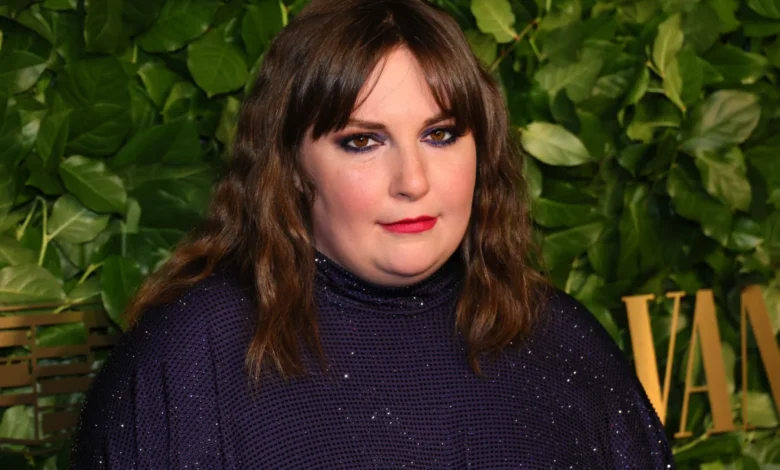
Lena Dunham’s highly anticipated second memoir, "Famesick," released on Tuesday, plunges readers into the complex tapestry of her life, marked by significant personal struggles, challenging professional relationships, and profound medical experiences. Emerging from the shadow of the intense scrutiny that followed her 2014 debut, "Not That Kind of Girl," Dunham adopts a candid and unflinching approach in "Famesick," detailing a period of intense vulnerability and upheaval. The memoir’s revelations span from a fraught dynamic with her "Girls" co-star Adam Driver to the dissolution of a pivotal friendship with producer Jenni Konner, all interwoven with her ongoing battles with chronic pain, addiction, and recovery.
A Chronicle of Medical Ordeal and Addiction
A significant portion of "Famesick" is bookmarked by Dunham’s extensive medical procedures, most notably a hysterectomy – the surgical removal of her uterus. This life-altering event, undertaken in her early thirties, ushered in a period of severe physical and emotional distress, leading to a diagnosed addiction to pain medication. Dunham recounts her subsequent admission to a rehabilitation facility, a crucial turning point that reshaped her personal and professional landscape.
The memoir details the timeline of these events, placing the hysterectomy and subsequent rehabilitation in the context of her ongoing creative work and personal relationships. This period coincided with the waning stages of her relationship with musician Jack Antonoff. Dunham describes how Antonoff’s extensive work with a "teen pop star," widely understood by fans and media to be a reference to Lorde, created further strain. She recounts a particularly poignant moment of discovering this pop star weeping in Antonoff’s lap, a scene that underscored the growing distance between them. This emotional landscape, marked by physical pain, the struggle for sobriety, and relationship turmoil, forms the bedrock of "Famesick."
The Fracturing of a Pivotal Friendship: Lena Dunham and Jenni Konner
One of the most emotionally charged narratives within "Famesick" is Dunham’s exploration of her relationship with Jenni Konner, her long-time friend and producer on "Girls." The memoir chronicles a friendship that evolved from a collaborative partnership to a seemingly toxic dynamic, marked by a profound sense of control and manipulation. Dunham recounts an early instance where Konner, upon observing Dunham’s weight loss, allegedly stated, "I think the issue is that you’re too thin. And the thing is, it’s not funny if you’re too thin, it’s just ‘Sex and the City’ all over again. What made your movie special was that you weren’t that. If we lose it, we don’t have a clear voice." This was followed by the dismissive instruction, "It’s not that hard. Just put food in your mouth." Dunham interprets this not as concern but as a "threat," marking a shift in Konner’s role from a supportive peer to an imposing "supervisor" or "Big Sister."
The eventual rupture of their friendship occurred in the aftermath of the 2017 statement defending "Girls" writer Murray Miller against accusations of sexual assault. Dunham reveals that she has no memory of writing this statement, noting that timestamps indicate it was drafted on the day she returned from the hospital following her hysterectomy. This revelation sheds light on the profound impact of her medical condition and potential reliance on medication during that period. The intense shame and guilt that followed this public stance are palpable in Dunham’s writing. She recounts her mother’s admission that Konner had expressed skepticism about Dunham’s need for treatment after the hysterectomy, suggesting she was "clinging to this random diagnosis."
Dunham’s sobriety journey became a catalyst for the final break. Upon revealing her 62 days of sobriety to Konner after her rehabilitation, Dunham stated, "You do not make me feel safe or proud, and I cannot speak to you until we are in front of a therapist." During a subsequent therapy session, Dunham expressed her desire to salvage the relationship, but Konner’s immediate request was, "Please don’t write about this immediately." This terse dismissal, just three minutes into the session, marked the end of their relationship. Dunham admits that it took considerable effort to even include Konner’s name in the manuscript, ultimately prioritizing an honest narrative over avoiding her former friend. The lingering impact of this separation is evident in Dunham’s reflection that even years later, the memory feels "immediate."
Adam Driver: A Complex Dynamic on and off Screen
The memoir also revisits Dunham’s professional relationship with Adam Driver, her co-star on "Girls." Dunham alleges that Driver exhibited "verbally aggressive, condescending and physically imposing" behavior during their time on set. She recounts an incident where Driver allegedly "hurled a chair at the wall next to me" during a rehearsal when she forgot her lines. Furthermore, she describes their first sex scene as one where Driver "hurled me this way and that."
Despite these difficult recollections, Dunham also acknowledges moments of connection and support, noting that Driver could be "protective, loving even" during her anxious moments. As "Girls" progressed, the two actors grew increasingly distant, with Dunham stating they "barely spoke in three years" by the final season. However, she notes that both would still "keep crying" between takes, suggesting an underlying emotional residue. In a poignant exchange at the end of filming, Driver reportedly told her, "I hope you know I’ll always love you," though they have not communicated since.
"Famesick" also delves into the inspiration behind Driver’s character, Adam Sackler, on "Girls." Dunham reveals that the character was heavily influenced by a toxic ex-boyfriend from her early twenties, whom she refers to as "cleft lip guy." This relationship, characterized by its clandestine nature due to his existing girlfriend, early experimentation with substances, and emotionally damaging dynamics, is depicted as a significant precursor to Dunham’s later struggles with addiction. She describes their shared drug use as a means to "justify my continued presence" in a relationship where she experienced unsettling and potentially harmful encounters.
A String of Auditions and a Surprise Engagement
Beyond the central narratives, "Famesick" offers glimpses into the broader landscape of Hollywood and Dunham’s early career. She names several prominent actresses who auditioned for roles in "Girls" and were called back multiple times, including Elizabeth Olsen, Dakota Johnson, Cristin Milioti, and Amy Schumer. Dunham also recounts an encounter with Allison Mack, known for "Smallville," who invited her to an "intimate women’s group," a subtle reference to Mack’s later involvement in the NXIVM cult.
In the tumultuous period following her breakup with Antonoff, Dunham describes reuniting with a childhood friend named Nick. Driven by a desire to feel "wanted," they embarked on an intense three-month affair, during which both were reportedly under the influence of substances. Within a month of their reunion, Nick proposed, an offer Dunham accepted while high. The planned August wedding was ultimately called off when Dunham’s addiction became unmanageable, leading to her entering rehab and ending the relationship.
The Lingering Shadow of Past Controversies
Dunham’s second memoir also revisits the controversy surrounding her first book, "Not That Kind of Girl." In that earlier work, she disclosed an incident from her childhood where, at age seven, she touched her infant brother’s genitals. This disclosure, which she maintained was a result of innocent childhood curiosity, led to accusations of child molestation. In "Famesick," Dunham reflects on the profound regret she feels, not for the childhood incident itself, but for the impact her public sharing had on her brother. She acknowledges that her "poor phrasing" and "TMI" in the original account derailed the life of the person she felt most responsible for protecting. This retrospective analysis underscores a growing awareness of the responsibility that comes with public confession and the potential for unintended consequences.
A Commission from Scott Rudin and a Mentor’s Wisdom
"Famesick" also sheds light on an early professional interaction with the now-disgraced producer Scott Rudin. Before the premiere of her debut feature "Tiny Furniture," Rudin commissioned Dunham to write a YA movie script. However, upon the pickup of the "Girls" pilot, she had to withdraw from the project, incurring Rudin’s considerable wrath. Dunham describes receiving a "torrent of emails" filled with vitriol, a traumatic experience that led her to seek advice from her mentor, Nora Ephron. Ephron’s wry observation – "Honey, if Scott was a straight man, we’d have all fucked him and then wondered why we’d done it" – offers a stark commentary on the power dynamics and perceived dangers within Hollywood at the time.
The revelations in "Famesick" paint a portrait of an artist navigating significant personal crises while simultaneously undergoing intense professional scrutiny and growth. The memoir’s candid exploration of addiction, fraught relationships, and medical trauma offers a deeply personal account of resilience and the ongoing process of self-discovery. As the book continues to be dissected, it invites further discussion on the complexities of fame, the burdens of artistic confession, and the enduring impact of past experiences on an individual’s present narrative.
Related posts: