Venezuela Flights Migrant Crisis Deportations
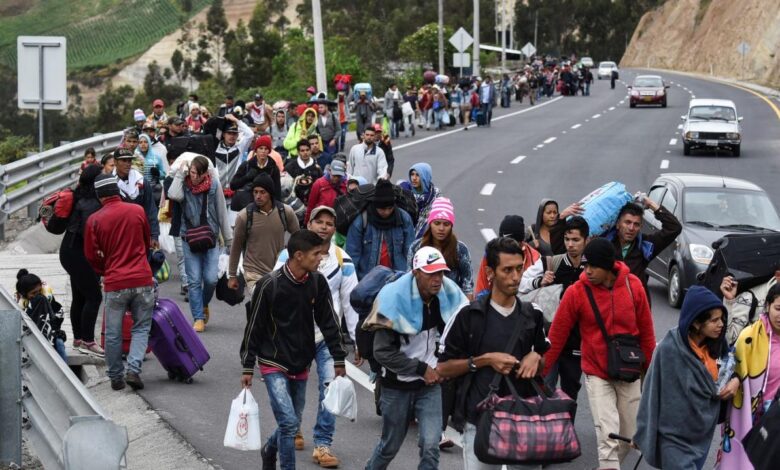
Migrant crisis deport venezuela flights are a complex issue with deep roots in Venezuela’s economic struggles. Millions have fled, seeking refuge in other countries, and the process of deportations is fraught with challenges for those caught in the middle. The journey often involves long flights, difficult border crossings, and the emotional toll of leaving everything behind. This blog post delves into the complexities of the migrant crisis, exploring the factors behind the exodus, the policies and procedures surrounding deportations, and the impact on both Venezuelan migrants and the host countries.
The Venezuelan migrant crisis, fueled by economic collapse and political instability, has led to a massive movement of people. Deportations are a sensitive aspect of this crisis, with varied approaches from different nations. Understanding the challenges of these flights and deportations is crucial to comprehending the human cost of this ongoing crisis.
Overview of the Venezuelan Migrant Crisis
The Venezuelan migrant crisis, a complex humanitarian situation, has profoundly reshaped the landscape of migration patterns in recent years. Driven by a confluence of economic, political, and social factors, millions have sought refuge in neighboring countries, creating significant challenges for both host nations and the displaced Venezuelans themselves. Understanding the historical context, the scale, and the demographics is crucial to comprehending the scope of this ongoing crisis.The Venezuelan migration crisis is a direct consequence of a protracted economic and political crisis within Venezuela.
Hyperinflation, widespread shortages of essential goods and services, and political instability have created a climate of desperation, forcing many Venezuelans to abandon their homes in search of a better life.
Historical Context and Key Events
The escalating political and economic turmoil in Venezuela, beginning in the late 2010s, has been a catalyst for mass emigration. Events like the nationalization of industries, the implementation of socialist policies, and the decline in oil prices contributed to a catastrophic economic collapse, which triggered the exodus. The humanitarian crisis that ensued has been characterized by food shortages, power outages, and a dramatic decline in living standards.
The resulting social unrest further fueled the migration trend, with people fleeing not just economic hardship but also fear of persecution and violence.
Scale and Scope of the Migrant Crisis
The Venezuelan migrant crisis is a massive humanitarian undertaking, impacting millions. The sheer number of people displaced has put a strain on the resources and infrastructure of host countries. The affected regions extend beyond immediate neighbors, with migrants traveling further afield in search of opportunities and refuge. The scale of this crisis has not only been measured in numbers but also in the human stories of resilience, hardship, and hope.
Demographics and Affected Regions
The Venezuelan migrant population is diverse in age, gender, and socioeconomic backgrounds. Many families are displaced, with children representing a significant portion of the migrant population. The affected regions in neighboring countries have witnessed an influx of Venezuelan migrants, leading to both opportunities and challenges. Colombia, Peru, and Ecuador have been among the most affected, facing strain on their resources and infrastructure to accommodate the influx of refugees.
Comparison of Venezuelan Migrants in Different Countries
The impact of the Venezuelan migrant crisis varies across different countries, and the scale of the crisis can be assessed by analyzing the number of Venezuelan migrants in each country. A quantitative comparison provides insights into the distribution and magnitude of the crisis.
| Country | Estimated Number of Venezuelan Migrants |
|---|---|
| Colombia | 1.7 million |
| Peru | 500,000 |
| Chile | 200,000 |
| Ecuador | 400,000 |
| Brazil | 300,000 |
Note: These figures are estimates and may vary depending on the source and methodology used for data collection. The figures presented are a snapshot of the situation and do not encompass the full spectrum of the crisis. Continued monitoring and assessment are necessary to grasp the full impact of the Venezuelan migrant crisis.
Deportation Policies and Procedures
The Venezuelan migrant crisis has prompted a complex array of deportation policies across various nations. These policies are often shaped by national immigration laws, economic conditions, and political considerations, leading to a diverse range of approaches to handling Venezuelan migrants. Understanding these policies is crucial to comprehending the challenges and realities faced by Venezuelan individuals seeking refuge or a new life abroad.Different nations have adopted varying approaches to deportations, reflecting diverse legal frameworks, societal perspectives, and political climates.
Some countries prioritize humanitarian concerns, offering temporary protections or pathways to legal residency. Others lean towards stricter enforcement of immigration laws, focusing on the repatriation of Venezuelan migrants. These differing stances highlight the intricate balance between national security, economic factors, and humanitarian obligations.
Legal Frameworks and Processes
Deportation procedures are governed by specific legal frameworks within each country. These frameworks Artikel the steps involved, the rights of the individuals being deported, and the procedures for appealing decisions. The legal processes often include investigations, hearings, and judicial reviews, all designed to ensure compliance with national laws. Different countries will have different timelines and standards for each stage of the deportation process.
The complexity of these processes can vary greatly, impacting the migrants’ ability to understand and navigate the system.
Comparison of Deportation Approaches, Migrant crisis deport venezuela flights
The approaches to deporting Venezuelan migrants vary significantly across different countries. Some countries offer asylum procedures or temporary protected status, while others prioritize immediate deportation, often prioritizing national security concerns or economic pressures. The varying approaches reflect differing priorities and values, creating a complex landscape for Venezuelan migrants. The severity of these approaches can be significantly influenced by the country’s overall immigration policies and economic conditions.
For example, countries experiencing economic downturns may have stricter policies to limit immigration and deportations to control the strain on public resources.
US Deportation Procedures: A Case Study
The United States employs a structured process for deporting individuals, including Venezuelan migrants. This process involves multiple steps and legal considerations. The procedures vary depending on the specific circumstances of the case. These procedures include:
| Step | Description |
|---|---|
| 1. Initial Identification and Detention | Migrants are identified and apprehended by immigration authorities. Detention facilities and procedures vary depending on the individual’s situation and immigration status. |
| 2. Immigration Court Proceedings | A hearing is scheduled in immigration court to determine the individual’s immigration status. This involves presenting evidence and arguments. |
| 3. Decision and Appeal Options | The immigration judge makes a decision. The migrant has the right to appeal the decision to a higher court. These appeals processes and timelines are often complex. |
| 4. Deportation Order and Enforcement | If the deportation order is upheld, the individual is then transferred to an immigration facility. The process for facilitating deportation to the country of origin is then undertaken. |
This Artikel is a simplified illustration of the US deportation process and should not be considered a definitive legal guide. It is crucial to consult with legal professionals for accurate and specific guidance regarding deportation procedures in the United States.
Venezuelan Flights and Transportation
The exodus of Venezuelans seeking refuge and better opportunities has created a complex web of transportation challenges. From the initial departure points within Venezuela to final destinations across the globe, migrants face a multitude of choices, each with its own set of advantages and disadvantages. Understanding these routes and the inherent risks is crucial for anyone attempting to support those in transit.The sheer volume of Venezuelan migrants, coupled with the limitations imposed by the political and economic instability in their home country, has resulted in a diverse and often perilous journey.
The choice of transportation often depends on factors such as financial resources, available connections, and the perceived safety of different routes.
Flight Data from Venezuela
Reliable data on the precise number of flights originating from Venezuela to various destinations is difficult to obtain publicly. Official airline records may not be readily accessible or may not differentiate flights carrying Venezuelan migrants specifically. However, anecdotal evidence suggests a significant number of flights departing from Venezuelan airports, primarily to neighboring countries and further afield, to North America and Europe.
The migrant crisis, with deportations from Venezuela surging, is a complex issue. It’s hard to ignore the human element involved, but sometimes other things in the news can distract us. For example, the recent buzz around Taylor Swift and the Kansas City Chiefs has definitely taken center stage. kansas city chiefs taylor swift are certainly creating a lot of excitement, but the ongoing challenges faced by Venezuelan migrants shouldn’t be forgotten.
Ultimately, these events highlight the ongoing need for compassionate and effective solutions to the migrant crisis.
Major Transportation Routes and Modes
The majority of Venezuelan migrants utilize a combination of modes of transportation. Initial journeys often involve buses and shared vans within Venezuela to reach border crossings. This is frequently followed by further journeys by bus or foot across international borders. Sea travel, though less common, is also a viable option, particularly for those seeking destinations further afield.
In some instances, migrants utilize commercial flights, although the cost and availability can be significant hurdles.
Challenges and Risks of the Journey
The journeys undertaken by Venezuelan migrants are often fraught with dangers. These include risks of exploitation by smugglers, physical assaults, and inadequate provision of food, water, and rest. The lack of legal documentation can also lead to detention and deportation, especially for those traveling without proper visas or permits. Further challenges include the often unpredictable and unsafe conditions of the transport vehicles, and the inherent difficulties in navigating unfamiliar terrain and cultures.
The journey can be physically and emotionally taxing.
Comparative Table of Transportation Options
| Transportation Mode | Cost | Time | Safety | Other Considerations |
|---|---|---|---|---|
| Commercial Flights | High | Variable, but generally faster | Generally safer, but depends on destination and airline | Requires visa and passport, limited availability, potential for high prices |
| Buses and Vans | Moderate | Variable, can be very long | Moderate risk, dependent on route and company | Potential for overcrowding, lack of amenities, and risk of theft |
| Shared Vans (Colectivos) | Low | Variable, can be very long | Low to Moderate risk, dependent on route and company | Overcrowded, lack of amenities, potential for exploitation |
| Walking/Hiking | Low | Very long | High risk | Requires significant stamina, potential for dangerous terrain, and lack of resources |
The table above provides a general overview. The actual cost, time, and safety of each mode can vary significantly based on the specific route, company, and conditions encountered during the journey.
Impact on Host Countries
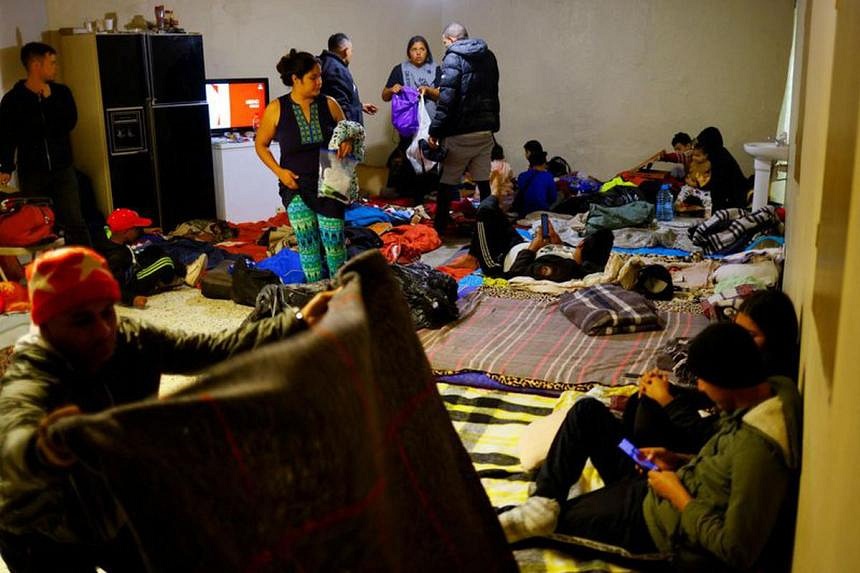
The Venezuelan migration crisis has profoundly impacted the host countries, triggering a cascade of economic, social, and political repercussions. The sheer number of individuals seeking refuge has strained resources and infrastructure, requiring a multifaceted response from governments and communities. Understanding these impacts is crucial for formulating effective policies and strategies to address the needs of both Venezuelan migrants and the host countries.The influx of Venezuelan migrants has brought about complex challenges that necessitate careful consideration and tailored solutions.
These challenges range from providing basic necessities like food and shelter to addressing the complex social and cultural integration needs of the migrants. The capacity of host countries to absorb this influx varies, leading to different experiences and outcomes.
Economic Consequences
The arrival of Venezuelan migrants has placed a significant strain on the economies of host countries. Increased demand for public services, such as healthcare and education, puts pressure on already existing budgets. Competition for jobs in the informal sector can also lead to wage stagnation or decline in some sectors. In some instances, the influx of skilled labor has proven beneficial, filling gaps in specific industries and contributing to economic growth in certain sectors.
Social Consequences
The social fabric of host countries has also been affected by the Venezuelan migration crisis. Tensions may arise between host communities and Venezuelan migrants due to competition for resources or cultural differences. Increased crime rates, or the perception of increased crime rates, are also possible consequences. Furthermore, the integration of migrants into the social and cultural landscape can be a complex and time-consuming process, requiring patience and understanding from all parties.
Political Consequences
The Venezuelan migration crisis has introduced political considerations for host countries. Public opinion on immigration policies may shift, leading to increased calls for stricter measures or greater support for migrants. The political discourse around immigration often becomes polarized, with differing perspectives on how to manage the situation. Governments must balance the needs of migrants with the concerns of their own citizens to avoid potential political instability.
Integration Challenges
Integration programs for Venezuelan migrants vary significantly across host countries. Often, these programs lack the resources, infrastructure, and cultural sensitivity needed to be truly effective. Language barriers, lack of documentation, and cultural differences present significant obstacles in the process of integrating Venezuelan migrants into the host society. A tailored approach, recognizing the diversity of experiences and needs among Venezuelan migrants, is crucial for successful integration.
Successful Integration Programs
Several countries have implemented integration programs that demonstrate success in assisting Venezuelan migrants. These programs often involve language classes, vocational training, and cultural orientation sessions. These programs have demonstrated a correlation between engagement with these initiatives and increased economic participation and social inclusion.
The migrant crisis, with deportations from Venezuela, is a complex issue with heartbreaking stories. It’s easy to get caught up in the numbers, but the human cost is undeniable. People are leaving their homes due to dire circumstances, and the journeys are often fraught with peril. Thinking about the pain of displacement, reminds me of the powerful piece on grief, grief is for people sloane crosley , which highlights the emotional toll on individuals.
Ultimately, the migrant crisis deport Venezuela flights situation needs empathy and solutions, not just statistics.
Comparison of Impacts
| Country | Economic Impact | Social Impact |
|---|---|---|
| Colombia | Increased demand for informal sector jobs, strain on public healthcare. | Cultural exchange, increased social tensions in certain areas. |
| Peru | Increased competition for low-skilled jobs, strain on social safety nets. | Mixed experiences; integration challenges are present, but some successful community initiatives have emerged. |
| Chile | Filling gaps in specific sectors (e.g., healthcare), but with potential wage stagnation in certain sectors. | Limited evidence of significant social tensions, but integration remains a challenge. |
Note: This table presents a simplified overview. The actual impact on each country is complex and varies across regions and communities within each nation.
Humanitarian Aid and Support: Migrant Crisis Deport Venezuela Flights
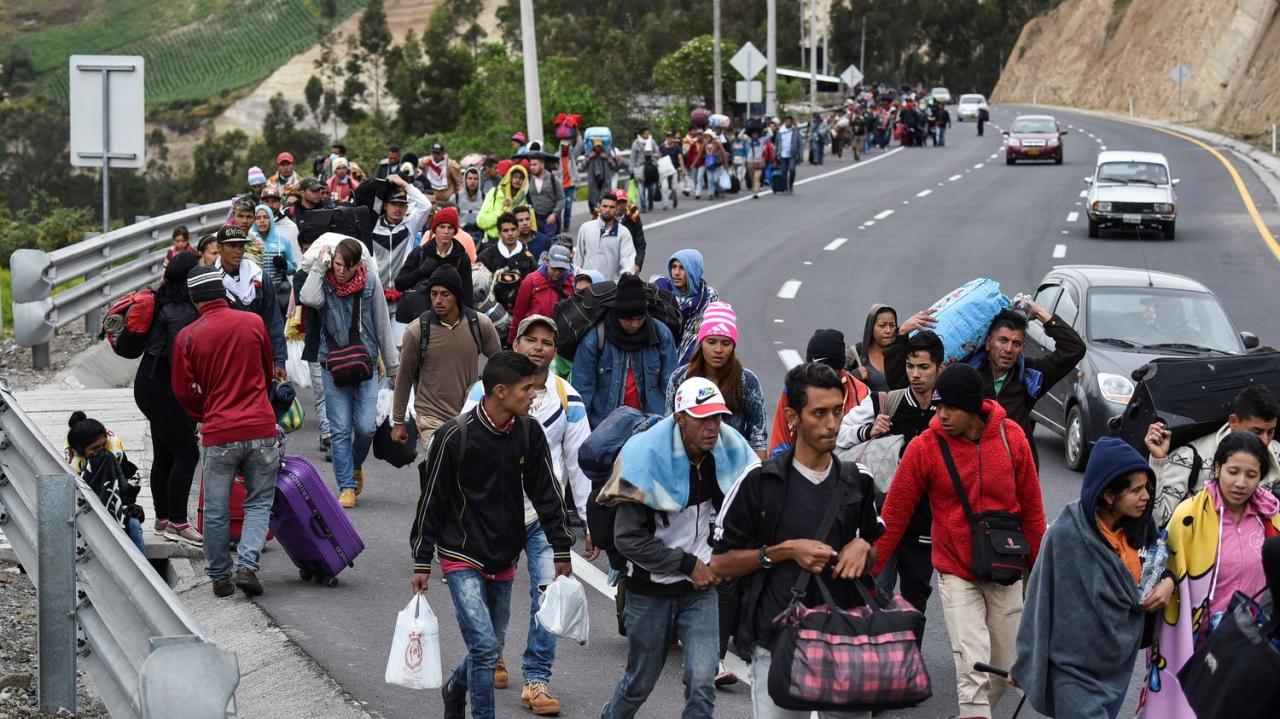
The Venezuelan migrant crisis has placed immense strain on host countries and the international community. Countless individuals, families, and communities are displaced, facing significant challenges in accessing basic necessities. International organizations and non-governmental organizations (NGOs) play a critical role in providing vital support to these vulnerable populations. Their efforts often bridge the gap between need and resources, offering crucial assistance during a period of profound uncertainty and hardship.International aid efforts are not merely about providing food and shelter; they are about supporting migrants’ overall well-being and enabling their integration into new societies.
The goal is not just immediate relief, but also to create sustainable solutions that empower these individuals to rebuild their lives. This often involves addressing complex issues like access to healthcare, education, legal support, and psychological well-being.
Role of International Organizations
International organizations, such as the UNHCR (United Nations High Commissioner for Refugees), play a crucial role in coordinating humanitarian aid and protection efforts for Venezuelan migrants. Their expertise and global reach allow them to address the crisis comprehensively. They work closely with governments and NGOs to develop and implement strategies to provide assistance and ensure the protection of fundamental rights.
These efforts often involve identifying vulnerable populations, assessing needs, and coordinating resources.
Types of Aid and Support Offered
The range of aid and support provided to Venezuelan migrants is diverse, tailored to the specific needs of each individual and community. Common types of aid include emergency food and shelter assistance, access to healthcare, psychosocial support, legal aid, and educational opportunities. For instance, UNHCR may provide emergency shelter to those who have lost their homes, while local NGOs might offer legal aid to help migrants navigate the complex immigration processes in host countries.
The focus is often on practical assistance, enabling migrants to become self-sufficient.
Challenges Faced by Humanitarian Organizations
Humanitarian organizations face numerous challenges in providing aid to Venezuelan migrants. These include bureaucratic hurdles in accessing resources, language barriers, limited funding, security concerns, and differing cultural norms. In some cases, conflicting priorities and competing interests within the host countries may hinder the effectiveness of aid initiatives. For example, navigating complex visa requirements and immigration policies can be incredibly challenging for Venezuelan migrants seeking legal status, and this complexity impacts the support they receive.
Furthermore, ensuring the safety and security of aid workers is paramount, especially in areas experiencing political instability or violence.
The Venezuelan migrant crisis and deportations are hitting the headlines, with flights bringing people back to a challenging situation. Understanding the complexities of this issue requires looking at different perspectives, and a great resource for that is the transcript ezra klein interviews rhaina cohen. The interview sheds light on the human element behind the numbers, which ultimately helps us better understand the broader challenges of migrant deportations from Venezuela.
Table of Aid Organizations and Support
| Organization | Types of Support |
|---|---|
| UNHCR | Emergency shelter, legal aid, protection services, refugee status determination, and coordination of humanitarian assistance. |
| IOM (International Organization for Migration) | Assistance with documentation, transportation, and reintegration, focusing on the safe and orderly movement of migrants. |
| Doctors Without Borders (Médecins Sans Frontières) | Medical care, especially in remote or underserved areas, addressing the health needs of vulnerable populations. |
| World Food Programme (WFP) | Provision of food assistance, particularly in emergency situations, and ensuring access to nutritious food for migrants. |
| Local NGOs | Provision of psychosocial support, educational programs, language classes, and legal assistance specific to the host country. |
Public Perception and Discourse
The narrative surrounding Venezuelan migrants has often been shaped by the anxieties and perspectives of host countries. Media portrayals and public opinion have varied considerably, reflecting complex societal factors and often overlooking the human stories behind the migration. These perceptions significantly influence policy decisions and the overall response to the crisis.
Public Opinion in Host Countries
Public opinion towards Venezuelan migrants is diverse and often influenced by factors like the economic situation in the host country, existing societal tensions, and the perceived strain on resources. For instance, in countries with high unemployment rates, migrants might be viewed with suspicion as competitors for jobs. Conversely, in areas experiencing a shortage of skilled labor, migrants might be perceived as a valuable asset.
The migrant crisis, particularly the deportations from Venezuela, is a complex issue. While the world focuses on the human drama, interestingly, companies like Costar Group are also making headlines with their Super Bowl ads, costar group super bowl ads. These ads are generating buzz, but the bigger picture remains the plight of those displaced and seeking new opportunities, highlighting the ongoing need for global support in handling the Venezuelan migrant crisis.
Media Representation of Venezuelan Migrants
Media outlets, whether print, broadcast, or online, play a crucial role in shaping public perception. News coverage can highlight either the positive contributions or the negative impacts of Venezuelan migration. Sometimes, sensationalized stories or exaggerated narratives can emerge, creating a skewed perspective.
Comparing Media Narratives Across Countries
The portrayal of Venezuelan migrants varies across different countries. This variation stems from the specific socio-economic contexts and political climates in each nation. For example, in some countries, the narrative might focus on the hardships faced by Venezuelan migrants, emphasizing their need for assistance. In others, the narrative might focus on potential security threats or economic burdens, creating a more critical perspective.
This diverse representation necessitates a nuanced understanding of the complex factors at play.
Contrasting Perspectives on Venezuelan Migrants
| Country | Common Narrative (Media & Public) | Potential Underlying Factors |
|---|---|---|
| Country A (Example: Colombia) | Venezuelan migrants are seen as a source of economic hardship due to increased competition for jobs in informal sectors and strain on social services. | High unemployment rates, competition for limited resources, and existing societal tensions. |
| Country B (Example: Chile) | Venezuelan migrants are perceived as a valuable source of labor, filling gaps in the workforce, particularly in sectors like construction and hospitality. | Shortage of skilled labor, need for economic growth, and a more integrated approach to migration. |
| Country C (Example: Peru) | Venezuelan migrants are portrayed as a mixed bag; some see them as contributing members of society, others raise concerns about the strain on resources and infrastructure. | Moderate economic impact, a more complex interplay of factors, and varying levels of social support networks. |
The table above illustrates the varying perspectives on Venezuelan migrants. It is crucial to recognize that these are simplified representations, and individual experiences can differ significantly within each country. Further research and analysis are needed to understand the nuances and complexities of the public perception in each nation.
Potential Solutions and Recommendations
The Venezuelan migrant crisis demands multifaceted solutions, addressing both the immediate needs of displaced individuals and the root causes driving the exodus. Effective policies must prioritize the well-being of migrants, foster their integration into host communities, and ultimately contribute to a more stable and prosperous future for Venezuela. A comprehensive approach encompassing humanitarian aid, economic incentives, and political reforms in Venezuela is essential for sustainable solutions.Addressing the complex web of factors contributing to the crisis requires a holistic strategy.
This includes fostering economic opportunities in Venezuela to encourage return and reducing the push factors that drive migration. The crisis necessitates collaborative efforts from international organizations, host governments, and the Venezuelan government itself to achieve lasting solutions.
Addressing the Underlying Causes in Venezuela
The ongoing crisis in Venezuela necessitates addressing its root causes. These include a collapsing economy, political instability, and a lack of basic necessities. Sustainable solutions demand a multi-faceted approach targeting economic revitalization, political reforms, and humanitarian aid.
The migrant crisis, with deportations from Venezuela taking flight, is a truly complex issue. It’s hard to wrap your head around the sheer scale of the problem, but it’s certainly impacting communities across the globe. Interestingly, the drama surrounding ann maddox vanderpump rules seems quite trivial in comparison, but the emotional responses to both situations are definitely relatable.
It just highlights how these situations can impact people on a personal level, even amidst the huge scale of the Venezuelan deportations.
- Economic Revitalization: Stimulating economic growth in Venezuela is crucial to reducing the push factors driving migration. This requires attracting foreign investment, promoting sustainable economic activities, and diversifying the Venezuelan economy away from reliance on oil. For example, countries with similar economic challenges have seen positive results from strategic investments in renewable energy and tourism sectors. These examples showcase the potential of diversification in fostering economic resilience and encouraging return migration.
- Political Reforms: Promoting democratic institutions, ensuring human rights, and fostering political stability are essential. This includes free and fair elections, the protection of fundamental freedoms, and an independent judiciary. The experience of other countries transitioning from authoritarian regimes offers valuable insights into implementing political reforms effectively and peacefully.
- Humanitarian Aid and Support: Providing humanitarian aid, including food, shelter, and medical care, is essential for addressing the immediate needs of the displaced population. The long-term approach, however, should also include building capacity within Venezuela to provide basic services to mitigate the exodus.
Alleviating Suffering of Venezuelan Migrants
Policies aimed at alleviating the suffering of Venezuelan migrants in host countries should prioritize their well-being and ensure their rights are protected. These policies should focus on providing access to essential services, promoting integration, and facilitating legal pathways for their status.
- Access to Essential Services: Migrants should have access to healthcare, education, and legal aid. Host countries should ensure migrants have the necessary support to access these services. Many countries have successfully integrated migrant populations by providing language courses, cultural awareness programs, and access to health care services.
- Promoting Integration: Host countries should foster the integration of Venezuelan migrants into society. This can include language training programs, cultural exchange initiatives, and opportunities for employment. Effective integration strategies are crucial for minimizing social tensions and fostering mutual respect.
- Legal Pathways for Status: Implementing legal pathways for Venezuelan migrants to gain permanent residency or citizenship in host countries can provide security and stability. This will reduce their vulnerability to exploitation and ensure they have legal rights. Countries have successfully used temporary work visas or pathways to citizenship to manage migrant populations, fostering a sense of belonging and stability.
Strategies for Better Integration into Host Countries
Effective integration strategies are crucial for minimizing social tensions and fostering a sense of belonging. These strategies should consider the needs of both migrants and host communities.
- Language Acquisition: Language training programs can assist migrants in communicating with local populations and accessing essential services. This is essential for successful integration and can enhance the migrants’ opportunities for employment.
- Cultural Awareness Programs: Cultural exchange programs and initiatives can promote understanding between migrants and host communities. These programs can address potential cultural misunderstandings and foster mutual respect.
- Employment Opportunities: Providing migrants with access to employment opportunities, matching their skills with available jobs, can contribute to their economic independence and social integration. This includes training programs that enhance their skills and increase their employability in the host country.
Illustrative Case Studies
The Venezuelan migration crisis has profoundly impacted countless lives. Beyond statistics and policies, understanding the human stories behind these journeys is crucial. These case studies offer a glimpse into the struggles, resilience, and hopes of individual migrants and families as they navigate the complexities of displacement and resettlement. Their experiences illuminate the multifaceted challenges and opportunities presented by forced migration.
Individual Journeys and Experiences
The journeys of Venezuelan migrants are marked by profound hardship and resilience. Leaving behind familiar surroundings, cherished belongings, and often, loved ones, they embark on arduous journeys seeking safety and a better future. Many face perilous crossings, navigate bureaucratic hurdles, and encounter discrimination in their host countries. These individual experiences highlight the immense human cost of the crisis.
For instance, a young mother might leave behind her ailing parents in Venezuela, hoping to secure a better life for her children in a foreign land, only to face language barriers, cultural differences, and job insecurity in her new home. Such narratives underscore the importance of providing comprehensive support to these vulnerable individuals.
Challenges Faced by Families and Children
The migration process poses unique challenges for families and children. Separation from extended family, disruption of education, and the psychological impact of displacement are just a few of the hardships they face. The emotional toll on children can be significant, affecting their development and well-being. Children may experience anxiety, depression, or difficulty adapting to new environments. Many Venezuelan families face the difficult decision of separating to pursue employment opportunities, leaving behind vulnerable children in the care of extended family.
Successful Integration Stories
Despite the challenges, there are also inspiring stories of successful integration among Venezuelan migrants in various host countries. These stories often highlight the strength and determination of individuals who actively seek to adapt to their new surroundings. Some Venezuelan migrants have started businesses, established community networks, and contributed to the cultural richness of their host countries. One example might involve a Venezuelan doctor who, despite facing language barriers and cultural adjustments, successfully qualified and practiced medicine in a new country, eventually establishing a medical clinic and supporting the local community.
These success stories are crucial to promoting a more nuanced understanding of the migration experience.
Comparative Table of Experiences Across Countries
| Country | Challenges | Opportunities | Integration Successes |
|---|---|---|---|
| Colombia | Limited job opportunities, high cost of living, and language barriers. | Proximity to Venezuela, established support networks, and a large Venezuelan community. | Some Venezuelans have started small businesses and established social groups, contributing to the local economy. |
| Peru | Bureaucratic hurdles, discrimination, and limited access to essential services. | Potential for economic opportunities, existing Venezuelan community, and support organizations. | Some Venezuelans have found work in construction and other sectors, contributing to their integration into the Peruvian economy. |
| Chile | Stricter immigration policies, limited social support, and potential discrimination. | A relatively developed economy, established infrastructure, and access to education. | Some Venezuelans have successfully pursued higher education and found employment in the Chilean job market. |
This table provides a general overview of the experiences across different host countries, recognizing that individual experiences vary significantly.
Final Thoughts
In conclusion, the migrant crisis deport venezuela flights highlights a critical humanitarian challenge. The journeys undertaken by these migrants, the policies implemented by host countries, and the impact on both Venezuelan migrants and host nations are complex and multifaceted. International cooperation and a compassionate approach are essential for addressing the underlying causes and alleviating the suffering of those affected.
The need for lasting solutions is paramount, requiring a holistic understanding of the factors driving the crisis.
FAQ Compilation
What are the primary causes of the Venezuelan migration crisis?
The Venezuelan migration crisis is primarily driven by a combination of factors including severe economic hardship, hyperinflation, political instability, and human rights concerns within Venezuela.
What are the common challenges faced by Venezuelan migrants during the deportation process?
Migrants face challenges ranging from legal complexities and bureaucratic hurdles to the emotional distress of separation from loved ones and the uncertainty of their future.
How can international organizations help alleviate the crisis?
International organizations can provide crucial support by offering humanitarian aid, establishing safe passage, and advocating for fair and humane deportation policies.
What are the long-term solutions for Venezuelan migrants?
Long-term solutions involve addressing the underlying causes of the crisis in Venezuela and fostering better integration and support programs in host countries.