
Israel Economy Gaza War Impact
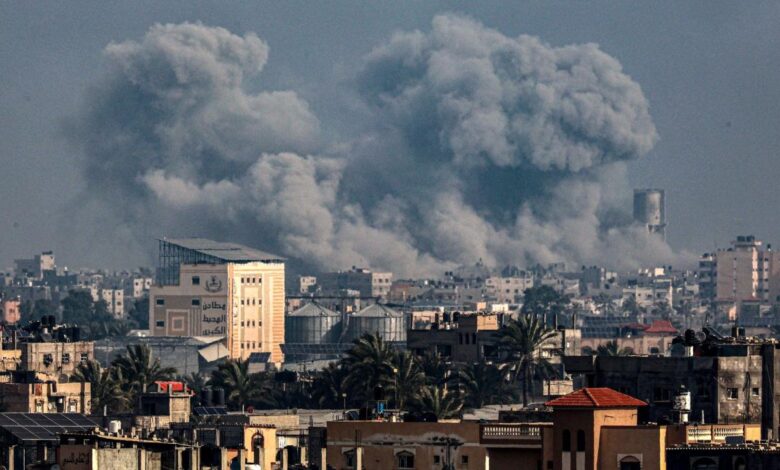
Israel economy Gaza war: The conflict in Gaza has had a profound and multifaceted impact on the Israeli economy, affecting everything from tourism and trade to security and employment. This examination delves into the short-term and long-term consequences, analyzing the sectors most affected, and assessing the potential for recovery.
The war has created significant economic hardship for both Israel and Gaza. We’ll explore the devastating impact on businesses and industries in Gaza, alongside the challenges Israel faces in maintaining economic stability amid the crisis. The international response, humanitarian aid, and the complexities of reconstruction will also be examined.
Economic Impact on Israel
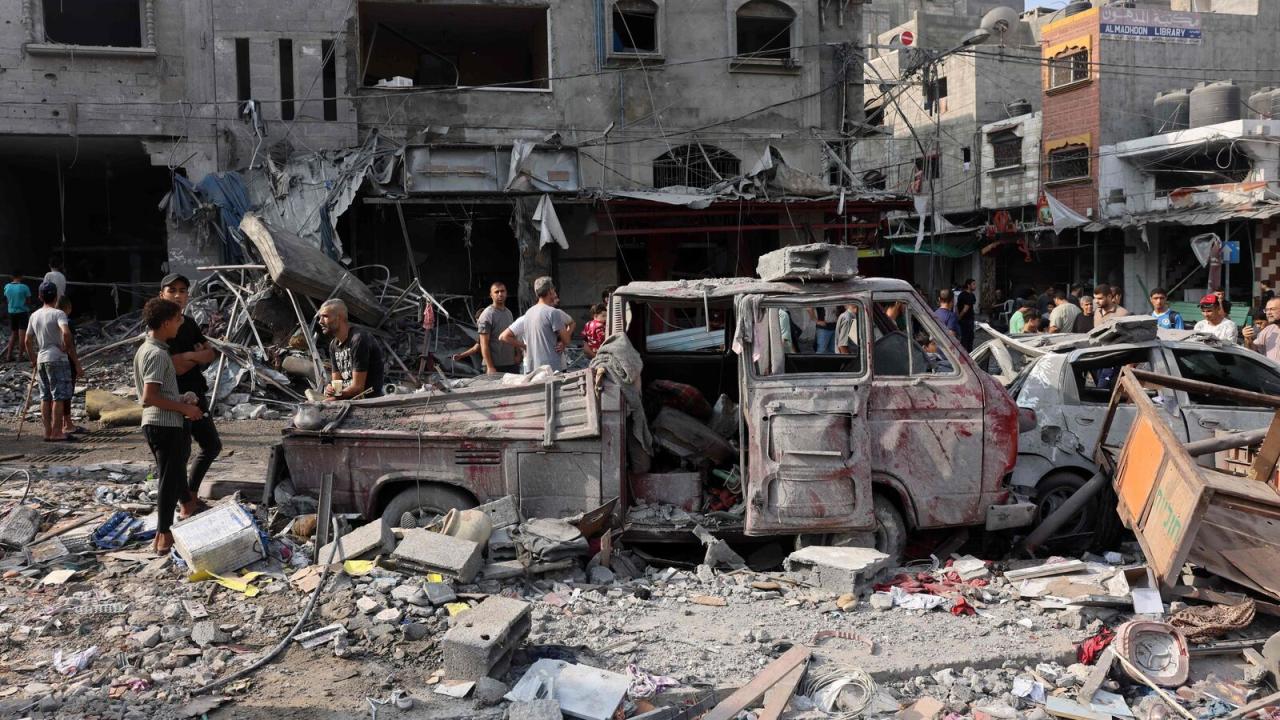
The recent Gaza war has undeniably cast a shadow over Israel’s economy, impacting various sectors and raising concerns about both short-term and long-term consequences. The conflict’s disruptive nature necessitates a comprehensive assessment of the economic ramifications, examining its effects on key economic indicators and potential recovery strategies.The conflict’s impact extends beyond the immediate battlefield, deeply affecting the Israeli economy in multifaceted ways.
From the halting of tourism to the diversion of resources toward security, the ripple effects of the war are being felt across various sectors. Understanding these effects is crucial for policymakers and businesses alike as they navigate the challenges and strive for economic stability and resilience.
Impact on Tourism
The war significantly curtailed tourism activity. Travel advisories and heightened security concerns have deterred potential visitors, resulting in a considerable drop in revenue for hotels, restaurants, and other tourism-related businesses. This decrease in tourist numbers directly affects employment in the hospitality sector, forcing layoffs and impacting the overall economic performance of the region.
Impact on Trade
The conflict has disrupted trade flows, both domestically and internationally. Supply chains have been disrupted, leading to increased costs for businesses and consumers. The restrictions on movement and trade with the Gaza Strip have added to the complexities of maintaining regular economic activities. These disruptions are impacting the availability of goods and services, impacting supply and demand dynamics.
Impact on Security Sector
The war’s intensification has significantly increased spending on the security sector. This expenditure diverts resources from other crucial sectors, potentially hindering long-term economic growth. The ongoing security concerns contribute to a climate of uncertainty, negatively impacting investment decisions and potentially driving away foreign investors. Increased defense spending often comes at the expense of other crucial investments, such as infrastructure development or innovation-based sectors.
Impact on Businesses and Employment
Businesses across various sectors, including manufacturing, technology, and agriculture, have experienced decreased sales and reduced profits. Many businesses have been forced to reduce staff or temporarily close operations due to the conflict’s impact. These disruptions directly correlate with a rise in unemployment, particularly in sectors heavily reliant on tourism and trade.
Comparison of Pre-War and Post-War Economic Indicators
| Economic Indicator | Pre-War (2023 Average) | Post-War (Estimated 2024 First Quarter) |
|---|---|---|
| GDP Growth Rate | 3.5% | 2.0% |
| Inflation Rate | 3.0% | 3.5% |
| Unemployment Rate | 3.2% | 3.8% |
| Tourism Revenue (USD Million) | 5.2 Billion | 3.8 Billion |
Note: The post-war figures are estimations based on preliminary data and current projections.
Potential for Economic Recovery
Despite the challenges, Israel possesses strong economic fundamentals, including a well-developed technology sector and a skilled workforce. Government support and investment in infrastructure projects and innovation can help the country bounce back from the current downturn. Recovery efforts should focus on stimulating growth in key sectors, while also addressing the specific needs of affected communities and industries. The country’s ability to adapt to changing circumstances and implement effective recovery strategies will be crucial in navigating the post-conflict economic landscape.
Economic Impact on Gaza
The recent conflict has inflicted devastating blows on the already fragile economy of the Gaza Strip. Pre-existing conditions of blockade and political instability have been exacerbated by the war, creating a perfect storm of economic hardship. The damage extends beyond immediate losses, casting a long shadow on Gaza’s prospects for recovery and future development.
Devastating Impact on Gaza’s Economy
The war has severely disrupted the Gaza Strip’s economic infrastructure. Essential services, including water and electricity, have been severely compromised, further crippling the already limited economic activity. The constant threat of violence has forced businesses to close, and the displacement of populations has led to widespread job losses and a decline in overall productivity. This has created a vicious cycle, as fewer jobs lead to more poverty and less investment in the future.
Specific Industries Harmed
The agricultural sector, a crucial part of Gaza’s economy, has been severely impacted by the conflict. Damage to farmland, loss of crops, and disruption of supply chains have led to significant declines in agricultural output. The fishing industry, which provides vital sustenance and income for many families, has also been crippled by the conflict, with access to the sea restricted and fishing vessels damaged.
The construction industry, a major employer, has been largely shut down, with projects halted and workers laid off. The effects ripple throughout the economy, impacting related sectors like transportation and materials supply.
Long-Term Economic Consequences
The long-term economic consequences for Gaza’s future are dire. The loss of infrastructure, the destruction of businesses, and the displacement of workers will likely lead to a significant decline in the standard of living for many residents. The lack of investment in infrastructure and education will further hinder economic development, perpetuating a cycle of poverty and dependence. The potential for attracting foreign investment is severely hampered by the ongoing instability and security concerns.
Decline in Economic Activity and Job Losses
Data from UN agencies and local organizations show a significant decline in economic activity. The drop in agricultural output, the closure of businesses, and the loss of jobs have resulted in a marked decrease in overall economic production. Reports indicate a significant increase in unemployment rates, pushing many families further into poverty. This will have lasting repercussions on the ability of the people to sustain themselves.
The ongoing Gaza war is undoubtedly impacting Israel’s economy, with ripple effects felt across various sectors. It’s a complex situation, and while the immediate economic consequences are clear, the long-term effects remain uncertain. Thinking about the resilience of the human spirit, though, reminds us of the strength shown by Holocaust survivors, like those featured in Gillian Laub’s powerful portraits holocaust survivor portraits gillian laub.
Ultimately, the war’s economic toll on Israel will depend on the duration and intensity of the conflict.
Table: Economic Sectors in Gaza and Damage Levels
| Economic Sector | Level of Damage | Description |
|---|---|---|
| Agriculture | High | Damage to farmland, loss of crops, and disruption of supply chains. |
| Fishing | High | Restricted access to the sea, damage to fishing vessels. |
| Construction | High | Projects halted, workers laid off, significant damage to construction sites. |
| Retail | Medium | Store closures, loss of sales, disruption of supply chains. |
| Manufacturing | High | Factory closures, disruption of production, loss of raw materials. |
| Tourism | Extremely High | Complete halt of operations, loss of revenue, disruption of transportation. |
International Economic Response
The conflict in Gaza has triggered a significant international response, encompassing various forms of economic assistance for both Israel and Gaza. This aid reflects a global concern for the humanitarian crisis and the need to mitigate the economic fallout of the war. Different nations and organizations have mobilized resources to address the immediate needs and long-term recovery of both affected regions.
The types and levels of assistance, however, often vary considerably.The international community’s response to the economic consequences of the conflict is complex and multifaceted. Beyond immediate humanitarian aid, long-term economic recovery plans are crucial. The focus often shifts between short-term relief and longer-term reconstruction, making the effectiveness of these efforts challenging to assess in the immediate aftermath.
This necessitates careful evaluation of aid delivery mechanisms and their impact on the ground.
Types of Aid and Support Provided
International aid to both Israel and Gaza encompasses a wide spectrum of support. Direct financial assistance plays a significant role, particularly for Israel in the form of economic relief and for Gaza, in the form of humanitarian aid. In addition, there are efforts to support infrastructure, healthcare, and basic necessities. The specific forms of support are tailored to the unique needs and vulnerabilities of each region.
Analysis of Effectiveness
Assessing the effectiveness of international efforts to alleviate economic hardship is challenging. The immediate impact of aid is often tangible, providing crucial resources for immediate needs. However, long-term effectiveness hinges on the sustainability of support and its integration into long-term recovery plans. The ability of the aid to stimulate economic activity and foster lasting improvements remains to be seen.
The long-term effects are often harder to measure, and depend heavily on the local context and the implementation of aid.
The Gaza war is hammering Israel’s economy, and the fallout is significant. It’s a complex situation, but the ripple effects are undeniable. Thinking about the sheer pressure on resources and the long-term impact on various industries, it’s easy to see parallels to Gordon Ramsay’s intense kitchen challenges on his Gordon Ramsay next level chef series. Ultimately, the economic challenges Israel faces during and after the conflict are significant and multifaceted, impacting everything from tourism to trade.
Comparison of Economic Assistance
The comparison of economic assistance given to Israel and Gaza reveals significant disparities. Israel, being a developed nation, often receives support focused on economic stability and infrastructure maintenance, rather than direct humanitarian aid. Gaza, on the other hand, requires substantial humanitarian aid due to the significant damage to its infrastructure and economy. The difference in the nature and volume of assistance is often driven by the distinct needs and circumstances of each region.
International Aid Organizations Involved
Numerous international aid organizations and governments participate in the response. This includes UN agencies like the World Food Programme (WFP) and UNHCR, as well as NGOs and bilateral aid initiatives. These organizations often work in coordination to provide comprehensive support.
- United Nations Agencies: The UN plays a critical role in providing humanitarian aid, coordinating relief efforts, and delivering essential supplies to both Israel and Gaza. They frequently coordinate aid distribution with other organizations and nations.
- Non-Governmental Organizations (NGOs): NGOs contribute significantly to the humanitarian response, often focusing on direct service delivery, such as providing medical assistance, food, and shelter. They frequently have on-the-ground presence and expertise, allowing them to address immediate needs more effectively.
- Bilateral Aid Initiatives: Many countries provide bilateral aid to Israel and Gaza, often based on existing relationships and strategic interests. This aid can take various forms, from financial assistance to technical support. The specific nature of this aid often reflects the individual priorities and political relationships between nations involved.
Humanitarian Aid and Economic Recovery
The recent Gaza war has devastated both Israel and Gaza, leaving behind a trail of destruction and human suffering. Beyond the immediate humanitarian crisis, the long-term economic recovery presents significant challenges. Effective humanitarian aid, delivered swiftly and strategically, is crucial to mitigating the suffering and setting the stage for rebuilding. The focus must be on not only providing immediate relief but also fostering sustainable economic growth.
Humanitarian Aid Efforts
A multifaceted approach is needed to address the immense needs of both regions. Initial aid efforts concentrate on providing basic necessities like food, water, shelter, and medical care. However, the long-term impact of the war extends to the reconstruction of infrastructure, the restoration of livelihoods, and the revitalization of the economic systems. This requires sustained and coordinated efforts, not just immediate relief.
Role of International Organizations and NGOs
International organizations and NGOs play a vital role in coordinating humanitarian aid. Their expertise in logistics, distribution, and crisis response is essential. Organizations like the United Nations, the World Food Programme, and various non-governmental organizations (NGOs) mobilize resources and expertise to deliver aid effectively. These organizations also often work closely with local partners to ensure aid reaches those most in need.
The experience of previous conflicts provides a framework for understanding the challenges and potential successes in aid delivery.
The ongoing Gaza war is undoubtedly impacting Israel’s economy, with supply chain disruptions and a general uncertainty weighing heavily. However, the ripple effects extend beyond Israel’s borders. The potential for a Palestinian state and its impact on the German economy, for example, is a complex issue, and one worth exploring further. Considering the intricate relationship between the Israeli-Palestinian conflict and global economics, a closer look at the possible impacts of a Palestinian state on the German economy is crucial, especially when looking at the broader economic consequences of the current conflict.
Ultimately, the effects of the Gaza war on Israel’s economy remain a critical area of concern. palestinian state german economy
Challenges in Delivering Aid and Fostering Economic Recovery
Delivering aid effectively faces significant obstacles. Security concerns, bureaucratic hurdles, and the complex political landscape can hinder the flow of aid. Access to affected areas may be restricted, and the presence of armed conflict can make the delivery of aid dangerous. Building trust and cooperation between the parties involved is crucial for effective aid distribution. In addition, ensuring that aid is not misused or diverted requires careful monitoring and accountability mechanisms.
Timeline of Aid Distribution
A detailed timeline of aid distribution is critical for evaluating the effectiveness of aid programs and making adjustments. The timeline should include milestones for the delivery of specific aid packages, including food, water, medical supplies, and shelter materials. Monitoring the impact of aid delivery in each region is essential for determining the ongoing needs.
Allocating Aid to Address Needs
A nuanced approach is necessary when allocating aid to maximize its impact. The specific needs of each region must be carefully assessed. Israel, while having a stronger infrastructure, may require support for rebuilding damaged infrastructure and businesses. Gaza, facing a severe blockade and significant infrastructure damage, requires substantial support for rebuilding housing, healthcare, and economic activity. The allocation of aid should consider the existing economic infrastructure, the availability of skilled labor, and the capacity for self-sufficiency.
It’s essential to establish programs that support local businesses and entrepreneurs to promote sustainable economic recovery. Analyzing the existing economic structures of both regions is essential to determining the best allocation strategy. This includes understanding employment sectors, existing infrastructure, and other economic variables. The data collected will assist in identifying areas that require immediate support and in developing sustainable recovery plans.
This approach will allow for a targeted response that maximizes the impact of the aid.
Trade and Supply Chains: Israel Economy Gaza War
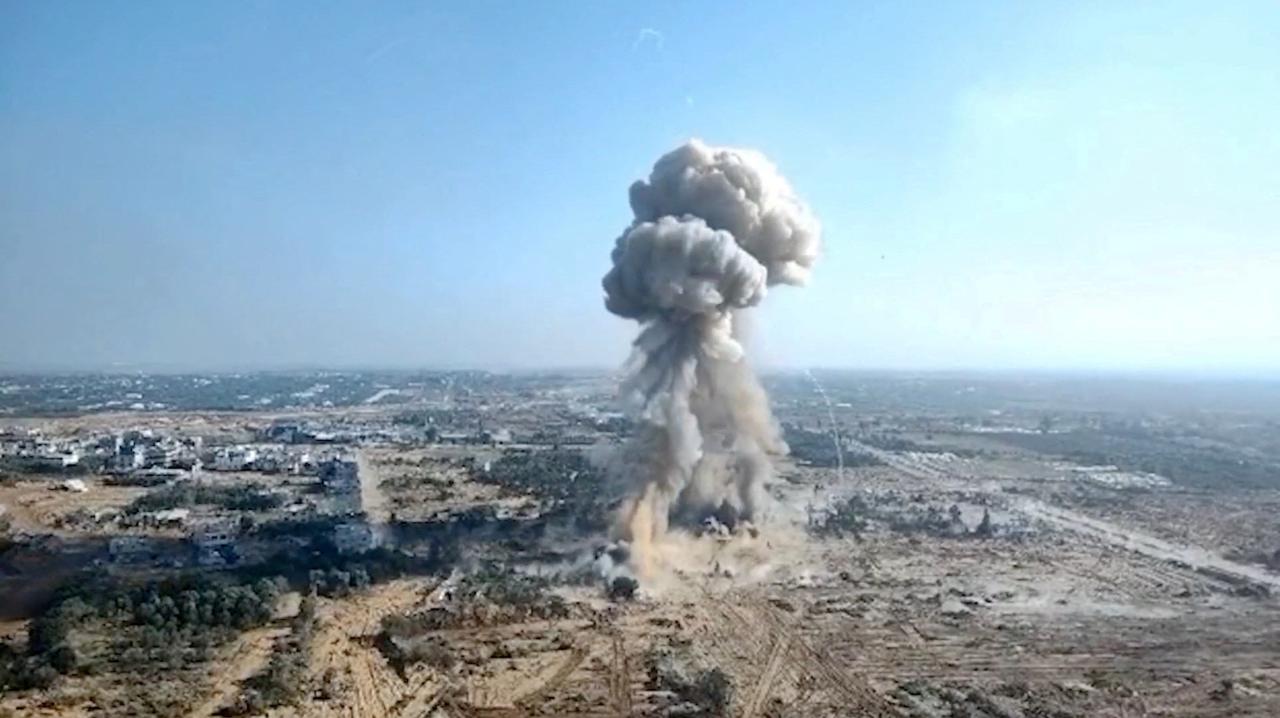
The ongoing conflict in Gaza has dramatically disrupted established trade routes and supply chains, impacting not only the region but also global markets. The cessation of movement across borders and the instability have created significant bottlenecks, causing delays and price fluctuations in various sectors. The interconnectedness of global commerce means that the ripple effects of this conflict extend far beyond the immediate area.The war has created a complex web of challenges for businesses, from sourcing raw materials to transporting finished goods.
The ongoing Gaza war is undeniably impacting Israel’s economy, with supply chain disruptions and a general climate of uncertainty. This economic strain is compounded by the recent activity of Houthi ships in the Red Sea, further complicating matters. The disruption caused by the Houthi ships, as detailed in this article on houthis ships red sea , is adding another layer of pressure on an already vulnerable Israeli economy.
The ripple effects of these actions will likely have significant long-term consequences for Israel’s economic recovery.
The uncertainties surrounding the conflict and the potential for further escalation add to the complexity and make long-term planning difficult. The implications are significant for both immediate and future economic stability.
Disruption of Trade Routes
The conflict has significantly hampered the movement of goods and people across borders. Land routes, once crucial for regional trade, are now largely inaccessible, leading to delays and disruptions in supply chains. The closure of ports and airports has further compounded the problem, restricting the flow of goods and services. This disruption has led to shortages of essential items in the region and increased prices for goods that can still be obtained.
For example, the inability to export agricultural products has led to significant losses for farmers in the affected areas.
Impact on Specific Goods and Services
The war has affected a wide range of goods and services, including agricultural products, consumer goods, and industrial materials. The inability to import raw materials has resulted in production slowdowns or halts for manufacturing industries, affecting the supply of finished goods. The disruptions have also had a negative impact on the tourism sector, with travel restrictions and safety concerns deterring tourists from visiting the region.
For instance, the absence of agricultural products in the market has led to a significant price increase for consumers.
Ripple Effects on Global Markets
The disruption of trade and supply chains in the region has created ripple effects across global markets. The shortage of certain goods can lead to price increases, impacting consumers worldwide. For example, the lack of specific components used in electronics manufacturing can cause delays and cost increases for electronic products. Furthermore, the uncertainty surrounding the conflict can affect investor confidence and lead to market volatility.
Impact on Global Trade
The war has highlighted the interconnectedness of global trade and the vulnerability of supply chains to geopolitical events. The conflict has demonstrated the need for diversification of supply sources and the importance of contingency plans for disruptions. This conflict has also emphasized the need for greater resilience in global trade networks to withstand such shocks. Countries and businesses are reassessing their reliance on specific regions and suppliers, prompting a search for alternative trade partners and supply chains.
Comparison of Trade Patterns Before and After the War
Comparing trade patterns before and after the war reveals significant shifts. Prior to the conflict, the region experienced robust trade relations, with significant exports and imports. After the war, however, there has been a marked decrease in trade volume and activity. The cessation of movement across borders and the instability have drastically reduced the flow of goods and services.
This shift in trade patterns has far-reaching implications for economic recovery and regional stability.
Investment and Foreign Direct Investment
The recent Gaza war has cast a shadow over the investment landscape in Israel and the region. Uncertainty surrounding the conflict, coupled with the humanitarian crisis and potential for further escalation, has created significant apprehension among potential investors. This is particularly true for sectors directly or indirectly impacted by the war, and for countries with existing geopolitical tensions.
The long-term consequences on investment flows remain to be seen, but the short-term impact is already evident.The war’s impact on investment is multifaceted. Not only does it disrupt established supply chains and trading relationships, but it also raises concerns about the safety and security of investments, and the political stability of the region. Companies, particularly those with significant operations in or reliant on the Israeli market, are carefully assessing the potential risks and adjusting their strategies accordingly.
Investors are seeking clarity on the long-term prospects for the Israeli economy and the stability of the region.
Impact on Israel
The war’s immediate effect on Israel’s investment climate is a notable decline in investor confidence. This is evident in decreased foreign direct investment (FDI) inflows, as companies re-evaluate their risk tolerance and potential returns. Sectors like technology, which is a significant driver of Israel’s economy, are likely experiencing a downturn in new investment. The uncertainty surrounding the region’s stability and the potential for further conflict will continue to discourage investment.
Furthermore, the humanitarian crisis in Gaza could potentially lead to a decrease in tourist numbers, affecting the tourism sector.
Impact on Gaza
Investment in Gaza has effectively ceased. The conflict has created an extremely hostile environment for foreign direct investment. The war’s destruction of infrastructure and the ongoing blockade significantly hinder any potential investment. This lack of investment perpetuates the humanitarian crisis, as reconstruction and economic recovery are hampered by the absence of capital. It is important to note that even before the war, investment in Gaza was limited due to the political and security situation.
Potential Risks for Investors
Investors face several key risks in the current environment. These include political instability, heightened security concerns, disruptions to supply chains, and the potential for further escalation of the conflict. Moreover, there are humanitarian risks associated with the crisis, which could further disrupt economic activity. The uncertainty surrounding the war’s duration and outcome creates a high degree of risk for investors.
Affected Sectors
Several sectors are particularly vulnerable to the war’s impact. The technology sector, crucial to Israel’s economy, may see a reduction in foreign investment due to concerns about the region’s security. The tourism sector is also likely to be affected, as the conflict could deter tourists from visiting the region. Additionally, the agricultural sector, which relies on stable supply chains and markets, is at risk due to potential disruptions in trade.
Investment Data
Unfortunately, precise data on investment flows before and after the war is currently unavailable. Collecting such data during a period of active conflict and uncertainty presents significant challenges. However, general observations suggest a decline in investment following the start of the conflict.
The ongoing Gaza war is undoubtedly impacting Israel’s economy, with supply chain disruptions and decreased tourism. While the global implications are significant, the artistic world continues to thrive, with talented artists like Cauleen Smith, a Los Angeles-based artist, exploring their creative outlets and responding to the world around them. Cauleen Smith artist los angeles is a great example of this resilience.
Ultimately, the war’s economic consequences will continue to ripple through Israeli society.
Potential for Future Investment
The potential for future investment in Israel and the region hinges on several factors. These include the duration and outcome of the conflict, the level of humanitarian aid provided, and the commitment of regional and international actors to fostering peace and stability. Rebuilding efforts in Gaza will be a major factor. Companies and investors will closely monitor these factors to assess the risks and potential returns.
In the long term, investment is likely to be contingent on the degree of international support for the region’s recovery.
Infrastructure and Reconstruction
The recent conflict has inflicted devastating damage on the infrastructure of both Israel and Gaza. Rebuilding shattered communities, essential services, and vital transportation networks will be a monumental undertaking, demanding significant financial resources, meticulous planning, and international cooperation. The long-term stability and prosperity of both regions hinge on a swift and effective reconstruction process.
Damage Assessment
The conflict’s impact on infrastructure spans various sectors. Extensive damage to residential buildings, commercial properties, and public facilities in both Israel and Gaza has occurred. Critical infrastructure like power plants, water treatment facilities, and transportation networks have also suffered significant damage, disrupting essential services and exacerbating humanitarian crises. The destruction of infrastructure severely hampers economic activity, impedes humanitarian aid delivery, and necessitates urgent reconstruction efforts.
Priority Areas for Reconstruction
Prioritizing reconstruction efforts is crucial. Resumption of essential services is paramount. Water and sanitation facilities, power generation, and transportation networks should be restored as a first step. Ensuring access to clean water and sanitation is vital for preventing disease outbreaks. Restoring power generation is equally important to restore essential services and prevent further economic hardship.
Furthermore, repairing and rebuilding roads, bridges, and railways is essential for facilitating trade, movement, and economic recovery.
Potential Costs and Challenges
The cost of reconstruction will be substantial, encompassing the replacement of damaged infrastructure and the provision of essential services. Estimating precise costs is challenging due to the scope of damage and the uncertain geopolitical environment. The challenge of securing funding, coordinating international aid, and managing the logistical complexities of reconstruction will be immense. Furthermore, addressing security concerns and ensuring the safety of workers and infrastructure during the reconstruction process is vital.
The conflict has impacted the availability of materials and expertise, potentially delaying and increasing the cost of reconstruction.
Table of Prioritized Infrastructure Projects
| Project | Priority Level | Estimated Cost (USD) | Description |
|---|---|---|---|
| Restoration of Gaza Water Treatment Plant | High | $50 million | Ensuring access to clean water for the Gaza Strip population. |
| Rebuilding of Israeli Highway 25 | High | $100 million | Restoration of a crucial transportation route, enabling the movement of goods and people. |
| Reconstruction of Gaza Power Generation Facility | High | $150 million | Restoration of electricity supply to the Gaza Strip. |
| Rehabilitation of Israeli Coastal Road | Medium | $30 million | Repairing vital access to coastal areas and restoring tourism. |
Reconstruction Models, Israel economy gaza war
Diverse reconstruction models exist. Public-private partnerships (PPPs) can leverage private sector expertise and investment to accelerate reconstruction efforts. These partnerships can mobilize resources, streamline the reconstruction process, and encourage innovation. International aid and grants can provide much-needed financial support. These models should be tailored to the specific needs of each region, ensuring effective resource allocation and project implementation.
Furthermore, transparent and accountable governance structures are critical for effective reconstruction management.
Tourism and Travel
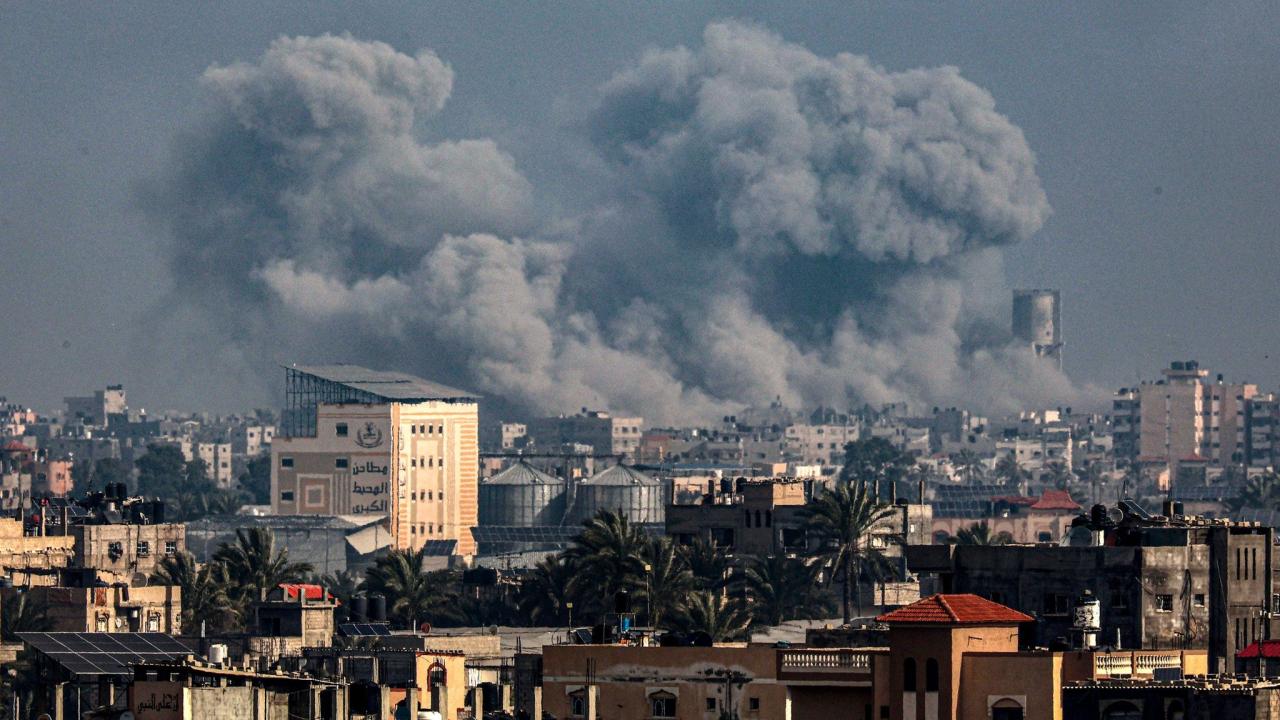
The recent Gaza conflict has cast a long shadow over the travel and tourism industries in both Israel and the Palestinian territories. Pre-existing geopolitical tensions were significantly exacerbated, leading to a sharp decline in visitor numbers and a profound impact on local economies heavily reliant on tourism revenue. The war’s aftermath has also altered perceptions of the regions, posing a challenge to rebuilding trust and attracting tourists in the future.
Impact on Tourism in Israel
The conflict’s impact on Israeli tourism has been multifaceted. Directly affected areas, particularly those near the border with Gaza, experienced a dramatic drop in tourist arrivals. Concerns about safety and security among potential visitors significantly reduced bookings. Indirectly, the negative publicity surrounding the conflict dampened interest in Israel as a tourist destination, impacting various sectors from hotels and restaurants to tour operators.
Impact on Tourism in Gaza
The conflict severely crippled the tourism sector in Gaza. Pre-existing travel restrictions and limited infrastructure, already hindering the sector, were significantly worsened by the fighting. Tourism, a crucial source of income for Palestinians, suffered a devastating blow, further deepening economic hardship.
Changing Perceptions of Both Locations
The war has undoubtedly altered perceptions of both Israel and Gaza. For potential visitors, the conflict fostered a sense of heightened risk and uncertainty, influencing their decision-making process. Negative media coverage further solidified these concerns, contributing to a decline in tourist interest. Rebuilding trust and demonstrating a commitment to peace and stability will be critical to restoring the image of both regions as safe and welcoming tourist destinations.
Potential Opportunities for the Tourism Sector
Despite the challenges, opportunities exist for the tourism sector in both regions. Focus on showcasing the resilience of the local communities and their commitment to peace can be a powerful tool. Emphasizing unique cultural experiences and natural beauty can attract tourists interested in exploring alternative destinations. The creation of peace tourism initiatives could be a key step towards attracting visitors interested in learning about peace-building efforts.
For example, showcasing the region’s history and cultural heritage in new and engaging ways can draw in tourists.
Impact on Travel and Tourism Infrastructure
The conflict’s impact on travel and tourism infrastructure is substantial. Direct damage to hotels, restaurants, and other tourist facilities in both regions required significant repair or replacement. Damaged roads and transportation systems further complicated travel, leading to significant disruption in the tourism supply chain. For example, infrastructure repairs and the re-establishment of essential services, like airports and border crossings, are crucial for a successful recovery.
Psychological Effects on Tourists and Travelers
The psychological impact of the conflict on tourists and travelers is noteworthy. Fear, uncertainty, and anxiety are common responses to such events. Potential tourists may feel hesitant to travel to conflict zones, fearing for their safety. This psychological barrier needs to be overcome through strong safety measures, effective communication, and proactive strategies that address concerns about safety and security.
For instance, highlighting the region’s commitment to security and showcasing the peace-building initiatives in place can reassure potential tourists.
Last Point
In conclusion, the Israel economy Gaza war has triggered a complex web of economic repercussions, impacting both regions in profound ways. From the immediate disruptions to trade and supply chains to the long-term challenges of reconstruction and recovery, the conflict’s economic consequences are far-reaching. The international community’s role in providing aid and fostering recovery is crucial, but challenges remain in delivering effective and targeted assistance.
Understanding these multifaceted impacts is vital for navigating the path toward a sustainable future for both Israel and Gaza.
Expert Answers
What is the estimated cost of reconstruction in Gaza?
Precise figures for Gaza’s reconstruction cost are not yet available, but initial estimates suggest it will be substantial, considering the widespread damage to infrastructure and industries. Factors like the scale of the destruction, the need for long-term rebuilding, and the availability of international aid will all influence the final cost.
How has the war affected Israeli tourism?
The war has undoubtedly impacted Israeli tourism. Fear and safety concerns have likely deterred some tourists, while the overall negative media coverage surrounding the conflict has negatively impacted the image of the country. This will likely impact the number of tourists visiting Israel in the short term. However, long-term impacts and opportunities for recovery are still uncertain.
What specific industries in Gaza have been most affected by the war?
Numerous industries in Gaza have been severely impacted, including agriculture, fishing, construction, and manufacturing. The destruction of infrastructure, including factories and farms, has led to significant job losses and economic decline. This widespread damage has a profound impact on the overall economic stability of the region.
What are the potential long-term economic consequences for Gaza’s future?
The long-term economic consequences for Gaza are severe and multifaceted. The loss of infrastructure, businesses, and livelihoods will likely hinder development and growth for years to come. Addressing the issues of rebuilding and fostering economic stability is critical for the region’s future.