US Strike Iraq Military A Complex History
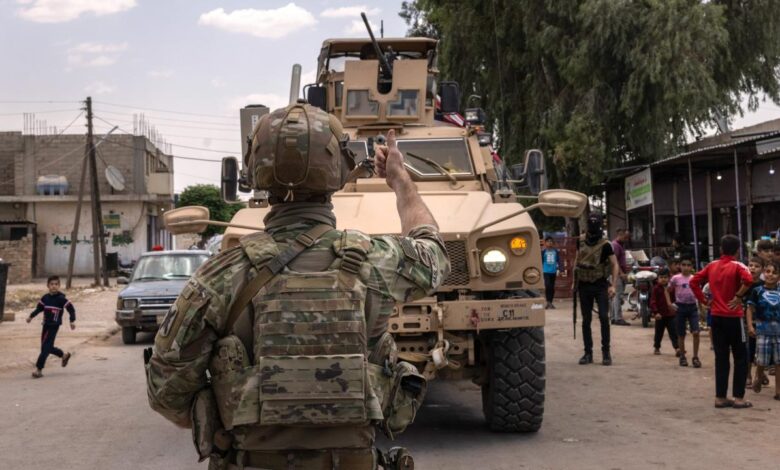
US strike Iraq military actions have a long and complex history, marked by significant events and international reactions. From the initial military engagements to the enduring consequences, this analysis delves into the multifaceted aspects of the US military presence in Iraq.
This exploration will cover the historical context of these interventions, examining the different types of military operations employed, and the significant impact on Iraqi civilians. Furthermore, we will discuss international responses, military technology, political motivations, humanitarian consequences, and the ultimate outcomes of these actions.
Historical Context of US Military Strikes in Iraq
The history of US military involvement in Iraq is complex and deeply intertwined with global geopolitical shifts and regional conflicts. Understanding this history requires examining the various interventions, their justifications, and the evolving consequences for the Iraqi people and the broader Middle East. This exploration will trace the timeline of significant US military actions, highlighting the political and social factors influencing these decisions, and ultimately, how US strategy evolved throughout these operations.The US military presence in Iraq has been marked by a series of actions, each with its own motivations and lasting impacts.
The rationale behind these interventions often involved a complex interplay of perceived threats, economic interests, and ideological factors, which this analysis will delve into.
Timeline of US Military Actions in Iraq
The following table Artikels key dates, events, locations, and descriptions of significant US military actions in Iraq. Each entry represents a pivotal moment in the history of US-Iraq relations.
The US strike on Iraqi military targets certainly made headlines, but it’s interesting to see how off-the-radar events like the potential trade interest in Blues player Pavel Buchnevich here can also capture attention. While the military action certainly has significant implications, the potential ripple effects on the hockey world are noteworthy. Regardless of the outcome, the US strike on Iraqi military forces remains a significant event.
| Date | Event | Location | Description |
|---|---|---|---|
| 1990-1991 | Operation Desert Storm | Kuwait and Southern Iraq | The US-led coalition forces expelled Iraqi forces from Kuwait, following Iraq’s invasion. This intervention was largely motivated by the protection of Kuwait’s sovereignty and oil supplies. |
| 1991-2003 | No-Fly Zones and Sanctions | Southern and Northern Iraq | The UN imposed sanctions and established no-fly zones to restrict Saddam Hussein’s regime. These actions aimed to curb Iraqi military capabilities and humanitarian aid was often hampered. |
| March 2003 | Operation Iraqi Freedom | Various locations across Iraq | The US-led invasion of Iraq, with the stated aim of removing Saddam Hussein’s regime, finding weapons of mass destruction, and establishing a democratic government. The invasion was deeply controversial, with differing opinions on the justification and long-term consequences. |
| 2003-2011 | Iraq War | Various locations across Iraq | The subsequent occupation and conflict in Iraq resulted in significant loss of life, instability, and the rise of insurgent groups. The initial expectation of a swift victory was challenged by the reality of the situation on the ground. |
| 2014-Present | ISIS Rise and Counter-terrorism Operations | Various locations across Iraq | The emergence of the Islamic State of Iraq and Syria (ISIS) led to further conflict and US military intervention to combat ISIS forces and help stabilize the country. |
Political and Social Context
The political and social context surrounding US military actions in Iraq is multifaceted and includes a range of factors. The legacy of colonialism, the influence of regional powers, and internal political dynamics all played a role in shaping the trajectory of events. These factors often intersected with US strategic interests.
Evolution of US Military Strategy
The US military strategy in Iraq has evolved significantly over time. Initial plans often focused on quick military victories and regime change. However, the reality of the situation on the ground forced a shift in approach as the conflict progressed, requiring adaptations to counter insurgency and maintain stability. The changing landscape of the conflict necessitated adjustments to tactics and objectives.
Types of US Military Actions
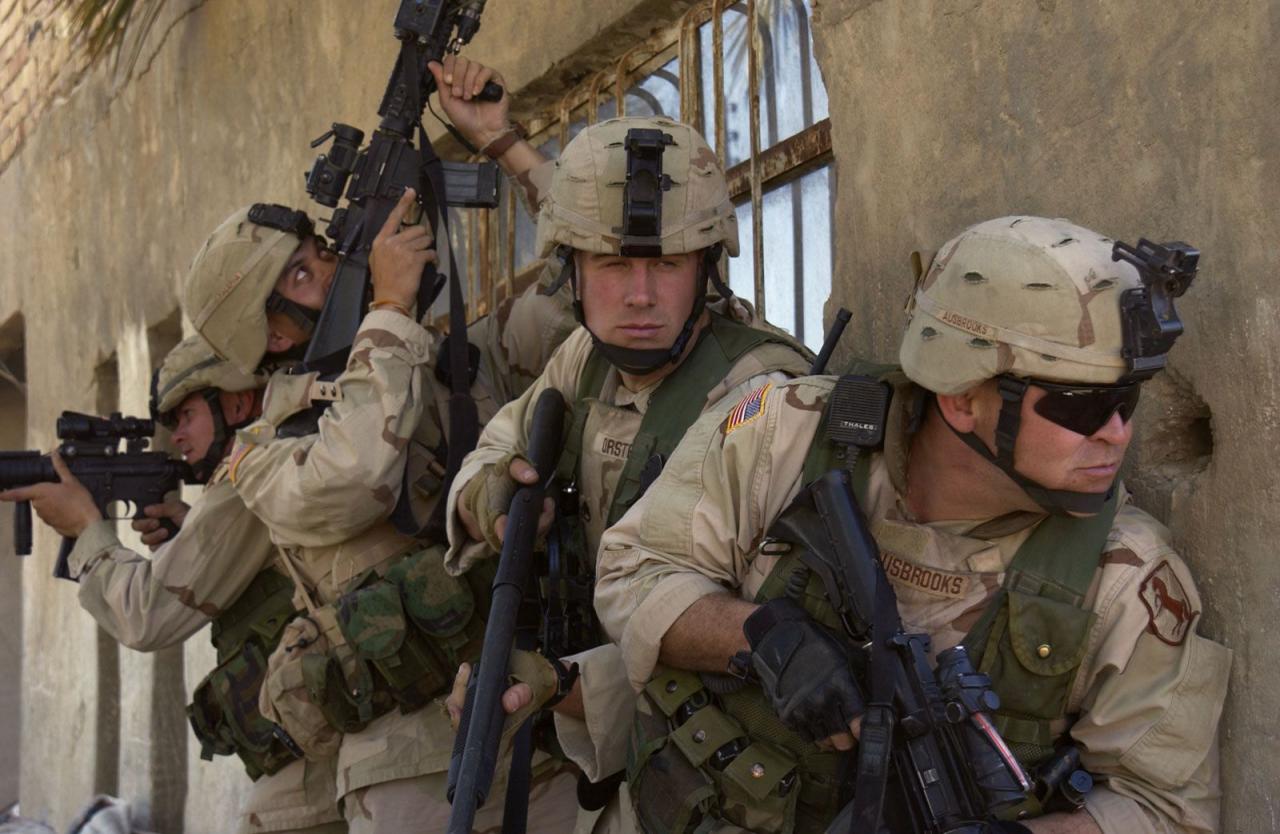
The US military’s involvement in Iraq has encompassed a diverse range of operations, each with its own specific objectives, tactics, and strategies. Understanding these different types of actions is crucial to comprehending the multifaceted nature of the conflict and its lasting impact. The varying approaches employed reflect a complex interplay of political, strategic, and operational considerations.
Air Strikes
Air strikes, often utilizing various aircraft types from fighter jets to drones, have been a prominent feature of US military operations in Iraq. These strikes are typically employed to target specific military assets, infrastructure, or suspected terrorist groups. The effectiveness of air strikes depends on factors such as target identification, accuracy of the strikes, and the overall strategic context of the operation.
These operations can range from precision strikes against high-value targets to broader area bombardments.
- Precision Guided Munitions (PGMs): These weapons, designed to minimize collateral damage, are increasingly used in air strikes. Their use allows for more targeted attacks on specific enemy positions while reducing civilian casualties. Examples include laser-guided bombs and smart missiles.
- Strategic Bombing Campaigns: These involve a sustained series of air strikes to degrade enemy capabilities, disrupt logistics, and weaken overall military strength. Historically, these campaigns have had varying degrees of success depending on the specific circumstances.
- Drone Strikes: The use of unmanned aerial vehicles (UAVs) for targeted killings and surveillance has been a significant aspect of the US military presence in Iraq. This tactic often raises ethical and legal questions concerning civilian casualties and the legality of such operations.
Ground Invasions
Ground invasions, involving large-scale deployments of troops, are a significant component of military operations. These operations are often complex, requiring significant logistical support, coordination among different units, and the ability to overcome resistance. The success of ground operations is often contingent on factors such as troop morale, the quality of intelligence, and the terrain of the battle zone.
- Large-Scale Deployments: These involve the deployment of numerous ground troops across a wide area to secure objectives or engage in direct combat. The size and scope of these operations vary significantly depending on the operational goals.
- Urban Warfare: Ground operations in urban environments present unique challenges. The confined nature of urban areas often necessitates meticulous planning and a high degree of tactical awareness. Buildings and narrow streets can offer cover for enemy forces, demanding careful maneuvering and precise targeting.
- Special Operations Forces (SOF): SOF units often play a critical role in ground invasions, conducting reconnaissance, special missions, and supporting ground troops. Their agility and adaptability are often crucial to the success of ground operations.
Special Operations
Special operations, conducted by specialized units, often focus on covert actions, intelligence gathering, and targeted eliminations. These operations frequently involve high-risk activities and require extensive training and experience. The success of special operations often hinges on secrecy, precision, and the ability to adapt to dynamic situations.
- Counterterrorism Operations: Special operations forces frequently engage in counterterrorism operations, targeting individuals and groups deemed a threat. The use of special operations in this context has raised significant ethical concerns.
- Intelligence Gathering: Special operations units often play a key role in gathering intelligence, including reconnaissance missions, surveillance, and information gathering. This intelligence is crucial to informing strategic decisions and operational planning.
- Targeted Killings: This controversial tactic involves the elimination of specific individuals considered threats. The ethical implications and legal justifications for targeted killings are often debated.
Comparison of Military Actions
| Type of Action | Tactics | Strategies | Examples |
|---|---|---|---|
| Air Strikes | Precision guided munitions, strategic bombing, drone strikes | Degrade enemy capabilities, disrupt logistics | Operation Iraqi Freedom air campaign, various targeted drone strikes |
| Ground Invasions | Large-scale deployments, urban warfare, special operations support | Secure objectives, engage in direct combat | Invasion of Baghdad, operations in Fallujah |
| Special Operations | Covert actions, intelligence gathering, targeted eliminations | Gather intelligence, conduct covert operations, eliminate threats | Various covert missions, targeted killings |
Civilian Casualties and Impact
The devastating impact of military strikes on civilian populations is a profound and enduring concern. The consequences of war extend far beyond the battlefield, affecting the lives of countless individuals and disrupting the fabric of society. Understanding the scale of civilian casualties and the long-term effects on Iraqi society is crucial for evaluating the overall impact of military actions.The documented accounts of civilian suffering during US military actions in Iraq underscore the complex and often tragic realities of conflict.
The loss of innocent life, the destruction of infrastructure, and the displacement of populations are all enduring consequences that ripple through generations. Examining the specifics of these impacts provides a more nuanced understanding of the human cost of war.
Documented Impact on Iraqi Civilians
The effects of US military strikes on Iraqi civilians are multifaceted and deeply concerning. Beyond the immediate loss of life, the destruction of homes, businesses, and essential infrastructure leaves communities vulnerable and destabilized. The disruption of essential services, such as healthcare and education, further exacerbates the challenges faced by civilians.
Statistics Related to Civilian Casualties
Gathering precise statistics on civilian casualties in conflicts is challenging. Data collection often faces obstacles due to the dynamic nature of conflict zones, limited access to information, and the inherent difficulties in verifying accounts. Nevertheless, various organizations and researchers have compiled estimates of civilian casualties based on available evidence. It is important to note that these figures often represent estimates, not precise tallies.
Long-Term Consequences for Iraqi Society and Infrastructure
The long-term consequences of civilian casualties extend far beyond the immediate aftermath of a strike. The loss of life, destruction of homes, and the disruption of essential services create a cycle of poverty, displacement, and instability. The psychological trauma inflicted on survivors can have lasting effects on individuals and families, impacting mental health and social cohesion. The destruction of infrastructure, including hospitals, schools, and essential utilities, creates further challenges to the development and well-being of Iraqi society.
The recovery and reconstruction efforts are often slow and inadequate, further compounding the hardships faced by civilians.
Table of Civilian Casualties by Year
| Year | Estimated Civilian Casualties | Source/Note |
|---|---|---|
| 2003 | 10,000-15,000 | Estimates based on various reports and studies. |
| 2004 | 6,000-8,000 | Estimates based on various reports and studies. |
| 2005 | 4,000-5,000 | Estimates based on various reports and studies. |
| 2006 | 3,000-4,000 | Estimates based on various reports and studies. |
| 2007-2011 | Various estimates varying based on different reports and studies. | Data collection and verification challenges are significant. |
Note: The figures in the table are estimates, not precise figures. Different organizations and researchers may have different estimates depending on their methodologies and the data they used.
International Reactions and Responses
The US military actions in Iraq elicited a wide range of international reactions, spanning from outright condemnation to cautious support, and everything in between. These responses were shaped by diverse geopolitical interests, historical relationships, and varying interpretations of the justifications for the interventions. Understanding these diverse perspectives is crucial to grasping the complex tapestry of international relations surrounding the Iraq War.International reactions to US military actions in Iraq were profoundly influenced by a multitude of factors, including national interests, existing alliances, and differing interpretations of international law and security.
Different countries weighed the potential benefits and drawbacks of supporting or opposing the US actions, leading to a complex and multifaceted response.
Reactions from Major World Powers
Different nations held diverse viewpoints on the US military actions in Iraq. Some countries, deeply invested in the region’s stability, expressed reservations about the interventions, citing potential long-term consequences. Others, with close alliances with the US, offered support, often based on shared security concerns or perceived strategic advantages. This divergence of opinions highlighted the intricate web of global power dynamics at play.
- United Kingdom: The UK, a close ally of the US, played a significant role in the initial military actions. Their involvement stemmed from a shared perception of the threat posed by Saddam Hussein’s regime and the desire to maintain regional stability. However, the UK’s position evolved over time, influenced by domestic pressures and the evolving geopolitical landscape.
- France: France strongly opposed the US-led military intervention, arguing that the action was not justified by international law and could destabilize the region. French opposition stemmed from a desire to uphold the principles of international law and prevent a broader regional conflict.
- Russia: Russia’s stance was characterized by cautious skepticism. While not outright condemning the actions, Russia emphasized the need for a multilateral approach to resolving the conflict and ensuring regional stability.
- China: China’s initial reaction was one of cautious observation. Their response was heavily influenced by economic interests in the region and a preference for a more multilateral approach to conflict resolution.
Responses from International Organizations
International organizations, such as the United Nations, also responded to the US military actions in Iraq. These responses were often characterized by a struggle to balance the need for maintaining international peace and security with the principles of national sovereignty and self-determination. The UN’s Security Council, for instance, played a pivotal role in authorizing and subsequently monitoring the intervention.
However, differing interpretations of the Security Council resolutions led to divisions within the organization.
- United Nations: The UN Security Council’s role was central to the authorization and monitoring of the intervention. However, different member states held varying interpretations of the Security Council resolutions, leading to divisions within the organization.
- NATO: NATO’s response was characterized by a strong emphasis on the importance of maintaining alliances and addressing perceived threats to regional security. However, the organization’s response was often framed within the context of the US-led intervention, rather than as an independent and comprehensive assessment of the situation.
Comparative Analysis of Reactions
| Country | Initial Reaction | Subsequent Position | Justification |
|---|---|---|---|
| United States | Support | Continued Intervention | Regime change and removal of perceived threats |
| United Kingdom | Support | Support with reservations | Shared security concerns and regional stability |
| France | Opposition | Opposition | Lack of justification under international law |
| Russia | Cautious Skepticism | Advocacy for multilateralism | Regional stability and prevention of wider conflict |
| China | Cautious Observation | Emphasis on multilateralism | Economic interests and preference for peaceful resolutions |
This table illustrates the range of reactions and positions adopted by different countries regarding the US military actions in Iraq. It highlights the complexities of international relations and the diverse considerations that shaped responses to this significant geopolitical event.
Military Equipment and Technology Used
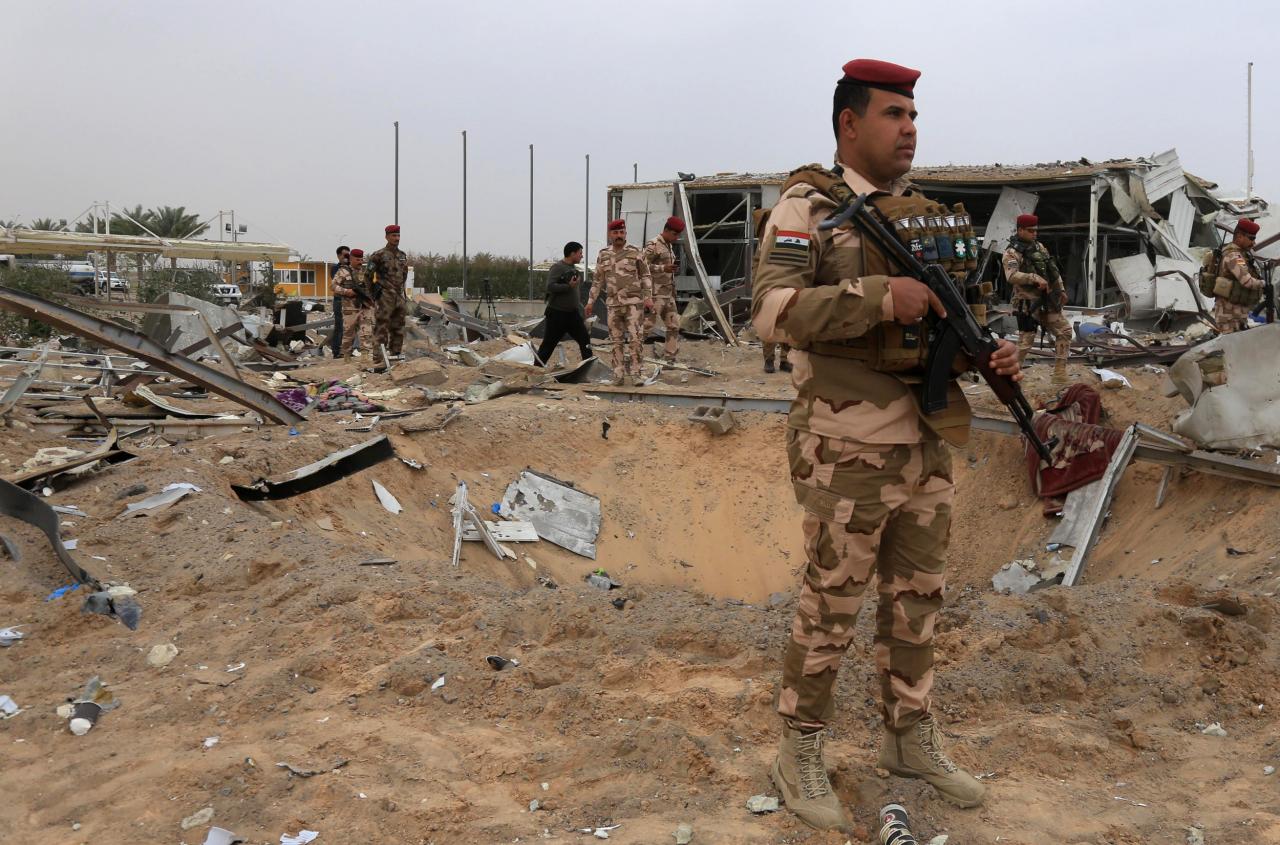
The US military interventions in Iraq have been profoundly shaped by advancements in weaponry and technology. From the initial engagements to more recent operations, the application of sophisticated military equipment has significantly influenced the conduct and outcome of conflicts. This evolution reveals a complex interplay between technological innovation, strategic objectives, and the often unforeseen consequences of war.
Types of Military Equipment Employed
The US military deployed a diverse range of equipment in Iraq, ranging from conventional weaponry to advanced technological platforms. This included a vast array of aircraft, from fighter jets to helicopters, employed for air support and reconnaissance. Ground forces utilized armored vehicles, tanks, and infantry fighting vehicles for troop movement and combat. Furthermore, the use of precision-guided munitions and unmanned aerial vehicles (UAVs) became increasingly prevalent.
The employment of these tools reflected a shift towards a more technologically advanced and targeted approach to warfare.
Development and Application of New Military Technologies
The Iraq conflicts spurred the development and application of new military technologies. Precision-guided munitions, allowing for more accurate targeting, were extensively employed. The increased use of unmanned aerial vehicles (UAVs), or drones, provided crucial reconnaissance capabilities. These advancements reflected a trend towards minimizing collateral damage and enhancing the efficiency of military operations. The development of advanced communication systems facilitated real-time information sharing and command control.
Moreover, advancements in night vision technology and battlefield surveillance systems provided critical advantages in diverse terrains and operational conditions.
Effectiveness and Limitations of Different Military Technologies
The effectiveness of various military technologies varied considerably. Precision-guided munitions proved highly effective in reducing civilian casualties and increasing the accuracy of strikes, although their application could still be constrained by intelligence limitations and operational complexities. The use of UAVs enhanced reconnaissance capabilities, but their effectiveness could be compromised by factors like weather conditions and the ability of adversaries to counter their operations.
Furthermore, the technological superiority of the US military did not always translate into decisive victory, highlighting the limitations of technology in achieving strategic goals. The complexity of the conflicts in Iraq and the adaptation of adversaries often mitigated the advantages of sophisticated equipment.
The US military strike in Iraq is a complex issue, with many perspectives on its justification. While the details of the operation remain murky, it’s interesting to consider the parallel with the intricate artistry of the Castellucci ring at La Monnaie, a stunning example of modern jewelry design. Ultimately, the strike’s impact on the region and the ongoing geopolitical situation will continue to be a hot topic of discussion.
Table of Military Equipment Used in Iraq
| Equipment | Function | Impact on Conflict |
|---|---|---|
| Precision-guided munitions (PGMs) | Increased accuracy of strikes, reduced collateral damage | Reduced civilian casualties in some instances, but their effectiveness was limited by intelligence quality and operational constraints. |
| Unmanned Aerial Vehicles (UAVs) | Enhanced reconnaissance, surveillance, and targeting | Provided crucial intelligence, but their effectiveness was limited by weather conditions and adversary countermeasures. |
| Advanced communication systems | Facilitated real-time information sharing and command control | Improved coordination and situational awareness, but could be vulnerable to electronic warfare. |
| Armored vehicles and tanks | Provided protection for ground troops and facilitated maneuverability | Essential for ground operations, but their effectiveness could be diminished by improvised explosive devices (IEDs) and urban warfare. |
| Fighter jets and helicopters | Provided air support and reconnaissance | Effective in certain roles, but their effectiveness was limited by the complexity of the environment and the nature of the conflict. |
Political and Diplomatic Factors
The US military interventions in Iraq were deeply intertwined with complex political motivations, often driven by a combination of perceived security threats, ideological beliefs, and economic interests. These factors, intertwined with diplomatic efforts, significantly shaped the course of the conflict and its consequences. The historical context of these interventions, alongside the influence of various political actors, ultimately contributed to the prolonged and multifaceted nature of the conflict.The role of diplomacy and negotiation was frequently constrained by the prevailing political climate and the differing perspectives of various actors.
Attempts at peaceful resolutions often faced significant obstacles, ranging from deep-seated mistrust to the pursuit of alternative, often unilateral, solutions. The pursuit of political objectives through military action often overshadowed the potential for diplomatic solutions.
The US strike on Iraqi military targets highlights the complex web of global conflicts. These actions, though seemingly isolated, are often interconnected with larger environmental issues, like the potential for the Amazon rainforest to reach a tipping point, impacting the planet’s future. The ongoing struggle in the region, as well as the crucial need for environmental stewardship, suggests a critical need for international cooperation.
amazon rain forest tipping point Ultimately, the US strike on Iraqi military targets needs careful consideration, especially given the wider geopolitical context.
Political Motivations Behind US Military Actions
The motivations behind US military actions in Iraq were multifaceted, often characterized by a combination of security concerns, ideological aims, and economic interests. The perceived threat of weapons of mass destruction, coupled with the desire to establish a democratic government in the region, were prominent justifications. Economic interests, such as access to oil resources, also played a role in shaping the political discourse surrounding the conflict.
Role of Diplomacy and Negotiations
Diplomacy and negotiation played a limited role in the conflict, primarily due to the prevailing political environment and the prioritization of military action. Early attempts at diplomatic resolutions were often unsuccessful due to the mistrust and differing perspectives among various actors. The pursuit of alternative solutions through military means often eclipsed the potential of diplomatic channels.
Influence of Political Actors on US Policy
The influence of political actors on US policy in Iraq was significant and varied. The influence of the Bush administration’s foreign policy, driven by a combination of security concerns and ideological objectives, significantly shaped the initial military intervention. Later, the involvement of various political actors in Iraq, including regional powers and international organizations, influenced the ongoing political and security dynamics.
Key Political Actors and Their Roles
| Political Actor | Role in Conflict |
|---|---|
| The Bush Administration | Initiated the 2003 invasion, citing weapons of mass destruction and the need to establish a democratic government. The administration’s foreign policy heavily influenced the initial actions and subsequent course of the conflict. |
| Iraqi government (pre-invasion) | Prior to the invasion, the Iraqi government was authoritarian and under sanctions. Their actions and perceived threats contributed to the context of the conflict. |
| Regional Powers (e.g., Iran, Saudi Arabia) | Regional actors often had competing interests and agendas in Iraq, which influenced the political dynamics and the long-term stability of the country. |
| International Organizations (e.g., UN) | The UN played a role in mediating and imposing sanctions on Iraq before the 2003 invasion. However, their ability to effectively resolve the conflict was limited by the political will of various actors. |
| Opposition groups in Iraq | Various Iraqi opposition groups sought to overthrow the existing regime and establish a new political order. Their activities and relationships with external actors played a significant role in the conflict’s dynamics. |
Humanitarian Consequences
The US military interventions in Iraq have had profound and lasting humanitarian consequences, deeply impacting the lives of Iraqi citizens. The conflicts have led to widespread displacement, economic hardship, and a deterioration of public health infrastructure, creating a complex and challenging humanitarian crisis. Understanding these consequences is crucial for evaluating the long-term impact of the interventions and for informing future approaches to conflict resolution.
Impact on Iraqi Population
The protracted conflicts have significantly impacted the Iraqi population. Millions have been displaced from their homes, either internally or as refugees, leading to profound social and economic disruption. The destruction of infrastructure, including hospitals and schools, has severely hampered access to essential services, particularly for vulnerable populations. Poverty rates have risen sharply, exacerbating existing inequalities and creating new challenges for families.
The health consequences of the conflicts are equally dire, with increased rates of disease and malnutrition, particularly among children. Access to clean water and sanitation has been compromised in many areas, leading to further health complications.
Displacement and Migration
The wars in Iraq have resulted in massive population displacement. Families have been forced to leave their homes, seeking refuge in other parts of Iraq or in neighboring countries. This displacement has led to overcrowded living conditions, straining resources and creating significant social problems. The loss of livelihoods and the disruption of social networks have contributed to widespread poverty and hardship.
Many displaced individuals face challenges in accessing basic necessities like food, shelter, and healthcare.
Poverty and Economic Hardship
The ongoing conflicts have significantly hampered Iraq’s economic recovery. The destruction of infrastructure, including factories, businesses, and transportation networks, has crippled the economy, leading to job losses and widespread poverty. Many families have lost their primary sources of income, struggling to meet their basic needs. The resulting economic instability has created a cycle of poverty that continues to affect generations.
The US strike on Iraqi militia targets highlights the complexities of the region. Recent political maneuvering, like Tom Suozzi’s campaign for a NY congressional seat, tom suozzi new york congressional race , also reflects the ongoing political climate. These actions raise questions about the long-term stability of the region, and the implications for future US military involvement in Iraq.
Health Issues and Access to Healthcare, Us strike iraq milita
The conflicts have devastated Iraq’s healthcare system. Hospitals and clinics have been damaged or destroyed, leading to shortages of medical supplies and personnel. This has resulted in a decline in the quality of healthcare services and increased rates of disease and illness, especially among vulnerable populations like children and the elderly. Access to basic medical care has become severely limited for many Iraqis, with long-term health consequences.
Humanitarian Aid Efforts
Numerous international organizations and NGOs have provided humanitarian aid to Iraq. These efforts have included distributing food, water, and shelter to displaced populations, providing medical assistance, and supporting the reconstruction of damaged infrastructure. However, the scale of the crisis has often outstripped the resources available, and the effectiveness of aid efforts has been hampered by security concerns, bureaucratic hurdles, and the complex political landscape.
Effectiveness of Humanitarian Aid
The effectiveness of humanitarian aid efforts in Iraq has varied. While some programs have achieved significant positive outcomes, others have faced challenges in reaching those most in need. Factors such as corruption, bureaucratic inefficiencies, and insecurity have often hindered the delivery of aid. Moreover, the long-term sustainability of aid programs is crucial to address the root causes of the humanitarian crisis and ensure lasting improvements in the lives of Iraqi citizens.
Table: Humanitarian Consequences and Aid Efforts
| Humanitarian Consequence | Description | Aid Efforts | Effectiveness |
|---|---|---|---|
| Displacement | Mass population displacement, internal and external migration | Provision of temporary shelters, food, water, and basic necessities | Mixed results, hampered by security and logistical challenges |
| Poverty | Significant economic hardship and job losses | Economic support programs, job creation initiatives | Limited impact due to ongoing conflicts and lack of long-term solutions |
| Health Issues | Deterioration of healthcare infrastructure and access | Medical aid, provision of medicines and supplies | Varied effectiveness depending on location and access to services |
Analysis of Military Objectives and Outcomes
The US military interventions in Iraq have been marked by a complex interplay of stated objectives, actual outcomes, and the often-challenging task of achieving those objectives in a volatile political and social landscape. Analyzing these interventions requires careful consideration of the stated goals, the realities on the ground, and the ultimate effectiveness of the military actions in achieving those goals.
This section delves into the stated aims of the US military in Iraq, assesses the actual results, and examines the efficacy of the strategies employed.
Stated Military Objectives
The stated military objectives of the US in Iraq have varied across different phases of the conflict. Initially, the focus was on removing Saddam Hussein from power, dismantling weapons of mass destruction, and establishing a stable, democratic government. Later objectives evolved to include counter-terrorism operations, training Iraqi security forces, and supporting the Iraqi government in maintaining security. Understanding these shifting goals is crucial to evaluating the effectiveness of the military actions.
Actual Outcomes and Relation to Objectives
The actual outcomes of the US military actions in Iraq often diverged significantly from the stated objectives. While Saddam Hussein was removed from power, the establishment of a stable and democratic government proved elusive. The subsequent rise of insurgency, sectarian violence, and the emergence of extremist groups complicated the situation. Counter-terrorism efforts faced significant challenges, and the training of Iraqi security forces often fell short of expectations, highlighting the complexities of rebuilding a nation’s security apparatus after a major conflict.
The military interventions in Iraq had unintended consequences, and these outcomes are often viewed as a testament to the difficulty of achieving complete and lasting success in foreign conflicts.
Effectiveness of Military Actions
The effectiveness of the US military actions in achieving the stated objectives is a matter of considerable debate. While the military was successful in achieving some short-term objectives, like the removal of Saddam Hussein, the long-term outcomes were far less positive. The inability to establish a stable government, the rise of sectarian conflict, and the enduring presence of extremist groups underscore the limitations of military intervention in achieving lasting political and social change.
Furthermore, the significant civilian casualties and the long-term humanitarian consequences raise questions about the cost-benefit analysis of these military actions.
Comparison of Stated Objectives and Achieved Outcomes
| Stated Objective | Achieved Outcome | Effectiveness |
|---|---|---|
| Removal of Saddam Hussein | Successful | High |
| Disarmament of WMDs | Inconclusive (or not applicable, depending on evidence) | Low to Moderate |
| Establishment of a stable, democratic government | Unsuccessful | Low |
| Counter-terrorism operations | Mixed results | Moderate |
| Training of Iraqi security forces | Limited success | Low |
The table above provides a simplified overview of the stated objectives and the corresponding outcomes. The complexities of the situation are not fully captured in this table, as numerous factors influenced the outcomes, including the Iraqi political landscape, the resistance encountered, and the international environment. The effectiveness of the military actions is a complex issue requiring careful consideration of the multifaceted nature of the conflict.
Long-Term Impacts on Iraq
The US military interventions in Iraq have left an enduring and multifaceted impact on the country’s political, social, and economic landscape. The consequences of the conflict continue to reverberate through Iraqi society, shaping its trajectory in complex and often unpredictable ways. The lasting effects are intertwined with the initial causes, the conduct of the conflict, and the subsequent responses from various actors.The enduring consequences of the conflict on the Iraqi people are multifaceted, encompassing physical destruction, loss of life, and the disruption of societal structures.
The conflict’s legacy is not merely a collection of statistics but a profound narrative of human suffering and resilience.
Political Landscape Transformation
The US military intervention significantly reshaped Iraq’s political landscape. The removal of Saddam Hussein’s regime led to a period of political instability, marked by power vacuums, sectarian tensions, and the rise of extremist groups. This instability contributed to the rise of various factions vying for power, and the subsequent struggle to establish a stable and unified government. The long-term effects include a fragile and often contested political system, struggling to maintain legitimacy and address the needs of the diverse population.
The US military strike in Iraq highlights the complex global landscape of conflict. Recent events, like the ongoing negotiations for a Gaza cease-fire involving Russia and NATO, highlighting the intricate web of international relations , make the US actions in Iraq seem even more significant. These actions continue to have ripple effects on global security, and the future of regional stability remains uncertain.
Social Fabric Disruption
The conflict deeply fractured Iraq’s social fabric. Sectarian divisions, previously latent, became deeply entrenched. The conflict created lasting social trauma, impacting the values and norms of Iraqi society. The displacement of populations and the destruction of infrastructure further exacerbated the social divisions and created long-term psychological and social scars.
Economic Underdevelopment
The war significantly hampered Iraq’s economic development. The destruction of infrastructure, including factories, transportation networks, and vital services, crippled the economy. The disruption of trade and investment, coupled with the ongoing political instability, hindered the country’s economic recovery. The long-term economic consequences have included high unemployment rates, poverty, and a dependence on foreign aid. Furthermore, the black market flourished, and corruption became ingrained in many economic institutions, hindering sustainable development.
Recovery and Resilience
Despite the profound challenges, Iraq has shown remarkable resilience. The Iraqi people have demonstrated their ability to adapt and rebuild their lives in the face of adversity. Many have found innovative ways to cope with the challenges and have created new economic opportunities in a context of war and instability. A key aspect of recovery involves the reintegration of returning refugees and internally displaced persons.
The process is complex and often fraught with difficulties, but it remains a vital component of Iraq’s path towards stability. The efforts of the Iraqi government, supported by international actors, are crucial to supporting and directing this process of recovery and resilience.
Factors Contributing to Lasting Impacts
Several factors have contributed to the lasting impacts of the US military intervention in Iraq. These include the level of destruction caused by the conflict, the ongoing political instability, the rise of extremist groups, the sectarian divisions, and the lack of adequate economic opportunities. The lack of international support in addressing these complex issues has also been a contributing factor to the long-term negative effects.
Conclusion
The long-term effects of the US military intervention in Iraq are complex and multifaceted, touching upon the political, social, and economic fabric of the nation. The conflict’s legacy continues to shape the trajectory of Iraq’s development, requiring a sustained and comprehensive approach to address the underlying causes and promote sustainable recovery and resilience.
Ethical Considerations: Us Strike Iraq Milita
The US military interventions in Iraq have sparked intense ethical debates, raising profound questions about the use of force, humanitarian intervention, and the responsibilities of powerful nations. The justifications for these actions, the outcomes, and the impact on Iraqi civilians have been scrutinized through various ethical frameworks, leading to a complex and multifaceted discussion. These interventions have forced a confrontation with fundamental questions about the morality of war and the potential for unintended consequences.The ethical implications of military intervention are complex and multifaceted.
Decisions about the use of force often involve weighing competing values and considering the potential for both positive and negative outcomes. Balancing the desire to protect national interests and promote stability with the imperative to respect human rights and avoid unintended suffering is a critical ethical challenge. Understanding these dilemmas requires careful consideration of the motivations and justifications for intervention, as well as the consequences for all parties involved.
Justifications for Intervention
The justifications for US military interventions in Iraq, often framed in terms of national security, humanitarian concerns, or the promotion of democracy, have been subject to considerable ethical scrutiny. The varying interpretations of these justifications highlight the diverse perspectives and the inherent subjectivity of ethical judgments. Examining the historical and political context is crucial in assessing the validity of these claims.
Different Ethical Perspectives
Different ethical frameworks provide varying perspectives on the use of military force. Utilitarianism, for instance, would weigh the potential benefits of intervention against the potential harm, seeking to maximize overall well-being. Deontological ethics, in contrast, would emphasize adherence to moral rules and principles, regardless of the consequences. These different perspectives highlight the inherent tension between the pursuit of good outcomes and the adherence to moral principles.
Consequentialist vs. Deontological Approaches
Consequentialist approaches to ethical decision-making focus on the outcomes of actions, seeking to maximize positive consequences and minimize negative ones. In the context of military intervention, this involves evaluating the potential for achieving security, promoting stability, or improving human rights. Conversely, deontological approaches prioritize adherence to moral rules and duties, regardless of the outcomes. For example, a deontological perspective might argue that the use of force is inherently wrong, regardless of the potential benefits.
These contrasting approaches reveal the complexities in balancing potential gains with moral obligations.
Humanitarian Concerns and the Responsibility to Protect
The concept of the “Responsibility to Protect” (R2P) has been a key element in discussions about the ethical use of force in the face of humanitarian crises. This principle suggests that states have a responsibility to intervene in situations where another state fails to protect its own population from mass atrocities. However, the application of R2P has been controversial, with critics arguing that it can be used as a pretext for intervention based on geopolitical interests.
The complexities of implementing R2P in practice, alongside the potential for abuse, further complicate the ethical considerations.
The Role of International Law
International law plays a crucial role in shaping ethical considerations regarding military intervention. International humanitarian law, for example, seeks to regulate the conduct of warfare and protect civilians from harm. The adherence to these principles is critical in ensuring that military actions are conducted ethically and responsibly. However, the enforcement and interpretation of international law can be challenging in the context of complex geopolitical dynamics.
Epilogue
In conclusion, the US strike Iraq military interventions have left a profound and lasting impact on Iraq. The complex interplay of political motivations, military strategies, and humanitarian concerns is evident in the multifaceted consequences. This analysis provides a comprehensive overview, but understanding the full implications requires ongoing discussion and critical reflection.
Detailed FAQs
What were the primary political motivations behind the US military actions in Iraq?
Political motivations behind US military actions in Iraq were multifaceted, including concerns about weapons of mass destruction, regime change, and regional stability.
What were the stated military objectives of the US in Iraq?
Stated military objectives varied over time but generally involved removing Saddam Hussein’s regime, dismantling weapons of mass destruction programs, and establishing a stable, democratic government.
How effective were the US military actions in achieving these objectives?
The effectiveness of the US military actions in achieving their objectives is highly debated and subject to different interpretations. The removal of the regime was achieved, but establishing a stable and democratic government proved significantly more challenging.
What were the long-term consequences of the US military interventions on Iraq’s economy?
The long-term consequences on Iraq’s economy were devastating, leading to widespread infrastructure damage, loss of human capital, and disruption of trade and economic development.