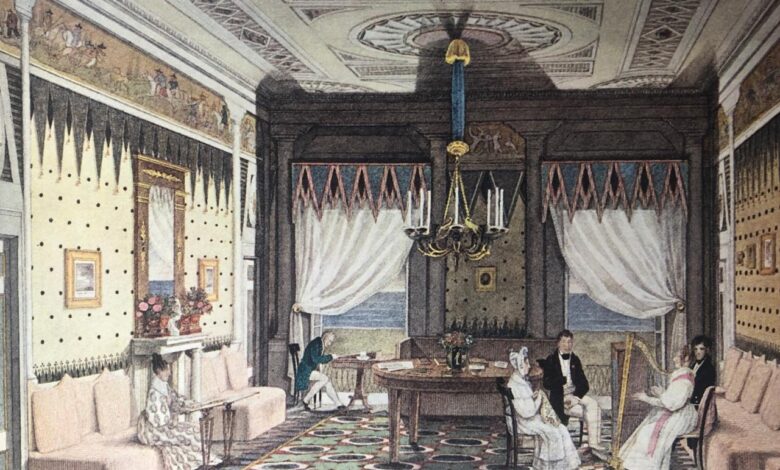
An Early 19th Century Home Fun & Playful
An early 19th century home with a sense of fun wasn’t just about practicality; it was about embracing joy and playfulness in every detail. From vibrant colors adorning walls to playful architectural flourishes, these homes reflected a society that valued social gatherings and entertainment. This exploration delves into the design elements, societal norms, and practicalities that created a lively atmosphere within these homes, showcasing how the past can inspire our appreciation for the present.
Imagine strolling through a beautifully landscaped garden, perhaps enjoying a lively musical performance, or dancing the night away in a lavishly decorated ballroom. These homes weren’t simply dwellings; they were centers of activity and social connection, reflecting a distinct sense of fun and lightheartedness. We’ll examine the specific architectural, interior design, and landscaping features that contributed to this atmosphere.
Defining “Fun” in Early 19th Century Homes
The early 19th century, a period of burgeoning industrialization and social change, saw a fascinating evolution in how people defined and experienced “fun.” While the concept of leisure wasn’t as explicitly prioritized as it is today, entertainment played a crucial role in social life, shaping the design and atmosphere of homes. This era witnessed a shift from the grand, formal gatherings of the previous century to a more accessible, yet still structured, approach to social enjoyment.Early 19th-century society valued order and decorum, even in entertainment.
This was reflected in the design and layout of homes, which often featured designated spaces for various forms of entertainment, creating a sense of structure and control around leisure activities. The importance of social interaction and maintaining one’s social standing were paramount, shaping the very nature of how people engaged in entertainment.
Societal Norms and Values Surrounding Leisure
The early 19th century saw a shift towards more accessible, though still structured, forms of entertainment. Formal balls and assemblies remained important, but smaller, more intimate gatherings became increasingly common. This reflected the growing middle class and their desire for social interaction within their own circles. The emphasis was on polite conduct, decorum, and maintaining social standing.
Public spaces, such as parks and gardens, also began to play a role in leisure activities, although access was often limited by social class.
Forms of Entertainment in the Early 19th Century
Music, particularly vocal music and instrumental performances, held a significant place in social gatherings. Instrumental music often accompanied dances, a popular pastime for all social classes. Dancing, in various forms, from waltzes to quadrilles, was a key component of social life. These gatherings were often held in drawing rooms, parlors, or gardens, with the homes themselves carefully designed to accommodate these activities.
The emphasis was on elegance, refinement, and social interaction.The social gatherings of the time often included storytelling, games, and the sharing of news and information. These informal activities provided a way to connect with neighbors and maintain community bonds. These gatherings were often informal and spontaneous, reflecting the desire for social connection and shared experiences.
This early 19th-century home radiated a playful spirit, almost as if it held a secret giggle. It’s fascinating how the design choices, from the playful window panes to the whimsical garden layout, seem to reflect the societal norms of the time. Of course, when you consider the historical context, like the political divisions and cultural shifts across different regions – and the corresponding demographics of red and blue states, as explored in this insightful piece red blue states demographics – it’s easy to see how these factors could have influenced the overall atmosphere of the house.
This lively environment makes the home truly captivating and enjoyable to imagine.
Comparison with Modern Entertainment
Modern entertainment options are vastly different from those of the early 19th century. While music and social gatherings remain important, they are often experienced in vastly different ways. The rise of mass media, television, and the internet has dramatically altered how people entertain themselves. Social media, for instance, has created entirely new forms of interaction and entertainment.
However, the underlying human need for connection and shared experiences remains a constant, regardless of the specific means of entertainment.
Imagine an early 19th-century home brimming with a playful spirit, filled with laughter and the echoes of joyful gatherings. Sadly, the recent events surrounding the Super Bowl in Kansas City, a city filled with energy and excitement, cast a shadow over the celebratory atmosphere. The news of the tragic shooting is deeply upsetting, a stark contrast to the intended spirit of fun and togetherness.
Thankfully, the charm and spirit of an early 19th-century home with its playful energy can still be cherished and appreciated. super bowl kansas city shooting serves as a reminder of the importance of valuing life and unity.
Decorative Elements Conveying a Sense of Fun
Playful murals, vibrant colors, and whimsical patterns were used in homes to create a sense of fun and cheerfulness. The use of lighter, brighter colors and decorative elements was common in creating a welcoming and engaging atmosphere. These decorative elements contributed to the overall atmosphere of the home and reflected the desire for a more lively and engaging social space.
Comparison Table: Early 19th Century vs. Modern Entertainment
| Activity | Description | Cultural Context |
|---|---|---|
| Instrumental Music | Instrumental music, often accompanying dances, was a cornerstone of social gatherings. | Music was a vital element in social interactions, often performed in homes and public spaces. |
| Dancing | Dancing, in various forms, was a popular pastime for all social classes, particularly in drawing rooms, parlors, and gardens. | Dancing was a key element of social gatherings and a way to show off social skills and elegance. |
| Social Gatherings | Intimate gatherings, including storytelling, games, and the sharing of news, were common. | These informal activities fostered community bonds and connection. |
| Modern Streaming Services | Watching movies, shows, and listening to music through streaming platforms. | Entertainment is readily available on demand, often personalized to individual preferences. |
| Video Games | Interactive games played on computers, consoles, or mobile devices. | A modern form of entertainment offering virtual interaction and competition. |
Architectural Features for a Sense of Fun
The early 19th century, a time of burgeoning optimism and burgeoning industry, saw a corresponding flourish in domestic architecture. Homes weren’t merely places to shelter; they were expressions of the homeowner’s personality and lifestyle. A playful spirit, reflected in the design choices, is apparent in the desire to create inviting and enjoyable spaces. This focus on creating a sense of fun within the architecture reflects a shift away from the more formal styles of the past, emphasizing comfort and sociability.The architectural styles prevalent during this period, such as Federal, Greek Revival, and Italianate, provided a canvas for incorporating playful elements.
These styles, with their emphasis on symmetry and proportion, could be subtly altered to incorporate features that conveyed a lightheartedness. This was achieved not through radical departures, but through careful manipulation of details and proportions. The materials used also played a role, creating a visual tapestry of textures and colors.
Architectural Styles and Their Characteristics
The Federal style, often associated with refined elegance, could still be infused with a sense of fun through the use of decorative moldings and intricate details. The Greek Revival style, with its classical influence, offered opportunities for introducing playful asymmetry in smaller elements, such as window placements or roofline features. Italianate designs, with their emphasis on visual interest, readily incorporated decorative elements and intricate patterns, further contributing to the playful atmosphere.
Impact of Windows, Doorways, and Rooflines
Windows, doorways, and rooflines were crucial elements in achieving a playful atmosphere. Windows could be strategically placed to frame views or create visual interest. Playful asymmetry in the placement of windows and doors, while maintaining an overall sense of balance, was common. Rooflines, particularly the use of gables, could be crafted to add a touch of whimsy.
This charming early 19th-century home practically vibrates with a sense of playful exuberance, almost like a mischievous spirit. It’s easy to imagine lively gatherings and laughter echoing through its rooms. News about the Netanyahu hostage deal in Rafah, netanyahu hostage deal rafah , though a far cry from the lighthearted atmosphere within the home, reminds us of the complexities and tensions that sometimes overshadow even the most joyous of settings.
Ultimately, the home’s playful spirit remains a comforting reminder of the enduring human desire for fun and connection.
Imagine a slightly asymmetrical gable, adorned with a decorative crest or finial. Such subtle details could make a home feel lighthearted and engaging.
Common Building Materials and Their Impact
The building materials of the era significantly influenced the aesthetic. Wood, with its versatility, was a prevalent choice. The use of different wood types, or painted finishes, created varied textures and colors, enhancing the overall visual appeal. Stone, brick, and plaster were also employed, each with its own unique visual characteristics, which contributed to the overall design.
Imagine an early 19th-century home brimming with a playful spirit, almost like a joyful gathering. The housing market near NYC housing market near nyc is currently experiencing some interesting fluctuations, and it’s fascinating to consider how the cost of these charming old homes might be impacted. Ultimately, that playful, joyful atmosphere of the 1800s home would be a welcome sight, no matter the market price.
The interplay of different materials could be used to create visual interest. The combination of stone and wood, for example, could create a more elaborate aesthetic.
Ornamentation and Embellishments
Ornamentation and embellishments were integral to creating a sense of fun. Decorative moldings, carvings, and finials could be used to add visual interest and create a sense of playfulness. Intricate patterns and designs on doors and windows, such as fretwork or floral motifs, added to the charm. The choice of color in paint or stain, carefully applied, also played a significant role.
A vibrant hue on a door or window frame could serve as a focal point, enhancing the sense of playfulness.
Specific Architectural Elements
| Architectural Feature | Description | Connection to a Sense of Fun |
|---|---|---|
| Gables | Triangular sections of the roof’s exterior, often found above doorways or windows. | Asymmetrical gables or gables with decorative elements could create a playful touch. |
| Balconies | Small platforms projecting from the main structure, often supported by columns or railings. | A balcony, especially with wrought iron railings or decorative features, could be a delightful spot for socializing and enjoyment. |
| Porches | Covered outdoor areas attached to the house, typically featuring columns and railings. | Porches, with their welcoming ambiance and potential for outdoor gatherings, fostered a sense of playfulness and enjoyment. |
Interior Design and Furnishings: An Early 19th Century Home With A Sense Of Fun

The early 19th century saw a blossoming of interior design, reflecting the societal shifts and burgeoning middle class. Homes were increasingly viewed as spaces for social interaction and entertainment, and the interiors were carefully curated to create a sense of warmth, elegance, and fun. This manifested in the choice of furniture, colors, and patterns, all contributing to a lively and inviting atmosphere.The interiors of early 19th-century homes were not just functional; they were designed to express the homeowner’s social standing and personality.
A carefully chosen color palette, intricate patterns, and comfortable furnishings were integral parts of creating an atmosphere of conviviality. The desire for comfort and aesthetic appeal was evident in every detail, from the soft fabrics to the meticulously placed decorative objects.
Common Interior Design Trends
The prevailing interior design trends of the early 19th century emphasized comfort and a sense of refinement. Neoclassical styles, with their emphasis on symmetry and clean lines, were prevalent, though a growing interest in more ornate, and even whimsical, designs was also emerging. This desire for comfort and sociability was evident in the layout of rooms and the selection of furnishings.
The Role of Furniture in Creating Fun and Sociability
Furniture played a critical role in fostering social interaction and creating a sense of fun. Large, comfortable sofas and armchairs encouraged conversation and relaxation. Dining tables, often elaborately carved and inlaid, were centers of family gatherings and social events. Sideboards and buffets were essential for displaying china, silverware, and other decorative items, further enhancing the aesthetic appeal and atmosphere of the space.
The presence of games tables, card tables, and music stands also contributed to a lively and engaging environment.
Color, Pattern, and Texture in Interior Spaces
Color palettes were often rich and varied, featuring warm tones like reds, blues, and greens. Intricate patterns, such as floral designs and damask patterns, were common in fabrics and wallpapers. Textiles, including curtains, upholstery, and rugs, played a significant role in adding texture and depth to the interior spaces. The use of contrasting colors and patterns created visual interest and a sense of vibrancy.
Typical Furnishings, Function, and Relation to Fun
| Furnishing | Function | Relation to Fun |
|---|---|---|
| Large Sofas and Armchairs | Relaxation and conversation | Provided comfortable spaces for social interaction and fostered a sense of ease and enjoyment. |
| Dining Tables | Family meals and gatherings | Served as the heart of the home, facilitating social interaction and creating a convivial atmosphere. |
| Sideboards and Buffets | Displaying china and silverware | Added to the aesthetic appeal and emphasized the social status and taste of the homeowner. |
| Games Tables and Card Tables | Games and entertainment | Created opportunities for social interaction, fun, and entertainment, particularly during gatherings. |
| Music Stands | Musical performances and gatherings | Facilitated social events centered around music, enhancing the atmosphere of enjoyment. |
Rooms for Social Interaction and Entertainment
Living rooms and dining rooms were the primary spaces for social interaction. These rooms were designed to accommodate gatherings, with comfortable seating and ample space for conversation. Parlor rooms, if present, were frequently used for entertaining guests, offering a more formal atmosphere. The use of fireplaces added warmth and ambiance to these spaces, contributing to a sense of intimacy and enjoyment.
Textiles and Their Contribution to Fun
Textiles such as curtains, upholstery, and rugs played a vital role in creating a sense of warmth, comfort, and vibrancy. Rich colors, intricate patterns, and luxurious materials such as velvet and damask added visual interest and sophistication to the rooms. Curtains, for example, could be used to divide rooms or create a more intimate atmosphere, contributing to the overall sense of fun and enjoyment.
Landscaping and Outdoor Spaces

Early 19th-century homes weren’t just about the interior; the surrounding landscape played a crucial role in the overall experience of fun and relaxation. Gardens weren’t simply decorative additions; they were integral parts of daily life, providing opportunities for social gatherings, leisure activities, and a connection with nature. The design and layout of these outdoor spaces reflected the prevailing social norms and aesthetic sensibilities of the era.Outdoor spaces were considered vital extensions of the home, offering a place to escape the confines of the house and engage in a variety of activities.
The carefully cultivated gardens reflected the homeowners’ social standing and provided a place for entertaining, family time, and a sense of community.
The Importance of Gardens and Outdoor Spaces
Gardens were more than just pretty flowers; they were important social hubs. Families and guests gathered in the garden for picnics, games, and conversations. Outdoor spaces offered a chance for fresh air and respite from the often stuffy interiors of the time. The presence of a well-maintained garden showcased the homeowner’s status and taste.
Landscaping for Fun and Relaxation
Landscaping could be designed to evoke a sense of playfulness and relaxation. The careful arrangement of features, from meticulously manicured flowerbeds to picturesque walkways, created an atmosphere conducive to enjoyment. This emphasis on aesthetics and functionality made the garden a desirable place for both social interaction and individual contemplation.
Outdoor Features and Their Impact
Gazebos, often featuring ornate designs and delicate structures, provided shaded areas for relaxation and conversation. Meandering walkways encouraged exploration and discovery, leading to hidden corners and unexpected views. Flowerbeds, brimming with vibrant blooms, added color and fragrance to the landscape, creating a sense of joy and vibrancy. The careful placement of these features contributed significantly to the overall sense of fun and enjoyment within the garden.
Typical Elements of Early 19th-Century Gardens
| Element | Description | Connection to Fun |
|---|---|---|
| Flowerbeds | Beds filled with colorful flowers, often arranged in symmetrical patterns. | Added vibrancy, fragrance, and visual appeal, creating a joyful atmosphere. |
| Gazebos | Small, ornate structures, often with open sides or a roof, providing shaded seating areas. | Offered a place for relaxation and social gatherings, enhancing the sense of community and leisure. |
| Walkways | Paths, often paved or gravelled, leading through the garden. | Encouraged exploration, providing access to different areas of the garden and offering varied views. |
| Trees and Shrubs | Strategically placed trees and shrubs provided shade, privacy, and a sense of natural beauty. | Created a tranquil environment, fostering relaxation and a connection with nature. |
| Statues/Ornamental Features | Sculptures or decorative items added a touch of elegance and artistry. | Enhanced the visual appeal and added a sense of wonder and aesthetic appreciation. |
Nature and Playfulness, An early 19th century home with a sense of fun
Nature itself played a significant role in fostering a sense of playfulness. The presence of flowers, trees, and other natural elements inspired creativity and imagination. Children, in particular, found joy in exploring the garden, discovering hidden spaces, and engaging in games among the plants. The connection to nature fostered a sense of wonder and delight.
Nature-Inspired Interior Design
The influence of nature extended beyond the garden, impacting interior design. Natural motifs, such as flowers and foliage, frequently adorned wallpaper, furniture, and other decorative elements. The use of natural materials like wood and stone added to the sense of warmth and connection to the outdoors. The careful integration of natural elements created a harmonious blend between indoor and outdoor spaces, contributing to a feeling of tranquility and delight.
Illustrative Examples of Homes
Whimsical architecture and joyful interiors were not limited to specific styles. Early 19th-century homes, reflecting the spirit of the era, often embraced playful design elements in various ways. These weren’t just houses; they were expressions of a vibrant cultural moment. Let’s delve into some specific examples to understand how fun manifested in the architecture, interiors, and landscaping of the time.Early 19th-century homeowners sought to create spaces that fostered both practicality and delight.
This desire is reflected in the diverse approaches to home design, which ranged from elegant formality to lighthearted whimsy. Each example showcased below provides a glimpse into the varied ways that fun was incorporated into the design of these homes.
A Georgian Home with a Touch of Playfulness
A charming Georgian-style home, nestled within a picturesque landscape, showcased a unique blend of formal elegance and playful touches. Imagine a stately facade, adorned with symmetrical windows and a gently sloping roof. However, subtle touches of whimsy are present. The front door, while traditional, might feature a playful, slightly oversized knocker, or a decorative flower box overflowing with vibrant blooms. Inside, the formal living room, with its graceful fireplace and rich mahogany furniture, could contain a smaller, more playful sitting area furnished with brightly colored armchairs and a patterned rug. The dining room, with its intricate china cabinet, might have a painted or decorative motif in a lighter, more joyful color palette. The outdoor space would likely be landscaped with carefully arranged flowerbeds and perhaps a whimsical gazebo.
This home demonstrates how playful accents could be integrated into an otherwise formal design. The balance between traditional elegance and cheerful details creates a home that is both stately and inviting.
A Federal-Style Home with a Focus on Interior Play
A Federal-style home, known for its clean lines and practical layouts, could achieve a sense of fun through its interior design. Imagine a spacious foyer, leading to a grand staircase, characterized by delicate, almost floral carvings. The rooms themselves might be adorned with lighter, more vibrant colors, such as cheerful yellows or blues. Perhaps a wallpaper featuring charming, repeating patterns would adorn the walls. The furniture, while retaining the elegance of the style, could feature intricate carvings and upholstery in playful patterns or colors. A child’s playroom or a dedicated study with a collection of unusual curiosities could add to the overall sense of joy.
This example illustrates how a home’s interior could be transformed into a playful space through thoughtful color choices, patterns, and the incorporation of whimsical elements. The playful spirit is embodied in the decorative details and the thoughtfully curated collection of items.
A Vernacular Home Embracing a Rustic Charm
A vernacular home, characteristic of its region, could also reflect a sense of fun through its connection to nature. Imagine a home built from locally sourced materials, such as wood or stone. The home’s exterior might be painted in a vibrant, local color, reflecting the surrounding environment. The interior could showcase a simple, yet comfortable design, with exposed beams and natural light. A small, but well-stocked garden could be a source of fresh produce and flowers. The home might include a porch, ideally a covered one, offering a space for relaxation and social gatherings. A collection of handmade crafts or tools might be displayed, showcasing the home’s connection to the community and the local craft traditions.
This demonstrates how a home’s connection to its surroundings and local traditions could be a source of fun and charm. The rustic elegance of the home, combined with its connection to nature and the local culture, creates a unique sense of place.
Imagine an early 19th-century home brimming with a playful spirit, full of laughter and lively gatherings. This sense of fun extends beyond the home’s walls, echoing in the vibrant energy of the Harlem Renaissance, a period explored in the exhibition “abney bey fordjour simmons harlem renaissance met” abney bey fordjour simmmons harlem renaissance met. The artistic expression and cultural richness of the time mirrors the joyful atmosphere one might find in a well-loved home of that era, bringing a sense of warmth and playfulness to the past.
Final Thoughts

In conclusion, an early 19th-century home with a sense of fun was a vibrant tapestry woven from societal values, architectural ingenuity, and a deep appreciation for the joy of life. We’ve seen how the design choices, from playful murals to strategically placed balconies, mirrored the spirit of the era. By examining these homes, we gain a deeper understanding of the past and a renewed appreciation for the beauty and ingenuity of human design.
Perhaps we can even find inspiration for bringing a touch of that joyful spirit into our modern homes.
FAQ Compilation
What types of music were popular in early 19th-century homes?
Popular music of the era included classical compositions, folk songs, and newly composed works for dances and social gatherings. Instrumental music was also significant, with string quartets and piano performances common.
How did the role of women differ in social gatherings compared to today?
While women’s roles were evolving, they often played a crucial part in organizing and hosting social events. However, their participation in public life and leadership roles differed significantly from modern expectations. The dynamics of social gatherings were more structured and formal.
What were common materials used for building and furnishings?
Common building materials included wood, brick, and stone. Furnishings often featured intricate carvings, painted surfaces, and fabrics like velvet and silk. The availability and cost of materials would have influenced the styles chosen.
How did the concept of “fun” in an early 19th-century home differ from our modern understanding?
While the desire for enjoyment was present, the forms of entertainment and the societal contexts surrounding them were very different. Activities often centered around social interaction and refined entertainment rather than individual, screen-based pursuits.